A camera that watches over people but never records them sounds like a contradiction. Yet that is exactly what China Telecom’s artificial intelligence arm has put into service. The TeleAI Privacy Camera, whose commercial rollout was announced on 5 November 2026, is built to spot danger in the places where ordinary cameras are not allowed — public restrooms, hospital wards and the bathrooms of elderly care homes — without ever storing, recording or sending a single frame of original video. Smart cameras are already a familiar sight in homes and shops, but this one works in a very different way.
The idea answers a problem that has followed surveillance for years. Cameras make public spaces safer, but they cannot be placed where people are at their most private. A fall in a bathroom, a fight in a restroom or a medical emergency in an elderly person’s home can go unnoticed for hours, precisely because nobody is willing — or legally permitted — to point a recording camera at those rooms. TeleAI’s answer is a device that observes without remembering: it sees enough to raise the alarm, and keeps nothing that could identify anyone.
A camera that watches without recording
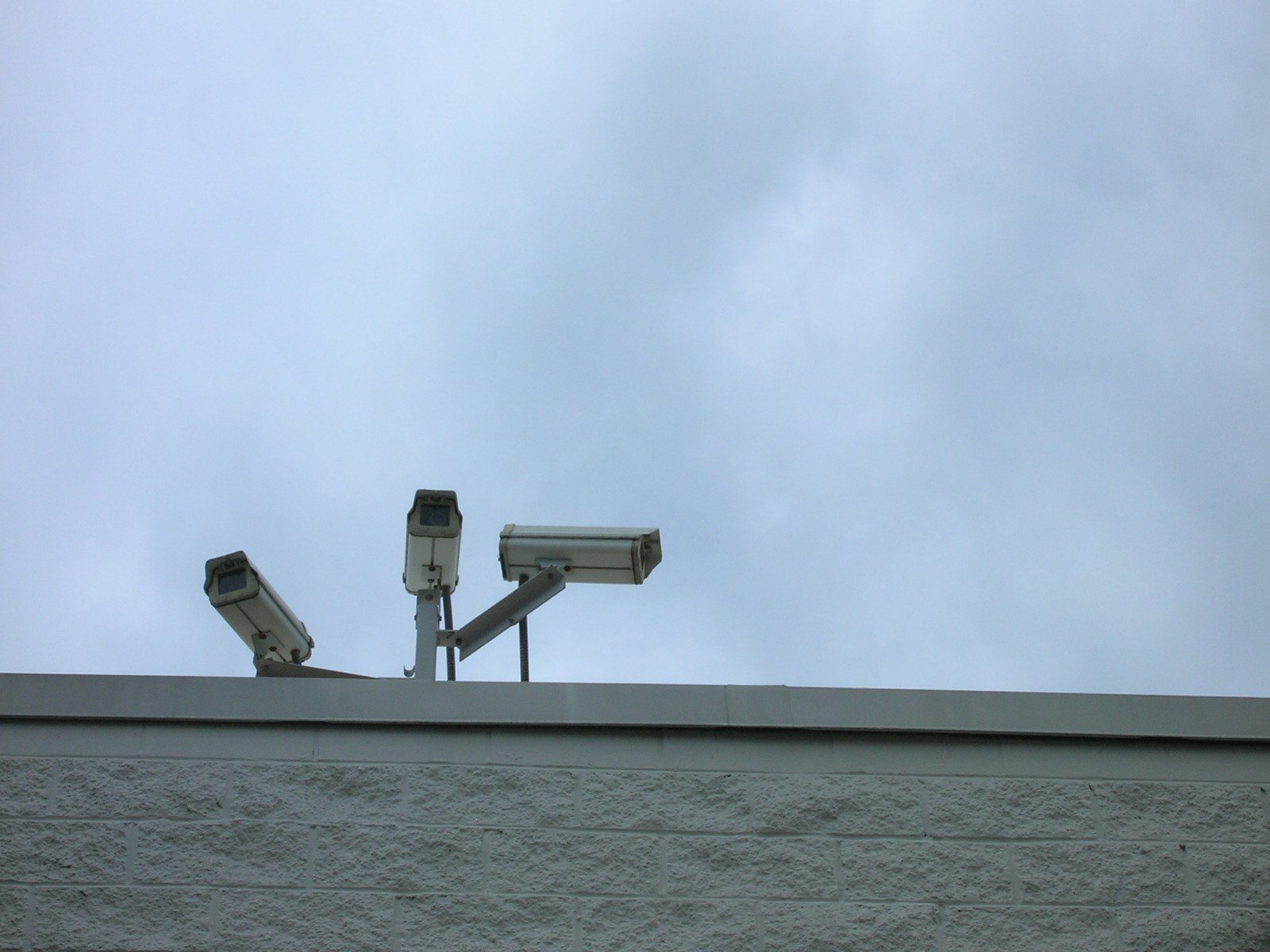
Unlike a normal security camera, the TeleAI Privacy Camera is not a recording device at all. It works as a safety monitor. Its on-device artificial intelligence looks for abnormal or prohibited behaviour — a physical altercation, a smoking hazard, or a person slipping and falling — and the moment it spots trouble it sends a real-time alert. The raw video it looked at is deleted at the source, immediately, frame by frame. What reaches the people on duty is not footage but a text description or a simple graphical notification: enough to know what happened and where, and to send help quickly, without ever showing anyone’s private moments.
How the token-stream technology protects privacy
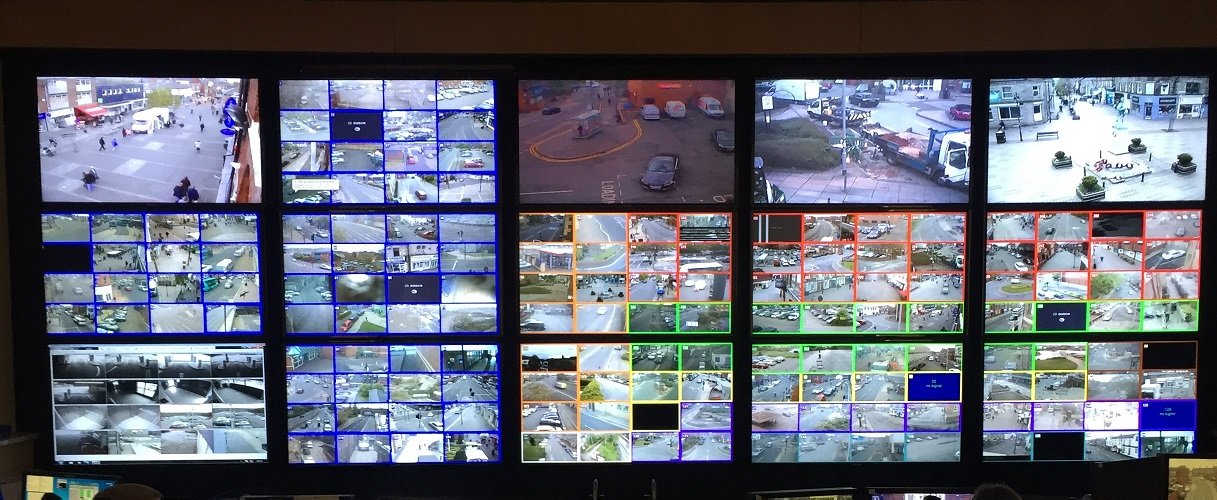
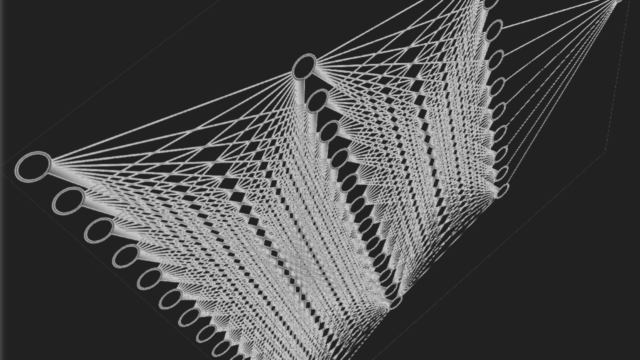
At the heart of the device is a system TeleAI calls token-stream technology, running on its own AI Flow network, which links the device, the edge and the cloud. Privacy is enforced at the very moment of capture, in three steps. First, the camera’s on-device AI pulls abstract features out of each frame — the shape of a fall, the movement of a struggle — while stripping away anything that could identify a person, such as faces or distinctive clothing. Second, the raw frame is permanently deleted on the device the instant it has been processed. Third, only the anonymised stream of abstract data — the “token stream” — travels to the cloud. Even if that data were intercepted on the way, TeleAI says it cannot be turned back into recognisable images. The people monitoring the system never see video at all, only the alerts it produces.
From public restrooms to elderly care homes
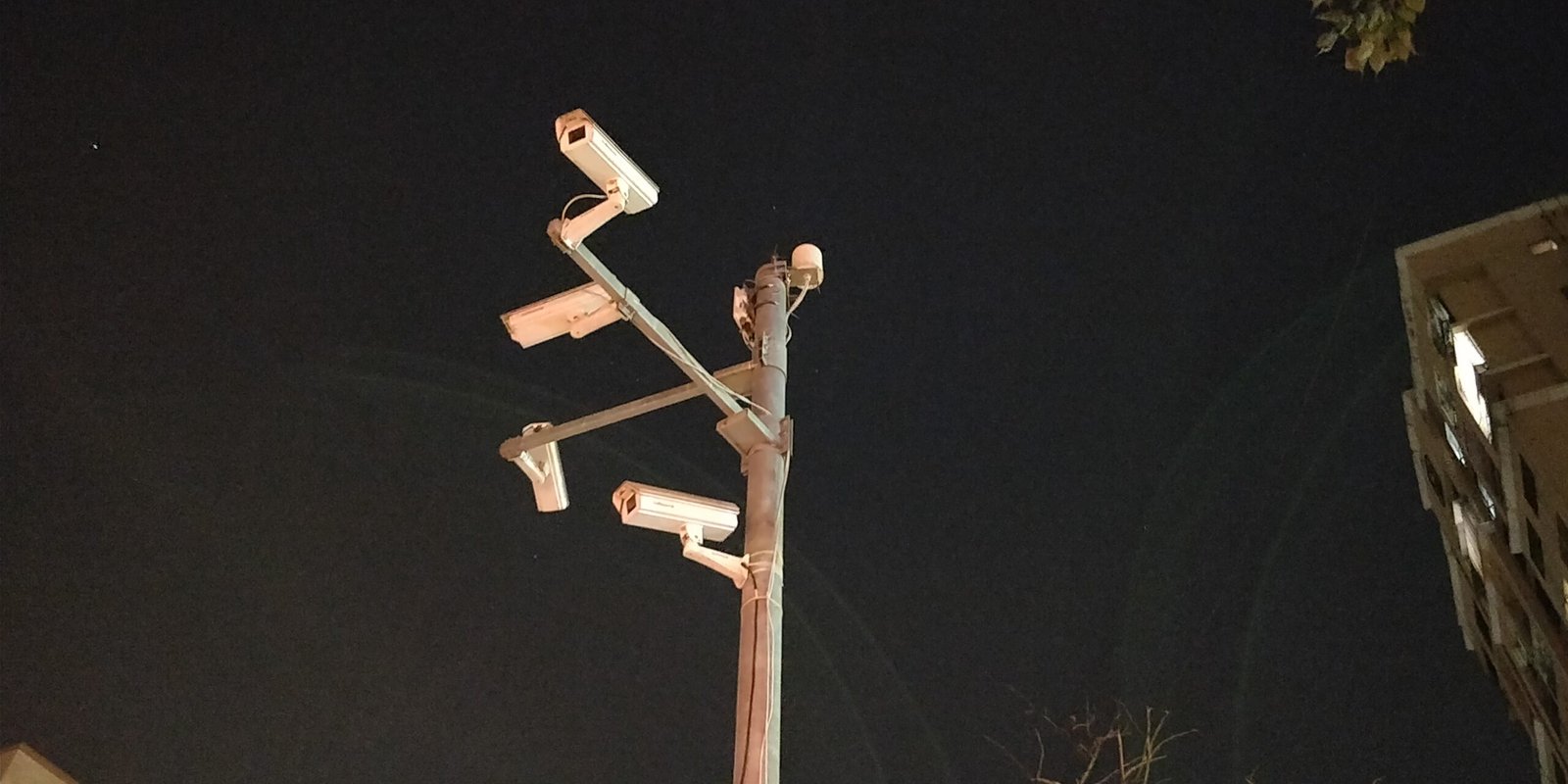
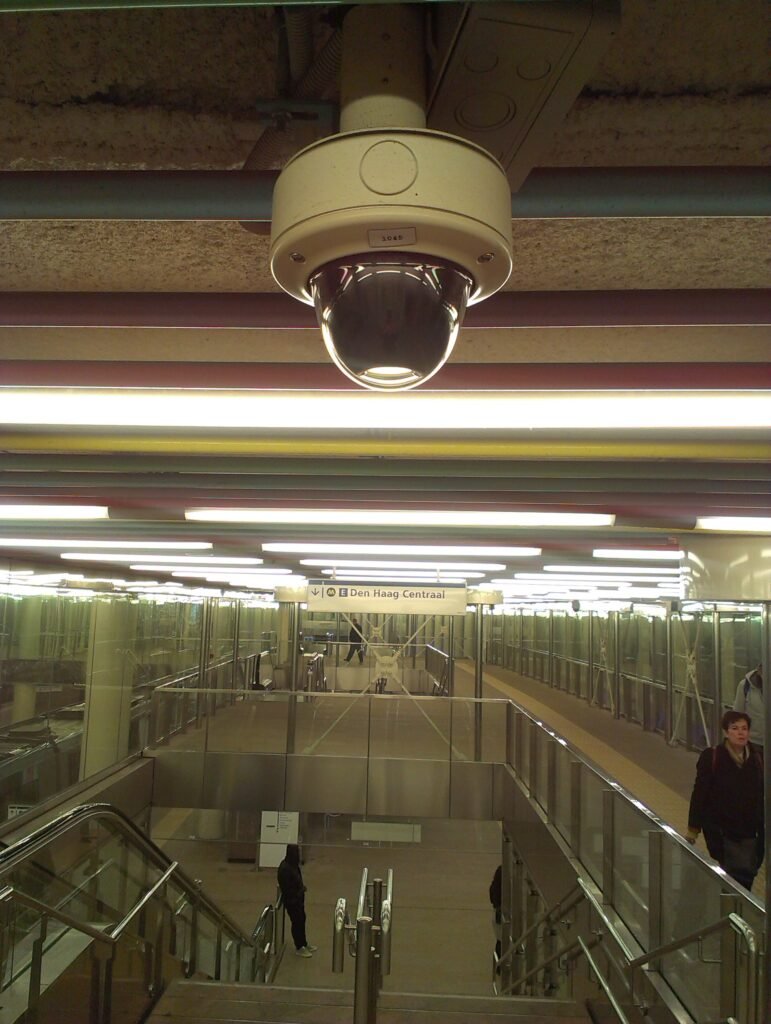
The camera is already in active use across municipal public facilities and healthcare institutions in China, according to the announcement. Its most striking use is in elderly care, where the same hardware is sold for homes under the name TeleAI Smart Care Assistant, or TeleCare. Disguised as an ordinary ceiling-mounted smoke detector so that it does not make residents uncomfortable, it watches over bathroom and bathing areas for sudden medical emergencies, distress gestures and falls — and alerts family members or medical staff within five seconds of detecting trouble. For an elderly person living alone, five seconds can be the difference between a scare and a tragedy, and the fact that no video ever leaves the room is what makes such monitoring acceptable in the first place.
Why this matters — and what Apple is reportedly planning
The launch also lands at a moment when the world’s biggest technology companies are circling the same idea. Bloomberg has reported on a rumoured Apple camera designed to work without recording footage, and the TeleAI device shows that the concept is no longer a rumour: it is built, deployed and watching over real buildings today. The team behind it is led by Professor Xuelong Li, chief technology officer and chief scientist of China Telecom and director of TeleAI, the institute China Telecom set up in May 2024 to work on AI Flow, world models, embodied intelligence and AI infrastructure. TeleAI says its wider AI Flow architecture is now spreading into industrial, maritime and emergency communications work, pointing towards a token-stream standard for the next generation of connected devices.
No price has been announced for the TeleAI Privacy Camera, and the announcement says nothing about a launch outside China, including Pakistan. What it does show is a shift in how the industry thinks about safety cameras: the question is no longer how much a camera can record, but how little it needs to keep in order to protect the people in front of it.
Related Posts
 TechnologyAina AI Ring Unveiled: The Ring That Knows What You Need Before You Ask
 TechnologyEZVIZ 11.11 Sale in Pakistan: Up to 60% Off Smart Security Cameras — Dates, Deals and Where to Buy
 TechnologyXiaomi HyperOS 4 Rollout Begins: 82 Devices to Get Android 17 Update
 TechnologyJazz Tops PTA Network Quality Survey in Islamabad and Rawalpindi
 TechnologyNothing’s First AI Device Ships in December — and It Has No Screen at All
 TechnologyMotorola Signature 27 Is Official at $1,599: 200MP Periscope Camera, Snapdragon 8 Elite Extreme Gen 6 and a 7,000mAh Battery
Most Popular
 How-ToPTA Tax Calculator 2026: Check Mobile Tax on Any Phone416 views
 Pakistan NewsPIA Boeing 787 Lease Deal: What It Means for the Airline388 views
 SportsUEFA Champions League 2026-27: Format, Teams and Schedule383 views
 Canada JobsTech Jobs in Canada: Roles, Salaries, and Skills Needed382 views
 TechnologyPM Shehbaz Sets November Deadline for Alibaba AI and Digitalisation Projects in Pakistan361 views
 ShowbizWomen’s Fashion in Pakistan 2026: Trends, Brands and Style Guide356 views