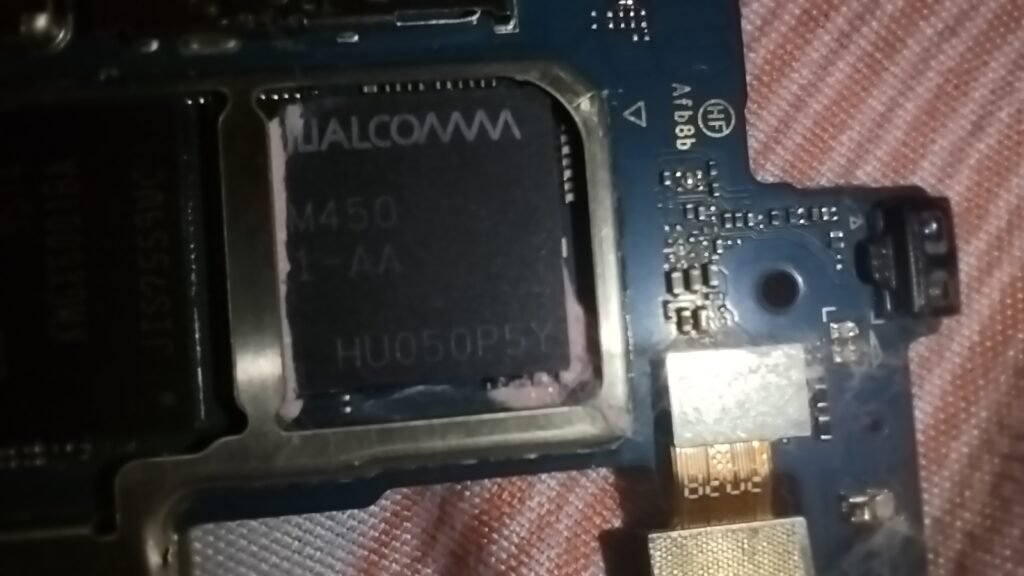
Your next smartphone could cost more — and take longer to arrive. Qualcomm, the company whose chips power most of the world’s Android phones, has warned that a global memory shortage is forcing smartphone brands to cut production, just as memory prices soar to levels the industry has not seen in years.
The warning came in Qualcomm’s latest earnings call, where chief financial officer Akash Palkhiwala told investors that several smartphone makers are now planning to build fewer phones. It is the clearest sign yet that the memory crisis, driven by the artificial intelligence boom, has moved from the server room to the shop shelf.
For buyers in Pakistan, where phone prices have already jumped by up to Rs 30,000 this year as chip costs bite, the warning is a signal that the pressure is not going away soon.
Why Memory Prices Are Soaring
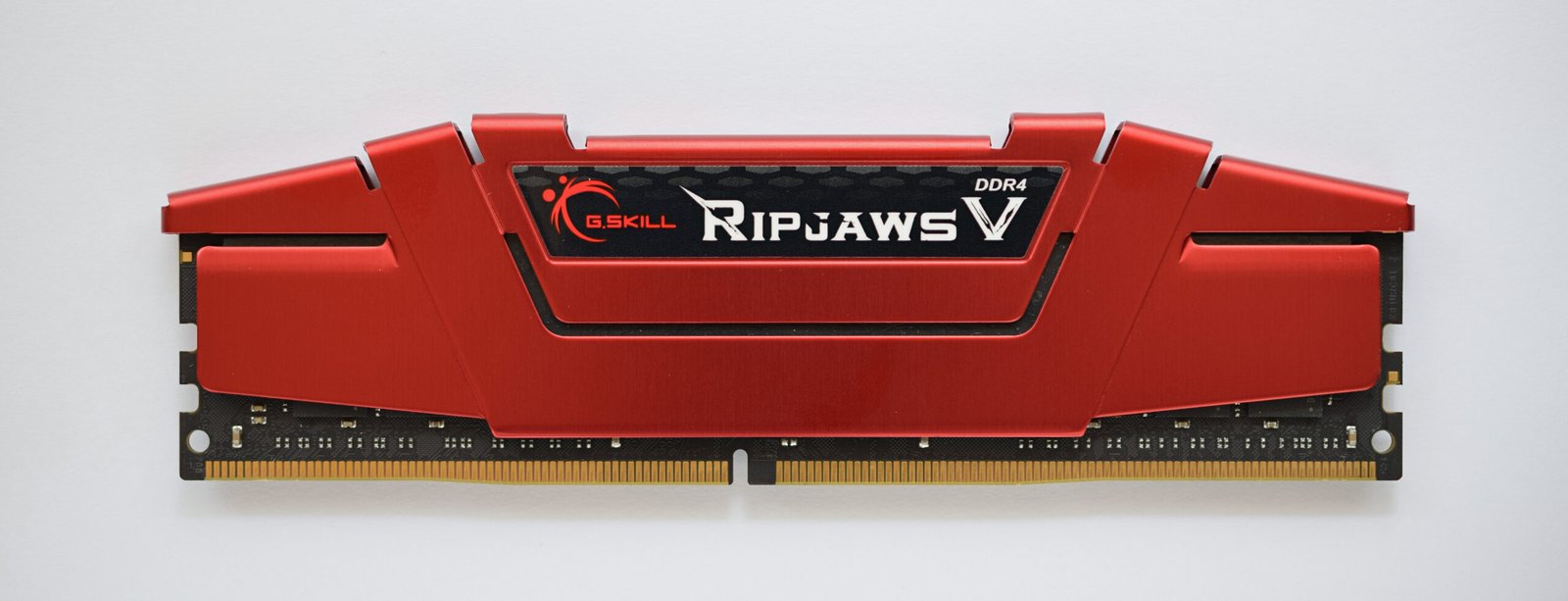
The shortage starts in the data centre. Artificial intelligence companies are buying memory chips in enormous quantities to build the servers that train and run AI models, and that demand has squeezed the supply available to phone makers.
Memory and flash storage now account for 30 to 40 per cent of the material cost of a mobile phone, according to industry analysis — so when memory prices rise, the whole phone gets more expensive. One analysis put memory chip prices up by about 350 per cent compared with a year ago, and the trend is still upward.
The effect on sales is already visible. Reuters, citing Counterpoint Research figures, reported that worldwide smartphone shipments fell 20 per cent in the September quarter to their lowest level in 14 years, with surging memory costs named as the cause. When memory gets more expensive, phones get more expensive — and buyers delay their upgrades.
Qualcomm’s own numbers tell the same story. The chipmaker’s handset chip revenue fell 26 per cent year on year to $5.137 billion in its fiscal fourth quarter, which ended on 27 September. Total revenue for the quarter was $10.322 billion, down 8 per cent, and adjusted earnings per share fell 28 per cent to $2.17. The company’s shares dropped 9.5 per cent the day after the results.
Brands Cut Production — and Cheaper Phones Feel It First
Palkhiwala was blunt about what comes next. He told investors that global handset shipments would fall by a percentage in the low-to-mid teens in 2026 compared with a year earlier, and that Qualcomm expects the market to be “flat to slightly down” in 2027.
“Memory supply constraints and rising component prices are the main reasons for the smartphone market contraction,” he said, adding that higher handset prices have already weakened consumer demand.
Phone makers are responding in the same way across the industry: cutting mid-range and low-end models, stretching out the time between new launches, and switching to previous-generation chips in high-end phones to keep costs under control. In practice, that means fewer choices on the shelf — and the budget phones that most buyers in Pakistan rely on are the first to disappear.
Qualcomm is feeling the squeeze from both sides. It has raised its own chip prices by double digits to offset rising manufacturing costs, but the benefit to its profit margins is not expected until the second half of fiscal 2027. Its chip division’s pre-tax profit margin has already fallen to 24 per cent, from 29 per cent a year earlier.
Chief executive Cristiano Amon told investors that rising memory prices have had a negative impact on the size of the global mobile phone market. There was one bright spot for Qualcomm: its Snapdragon chips are now in about 70 per cent of Samsung’s flagship phones, with Amon saying “70 per cent or more has become the new baseline” for current and next-generation Galaxy devices.
What It Means for Phone Buyers in Pakistan

For Pakistani buyers, the memory shortage lands on top of a market that is already under strain. Smartphone prices in Pakistan have jumped by up to Rs 30,000 as chip costs bite, and every new wave of component price rises feeds through to the prices on local shelves — whether the phone is imported or assembled at home.
The timing is awkward. Pakistan is nearing one million locally made 5G smartphones, a milestone that was supposed to make modern handsets more affordable. But local assembly still depends on imported chips and memory, so a global shortage raises costs for Pakistani factories just as surely as it does for factories in China or Vietnam.
There is a second pressure point. Apple is moving away from Qualcomm’s modems and building its own, and Qualcomm’s forecast for the current quarter assumes no further sales to Apple at all. That leaves the chipmaker more dependent than ever on Android phone makers — the same companies now cutting production because they cannot afford memory.
The shortage is not expected to ease quickly. Qualcomm says any upside in its business is “constrained by supply rather than demand” — in other words, people still want phones, but the industry cannot build enough of them at prices people can afford.
For anyone in Pakistan planning to buy a phone, the message from the world’s biggest phone-chip maker is clear: prices are heading up, choice is narrowing, and waiting may not make the next phone any cheaper. The memory shortage that started in AI data centres has arrived in every pocket — and it is not going away soon.
Read also: smartphone prices in Pakistan jump by up to Rs 30,000 and Pakistan nears one million locally made 5G smartphones.
Related Posts
 TechnologyElon Musk Says He Feels “Pretty Foolish” After Spending Nearly $500 Million on Republicans
 TechnologyPakistan Plans 15,206 MW of Renewable Energy by 2035 as NEPRA Approves Power Expansion Plan
 TechnologyGoogle Rolls Out Gemini 4 Neon Today: Faster Frontier AI for Pro and Ultra Users
 TechnologySamsung Galaxy Z Fold 8 and Fold 8 Ultra Win CES 2027 Best of Innovation
 TechnologyGTA 6 Launches in Pakistan Today: Unlock Times, the New Zealand Early-Access Trick and the PSN Outage Before Release
 TechnologyOpenAI Is Building Its Own Phone — Foxconn to Assemble It, Launch Expected in 2027 or 2028
Most Popular
 How-ToPTA Tax Calculator 2026: Check Mobile Tax on Any Phone420 views
 Pakistan NewsPIA Boeing 787 Lease Deal: What It Means for the Airline396 views
 Canada JobsTech Jobs in Canada: Roles, Salaries, and Skills Needed392 views
 SportsUEFA Champions League 2026-27: Format, Teams and Schedule389 views
 TechnologyPM Shehbaz Sets November Deadline for Alibaba AI and Digitalisation Projects in Pakistan369 views
 ShowbizWomen’s Fashion in Pakistan 2026: Trends, Brands and Style Guide366 views