Pakistan is set to transform how it makes electricity. The government plans to add 15,206 megawatts (MW) of renewable energy capacity — including hydropower — to the national grid by 2035, and clean energy will account for about 93 percent of all new power generation built over the next decade.
The plan has been approved by the National Electric Power Regulatory Authority (NEPRA) as part of its Integrated System Plan for 2025–35. Under the plan, Pakistan will add 16,406 MW of total generation capacity in the ten-year period. Of that, 15,206 MW will come from renewable sources, while the remaining 1,200 MW will come from nuclear power.
If the plan is delivered, Pakistan’s total installed generation capacity will reach about 62,383 MW by 2035, with renewables making up more than 60 percent of it. It is the clearest official signal yet that the country’s power future is solar panels, dams and wind turbines — not imported fuel.
Solar Leads the Way — Rooftop Panels Do the Heavy Lifting
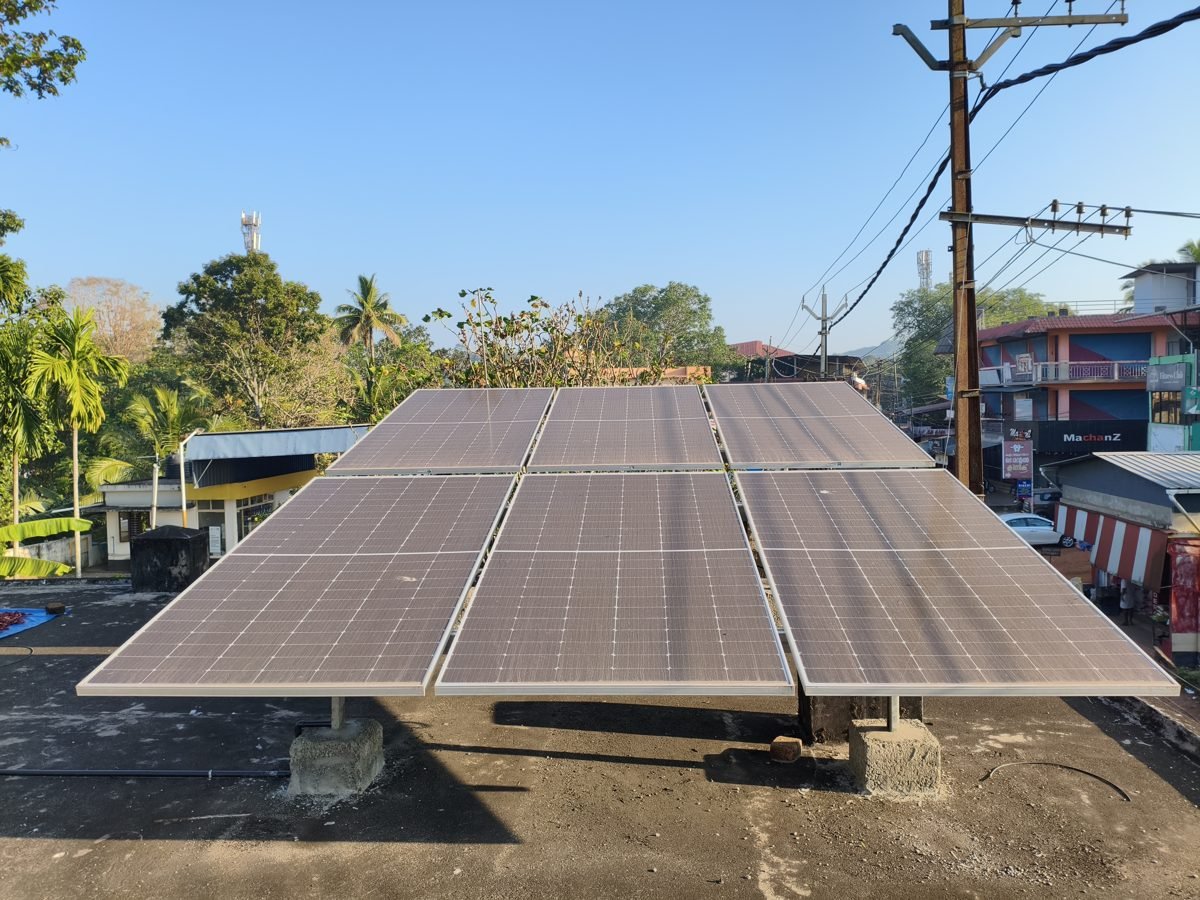
Solar power is the biggest piece of the plan by far. Photovoltaic projects under net-metering arrangements — the rooftop panels on homes, shops and factories — are expected to add 8,120 MW, more than half of all the new renewable capacity.
That is no surprise to anyone who has watched Pakistan’s rooftops over the past two years. The prime minister told the COP31 climate summit in Antalya this month that the country has added around 22 gigawatts of rooftop solar in just two years, and that clean sources now make up about 55 percent of the energy mix. The new plan turns that rooftop boom into official policy: the panels already appearing on homes across the country are now the single largest source of future power in the national plan.
The additions will be planned through the Indicative Generation Capacity Expansion Plan, which uses least-cost planning to decide what gets built and when, under the National Electricity Policy 2021 and the National Electricity Plan 2023–27. Those policies set a target of a 60 percent renewable share in installed capacity by 2030 — five years before this plan’s end date.
Hydro and Wind Fill Out the Plan

Hydropower is the second pillar, contributing 4,505 MW of the planned additions. Pakistan’s rivers have always been its oldest source of clean power, and the plan keeps dams and hydro projects at the centre of the mix alongside solar.
Wind power will add another 2,581 MW, mainly from the wind corridor in Sindh that already hosts the country’s operating wind farms. Together, the three sources — solar, hydro and wind — make up the full 15,206 MW of renewable additions, with nuclear power providing the remaining 1,200 MW.
The shift matters because Pakistan’s power sector has long been weighed down by expensive imported fuel. Every megawatt built from sun, water and wind is a megawatt that does not need imported gas or oil, and does not add to the circular debt that has haunted the sector for years. The plan’s 93 percent renewable share is, in effect, a decision to stop building the power system around fuel imports.
The Missing Piece — Battery Storage Still Awaits Approval
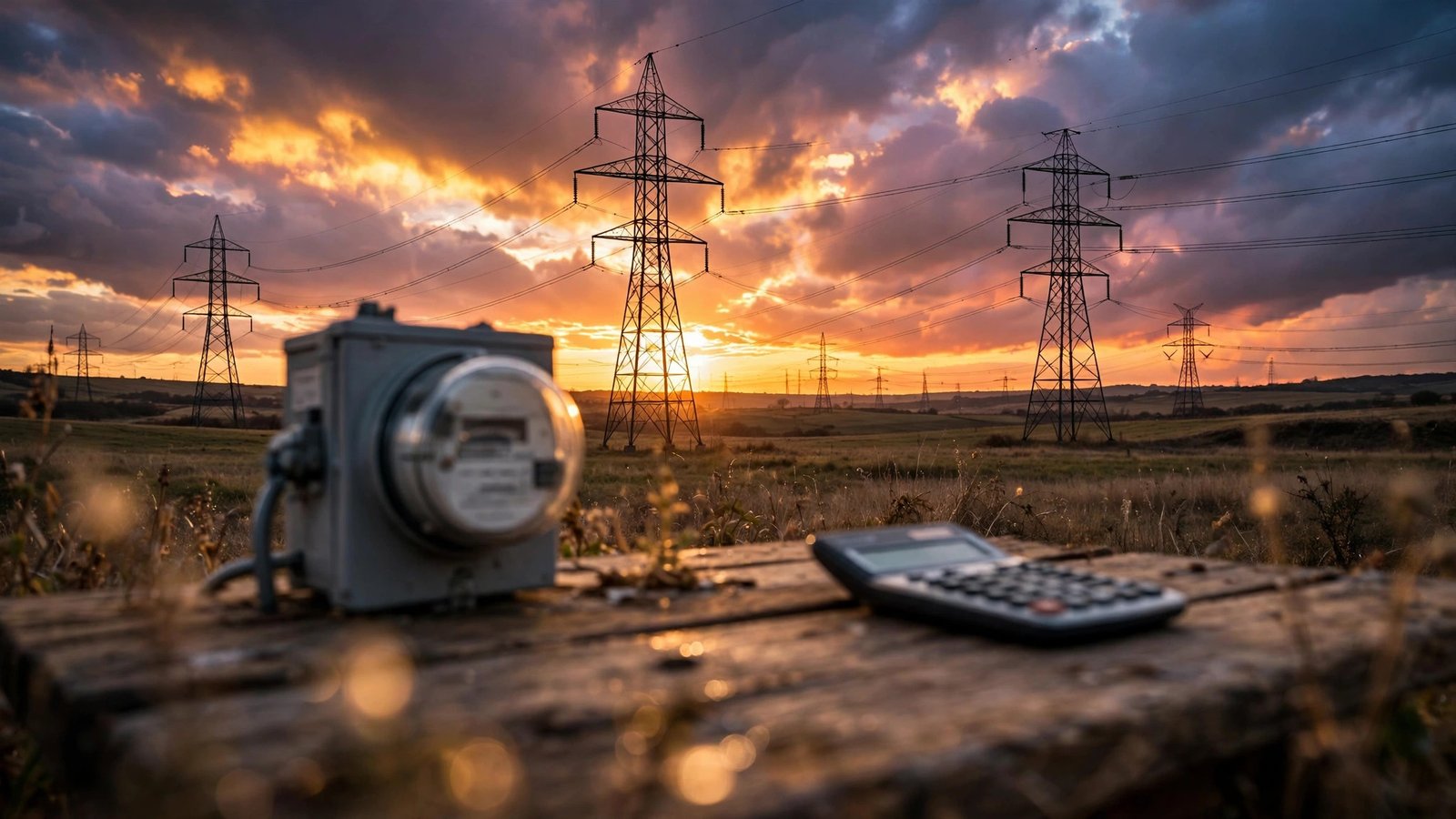
There is one gap in the plan, and NEPRA has flagged it openly. The expansion plan assessed a need for about 600 MW of battery energy storage systems, backed by 1,500 megawatt-hours of storage, at an estimated cost of $900–910 million. Batteries would store surplus solar power during the day and release it in the evening, when demand peaks and the sun has set.
But NEPRA has not approved the battery investment at this stage. It has excluded storage from the approved base case and directed the Independent System and Market Operator to carry out a detailed technical and economic assessment before the investment can be considered again.
That matters because solar power’s biggest weakness is timing: panels produce most when the sun is high and nothing when it sets, while household demand peaks in the evening. Without storage, the grid will need other ways to balance the evening peak — gas plants, hydro or demand management — even as solar becomes the dominant new source.
For now, the direction is set: 15,206 MW of clean capacity, 93 percent of everything new, and a grid that by 2035 will be more than 60 percent renewable. The test, as with every Pakistani power plan, will be delivery — turning approved megawatts on paper into panels, turbines and dams on the ground.
Related Posts
 TechnologyGlobal Memory Shortage Hits Smartphones: Qualcomm Says Brands Are Cutting Production as Prices Surge
 TechnologyElon Musk Says He Feels “Pretty Foolish” After Spending Nearly $500 Million on Republicans
 TechnologyGoogle Rolls Out Gemini 4 Neon Today: Faster Frontier AI for Pro and Ultra Users
 TechnologySamsung Galaxy Z Fold 8 and Fold 8 Ultra Win CES 2027 Best of Innovation
 TechnologyGTA 6 Launches in Pakistan Today: Unlock Times, the New Zealand Early-Access Trick and the PSN Outage Before Release
 TechnologyOpenAI Is Building Its Own Phone — Foxconn to Assemble It, Launch Expected in 2027 or 2028
Most Popular
 How-ToPTA Tax Calculator 2026: Check Mobile Tax on Any Phone420 views
 Pakistan NewsPIA Boeing 787 Lease Deal: What It Means for the Airline396 views
 Canada JobsTech Jobs in Canada: Roles, Salaries, and Skills Needed392 views
 SportsUEFA Champions League 2026-27: Format, Teams and Schedule389 views
 TechnologyPM Shehbaz Sets November Deadline for Alibaba AI and Digitalisation Projects in Pakistan369 views
 ShowbizWomen’s Fashion in Pakistan 2026: Trends, Brands and Style Guide366 views