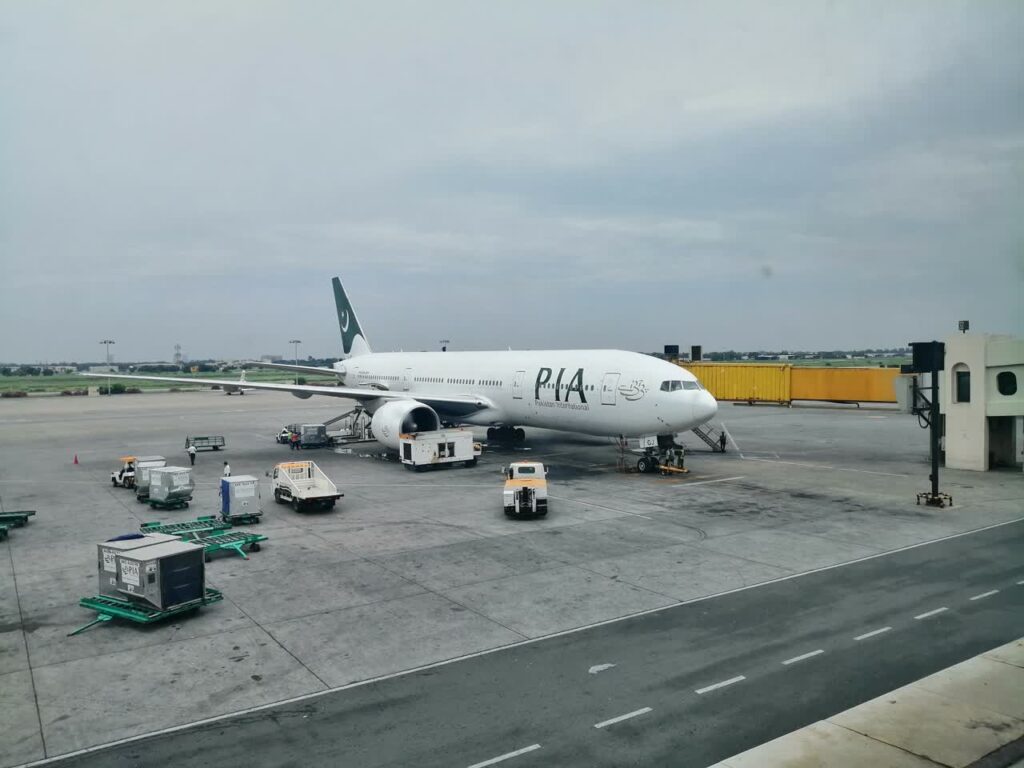
Prime Minister Shehbaz Sharif has ordered smart scanners at Pakistan airports to be switched on at the earliest, in a fresh push to cut waiting times for travellers and tighten the net on smuggling.
Chairing the weekly review meeting on the Federal Board of Revenue (FBR) on Tuesday, the prime minister directed that the new scanning systems be made operational at all international airports across the country as soon as possible. The meeting was told that the systems are already being installed at Pakistan’s major international airports with the help of the relevant agencies.
Once the scanners are running, they will change the way every passenger’s luggage is handled. Instead of manual checks by customs officers, bags will be scanned automatically and routed to either the Green Channel or the Red Channel, depending on what the scan shows. The prime minister also directed the authorities to speed up customs clearance, immigration and other airport operations.
What the smart scanners will change for travellers
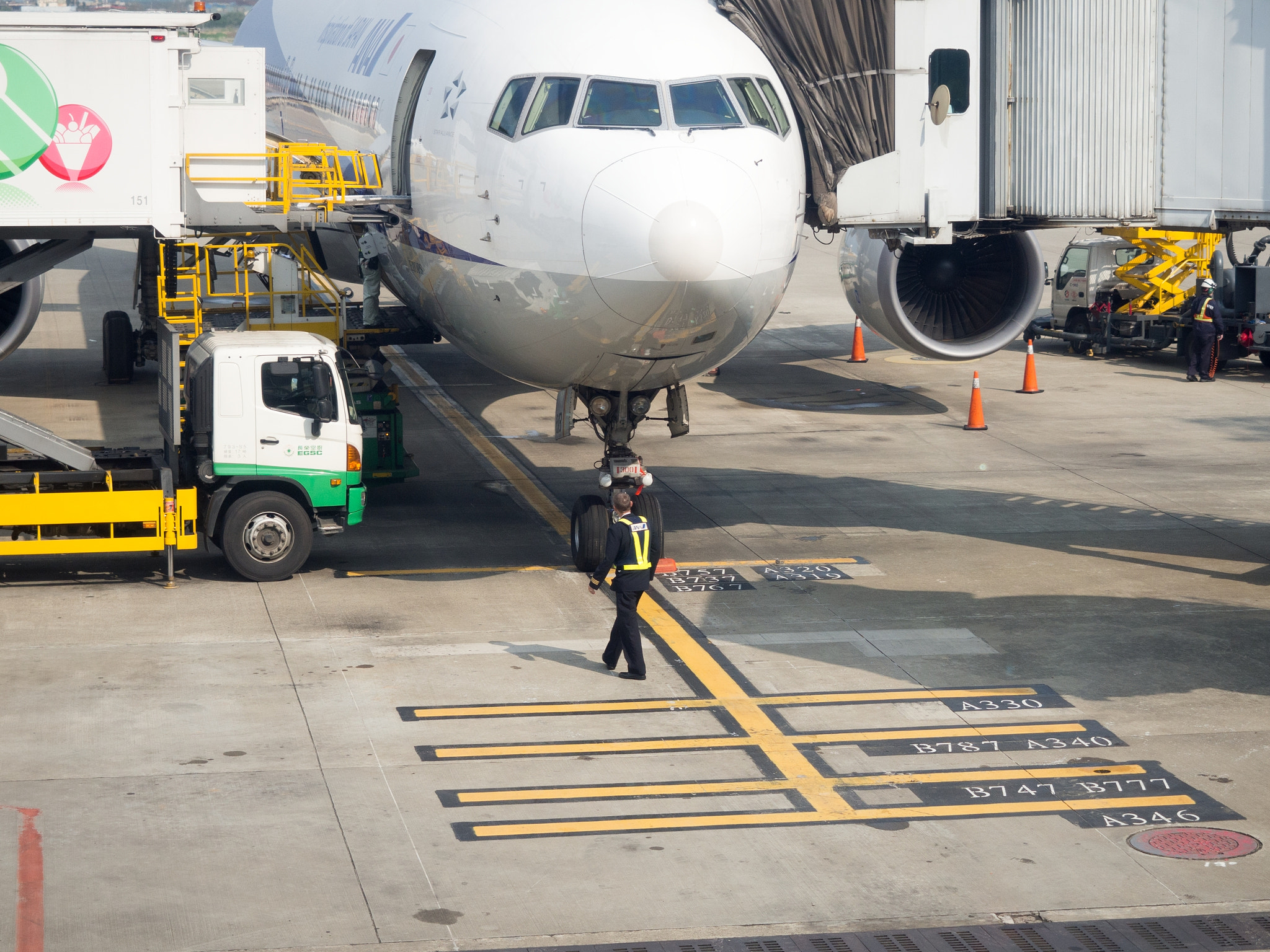
For passengers, the promise is a faster and less stressful arrival. Manual baggage inspection has long been one of the most complained-about parts of flying into Pakistan, with travellers facing long queues and repeated questioning at customs counters. An automated system should move bags through in minutes, with only flagged luggage pulled aside for a closer look.
The change matters most at the country’s busiest gateways — Karachi, Lahore and Islamabad — where international arrivals peak late at night and early in the morning. Airport officials have said the scanners will bring screening in line with international practice, where most airports rely on automated systems rather than hand searches.
The prime minister has made passenger convenience a central part of the airport reform drive. He has repeatedly told officials that no traveller should face unnecessary questioning or harassment, and that staff at airports should be trained to serve passengers with courtesy and respect for human dignity.
A second push after the October order
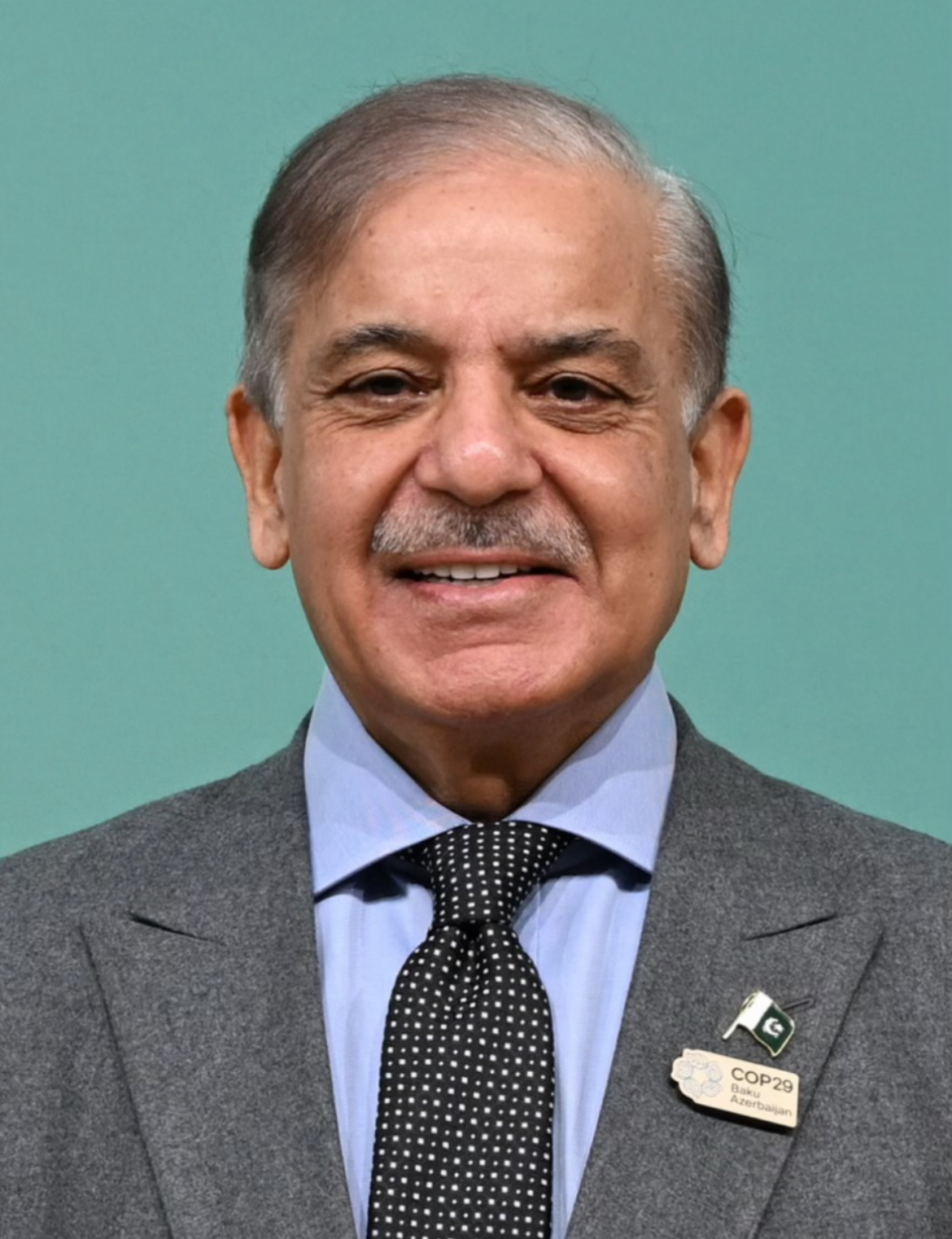
Today’s directive is not the first time the prime minister has ordered smart scanners at Pakistan airports. On 10 October 2026 he directed the immediate installation of the systems at all international airports, ordered that they be imported by air, and told officials to replace outdated baggage inspection procedures with an automated screening system in line with international practices.
Six weeks on, the systems are being installed but are not yet fully operational. Tuesday’s meeting was, in effect, a progress check — and a signal that the government wants the rollout finished quickly rather than left to drift. The prime minister chaired the same weekly FBR review meeting, with the same message: get the scanners working, and get them working soon.
The meeting also reviewed tax collection and the wider operations of the FBR. Deputy Prime Minister and Foreign Minister Muhammad Ishaq Dar, Finance and Revenue Minister Muhammad Aurangzeb, Economic Affairs Minister Ahad Khan Cheema, IT and Telecom Minister Shaza Fatima, Petroleum Minister Ali Pervaiz Malik and Minister of State for Finance Bilal Azhar Kayani attended, along with senior officials.
Cargo tracking and the bonded warehouse inquiry
The airport scanners are only one part of a wider customs modernisation plan. The meeting was told that work is under way on a modern cargo tracking system, which will connect shipments to a single digital platform from loading to delivery. The aim is to close the sales tax gap and make smuggling harder to hide.
The prime minister also turned to a recent inquiry into bonded warehouses, which revealed tax irregularities by oil marketing companies. He directed that action be taken and recoveries made without any discrimination, a message aimed at both the companies involved and the officials responsible for oversight.
The FBR has also been tightening its own house in recent weeks, requiring officers to declare social media accounts, foreign trips and club memberships through a new asset declaration portal. Airports are also hiring: the Airport Security Force has advertised 1,036 posts, with applications closing on 6 December. The crackdown on smuggling also reaches the markets: used smartphone imports surged to 98,383 units in October as local assembly fell.
Whether the scanners deliver on their promise will depend on how quickly they are switched on — and on whether the automated routing actually replaces the manual checks, rather than adding a new layer on top of them. For now, the prime minister’s message is clear: the technology is bought, the installation is under way, and travellers should see the difference soon.
Related Posts
 TechnologyUS Blacklists Megaspeed Over Nvidia Chip Diversion Fears as Jensen Huang Returns as CEO
 TechnologyAMD Launches 6th Gen EPYC 9006 Server Chips With 256 Cores to Power the AI Agent Era
 TechnologyMeta’s AI Chief Warns “Superintelligence Is Arriving” — and Lawmakers Want to Ban It
 TechnologyGoogle DeepMind Quantum Algorithms Now Up to 290 Times Cheaper, Thanks to AI Agents
 TechnologyZ.ai Releases GLM-5.4 With Loop Transformer Architecture and Vision for Coding
 TechnologyOpenAI and Cisco Launch Shirudo: An AI Shield That Protects Linux Servers Without a Reboot
Most Popular
 How-ToPTA Tax Calculator 2026: Check Mobile Tax on Any Phone421 views
 Pakistan NewsPIA Boeing 787 Lease Deal: What It Means for the Airline396 views
 Canada JobsTech Jobs in Canada: Roles, Salaries, and Skills Needed394 views
 SportsUEFA Champions League 2026-27: Format, Teams and Schedule390 views
 TechnologyPM Shehbaz Sets November Deadline for Alibaba AI and Digitalisation Projects in Pakistan370 views
 ShowbizWomen’s Fashion in Pakistan 2026: Trends, Brands and Style Guide366 views