The United States has blacklisted Megaspeed International, the Singapore-based Nvidia customer at the centre of a suspected China chip-smuggling investigation, in one of the sharpest export-control moves of the year. The action landed on Monday 23 November 2026 — the very same day Nvidia reinstated Jensen Huang as chief executive.
The US Commerce Department’s Bureau of Industry and Security added Megaspeed International Pte. Ltd. and six related companies to its Entity List, the trade blacklist that forces American firms to seek a licence before selling them US-origin technology. The rule was posted for public inspection on 23 November and took effect the same day, with formal publication in the Federal Register set for 25 November. It is the first new Entity List addition in 410 days.
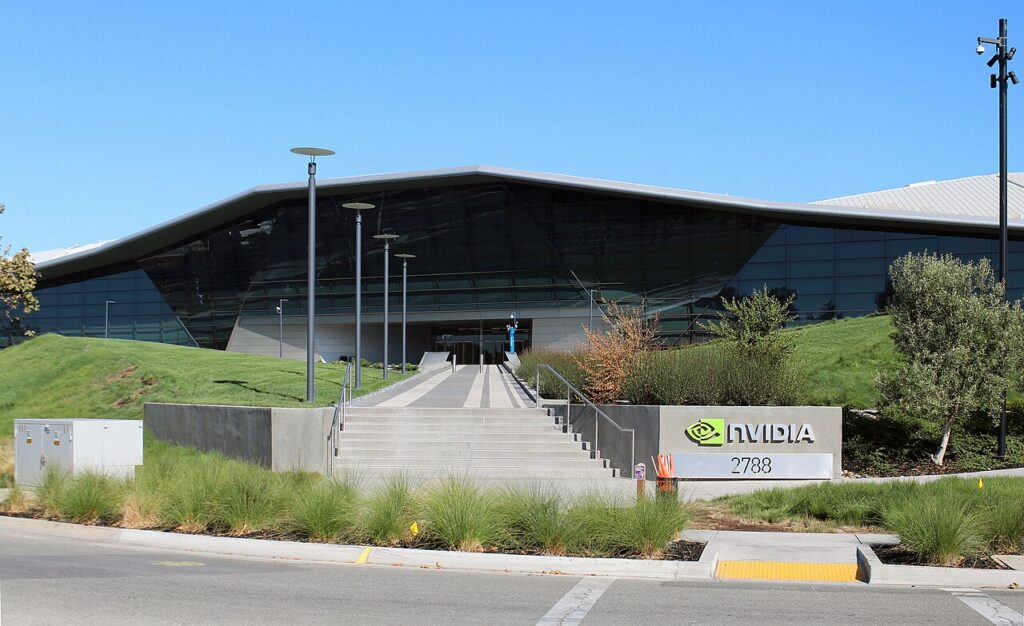
Nvidia reinstated Jensen Huang as chief executive on the same day. Huang had resigned on 12 November 2026, with chief financial officer Colette Kress taking interim charge. Nvidia’s board voted unanimously to bring him back after consulting senior US government officials, and the company said it was confident his return created no national security risk.
Tech Times and Silicon UK reported the listing in detail.
Seven companies across three countries
The blacklist reaches beyond Megaspeed itself. In Singapore, the rule names Megaspeed International Pte. Ltd. — listed under the alias 7Road International, its name before a March 2023 rebrand — along with Swiftdata Pte. Ltd. and Apex Enterprise Solutions (Singapore) Private Limited. In Malaysia it names PT Megaspeed International, MSFusion Sdn. Bhd. and Speedmatrix Sdn Bhd, and in Thailand it names Megaspeed (Thailand) Co., Ltd.
Anyone sending US-origin items to any of the seven now needs a licence, and the Commerce Department will presume the application should be denied. A savings clause covers shipments already on their way under existing orders, which may proceed if completed within 30 days — by 23 December. The stated reason for the listing is a significant risk that the companies could divert advanced computing goods to unauthorised end users or end uses.
The action is a regulatory step, not a criminal charge or a court finding. Megaspeed has denied wrongdoing and describes itself as a legitimate and lawful business. A separate criminal investigation led by the Justice Department is under way, and a joint Commerce and Justice statement on 16 November announced no charges against the company.
The Nvidia connection
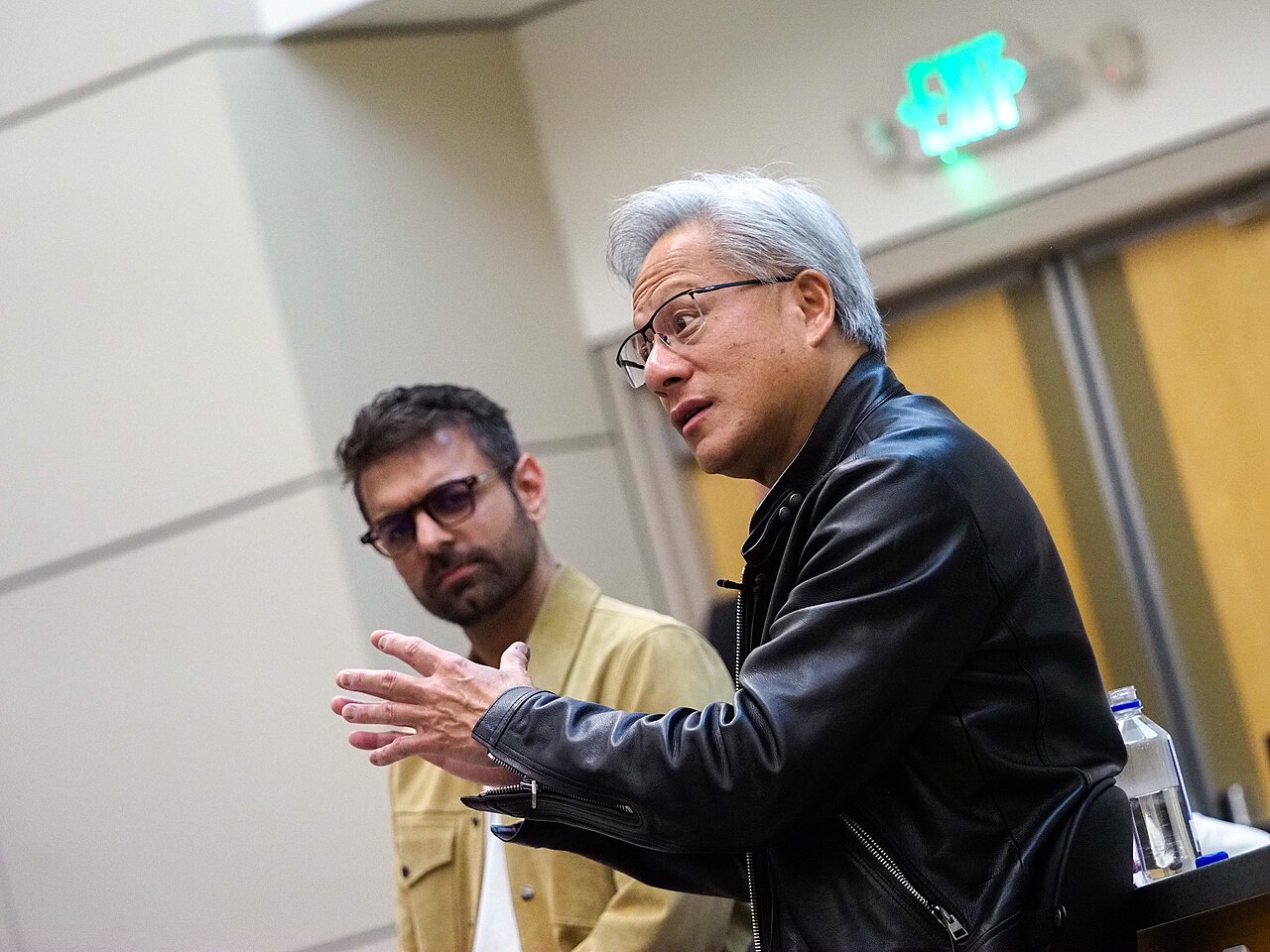
Megaspeed was one of Nvidia’s biggest customers, and the case has become the most politically charged episode in the global AI chip trade. According to reporting by the New York Times, US intelligence agencies concluded that a top Megaspeed executive, Alice Huang, acted as a Chinese intelligence asset — a claim cited in a 10 November 2026 letter from Senator Michael Bennet demanding action. The site has previously reported that Jensen Huang admitted an affair as Nvidia opened an investigation into a suspected Chinese spy.
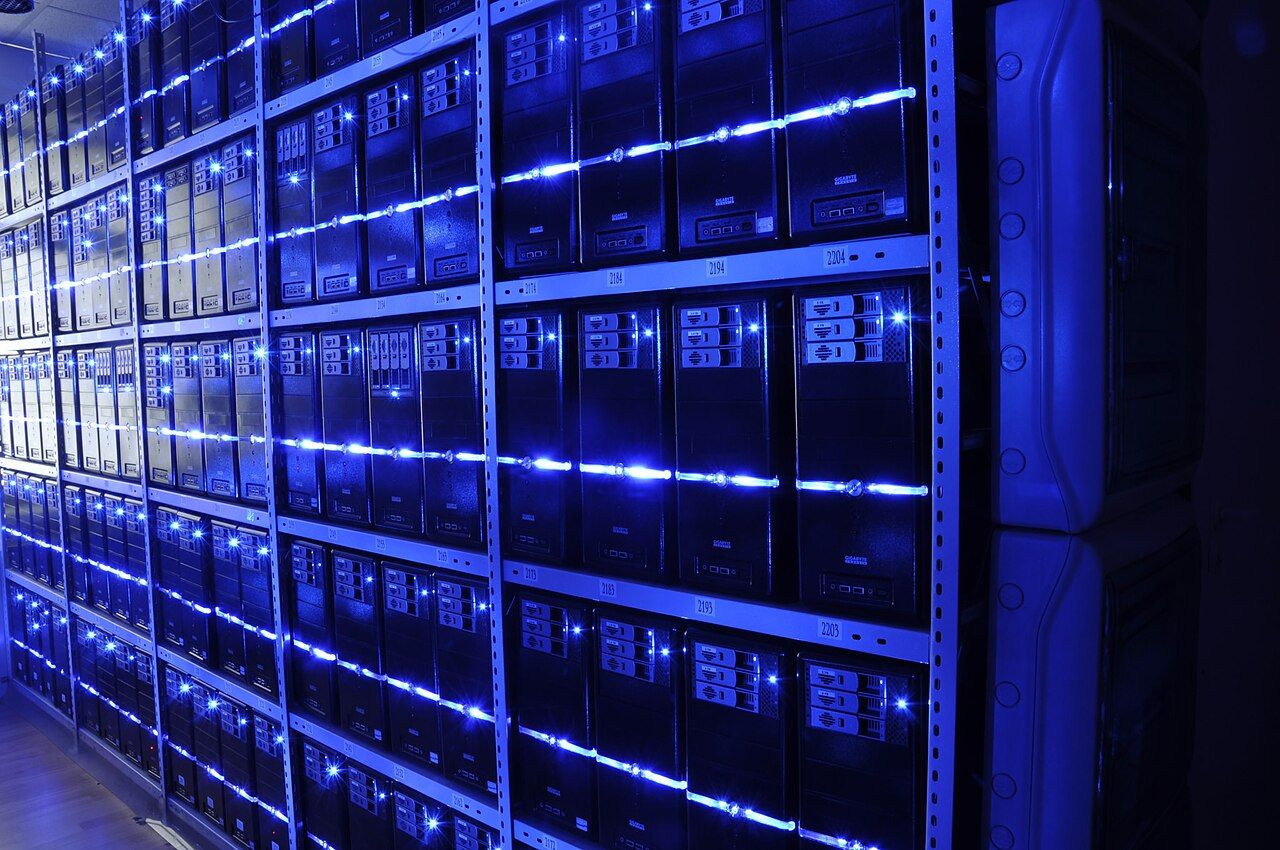
The commercial model at the heart of the case is known as neocloud. Reports describe a structure in which Megaspeed raised money, bought Nvidia chips and placed them in other companies’ data centres so customers could rent the computing power remotely. Investigators suspect some of that hardware may have reached China, in breach of US export controls. Nvidia had already stopped shipping its H200 AI chips to China as Washington tightened its rules.
The Commerce Department’s investigation began in 2024. It sought Nvidia’s sales records for Megaspeed in May 2025, and Nvidia added the firm to its do-not-sell list a month later. Pressure to act then built in Congress: Senator Bennet’s letter demanded an update by 24 November and called for punitive measures including an Entity List designation. Treasury Secretary Scott Bessent said earlier this month that his department, the Pentagon, the State Department and the US Trade Representative had all favoured listing Megaspeed “for months”.
Why the blacklist may not stop the chips
The listing has already drawn criticism from former officials who say it may change less than it appears. Chris McGuire, a former senior director for technology and national security at the National Security Council, pointed out that the rule omits the foreign direct product rule that would cover Taiwan-made Nvidia chips — the chips are manufactured in Taiwan, not the United States, so US export rules reach them only through that provision. Without it, he argued, the listing has “zero effect” on Megaspeed’s ability to buy AI chips.
Others read the timing differently. Peter Harrell, who held the National Security Council’s senior international economics portfolio in the previous administration, noted that the listing came the very day Nvidia’s board reinstated Jensen Huang — a signal, in his view, that Washington is drawing a line around the chip trade even as it clears the way for Nvidia’s leadership to stabilise.
Nvidia is also facing an SEC accounting probe and a California criminal investigation. For the company, the twin developments of 23 November — its chief executive restored and its biggest controversial customer blacklisted — close one chapter of a scandal that has shaken the world’s most valuable chipmaker. Whether the blacklist actually cuts off the flow of advanced chips to China will depend on the rules that follow it, and on whether Washington closes the gaps its own former officials have already identified.

Related Posts
 TechnologyAMD Launches 6th Gen EPYC 9006 Server Chips With 256 Cores to Power the AI Agent Era
 TechnologyMeta’s AI Chief Warns “Superintelligence Is Arriving” — and Lawmakers Want to Ban It
 TechnologyGoogle DeepMind Quantum Algorithms Now Up to 290 Times Cheaper, Thanks to AI Agents
 TechnologyZ.ai Releases GLM-5.4 With Loop Transformer Architecture and Vision for Coding
 TechnologyOpenAI and Cisco Launch Shirudo: An AI Shield That Protects Linux Servers Without a Reboot
 TechnologyCrowdStrike Buys Zscaler in $43.9 Billion Deal — the Biggest Cybersecurity Acquisition Ever
Most Popular
 How-ToPTA Tax Calculator 2026: Check Mobile Tax on Any Phone421 views
 Pakistan NewsPIA Boeing 787 Lease Deal: What It Means for the Airline396 views
 Canada JobsTech Jobs in Canada: Roles, Salaries, and Skills Needed394 views
 SportsUEFA Champions League 2026-27: Format, Teams and Schedule390 views
 TechnologyPM Shehbaz Sets November Deadline for Alibaba AI and Digitalisation Projects in Pakistan370 views
 ShowbizWomen’s Fashion in Pakistan 2026: Trends, Brands and Style Guide366 views