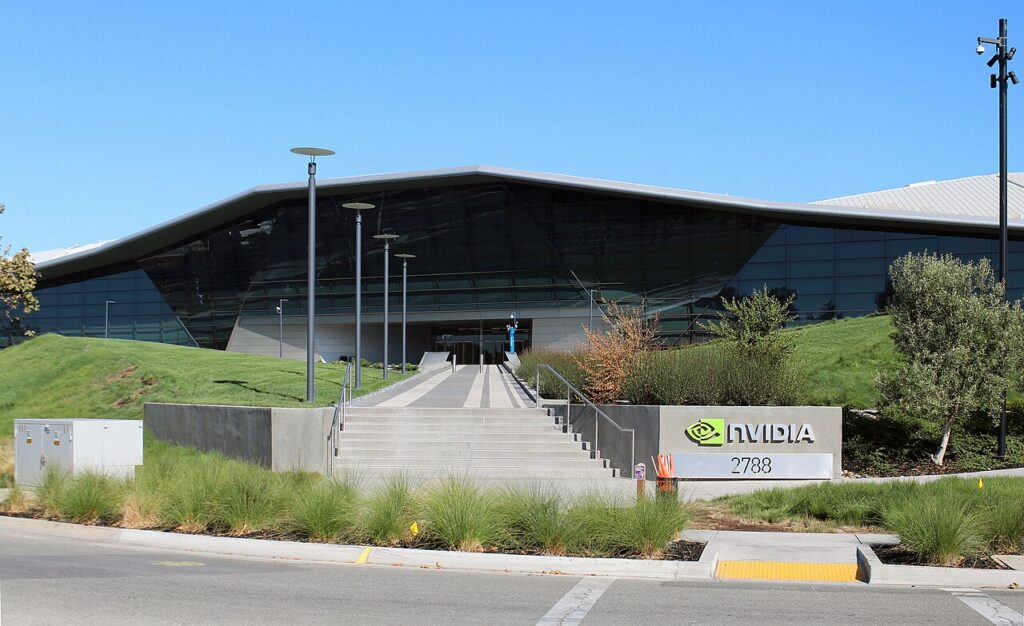
Nvidia H200 shipments to China have stopped, interim chief executive Colette Kress has confirmed, closing a $2.4 billion sales channel just as Washington tightens its export rules on advanced artificial intelligence chips.
Kress made the announcement on Nvidia’s fiscal third-quarter earnings call on Tuesday, telling investors the company was no longer sending its licensed Hopper data-centre products to China and had removed them entirely from its sales forecasts. “Our guidance does not have any licensed Hopper data center products included, and we are no longer shipping licensed Hopper data center products to China,” she said. She did not explain why the shipments had stopped, or say whether the halt would be permanent.
What Kress told investors
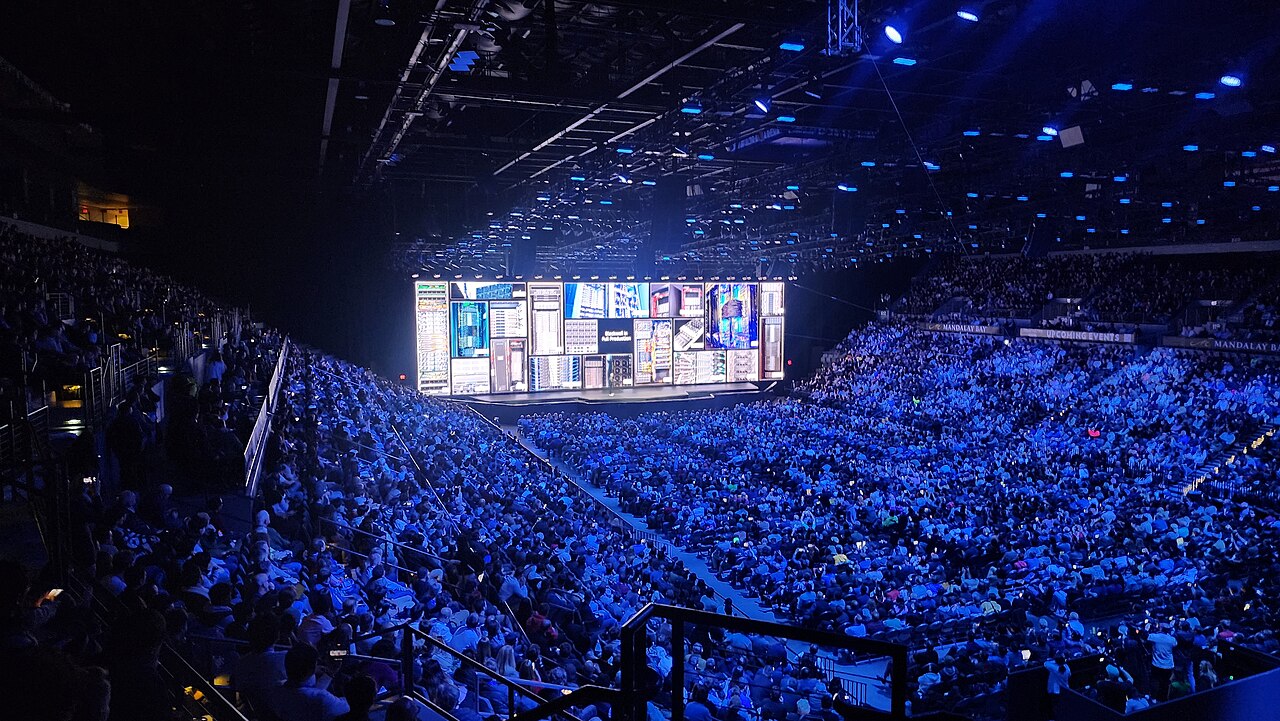
Nvidia sold $2.4 billion worth of licensed Hopper-generation data-centre products to China in the quarter ended 25 October, Kress said on the call — about 2.2 percent of the company’s data-centre revenue for the period. The Hopper family includes the H200, a powerful processor used to train and run advanced AI models. The chips are manufactured for Nvidia in Taiwan by TSMC, the world’s largest contract chipmaker.
It was Nvidia’s first earnings call since co-founder Jensen Huang stepped down as chief executive last week. Kress, who is also the company’s chief financial officer, is leading Nvidia on an interim basis. On the same day, Nvidia created a board-level National Security and Export Control Oversight Committee to cover national-security policy, export-control compliance and global-trade risk.
The wider business remains strong. Nvidia reported third-quarter revenue of $115.8 billion, up 103 percent from a year earlier, and forecast fourth-quarter revenue of $130 billion, plus or minus 3 percent.
The $2.4 billion channel that has now closed
The H200 channel existed because of a special licensing arrangement negotiated earlier this year. In January, the United States eased its licensing policy for the H200, allowing export applications to be reviewed individually subject to security conditions. The arrangement was brokered by Huang and President Donald Trump, and the chips were routed through the United States so the government could collect a 25 percent tariff.
Washington approved H200 sales to 10 Chinese companies, including Alibaba, Tencent and TikTok owner ByteDance. For Nvidia, the channel was small beside its wider data-centre business, but it was the company’s only legal route for selling its most advanced AI accelerators into China.
That route is now closed. Kress told investors there were no current plans for further shipments, and the company’s forecasts no longer include any licensed Hopper revenue from China.
New US rules target remote access too
The halt came a day after the US Commerce Department’s Bureau of Industry and Security issued new rules on Monday 16 November. The rules require prior export licences for shipping advanced chips to data centres that provide remote computing capacity to Chinese customers — closing a workaround in which Chinese firms could rent computing power from servers abroad instead of buying the chips directly.
The regulation takes effect when it is formally published in the Federal Register. It extends American export controls beyond direct deliveries into China and into the cloud-computing services that Chinese AI firms rely on.
China had already turned away from the H200
Even before Nvidia’s announcement, the H200 was struggling to find buyers in China. Beijing has restricted imports of the chip as it tries to reduce dependence on American technology, and Chinese companies had largely refused deliveries.
The policy push suits China’s domestic chipmakers, which Beijing wants to build into alternatives to Nvidia hardware. Chinese AI firms still face strong demand for computing power, but the government’s message has been clear: the country’s AI future should run on home-grown chips wherever possible.
What it means for Nvidia and the AI chip race

For Nvidia, the financial cost looks manageable. Kress told investors that a backlog of demand for chips such as Vera Rubin, the company’s next-generation platform, meant the new rules would have no impact on top-line revenue. Data-centre demand from customers outside China remains far larger than anything the H200 channel contributed.
The bigger story is political. The H200 halt marks the end of the last licensed channel for advanced American AI chips into China, and it shows how export policy — not just technology — now shapes the AI race. Washington is tightening the rules, Beijing is betting on its own chipmakers, and Nvidia, the world’s most valuable chipmaker, is caught in the middle.
What happens next will depend on whether China retaliates, whether its domestic chips can close the performance gap, and whether Washington extends the controls further. For now, one fact is settled: no more H200 chips are heading to China.
Related Posts
 TechnologyGTA VI Sells 24.6 Million Copies on Day One — $2.36 Billion in Estimated Sales
 TechnologyGTA 6 Sales Pass $2.36 Billion on Day One as 24.6 Million Copies Sell
 TechnologyGoogle Android Developer Verification Goes Global in January 2027: What Changes for Sideloading
 TechnologyAnthropic Shares Close First Nasdaq Day at $97.17 — Up 17% After a $111.50 Open
 TechnologyPotatoes Grown in Simulated Moon Soil Match Earth Yields — and They Are Safe to Eat
 TechnologyIntuit Sells Mailchimp to Bending Spoons for $3.68 Billion — Less Than a Third of Its 2021 Price
Most Popular
 How-ToPTA Tax Calculator 2026: Check Mobile Tax on Any Phone420 views
 Pakistan NewsPIA Boeing 787 Lease Deal: What It Means for the Airline396 views
 Canada JobsTech Jobs in Canada: Roles, Salaries, and Skills Needed392 views
 SportsUEFA Champions League 2026-27: Format, Teams and Schedule389 views
 TechnologyPM Shehbaz Sets November Deadline for Alibaba AI and Digitalisation Projects in Pakistan370 views
 ShowbizWomen’s Fashion in Pakistan 2026: Trends, Brands and Style Guide366 views




2 comments