Pakistan Calls for Responsible, Equitable Use of AI for Maritime Security at UN Security Council
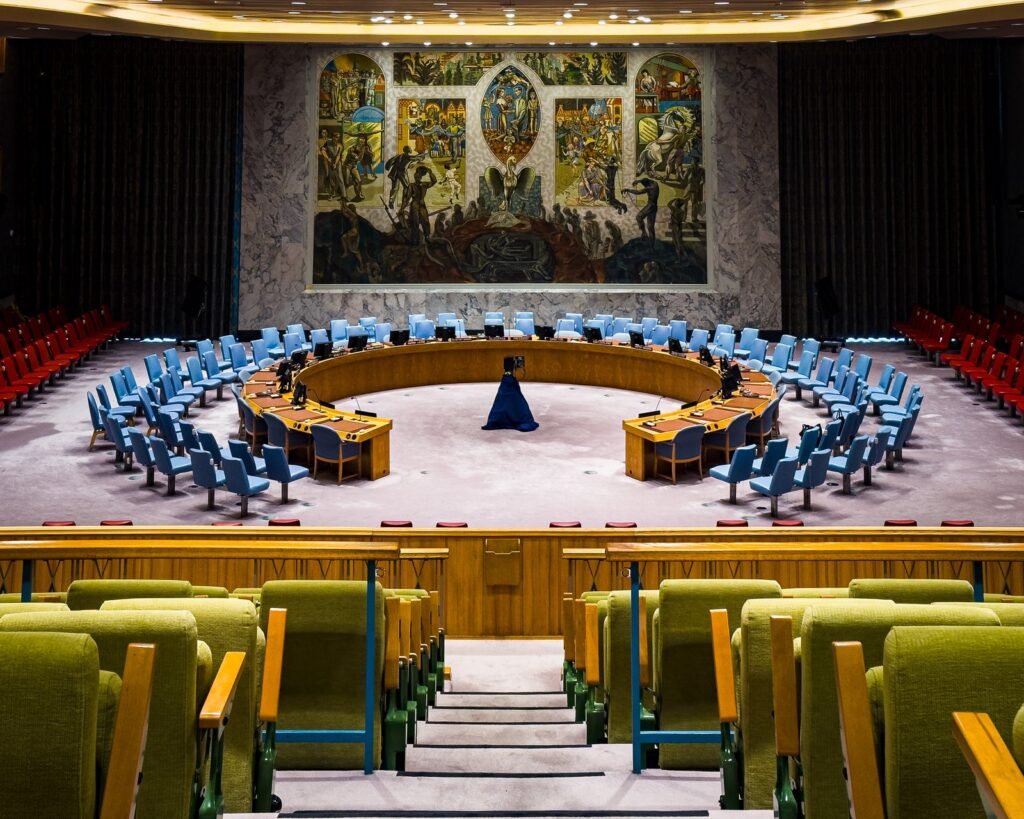
Pakistan has called for the responsible and equitable use of artificial intelligence and emerging technologies to strengthen maritime security, prevent their misuse, and safeguard international peace. The appeal was made by Ambassador Usman Jadoon, Pakistan’s Acting Permanent Representative to the United Nations, during a high-level open debate of the UN Security Council on 29 October 2026 on the implications of technological advancements for maritime stability.
Addressing the Council, Ambassador Jadoon pressed for a universal regulatory framework for emerging technologies under the auspices of the United Nations, arguing that rapid technological progress, geopolitical competition and maritime security are now deeply intertwined. He observed that machine learning, blockchain and unmanned autonomous systems are transforming the maritime landscape while introducing significant risks of miscalculation.
What Pakistan Told the Security Council

Ambassador Jadoon told the Council that emerging technologies should be harnessed for humanitarian objectives, including providing essential relief to seafarers at risk of piracy. He stressed that maritime safety and security must remain a priority so that global shipping does not become a casualty of geopolitical confrontation.
Pakistan also reaffirmed the centrality of international law in governing the seas, describing the United Nations Convention on the Law of the Sea (UNCLOS) as the foundational document of the maritime order. The ambassador noted that instability in critical corridors such as the Strait of Hormuz and the Bab-al-Mandab directly threatens global economic health, and reiterated Pakistan’s full support for the sovereignty and territorial integrity of Saudi Arabia, expressing solidarity with its people against Houthi aggression.
Drone Swarms, Cyberattacks and the New Threats at Sea
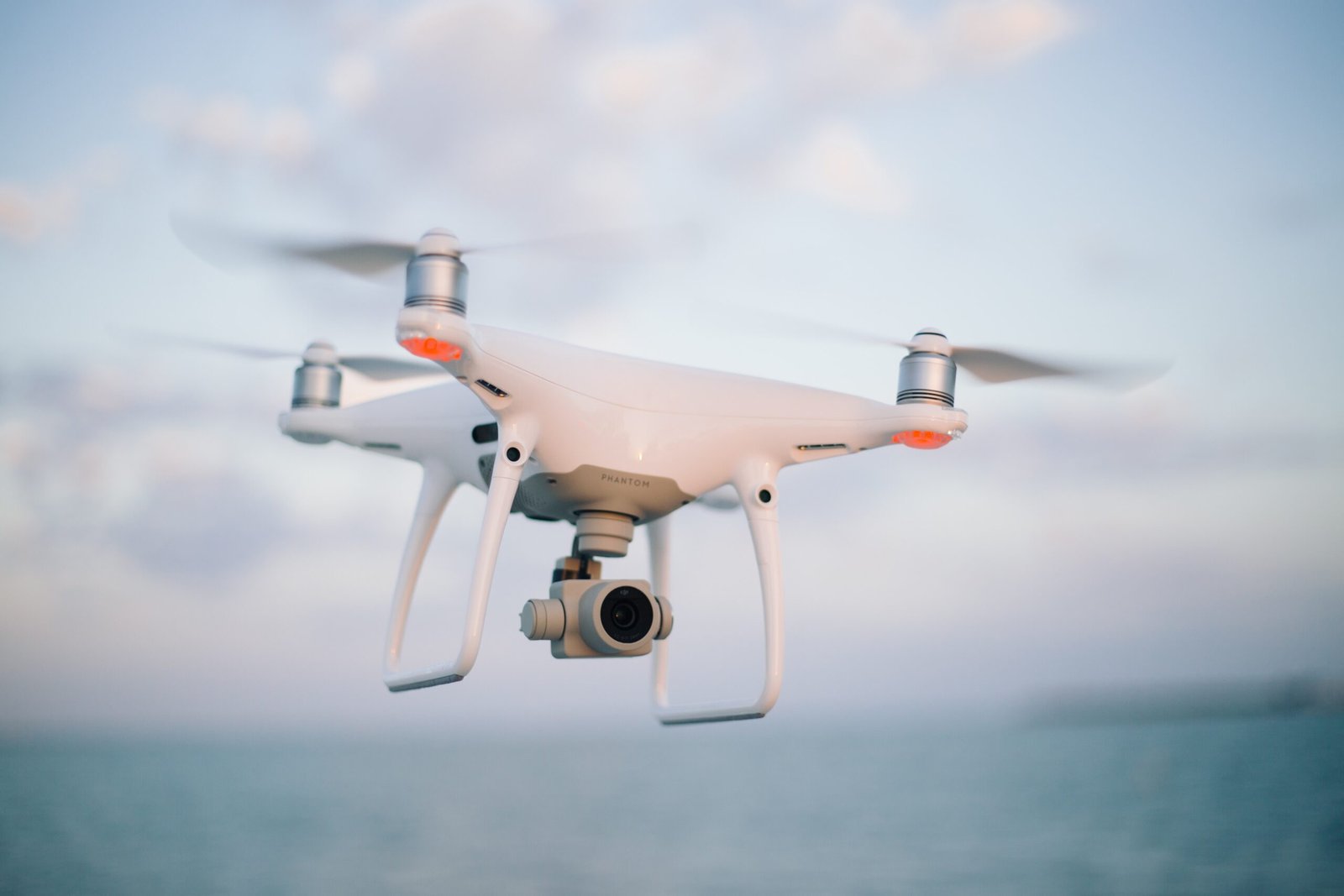
The ambassador cautioned that the increasing availability of drone swarms and loitering munitions has heightened threats to merchant shipping and critical infrastructure. At the same time, the digitalisation of port operations and navigation systems has expanded exposure to sophisticated cyberattacks, creating vulnerabilities that no single state can address alone.
Pakistan strongly condemned the Houthi militia attacks on merchant shipping and seafarers within the Bab-al-Mandab Strait, calling them a direct threat to international maritime security and regional stability. The remarks reflect growing international concern that new technologies are lowering the barrier to disrupting vital sea lanes on which global energy, food and economic security depend.
A Universal Regulatory Framework Under the UN
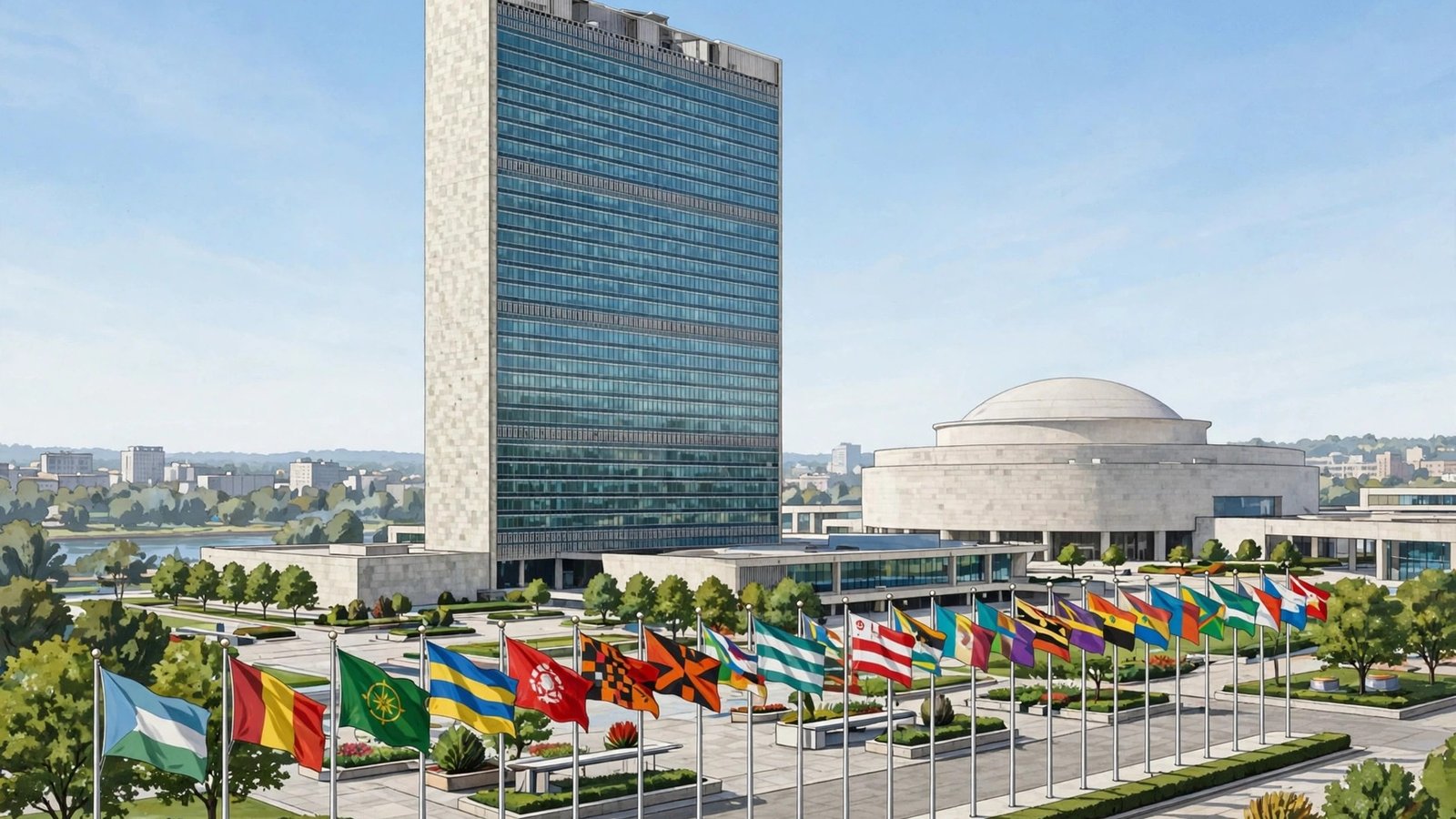
Emphasising the need for a balanced and inclusive strategy, Ambassador Jadoon advocated the establishment of a universal regulatory framework under the UN to govern emerging technologies such as AI and autonomous systems. He also highlighted the urgent need for capacity-building programmes tailored for developing countries, particularly those in the Global South, so that the benefits of new technology are shared equitably rather than concentrated in a few hands.
Concluding his remarks, the ambassador affirmed Pakistan’s commitment to multilateralism and to ensuring that the oceans continue to function as zones of peace, cooperation and economic development rather than theatres of military competition.
Why Maritime Security Matters for Pakistan

As a littoral state with a significant reliance on seaborne trade, Pakistan views secure sea lanes as vital for regional and global stability. Disruptions in maritime corridors can quickly ripple through energy supplies, food prices and trade flows — costs that fall hardest on developing economies. Pakistan’s intervention at the Security Council positions the country as a voice for rules-based governance of emerging technology at sea, at a moment when the Council is grappling with how fast innovation is outpacing the norms that govern it.
Read also: Singapore Foreign Minister Vivian Balakrishnan in Islamabad for 60th-Anniversary Visit
Read also: United Nations 2026: Key Resolutions and Pakistan’s Role
Sources: DiplomaticNews.pk; Business Recorder via Scoop
Related Posts
 TechnologyPTA Starts Blocking WhatsApp Accounts Linked to Inactive SIM Cards
 TechnologyTelenor Pakistan Secures No.1 Position in Cybersecurity Excellence for Third Consecutive Year
 TechnologyNCCIA Cyber Patrolling: 351 Held for Online Harassment of Women as 17 Monitoring Units Go Live
 TechnologyAlphabet Stock Crash: Google Parent Loses $500 Billion in Worst Single-Day Plunge in History
 TechnologySamsung Galaxy A08 Launched in India — Pakistan Price & Launch Expected
 TechnologyPolymarket Hack: $2.7 Million Drained in One Hour as Compromised DebugBear Script Halts Trading
Most Popular
 How-ToPTA Tax Calculator 2026: Check Mobile Tax on Any Phone324 views
 SportsUEFA Champions League 2026-27: Format, Teams and Schedule313 views
 SportsBallon d’Or 2026: London Ceremony, Nominees and All-Time Records Ahead of 70th Anniversary309 views
 Canada JobsTech Jobs in Canada: Roles, Salaries, and Skills Needed293 views
 Pakistan NewsPIA Boeing 787 Lease Deal: What It Means for the Airline292 views
 TechnologyRedmi K100 Launching on 28 October: 10,000mAh Battery, 185Hz Display and Full Specs286 views