Alphabet Stock Crash: Google Parent Loses $500 Billion in Worst Single-Day Plunge in History
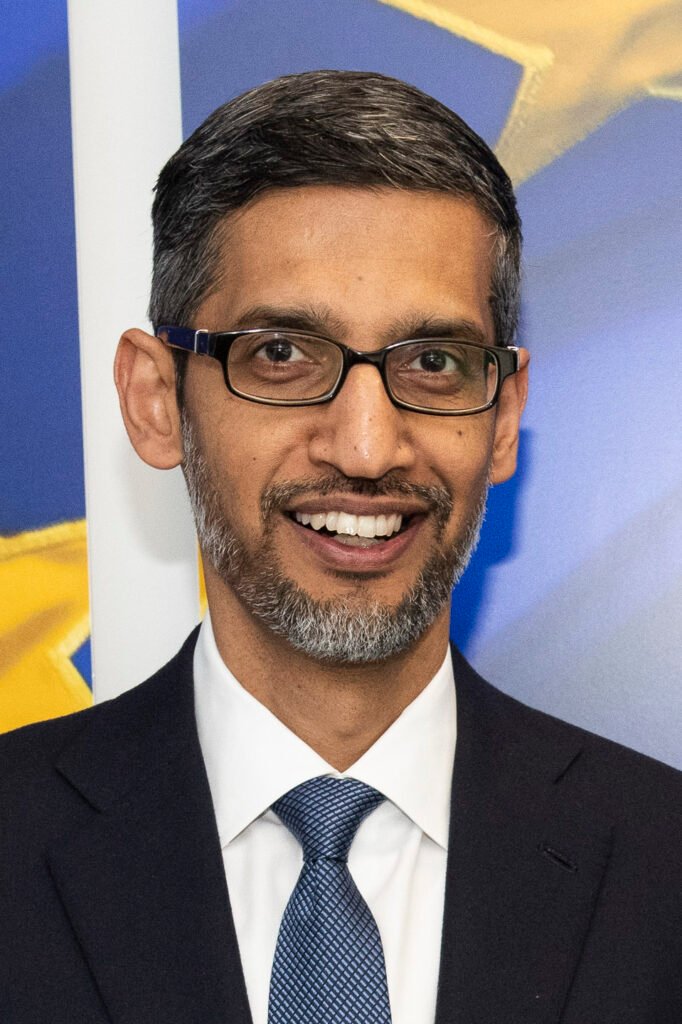
Google’s parent company Alphabet suffered the worst one-day Alphabet stock crash in its history on Thursday, as investors dumped the shares after quarterly results exposed the staggering cost of its artificial intelligence buildout. The rout wiped roughly $500 billion off the company’s value in a single session — a record for the search giant and one of the biggest one-day wealth destructions in Wall Street history.
Class A shares (GOOGL) closed 12.6 per cent lower at $283.82, while Class C shares (GOOG) fell 12.3 per cent, marking the company’s steepest single-day fall since it went public in 2004. The previous record, an 11.63 per cent slide during the Covid market panic of March 2020, was left far behind.
The scale of the Google market cap drop
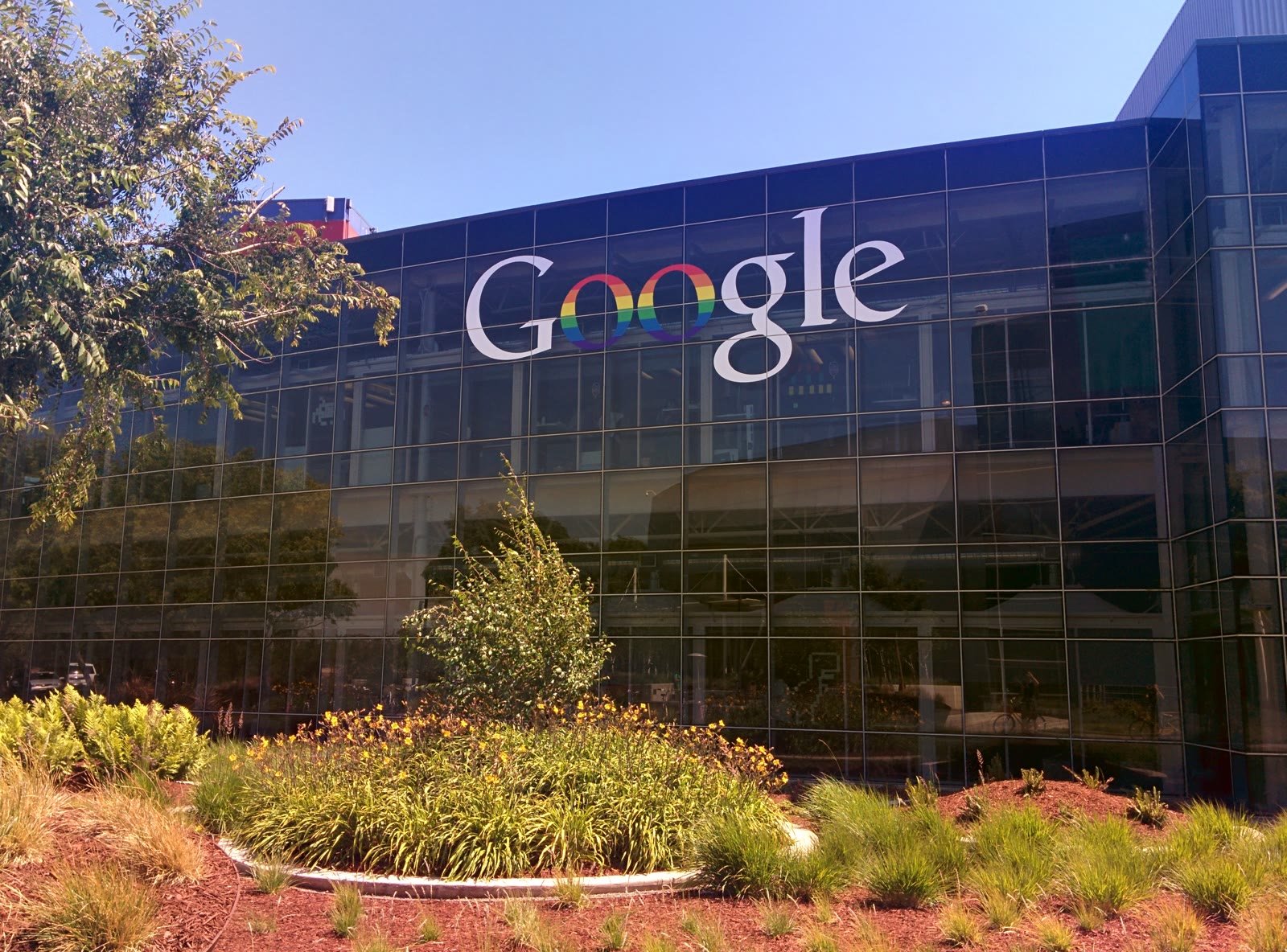
The numbers behind the Alphabet stock crash are hard to overstate. By the New York closing bell, Alphabet was worth roughly $480–500 billion less than that morning, according to The Motley Fool. That makes it the second-largest one-day market capitalisation loss in US history, trailing only Nvidia’s $593 billion DeepSeek-related plunge in January 2025.
The sell-off was so large that it dragged the wider market down with it. The Nasdaq Composite fell 1.4 per cent to 26,184.73, and the S&P 500 slipped 0.3 per cent, even though more than four out of five stocks in the S&P 500 actually finished higher. Alphabet’s enormous weight in the indices meant its fall masked what was otherwise a broadly positive trading day.
What triggered the sell-off: Alphabet Q3 earnings 2026
The direct trigger for the Alphabet stock crash was the company’s Alphabet Q3 earnings 2026 report, released after the US market closed on Wednesday 28 October. Total revenue rose 25 per cent year-on-year to $127.6 billion — a record, but just short of the $128.2 billion analysts expected.
Sales excluding payments to distribution partners came in at $111.2 billion, also below expectations. The miss was small, but in a market already nervous about how long the AI boom can keep funding itself, small misses are no longer forgiven — a lesson this Alphabet stock crash made brutally clear.
There was good news inside the numbers. Google Cloud revenue more than doubled, jumping 103 per cent year-on-year to $30.7 billion as demand for AI infrastructure surged. But the cloud division’s strength could not offset growing anxiety about the other side of the ledger: spending.
AI spending crisis: $51.4 billion in one quarter
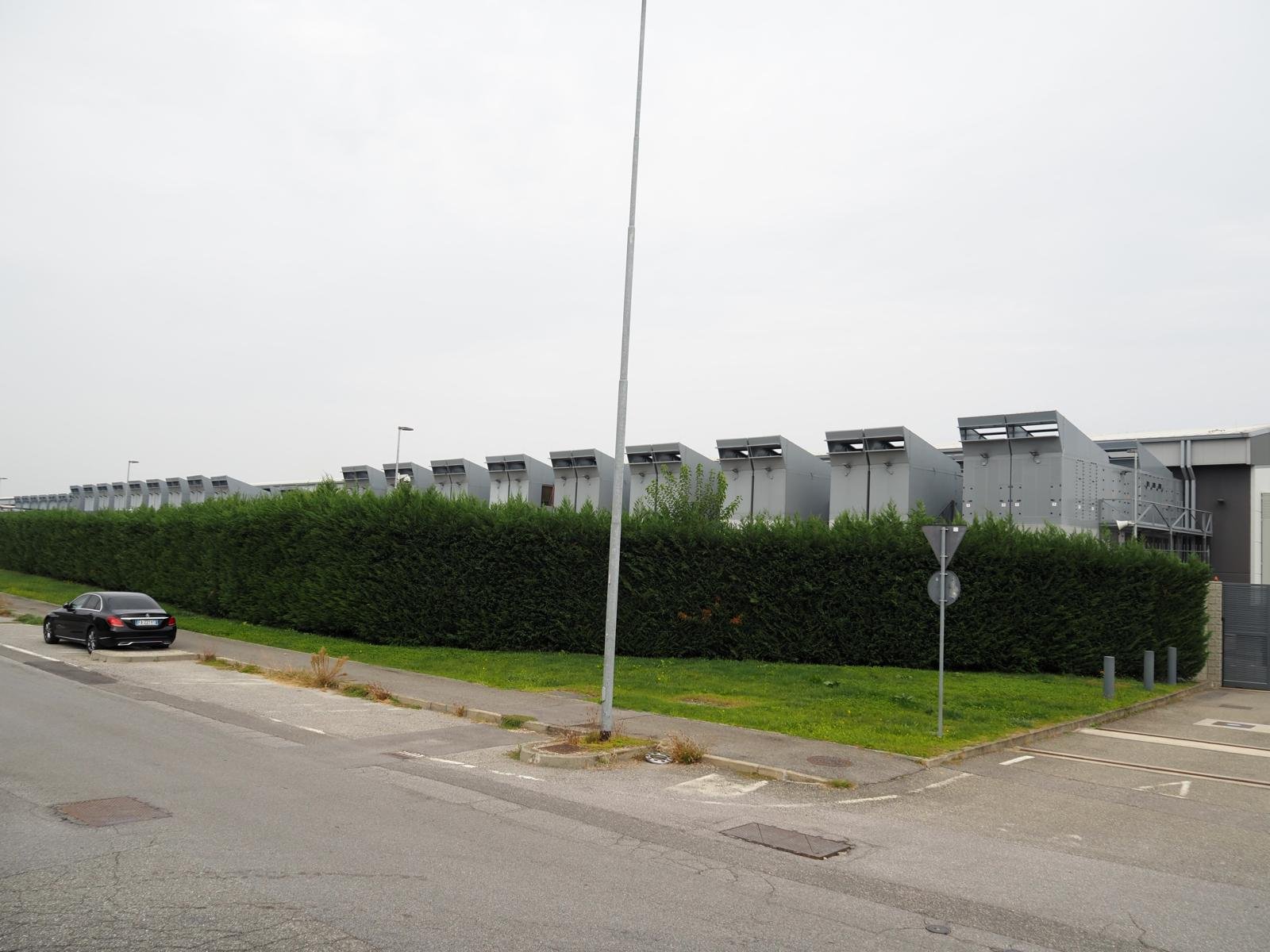
The heart of the AI spending crisis is capex. Alphabet spent a record $51.4 billion on capital expenditure in the third quarter, more than double the $24 billion it spent in the same period last year. The company kept its full-year 2026 capex guidance unchanged at $195–205 billion and warned that spending would rise significantly again in 2027.
Filings revealed that Alphabet’s future obligations — commitments for data centres, computing power and energy — have now surpassed $1 trillion. Free cash flow told the story most brutally: it came in at negative $9.07 billion, far worse than the negative $2.7 billion analysts had pencilled in. It was the company’s second consecutive quarter of negative free cash flow, something that had never happened since Alphabet went public. Investors saw the burn, and the Alphabet stock crash followed within hours of the numbers hitting the wires.
Net income fell 25 per cent year-on-year to $26.2 billion, or $2.12 per share, partly because of an $8.2 billion unrealised loss on the company’s investment in SpaceX. The Motley Fool called it Alphabet’s worst day ever, and the market agreed.
Google AI Mode ad revenue: the quiet threat to the cash cow
For years, the question hanging over Alphabet has been whether AI will save the company or eat it. On the earnings call, chief business officer Philipp Schindler gave a worrying answer: Google’s Google AI Mode ad revenue is monetising poorly, and AI-generated answers are displacing the traditional search ads that remain Alphabet’s biggest money-spinner.
The numbers back him up. Google Search advertising revenue grew just 12 per cent year-on-year to about $63.35 billion — a sharp deceleration from 17 per cent growth in the second quarter and the slowest ad-sales growth in five quarters, missing analyst expectations. Longbridge reported that Schindler explicitly linked part of the slowdown to weaker monetisation from AI Mode.
In other words, the very technology Alphabet is spending hundreds of billions on is cannibalising the business that pays for it — the uncomfortable truth at the centre of the Alphabet stock crash. For Pakistani readers, the irony is tangible: Google’s own AI products, like the recently covered Gemini models, are now part of the problem investors are repricing.
What the crash means for investors and the AI trade
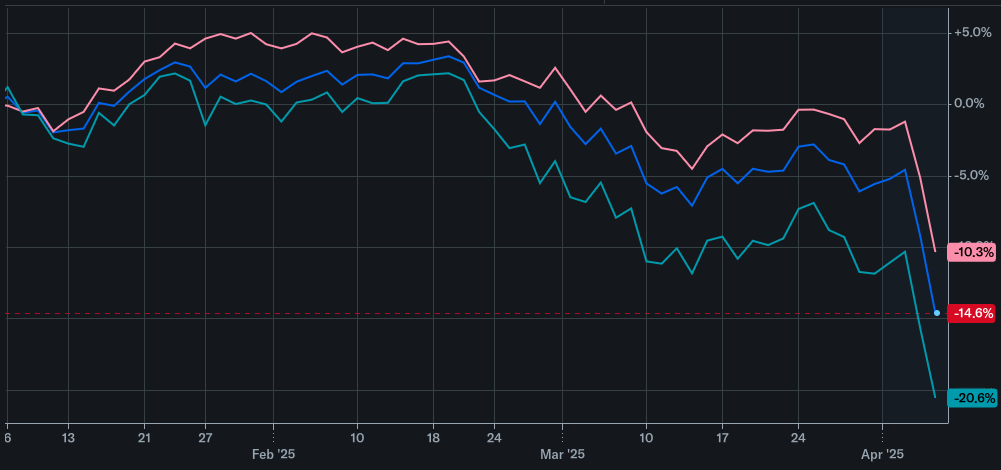
Analyst reaction to the Alphabet stock crash has been split between alarm and opportunity. Questar Capital Partners’ Richard Reyle and Argent Capital’s Jed Ellerbroek, quoted by CNN, framed it as the moment the market finally asked how AI spending ever turns into profit. Forrester’s Tracy Woo noted the widening gap between capital expenditure and visible returns.
Rosenblatt Securities analyst Scott Devitt took the kinder view, telling CNBC’s “Squawk on the Street” that Google’s dominant share of the search market gives it an advantage over rivals. Alphabet was not alone in the selling: Amazon shares fell around 6 per cent after its own disappointing results, while Microsoft ended the day largely unchanged — a sign the market is separating AI winners from AI spenders.
For investors in Pakistan and beyond, the lesson of this historic Alphabet stock crash is simple: revenue records no longer impress when the bill for the AI future keeps doubling. Alphabet is betting more than a trillion dollars in future commitments that it will. The market, at least for one day, was not convinced. Keep watching our Google and Chrome coverage for how the company’s AI push continues to reshape the products billions of people use every day.
Related Posts
 TechnologySamsung Galaxy A08 Launched in India — Pakistan Price & Launch Expected
 TechnologyPolymarket Hack: $2.7 Million Drained in One Hour as Compromised DebugBear Script Halts Trading
 TechnologyPTA Announces 120-Day Tax-Free Mobile Registration for Overseas Pakistanis
 TechnologyBinance Hacked: Over $6 Billion Stolen in Biggest Crypto Theft in History
 TechnologyECP Proposes AI Labels, Deepfake Ban for Election Campaigns
 TechnologyIHC Orders PTA, Pemra, NCCIA to Report on Online Harassment Enforcement as X Compliance Exposed
Most Popular
 How-ToPTA Tax Calculator 2026: Check Mobile Tax on Any Phone320 views
 SportsUEFA Champions League 2026-27: Format, Teams and Schedule312 views
 SportsBallon d’Or 2026: London Ceremony, Nominees and All-Time Records Ahead of 70th Anniversary308 views
 Canada JobsTech Jobs in Canada: Roles, Salaries, and Skills Needed292 views
 Pakistan NewsPIA Boeing 787 Lease Deal: What It Means for the Airline290 views
 TechnologyRedmi K100 Launching on 28 October: 10,000mAh Battery, 185Hz Display and Full Specs284 views