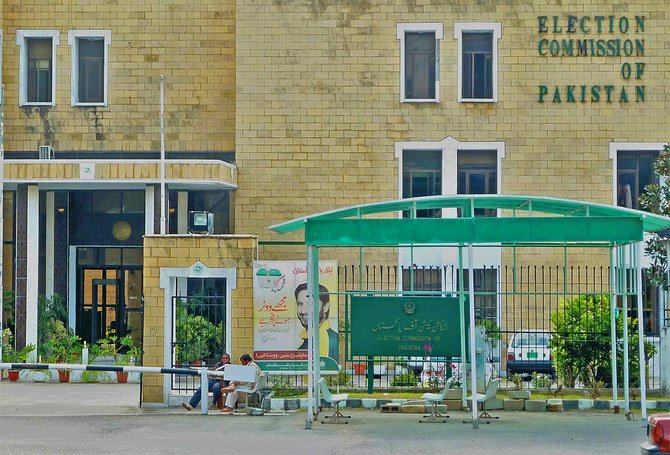
The Election Commission of Pakistan (ECP) has proposed a sweeping set of AI election rules to stop the misuse of artificial intelligence in election campaigns, including mandatory labels on AI-generated content and a ban on misleading deepfakes. The draft amendments — the first of their kind in Pakistan’s electoral framework — are open for public feedback until 20 November 2026.
According to the proposed ECP AI election rules, the changes target three groups: political parties and candidates, media organisations, and election observers. The Commission’s draft notification, issued on 23 October 2026 and first reported on 24 October, proposes twelve amendments to the 2023 codes of conduct — five for parties and candidates, five for media houses, and three for election observers.
What the proposed ECP AI election rules require
Under the draft, any campaign material produced or substantially modified with artificial intelligence — including images, videos, audio clips and synthetic voices — must carry a clear, visible label stating that it was generated with the help of AI. The rule closes a loophole that has allowed machine-made campaign material to circulate as if it were real.
The proposals also ban content that is intended to deceive voters or misrepresent a person’s words, actions or identity. This includes fabricated, ridiculing or defamatory images, voices and statements of political leaders, candidates, supporters and election staff — with the same ban extended to deepfakes targeting the judiciary, the armed forces and other state officials.
Robo-calls, bots and fake popularity under scrutiny
The ECP AI election rules take aim at the digital machinery of modern campaigning. Political parties and candidates would be barred from using AI-powered bots, automated accounts and similar tools to create a false impression of public support — ruling out manufactured likes, comments, shares and followers.
Phone campaigning gets a disclosure duty too: any robo-call or voice message using a cloned or artificially generated voice must state at the start that the content is AI-generated, so voters know they are not hearing a real person. Parties would also have to preserve records of all AI content produced during the campaign and hand them over if the Election Commission asks.
Media, observers and what happens next
Media organisations would still be allowed to use artificial intelligence for the production, translation, anchoring and analysis of election content — but they would have to disclose the use to audiences and remain fully responsible for the accuracy of the material. Monitoring duties would fall to PEMRA, the Social Media Protection and Regulatory Authority, and the National Cyber Crime Investigation Agency (NCCIA), which would report undisclosed or unlabeled AI content to the Commission.
Election observers, meanwhile, would be required to stay alert for AI manipulation, report deepfakes and disinformation to the ECP without spreading them, and would be barred from using AI to fabricate, alter or enhance their own observation reports, photographs, videos or results.
The Commission has stressed that these are proposals, not law. The draft amendments can still change before final approval, and stakeholders can send suggestions to the ECP Secretariat in Islamabad by 20 November 2026. If adopted, the rules would make Pakistan one of the few countries to formally police deepfakes in elections.
Sources: The Pakistan Observer, The Standard.
Related Posts
 TechnologyIHC Orders PTA, Pemra, NCCIA to Report on Online Harassment Enforcement as X Compliance Exposed
 TechnologyPakistan Climbs Four Places in Global Innovation Index 2026, Regains ‘Overperformer’ Status
 TechnologyTikTok Removed 23.2 Million Videos in Pakistan in Just Three Months
 TechnologyPakistan Plans to Teach Cybersecurity in Schools, Colleges and Universities
 TechnologyPM Shehbaz Directs Faster Implementation of Pakistan-Alibaba AI Partnership
 TechnologyFortify Expands to Saudi Arabia: Karachi PropTech Startup Sets Up Riyadh Entity Under Vision 2030
Most Popular
 How-ToPTA Tax Calculator 2026: Check Mobile Tax on Any Phone315 views
 SportsUEFA Champions League 2026-27: Format, Teams and Schedule309 views
 SportsBallon d’Or 2026: London Ceremony, Nominees and All-Time Records Ahead of 70th Anniversary306 views
 Canada JobsTech Jobs in Canada: Roles, Salaries, and Skills Needed289 views
 Pakistan NewsPIA Boeing 787 Lease Deal: What It Means for the Airline287 views
 TechnologyRedmi K100 Launching on 28 October: 10,000mAh Battery, 185Hz Display and Full Specs283 views