
Pakistan flour prices have climbed to Rs3,600 for a 20kg bag in four major cities, fresh official figures show, as the government moves to bring in up to 800,000 more tonnes of wheat to steady supplies and slow the rise in food costs.
The Pakistan Bureau of Statistics (PBS) data shows the 20kg bag now selling at Rs3,600 in Karachi, Islamabad, Hyderabad and Bannu — the highest rates recorded anywhere in the country. The figures, reported on 22 November, show prices climbing by as much as Rs334 in a single week, adding fresh pressure to household budgets that are already stretched by high food costs.
The price rise comes despite wheat imports already under way, and it has pushed the government to recommend a further large purchase from the international market. A high-level committee chaired by Deputy Prime Minister and Foreign Minister Ishaq Dar decided on 21 November to recommend importing up to 800,000 metric tonnes more wheat, after reviewing domestic stocks, market availability and price trends.
Pakistan flour prices: what the PBS figures show
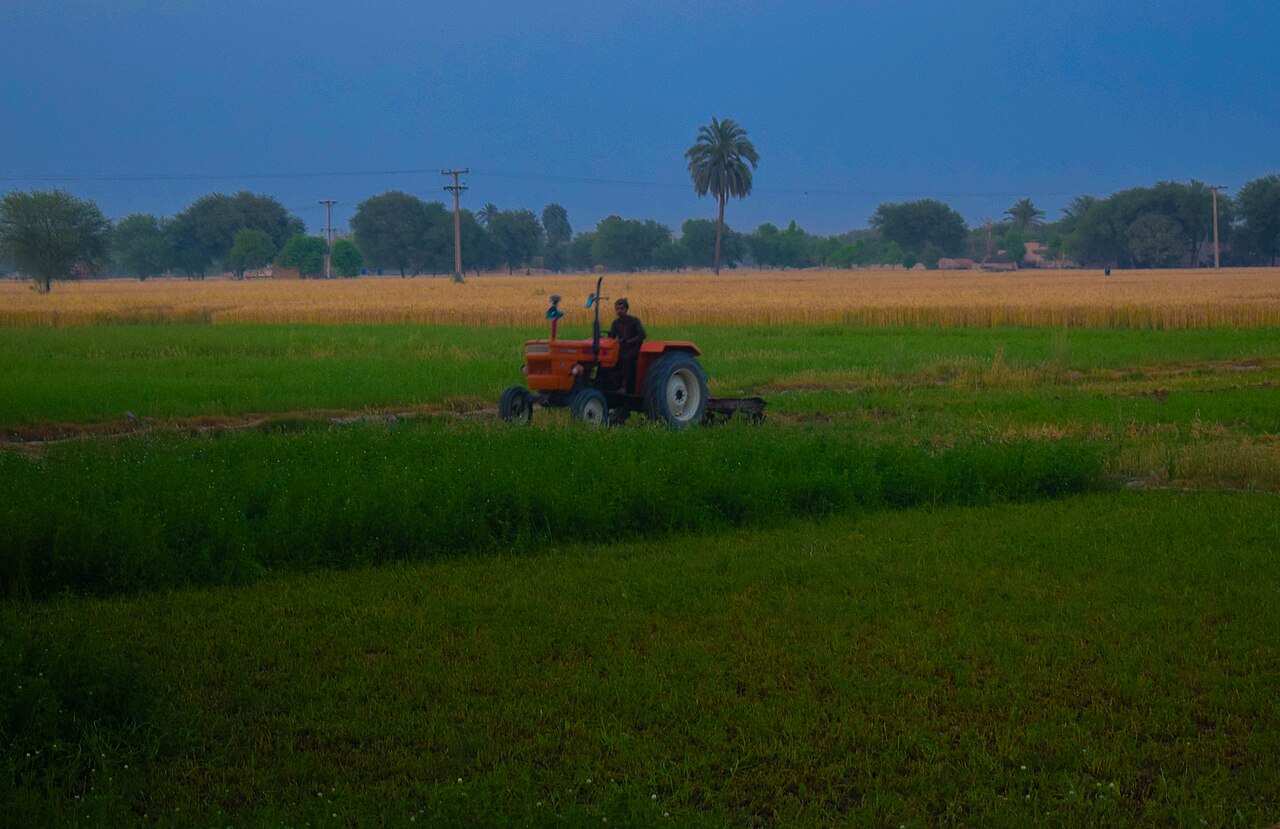
The PBS figures show the increases were sharpest in some of the country’s largest cities. In Karachi, the price of a 20kg bag rose by Rs100 during the week to reach Rs3,600. Islamabad recorded a rise of Rs106.67 to the same level, Hyderabad jumped by Rs240, and Bannu rose by Rs200.
Lahore posted one of the steepest weekly increases, with the 20kg bag rising by Rs333.67 to Rs3,467. Gujranwala recorded a gain of Rs333 to Rs3,400, Peshawar rose by Rs250 to Rs3,550, and Rawalpindi climbed by Rs66.66 to Rs3,533.
In other cities, a 20kg bag reached Rs3,360 in Sukkur, Rs3,333 in Sargodha and Rs3,330 in Quetta. Prices stood at Rs3,300 in both Bahawalpur and Larkana, while Multan recorded Rs3,266.66 and Faisalabad Rs3,200. The PBS data showed no weekly change in Sialkot and Khuzdar, where the bag continued to sell for Rs3,200.
Flour is a staple for most Pakistani households, and its cost is one of the main drivers of overall food inflation. The sustained rise, despite imports, has raised questions about how quickly supply reaches retail markets and how effectively prices are being monitored.
Why Pakistan is importing 800,000 more tonnes of wheat
The recommendation to import up to 800,000 more tonnes of wheat was made at a high-level meeting chaired by Ishaq Dar on Saturday, 21 November, which reviewed the availability and price stability of essential food commodities across the country.
The meeting assessed the domestic stock position of wheat and the mechanisms for keeping markets supplied. It also discussed the option of importing wheat, if required, to maintain sufficient stocks at reasonable prices. The committee then decided to recommend the further import of up to 800,000 metric tonnes.
Dar directed all concerned departments, especially provincial ones, to work together to implement Prime Minister Shehbaz Sharif’s directive to ensure price stability across the country and curb unnecessary profit-taking. He also instructed federal and provincial stakeholders to maintain close coordination and take timely measures to prevent artificial shortages or sharp price fluctuations.
The state-run grain trader, the Trading Corporation of Pakistan, is reported to be seeking up to 800,000 metric tons of wheat in its third and largest import tender this year, as the government tries to shore up supplies and cool climbing flour prices.
It is important to be clear about what has actually been decided. The committee has recommended the import; the full purchase has not yet been confirmed. It is also not yet clear whether the recommended 800,000 tonnes would be fully additional to the imports already approved this year. The government had already approved imports of up to one million tonnes of wheat in 2026, with the first stage of 750,000 tonnes planned for delivery in November.
A shortfall the trade warned about months ago
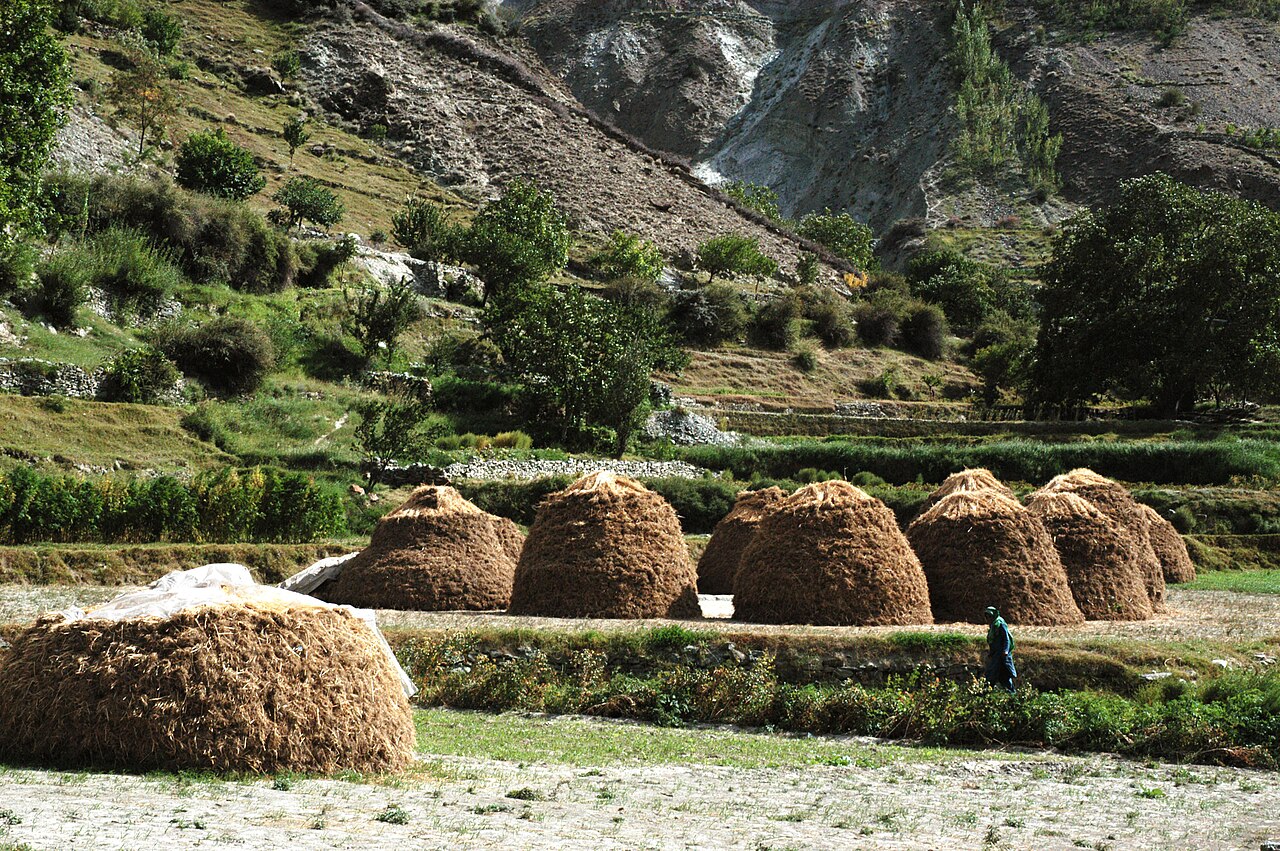
The need for imports reflects a gap between what Pakistan grows and what it eats. Preliminary estimates put the 2026 wheat harvest at around 29.6 million tonnes, while annual consumption is estimated at approximately 31.3 million tonnes — leaving a gap of about 1.7 million tonnes that must be covered from carryover stocks and imports.
The wider industry estimate is larger. Stakeholders put the season’s shortfall at three to four million tonnes. Annual demand runs between 31 million and 32 million tonnes, while production reached 29.61 million tonnes in FY26 — up 4.3% on the year before, but still short of what the country needs. The Cereal Association of Pakistan’s chairman, Muzammil Chappal, told Dawn he had warned the government since May about a possible four-million-tonne shortage and had asked for the private sector to be allowed to import at least two million tonnes.
The imports that have arrived so far have not closed the gap. The first ship carrying imported wheat brought 51,000 tonnes on 28 October, and the open-market wheat rate fell from Rs140 to Rs130 per kg. The relief did not last: grain prices moved back to Rs140 per kg, and millers raised flour rates again. More than 100,000 tonnes of wheat have arrived since late October, but traders say it falls far short — Karachi mills alone need 80,000 bags of 100kg each day for grinding.
In Karachi, retailers raised flour No. 2.5 to Rs180 per kg and fine flour to Rs200 per kg in a single move of Rs10 per kg. Wholesale prices for 50kg bags have also risen: flour No. 2.5 now costs Rs8,100, maida Rs9,000 and fine flour Rs9,150, up from Rs7,800, Rs8,400 and Rs8,550 before the latest round of rises.
The problem runs beyond Karachi. In Hyderabad, the Sindh Food Department has failed to release subsidised wheat to flour mills even after two provincial cabinet decisions, and a 100kg bag of wheat rose by Rs500 in five days to Rs14,400. A Dawn analysis published earlier this month traced the crisis to Punjab’s failed procurement experiment, in which private aggregators bought only 160,000 tonnes against a target of three million tonnes. Flour has risen from Rs50 per kg five years ago to Rs150 to Rs170 now.
What happens next for flour prices
The test now is whether more imports arrive in time. The new wheat crop from Sindh and Punjab will not reach markets before March to May next year, so imports must bridge the gap until then. A water shortfall for the rabi crop in Punjab and Sindh adds to the worry about the next harvest.
Tandoor owners have so far held chapati at Rs20 and naan at Rs30 to Rs35, but they face high flour and LPG rates together. One trader warned that low- and middle-income families will struggle badly if a 10kg flour bag reaches Rs2,000.
For households, the PBS figures are the clearest sign yet that the flour crisis is deepening rather than easing. The government’s next move — whether the recommended 800,000 tonnes is approved quickly and how fast it reaches the mills — will decide whether wheat prices steady or climb further in the weeks ahead.
Related Posts
 BusinessPakistan Seafood Exports Hit Record $568 Million as Minister Calls for Fisheries Modernisation
 BusinessPSO Signs Oman Fuel Supply Deal as OQ Trading Extends $200 Million Credit Line
 BusinessIran–Pakistan Free Trade Deal Nears Final Stage as Bilateral Trade Hits $6 Billion
 BusinessKSE-100 Could Reach 220,000 by December 2027 as Two Brokerages Call the Next Big Rally
 BusinessGold Price in Pakistan Keeps Falling — Karachi Bars Run Short as Dealers Charge Up to Rs30,000 PremiumBusinessOGRA Cuts Jet Fuel, Kerosene and Light Diesel Prices — Kerosene Down Rs10.42 a Litre
Most Popular
 How-ToPTA Tax Calculator 2026: Check Mobile Tax on Any Phone421 views
 Pakistan NewsPIA Boeing 787 Lease Deal: What It Means for the Airline396 views
 Canada JobsTech Jobs in Canada: Roles, Salaries, and Skills Needed394 views
 SportsUEFA Champions League 2026-27: Format, Teams and Schedule390 views
 TechnologyPM Shehbaz Sets November Deadline for Alibaba AI and Digitalisation Projects in Pakistan370 views
 ShowbizWomen’s Fashion in Pakistan 2026: Trends, Brands and Style Guide366 views