Iran and Pakistan are in the final stages of negotiating a comprehensive free trade agreement, a deal that could reshape commerce and regional economic cooperation between the two neighbours and push their annual trade well beyond its current level. A senior Iranian trade official says the talks have reached their final phase, with the lists of covered goods already exchanged and only the closing details left to settle.
The announcement, carried by Iran’s official news agency IRNA on Saturday, puts a long-discussed agreement within reach. If it is completed on the timetable officials describe, it would replace the narrower preferential deal the two countries trade under today with a much broader arrangement — and it would arrive at a moment when both economies are looking for new markets close to home.
What the deal would change
At the centre of the agreement is a simple change with large consequences: tariffs. Under the proposed free trade agreement, customs duties on a major share of Iranian exports to Pakistan would fall to zero, while Iran would offer tariff concessions on a selection of Pakistani goods. The exact lists of covered goods have been exchanged between the two sides, according to the Iranian trade official, and form the basis of the final round of talks.
Seyyed Mehrdad Sadatnasab, deputy director of the East Asia and Subcontinent Office at Iran’s Trade Promotion Organization, told IRNA that the agreement “has reached its final stages” after progressing through the negotiations. He said implementing the deal would reduce customs costs and significantly boost trade volumes between the two countries.
The current arrangement between the neighbours is a Preferential Trade Agreement, which lowered tariffs only on a designated list of goods. A full free trade agreement would go considerably further, widening the range of products that can cross the border at reduced or zero duty and giving businesses on both sides a clearer, more predictable framework to plan around.
Six billion dollars today, ten billion in sight
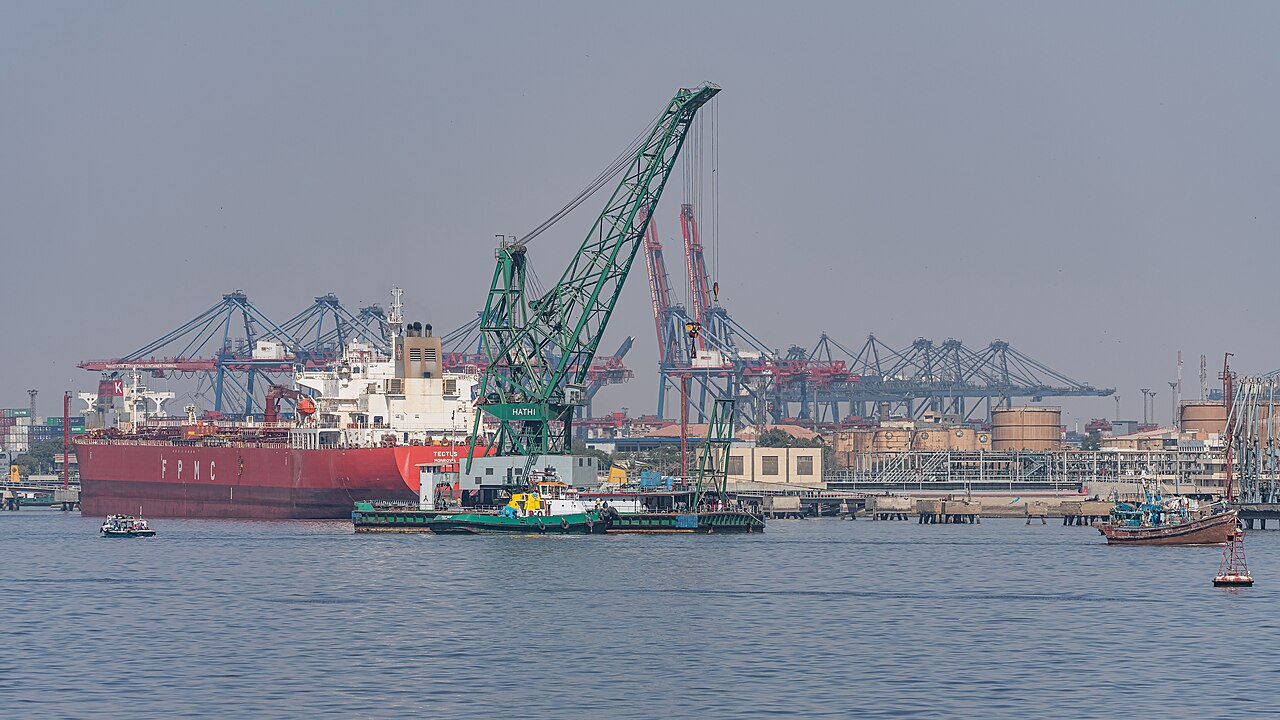
The scale of the opportunity is set out in the trade figures themselves. Sadatnasab put the current volume of formal and informal trade between Iran and Pakistan at about $6 billion, and said the extensive economic capacities on both sides allow that figure to rise beyond $10 billion.
That $10 billion figure is not new. The two countries agreed it as a shared target at the 10th session of their Joint Trade Committee in August 2026, and it has since become the benchmark against which the trade relationship is measured. The free trade agreement is the main instrument for reaching it: by cutting the cost of moving goods across the border, officials on both sides expect volumes to rise and new exporters to enter the market.
The timetable is ambitious but not immediate. Sadatnasab said the agreement is expected to be finalised by the end of the current Persian year, which runs to March 2027. Officials hope to implement its first phase before the end of 2026, according to the Financial Tribune, which would mean businesses could start feeling the effects of lower tariffs within weeks rather than months.
What each side brings to the table
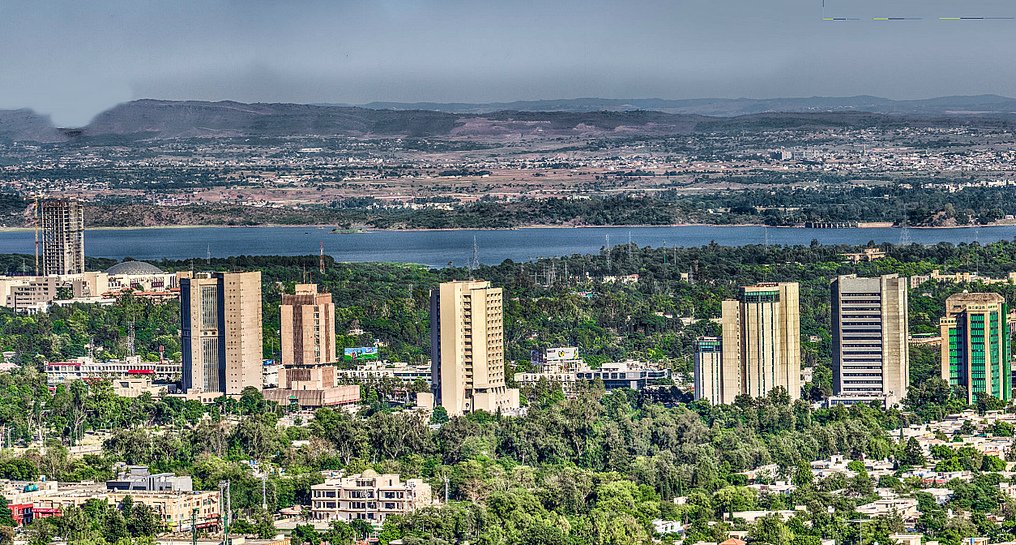
Iran’s export strengths, as set out by the trade official, are concentrated in industry and energy. He identified petrochemicals, liquefied petroleum gas, steel, tiles and ceramics as Iran’s primary export capacities for the Pakistani market, alongside wider cooperation in industry, agriculture, mining and technical and engineering services.
For Pakistan, the attraction is twofold. Cheaper Iranian inputs — from LPG and petrochemicals to building materials such as steel, tiles and ceramics — could lower costs for Pakistani manufacturers and builders. At the same time, tariff concessions from Tehran would open a neighbouring market of more than 90 million people to Pakistani exporters, including in agriculture and textiles, at a time when Pakistan is working to widen its export base beyond its traditional buyers.
Sadatnasab also stressed the practical side of the relationship: Iranian exporters need to understand the Pakistani market deeply and offer high-quality goods at competitive prices if they are to win a larger market share. The deal, in other words, opens the door — but businesses on both sides will still have to walk through it.
Border markets, ports and the road ahead
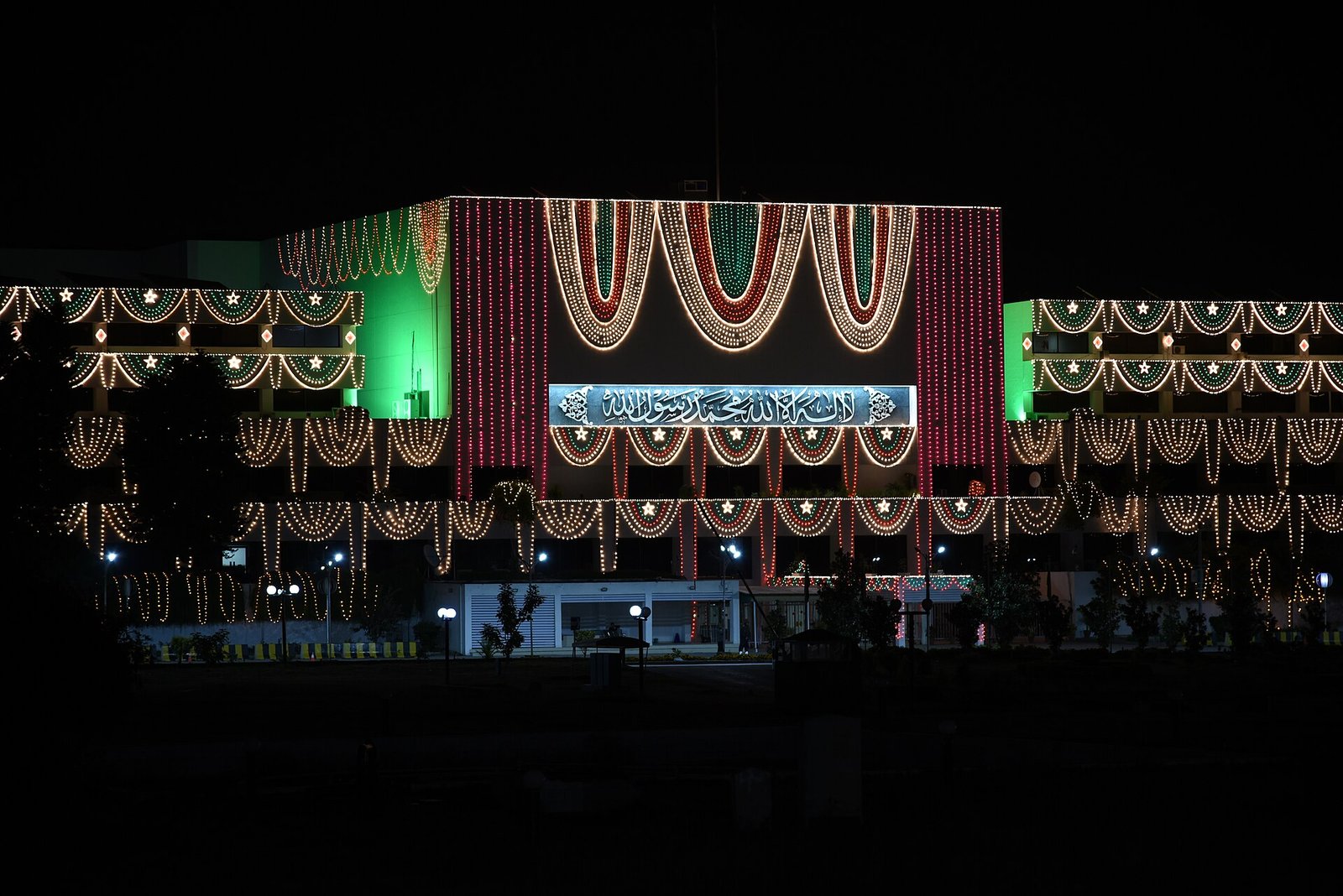
Geography is on the deal’s side. Iran and Pakistan share a 900-kilometre border, and in recent years the two countries have opened joint border markets and set up bilateral mechanisms to facilitate trade in local currencies — steps that already make border trade easier for traders in the border regions to do business without going through third currencies.
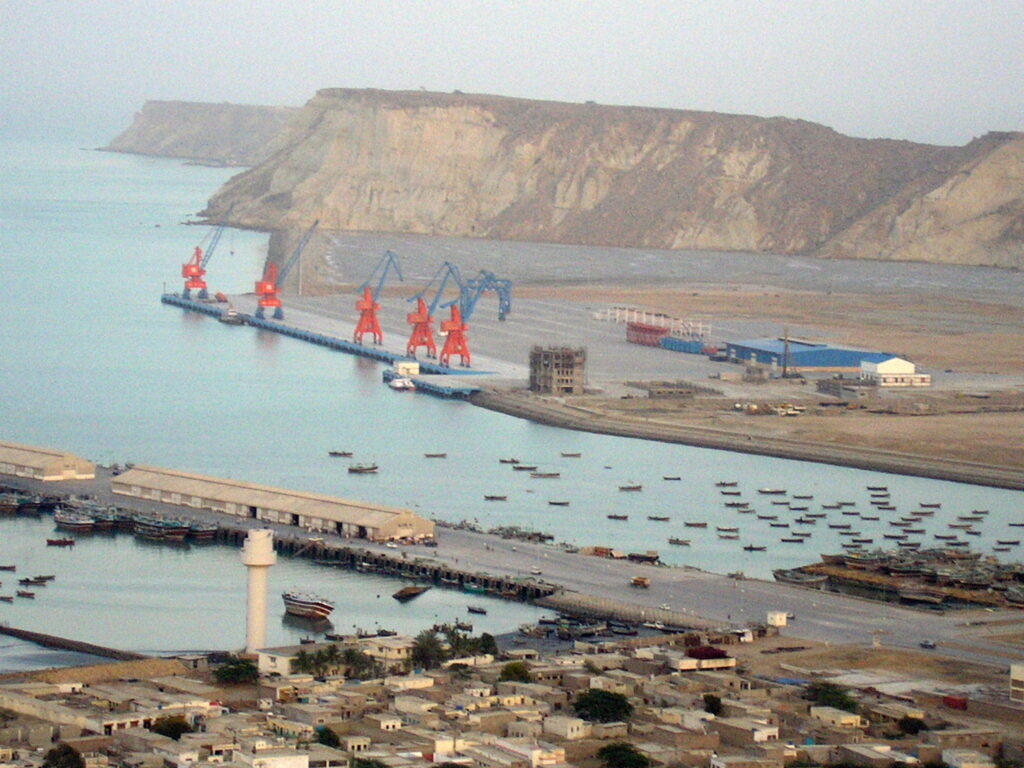
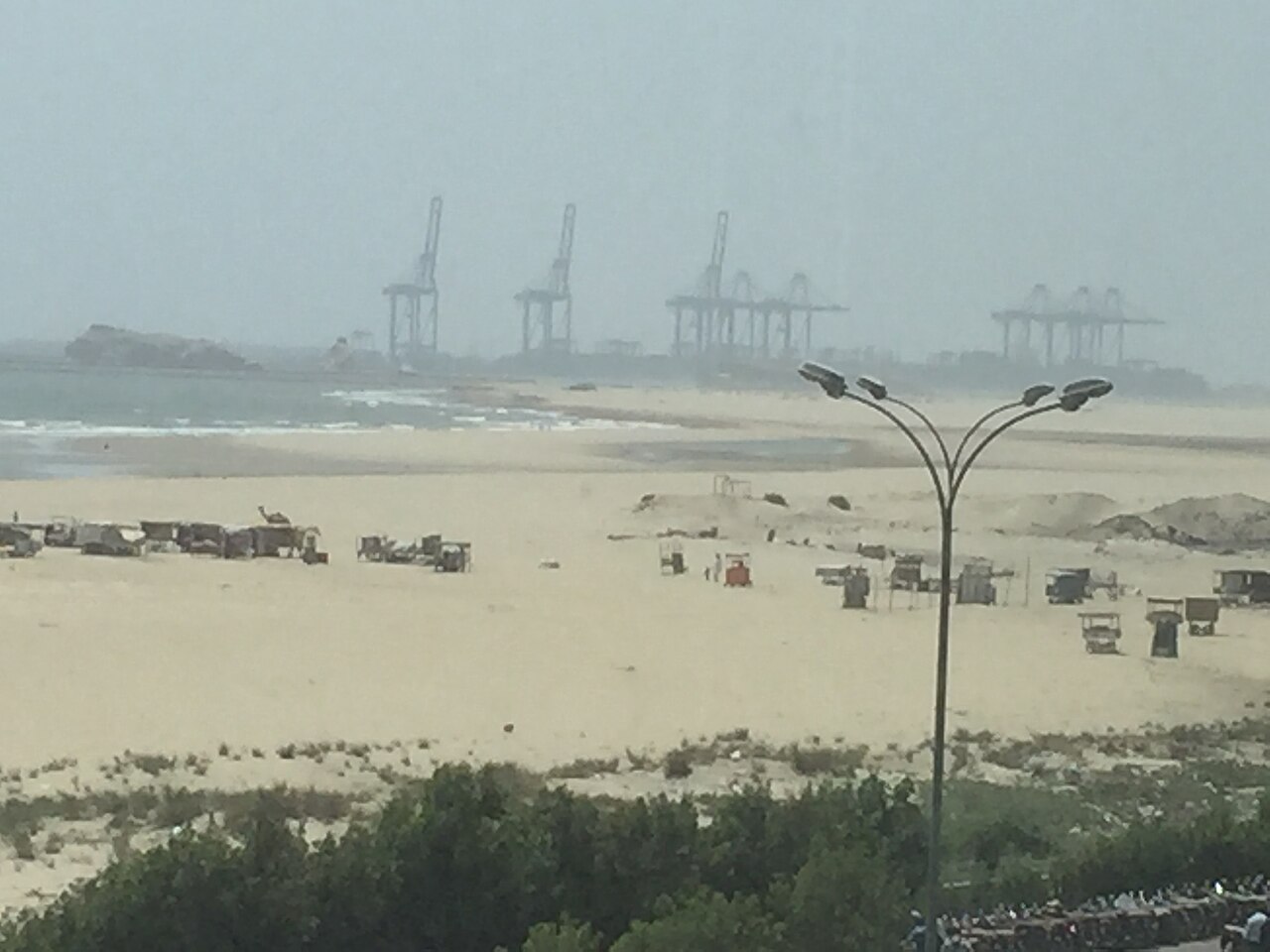
The agreement would build on that foundation. Sadatnasab underlined the strategic importance of using Pakistani ports to establish new routes for Iranian exports and imports, giving Tehran broader access to regional and international markets. He also pointed to the private sector, better logistics infrastructure and stronger provincial cooperation — particularly involving Iran’s southern province of Bushehr — as the levers that would lift economic exchanges further.
None of this is settled yet. The agreement still has to be finalised, and the history of trade talks between the two countries includes long pauses as well as breakthroughs. But with the goods lists exchanged, the tariff direction agreed in principle and a $10 billion target both sides have signed up to, this is the closest the two neighbours have come to a full free trade deal — and the next few months will show whether the final stage is also the finishing line.
Sources: PressTV (IRNA), Financial Tribune.
Related Posts
 BusinessKSE-100 Could Reach 220,000 by December 2027 as Two Brokerages Call the Next Big Rally
 BusinessGold Price in Pakistan Keeps Falling — Karachi Bars Run Short as Dealers Charge Up to Rs30,000 Premium
 BusinessOGRA Cuts Jet Fuel, Kerosene and Light Diesel Prices — Kerosene Down Rs10.42 a Litre
 BusinessPakistan and Russia to Hold Direct Payment Talks in Moscow on 23–24 November
 BusinessState Bank Injects Rs13.54 Trillion Into Banking System to Keep Cash Flowing
 BusinessFauji Foods Names Haseebullah Zahur as New CEO From 1 January 2027
Most Popular
 How-ToPTA Tax Calculator 2026: Check Mobile Tax on Any Phone421 views
 Pakistan NewsPIA Boeing 787 Lease Deal: What It Means for the Airline396 views
 Canada JobsTech Jobs in Canada: Roles, Salaries, and Skills Needed393 views
 SportsUEFA Champions League 2026-27: Format, Teams and Schedule390 views
 TechnologyPM Shehbaz Sets November Deadline for Alibaba AI and Digitalisation Projects in Pakistan370 views
 ShowbizWomen’s Fashion in Pakistan 2026: Trends, Brands and Style Guide366 views