NEPRA Raises Industrial Power Package Rate to Rs25.30 Per Unit Despite Split Vote
Pakistan’s power regulator has raised the electricity rate for factories and farms under its special Incremental Consumption Package from Rs22.98 to Rs25.30 per unit, a decision that passed only on the chairman’s casting vote after the regulator split down the middle. The new NEPRA industrial power rate applies from the November 2026 billing month, and the Power Division insists it is not a general increase in the industrial tariff.
The National Electric Power Regulatory Authority (NEPRA) approved the revision on Friday, 6 November 2026. The increase of Rs2.32 per unit works out to about 10.1 per cent on the package rate, and it will apply on a provisional basis until the regulator completes a fuller review of the actual cost of supplying the extra electricity.
What NEPRA decided
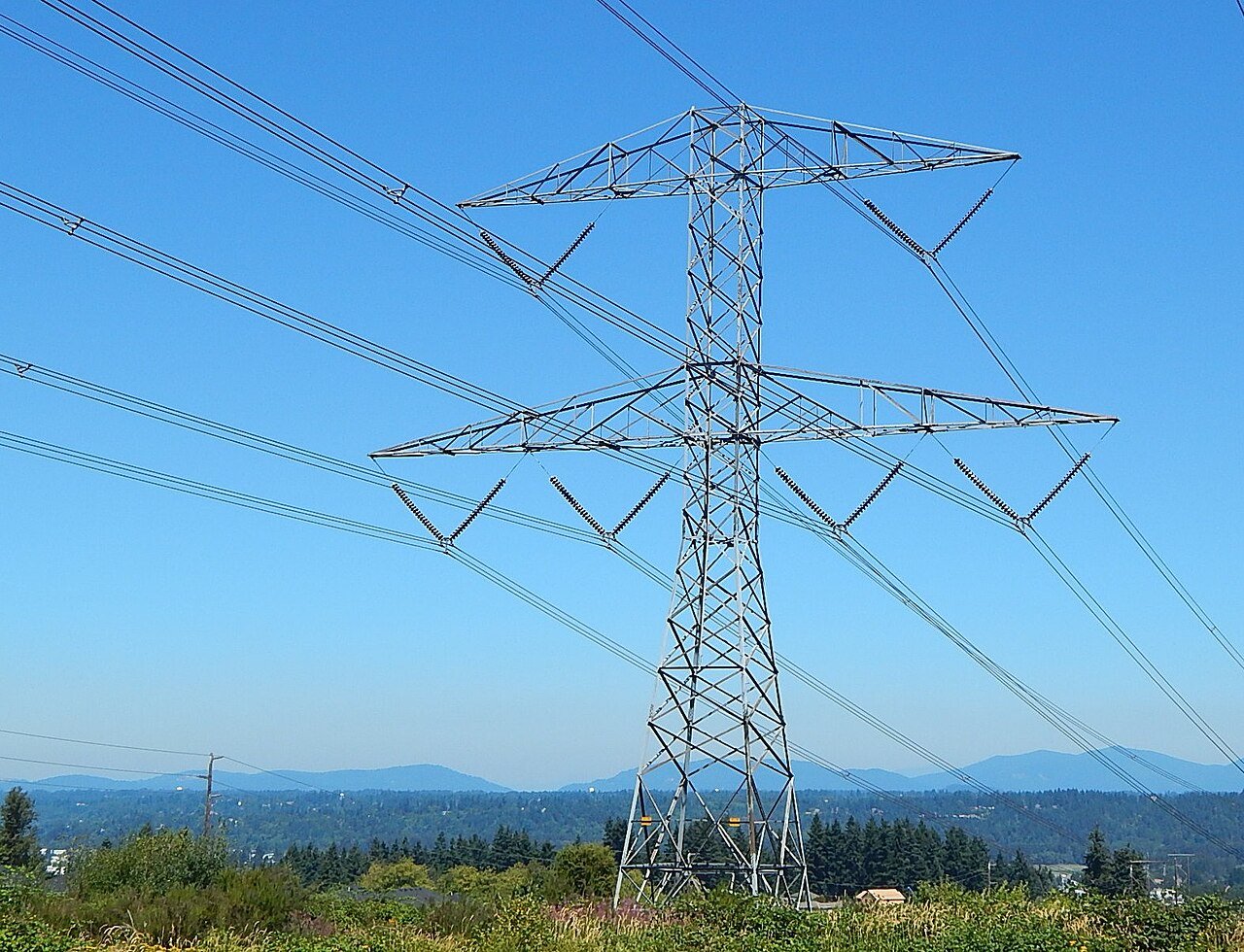
Under the Incremental Consumption Package, industrial and private agricultural consumers pay a discounted rate, but only on the electricity they use above their previous consumption. The benchmark for that earlier use is the period from December 2023 to November 2024. Everything up to that benchmark continues to be billed at the normal tariff; only the extra units attract the package rate.
That package rate now rises from Rs22.98 to Rs25.30 per unit. To take a simple example, a factory using 1,000 qualifying extra units in a month would pay Rs25,300 for those units, against Rs22,980 before. The decision covers eligible consumers of the former WAPDA distribution companies and K-Electric, and NEPRA has made clear that the revised rate is provisional rather than a final finding on the true marginal cost.
The package itself was introduced in December 2025 to encourage industry and agriculture to draw more power from the national grid instead of running their own captive generation. It sits within the Roshan Economy Power Package announced by Prime Minister Shehbaz Sharif in October 2025, which was planned to run from November 2025 to October 2028.
Who pays more — and who does not
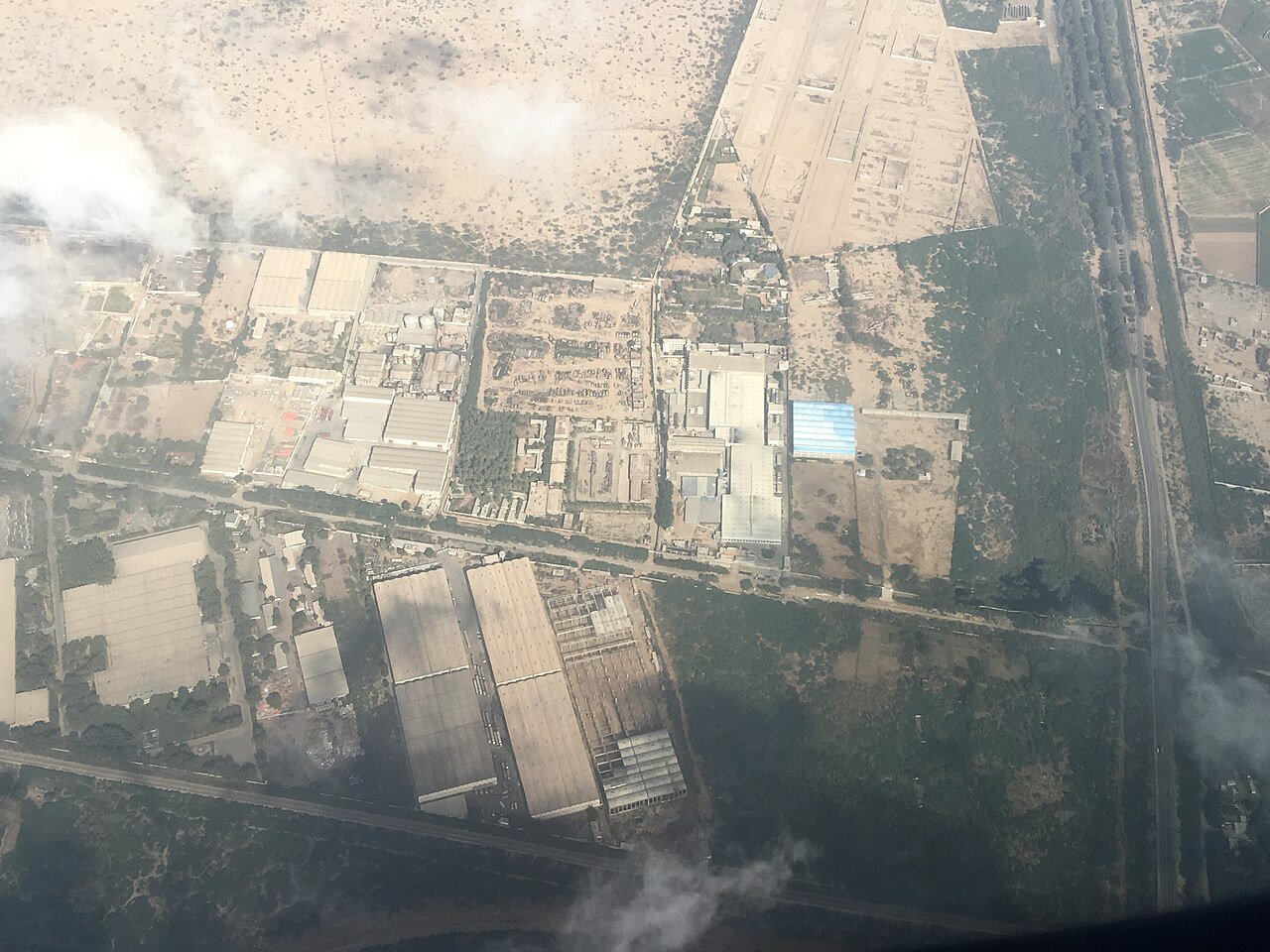
The higher rate touches only a slice of the electricity bill. Household consumers are not covered by the package at all, and even for factories and farms, the normal tariff on their usual consumption is untouched. The Rs25.30 rate bites only on units consumed above the December 2023 to November 2024 reference level.
That distinction matters for industry, because the package was designed as an incentive: the cheaper rate on extra units was meant to reward businesses that expanded production and used more grid electricity. A higher package rate narrows that incentive, even though the Power Division says the underlying industrial tariff has not moved.
Units billed as detection units are excluded from the package, according to NEPRA’s notification. The regulator has also warned that the scheme itself could be suspended or ended if the Power Division and the power-sector bodies fail to provide the cost data NEPRA has repeatedly asked for.
A regulator divided

The decision was far from unanimous. NEPRA’s four members split two against two, and Chairman Waseem Mukhtar used his casting vote to approve the Rs25.30 rate. Member Tariff Amina Ahmed and Member Development Maqsood Anwar Khan dissented, arguing that the figure had no reliable link to the actual cost of supplying the extra electricity.
The dissenting members pointed to NEPRA’s own institutional assessment, which placed the marginal cost of incremental electricity at Rs31.83 per unit — well above the Rs25.30 approved. The Power Division had proposed Rs25.30 from October 2026, while working based on system operator data suggested a notional price of about Rs29.65 per unit at the consumer end. The chairman himself acknowledged in his written observations that the dissenting members’ concerns deserved serious consideration.
All four members were, however, united on one point: they criticised the Power Division and its subordinate organisations for failing to provide the revised marginal price calculations despite repeated reminders. The Independent System and Market Operator and the Power Planning and Monitoring Company were also criticised for not supplying the required data in the proper form.
What the Power Division says — and what happens next

The Power Division moved quickly to clarify the scope of the change. A spokesperson said the Rs25.30 figure was the revised marginal rate under the incremental package for industrial and agricultural consumers, and not the industrial tariff. The division said the package had been revised because marginal generation costs had risen amid the prevailing US-Iran war situation in the Gulf, and described the new rate as temporary, applying from November 2026.
The spokesperson added that the adjustment ensured the cost of the relief under the package was not passed on to other consumers, particularly those who do not benefit from it. The division must now submit the outstanding cost information NEPRA has demanded, and the regulator has directed a comprehensive technical review before any final determination of the marginal cost.
Separately, NEPRA has also approved a Rs2.37 per unit fuel adjustment for November electricity bills, expected to recover about Rs25 billion from consumers, including K-Electric customers. That charge applies far more widely than the package revision, and the two decisions together mean November bills will carry both a higher fuel adjustment and, for factories and farms using extra power, a higher package rate.
For industry, the immediate question is whether the package still makes financial sense at Rs25.30, and whether NEPRA’s fuller review — when the missing cost data finally arrives — pushes the rate higher still, towards the Rs31.83 marginal cost figure in its own assessment, or brings it back down.
Sources: Dawn; Energy Update.
Related Posts
 BusinessPM Youth Loan Limit Raised to Rs25 Million: Minimum Age Cut to 18, 30% Reserved for Women
 BusinessPakistan’s Services Exports Jump 22.6% to $2.72 Billion in Q1 FY27 as IT Leads the Way
 BusinessPak–China Mineral Cooperation Forum: 70 Chinese Companies in Islamabad as Minerals Become a New Pillar of the Partnership
 BusinessJazzCash Q3 Profits Jump 297% to Rs8.9 Billion as Revenue Hits Rs43.4 Billion
 BusinessKSE-100 Gains 7,477 Points in Strongest Weekly Rally in Six Months as Oil Prices Tumble
 BusinessHafiz Naeem Demands Abolition of Petroleum Levy as Refineries’ Profits Surge 1,000%
Most Popular
 How-ToPTA Tax Calculator 2026: Check Mobile Tax on Any Phone419 views
 Pakistan NewsPIA Boeing 787 Lease Deal: What It Means for the Airline392 views
 Canada JobsTech Jobs in Canada: Roles, Salaries, and Skills Needed389 views
 SportsUEFA Champions League 2026-27: Format, Teams and Schedule386 views
 TechnologyPM Shehbaz Sets November Deadline for Alibaba AI and Digitalisation Projects in Pakistan367 views
 ShowbizWomen’s Fashion in Pakistan 2026: Trends, Brands and Style Guide362 views