The Hafiz Naeem petroleum levy debate has intensified. Jamaat-e-Islami (JI) chief Hafiz Naeemur Rehman has demanded the immediate abolition of the petroleum levy, calling it an unjust tax on ordinary people, and rejected the government’s recent fuel relief measures as far too small. Speaking at a press conference at the party’s headquarters in Karachi on Saturday, he said refineries had multiplied their profits while motorists continued to pay high prices at the pump.
The JI chief’s central charge was about scale. The government, he said, collected Rs1,567 billion through the petroleum levy last year and continues to take roughly Rs150 billion every month — yet the relief it has offered the public amounts to only Rs26 billion. “The government collected Rs1,567 billion in petroleum levy last year and continues to extract roughly Rs150 billion each month, yet it is extending a meager Rs26 billion in relief to the public,” he said.
Hafiz Naeem petroleum levy: Refineries’ profits up 1,000% as consumers pay more

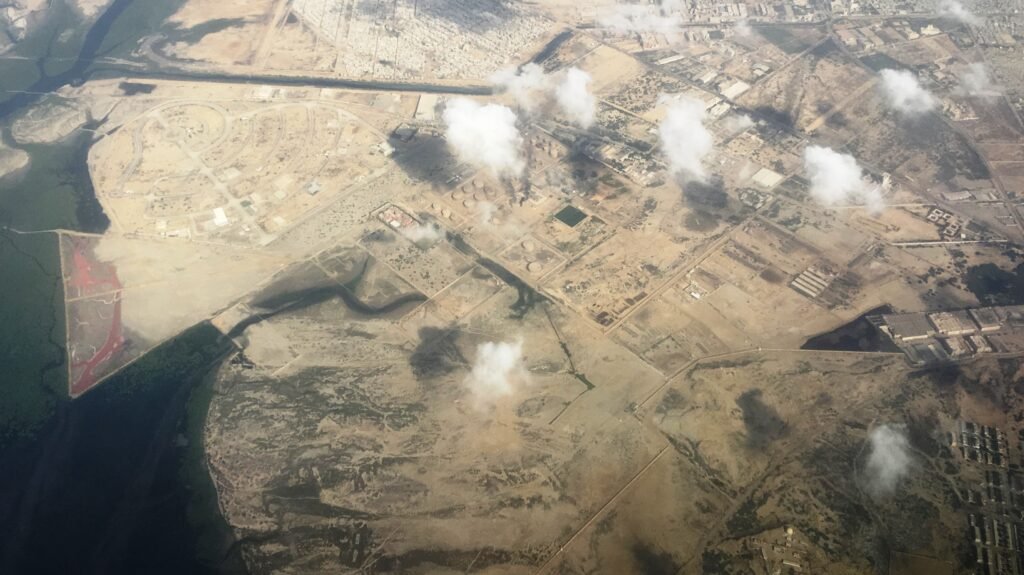
Naeem pointed to the refineries’ own results to make his case. Pakistan’s listed refineries reported a sharp surge in earnings in the first quarter of the current financial year, with profit growth above 1,000 per cent at the three big names. Attock Refinery’s net profit rose to Rs18.65 billion in the July–September quarter, up from Rs1.45 billion a year earlier. National Refinery earned Rs11.57 billion against Rs1.03 billion, and Pakistan Refinery earned Rs13.97 billion against Rs1.02 billion. Taken together, the sector’s quarterly profit jumped by about 1,860 per cent, according to Nikkei.
In the Hafiz Naeem petroleum levy debate, the JI chief said the refineries had “escalated profits by up to 1,000 per cent under windfall margins without transferring benefits to consumers”. The surge was driven by wider refining margins — the gap between the price of crude oil and the price of finished petrol and diesel — during a period of disruption in global energy markets. Brokerage estimates put average gross refining margins at around $30 a barrel during the quarter.
Petrol currently costs Rs346 a litre after the government cut the price by Rs6.59 on 7 November. The government has already moved to cap refinery margins, cutting the maximum diesel crack spread used in domestic pricing from $41.89 a barrel to $38 a barrel on 20 October. Naeem argued that this was not enough, and that the gains from JI’s agitation had forced the government to scrutinise the refineries at all.
JI’s plan: tax big cars, cut tax for the middle class
The JI chief set out an alternative. He demanded that the scope of fuel relief be widened from owners of 800cc cars to include vehicles up to 1300cc, as well as agricultural tractors used by farmers. That goes further than what the government has so far agreed in talks with JI, where relief has been discussed for farmers and owners of vehicles up to 1,000cc.
Answering the government’s argument that scrapping the levy would mainly benefit owners of luxury cars, Naeem proposed a Rs200 per litre tax exclusively on vehicles above 1800cc, while cutting the tax burden on the middle class by Rs30 to Rs40 per litre. He urged the government to announce the complete removal of the petroleum levy in the next federal budget. That is the key demand in the Hafiz Naeem petroleum levy campaign.
Rs400 billion stuck in court, says Naeem
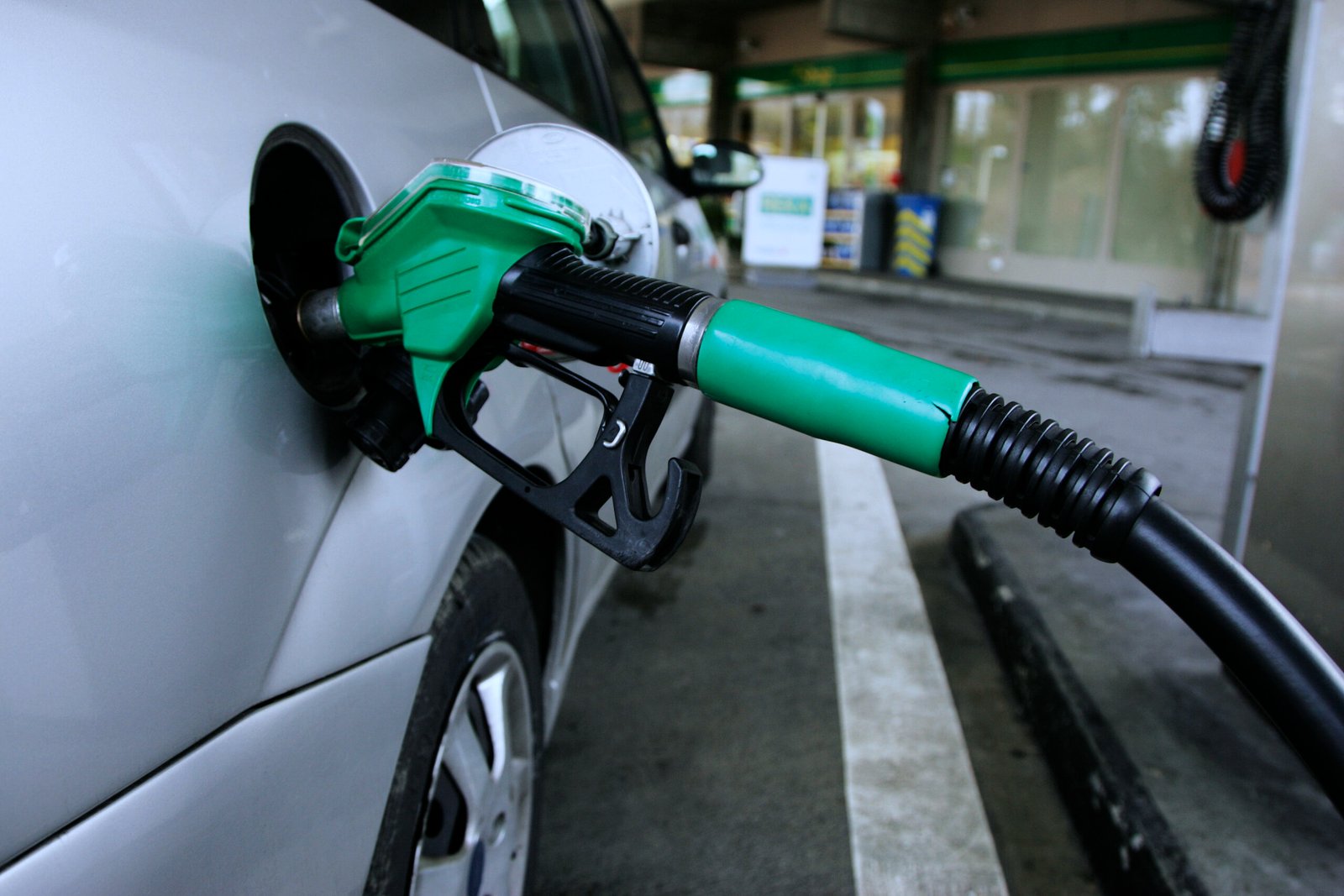
Naeem also claimed that oil marketing companies owe Rs400 billion in unpaid levies, with the money tied up in litigation. “Recovering these dues alone could significantly crash petrol prices,” he said. He did not name the companies involved, and the figure is his claim rather than a published government total.
He added that the savings of Rs4,000 to Rs5,000 billion from renegotiated independent power producer (IPP) agreements had still not shown up in consumer electricity bills, and asked why households were not seeing the benefit.
What happens next
The press conference is the latest step in JI’s long-running campaign against the levy. Talks between the government and JI reached their final round on 3 November, when both sides agreed to extend relief to farmers and owners of vehicles up to 1,000cc — but the party’s central demand, the complete abolition of the levy, remains unmet. The government team has previously told JI that it is constrained by the IMF programme and cannot simply abolish the charge.
For motorists, the position is unchanged for now: no cut to the levy has been announced, and the relief on offer remains the package already agreed in the talks. Naeem has warned before that his party could resume its march towards Islamabad if the government does not respond, and the 7 November press conference keeps that pressure on. Whether the government moves before the next budget will decide if this becomes a genuine policy change or another round of the same argument. The Hafiz Naeem petroleum levy debate continues.
Related Posts
 BusinessJazzCash Q3 Profits Jump 297% to Rs8.9 Billion as Revenue Hits Rs43.4 Billion
 BusinessKSE-100 Gains 7,477 Points in Strongest Weekly Rally in Six Months as Oil Prices Tumble
 BusinessAir Pollution Costs Pakistan 6.5% of GDP as Dirty Air Drives Away Investors, OICCI Warns
 BusinessPakistan’s External Debt Nearly Doubles to $135 Billion in a Decade, World Bank Reports — China Is the Biggest LenderBusinessPakistan’s First SPAC Listing Crashes 34% in Four Sessions — Ningbo Green Falls to Rs13.82
 BusinessGovernment Announces New Auto Policy: Car Prices to Fall, EVs Get Big Tax Breaks and Rs10 Million Loans
Most Popular
 How-ToPTA Tax Calculator 2026: Check Mobile Tax on Any Phone419 views
 Pakistan NewsPIA Boeing 787 Lease Deal: What It Means for the Airline392 views
 Canada JobsTech Jobs in Canada: Roles, Salaries, and Skills Needed389 views
 SportsUEFA Champions League 2026-27: Format, Teams and Schedule386 views
 TechnologyPM Shehbaz Sets November Deadline for Alibaba AI and Digitalisation Projects in Pakistan367 views
 ShowbizWomen’s Fashion in Pakistan 2026: Trends, Brands and Style Guide362 views