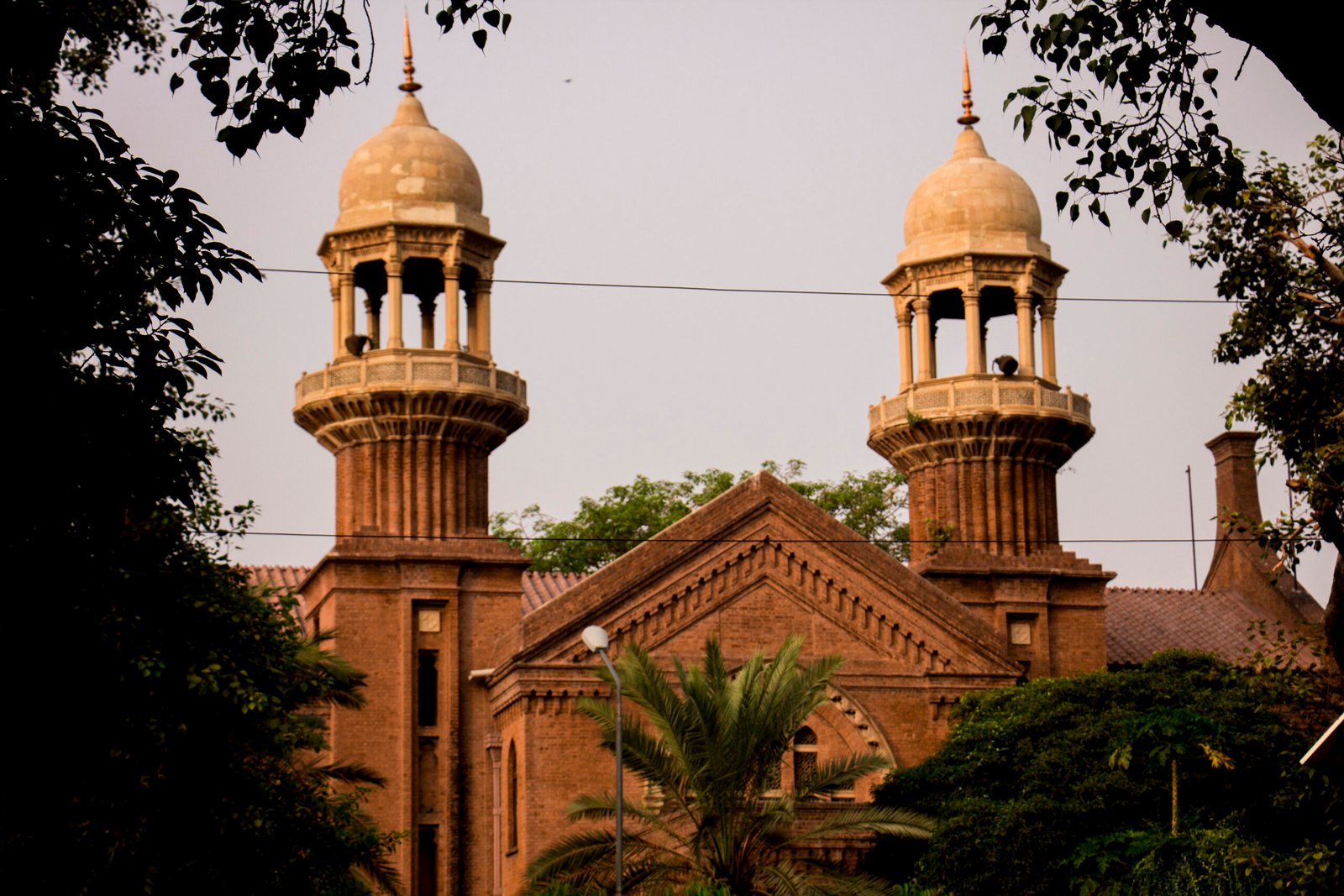
The Lahore High Court has barred the University of Lahore and other private medical institutions from charging students excessive tuition fees, enforcing an annual cap of Rs1.8 million and directing the Pakistan Medical and Dental Council (PMDC) to make sure no college charges above it.
Justice Khalid Ishaq delivered the judgment on a petition filed by citizen Shehryar, who had challenged the fee structures adopted by private medical colleges. The court observed that private institutions had been charging fees far above the legally permitted limit, without any justification or transparent mechanism — and ruled that education, particularly in medicine and dentistry, cannot be treated as a commercial enterprise.
The ruling, reported on Saturday, 7 November 2026, has been welcomed by student bodies and parents as a major relief for thousands of medical and dental students across Pakistan.
What the court ordered
The court directed the PMDC to ensure strict implementation of its regulatory notification capping annual fees at Rs1.8 million per student. Compliance is now mandatory, the bench said, warning of legal consequences for violations.
The PMDC has been directed to conduct audits and ensure that no institution charges above the mandated cap. Colleges must also display their approved fee structures prominently and provide clear breakdowns of tuition and ancillary charges, so that families can see exactly what they are being asked to pay.
The bench noted that the PMDC had issued notifications regulating tuition fees in the past, but that these were largely ignored by private institutions because of lax enforcement. The court has now made compliance mandatory.
Why the case reached the court
The petition argued that private medical and dental colleges had been setting tuition fees as high as Rs2.5 million to Rs3 million a year — excluding hostel charges, laboratory fees and other hidden costs — placing an unbearable financial burden on students and their families.
The petitioner maintained that such practices violate the fundamental right to education under Article 25-A of the Constitution, and that private institutions exploit the limited number of seats in public medical colleges, creating a situation in which only wealthy families can afford quality medical education.
“The state and its regulatory bodies have a constitutional obligation to ensure that merit, not money, determines access to professional education,” the court observed.
Relief for students and parents
For current and prospective students, the judgment brings immediate relief. Thousands of medical and dental students across Pakistan stand to benefit if the cap is enforced as ordered, and the ruling sets a precedent for accountability and transparency in private higher education.
The Pakistan Medical Students Association welcomed the decision, saying it restores faith in the judicial system and sends a clear message that educational institutions cannot operate like corporate entities extracting maximum profit. Parent groups also voiced strong support, expressing hope that the ruling leads to standardised fee regulations across all private professional colleges, not just medical and dental institutions.
What happens next

The University of Lahore, one of the largest private-sector universities in Punjab, has yet to issue an official statement on the judgment. Sources indicate the university may seek a review of the decision or appeal to a larger bench, though legal observers believe the strength of the PMDC notification and the court’s clear stance leave little room for dilution.
Attention now turns to the PMDC, which is under public pressure to strengthen its monitoring so that the cap is not circumvented through inflated charges for hostel accommodation, transport, laboratory access or examination fees. Students and parents await swift action from the regulator, and hope the judgment translates into lasting change — one where merit, not money, defines the future of Pakistan’s healthcare professionals.
A separate case in Islamabad
Separately, the Islamabad High Court has also restrained private medical colleges from charging above the Rs1.8 million cap, in an interim order on a petition by a second-year MBBS student against Riphah Medical College, which had allegedly issued a fee challan of Rs2.4 million. Justice Arbab Muhammad Tahir directed the college not to collect fees beyond the prescribed limit until the next hearing, and issued notices to the federal government, the PMDC and the college. That case is an interim order in a separate petition, and its hearing has been adjourned.
Related: Medical Colleges in Pakistan 2026 | MBBS Admission 2026 | MDCAT 2026
Related Posts
 EducationUHS Private MBBS Admissions 2026: Last Day Today, 6 November — Apply Before 5 PM
 EducationSindh Schools to Close on 9 November for Iqbal Day — Three-Day Weekend for Students
 EducationPakistan Secures 11 China Education Agreements — Most of Any Country at CACIE 2026
 EducationChevening Teams Up With Allied Bank: Fully Funded UK Master’s Scholarships for Pakistanis
 EducationMaryam Nawaz Sets 1 Million Youth Skills Training Target for Punjab Over Three Years
 EducationUniversity of Karachi Self-Finance Admission 2027: Last Date Today, 30 October — How to Apply
Most Popular
 How-ToPTA Tax Calculator 2026: Check Mobile Tax on Any Phone417 views
 Pakistan NewsPIA Boeing 787 Lease Deal: What It Means for the Airline389 views
 Canada JobsTech Jobs in Canada: Roles, Salaries, and Skills Needed387 views
 SportsUEFA Champions League 2026-27: Format, Teams and Schedule384 views
 TechnologyPM Shehbaz Sets November Deadline for Alibaba AI and Digitalisation Projects in Pakistan364 views
 ShowbizWomen’s Fashion in Pakistan 2026: Trends, Brands and Style Guide360 views