Lahore Smog 2026: Causes, AQI Levels and How to Stay Safe
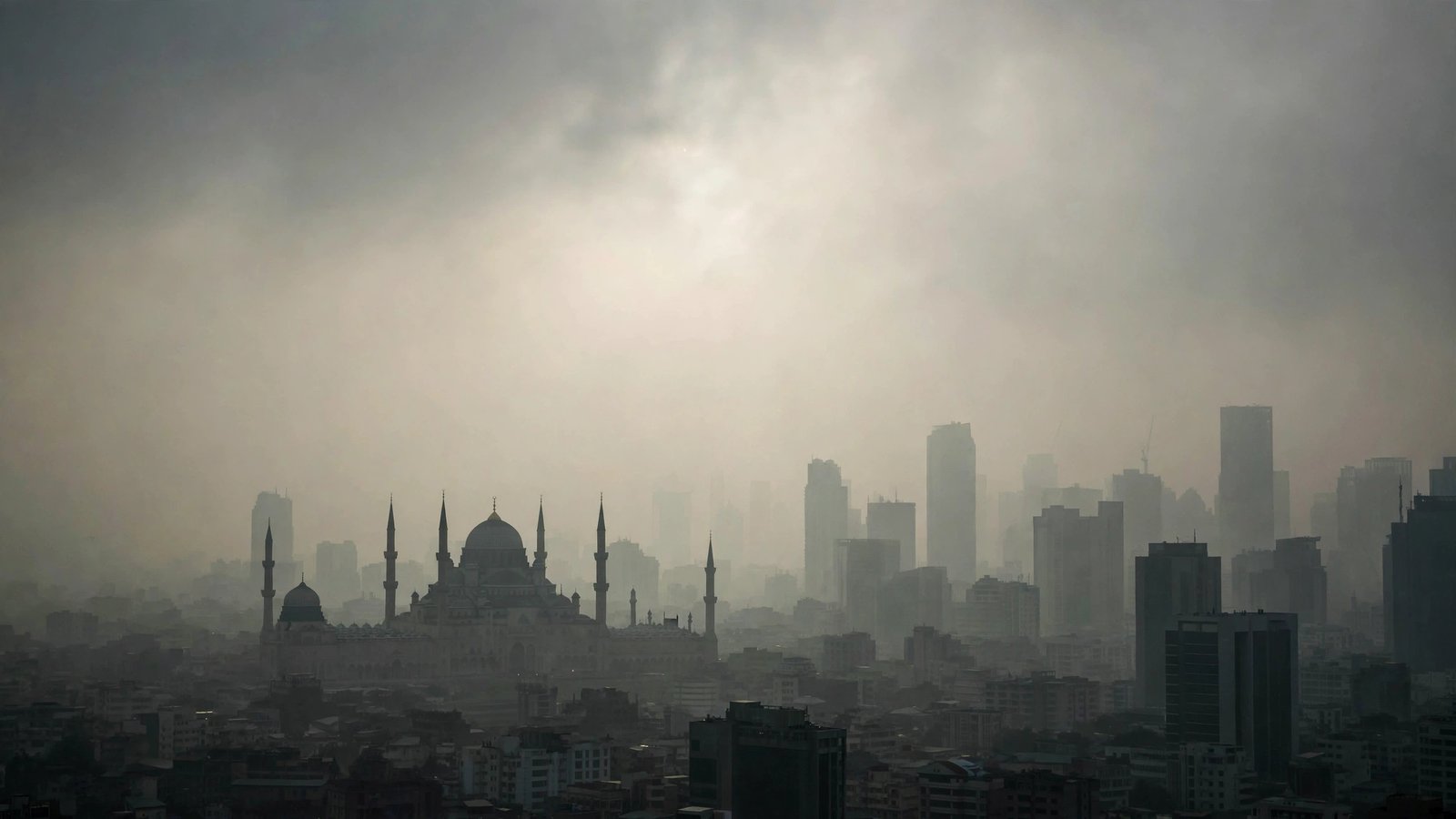
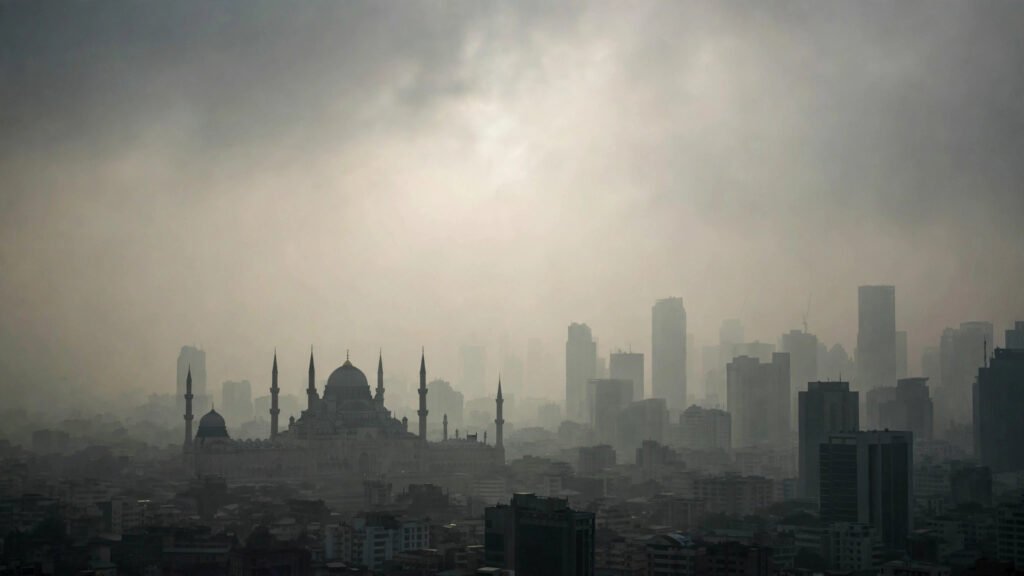
Lahore smog is back early and thick in 2026. The city’s Air Quality Index crossed into “very unhealthy” territory in the first week of October — hitting a weekly high of 295 on 3 October and touching 300 at one Gulberg monitoring station on 13 October — once again making Lahore one of the most polluted cities in the world. Here is what is driving this year’s smog season, what the Punjab government is doing about it, and how to protect your family.
Lahore Smog: October 2026 AQI Levels
The numbers tell a grim story. Punjab EPA’s live dashboard recorded Lahore’s overall AQI at around 199–201 on 13 October, with individual stations far worse: the CERP office in Gulberg hit 300, Kahna Nau 244, Burki Road 224, Model Town 220 and DHA Phase 6 201. Earlier in the month, Safari Park recorded 180 and Shahdara 171. Readings vary by station, hour and measurement method, but the trend is unmistakable — and it arrived weeks before winter.
There was brief relief when mid-October rain washed the air: Lahore’s AQI dropped to 82 on 12 October, and on the morning of 15 October it stood at 119 — still “unhealthy for sensitive groups,” with fine PM2.5 particles as the primary pollutant. Experts warn such relief is temporary; the seasonal threat builds as temperatures fall.
What Causes Lahore’s Smog
Smog in Lahore is a cocktail, not a single source. Vehicle emissions are a major contributor — poorly maintained, smoke-belching vehicles are squarely in the authorities’ sights this year, with Punjab planning 20 smoke opacity meters to test them. Industrial emissions, brick kilns (a notorious winter offender), construction dust, waste burning and agricultural stubble burning across Punjab complete the mix. Then meteorology does the rest: as temperatures drop, weaker winds and atmospheric inversion trap pollutants close to the ground, letting them accumulate over the city for weeks.
Cross-border crop burning in Indian Punjab adds a regional dimension every November, which is why Lahore’s worst weeks usually arrive late in the season. For the current weather picture, see our Pakistan weather update.
The Government’s Anti-Smog Crackdown
On Chief Minister Maryam Nawaz’s orders, Punjab stepped up enforcement on 30 September, deploying drone squads, night teams and “Hawk Eye” field units. In a single 24-hour operation, teams inspected 269 industrial plants — sealing 11, registering a case against one, and imposing Rs 1.2 million in fines. A parallel brick-kiln crackdown inspected 431 sites: five kilns were demolished, nine sealed, nine cases registered, and Rs 1.4 million in fines collected.
Authorities also sealed 17 locations for burning substandard plastic, confiscated 1,297 kg of it, sprayed water over 1,178 kilometres of roads to settle dust, and contacted more than 215,000 farmers to prevent stubble burning. It is the most aggressive pre-season campaign Punjab has run — but enforcement has historically struggled once the peak weeks arrive.
Lahore Smog: How to Stay Safe
You cannot fix the air, but you can cut your exposure. Wear a proper mask (N95/KN95, not a cloth mask) outdoors on high-AQI days, especially children, the elderly and anyone with asthma or heart conditions. Keep windows closed during the morning and evening peaks, run air purifiers indoors if you can, and avoid outdoor exercise when the AQI crosses 150. Schools and parents should watch for official advisories — smog counters have been set up at clinics across Punjab, and authorities have previously ordered mask mandates and even considered school closures in severe spells.
Drivers can help too: get your vehicle tuned, avoid unnecessary trips on the worst days, and never burn waste or crop residue. Track the hourly AQI on the Punjab EPA dashboard rather than relying on a single daily number, and follow our weather alerts — rain is the only reliable short-term cleanser. The readings in this article are as of mid-October 2026, per reported monitoring data, and change by the hour.
In-Depth Guide: Understanding and Surviving Lahore Smog
Lahore smog has become the city’s defining winter crisis — a toxic mix of vehicle emissions, industrial pollution, crop-residue burning and dust, trapped by winter temperature inversions. Understanding it is the first step to protecting yourself.
Lahore smog causes and today’s AQI
The Lahore smog causes are well documented: diesel vehicles and brick kilns, construction dust, and seasonal crop burning upwind, all concentrated by calm winter air. Lahore AQI today readings in peak season frequently cross into hazardous territory — check a reliable AQI source each morning from November through January, because conditions change daily.
How to protect yourself from smog
On how to protect from smog: limit outdoor exertion on high-AQI days, wear properly fitted N95/KN95 masks (surgical masks filter little), keep windows closed and use air purifiers indoors if possible. Children, the elderly and asthma patients are most vulnerable — schools and families should plan around the smog calendar. Long-term, the solutions are systemic — cleaner fuels, emission controls and regional cooperation — but personal precautions make each winter survivable.
What the government is doing
Authorities respond to severe Lahore smog episodes with measures like brick kiln shutdowns, school closures, work-from-home advisories and anti-smog squads. These help at the margins; residents should follow official advisories while maintaining their own precautions. If you commute daily through winter, a quality mask and an air purifier at home are worthwhile investments in your health.
Smog Season Calendar: What to Expect Month by Month
Lahore smog follows a predictable annual cycle. October brings the first hazy days as crop burning begins upwind. November sees AQI climb sharply — this is when schools first consider closures. December and January are the peak: dense smog, disrupted flights, and the highest health risk. February usually brings gradual improvement as temperatures rise and winds pick up. Planning your winter around this calendar — scheduling outdoor events for October or February rather than December — is simple prudence.
Indoor air quality matters too
During severe Lahore smog episodes, indoor air is not automatically clean — cooking smoke, dust and infiltration through windows and doors pollute inside too. Practical steps: seal window gaps, avoid indoor smoking and excessive frying without ventilation, use air purifiers in bedrooms, and keep indoor plants (they help marginally with particulates and morale). On the worst days, the goal is to make your home a clean-air refuge.
Long-term outlook
The Lahore smog crisis will not resolve in one season — it needs cleaner vehicle fuels, brick kiln conversion, industrial emission controls and cross-border cooperation on crop burning. Citizens can contribute by maintaining vehicles, avoiding open burning of waste (a major local source), and supporting clean-air policies. Each winter’s severity is a reminder that air quality is a public health emergency, not just a weather inconvenience.
Related Posts
 Pakistan NewsMultan Bosan Road Crash: Five Young Men Killed as Speeding Car Hits Divider, Bursts Into Flames
 Pakistan NewsShehbaz Sharif Welcomes Gauth AI Initiative, 4,000 Free Subscriptions Announced for Pakistan
 Pakistan NewsMohsin Naqvi Doha Speech: “We Don’t Want Credit for Stopping Wars”
 Pakistan NewsPresident Zardari to Visit Germany on Oct 22 — First Presidential Visit in 20 Years
Most Popular
 How-ToPTA Tax Calculator 2026: Check Mobile Tax on Any Phone80 views
 BISPPunjab Driving License Scam Alert: Fake Websites & “Without Test” Fraud | UrduPro77 views
 Canada JobsTech Jobs in Canada: Roles, Salaries, and Skills Needed74 views
 BusinessTech Stocks Trillion Loss: $1 Trillion Wiped Out as Oil Hits $11066 views
 TechnologyTecno Mobile Prices in Pakistan 2026: Spark, Camon and Pova Series Compared58 views
 ShowbizWomen’s Fashion in Pakistan 2026: Trends, Brands and Style Guide52 views