Mohsin Naqvi Doha Speech: “We Don’t Want Credit for Stopping Wars”
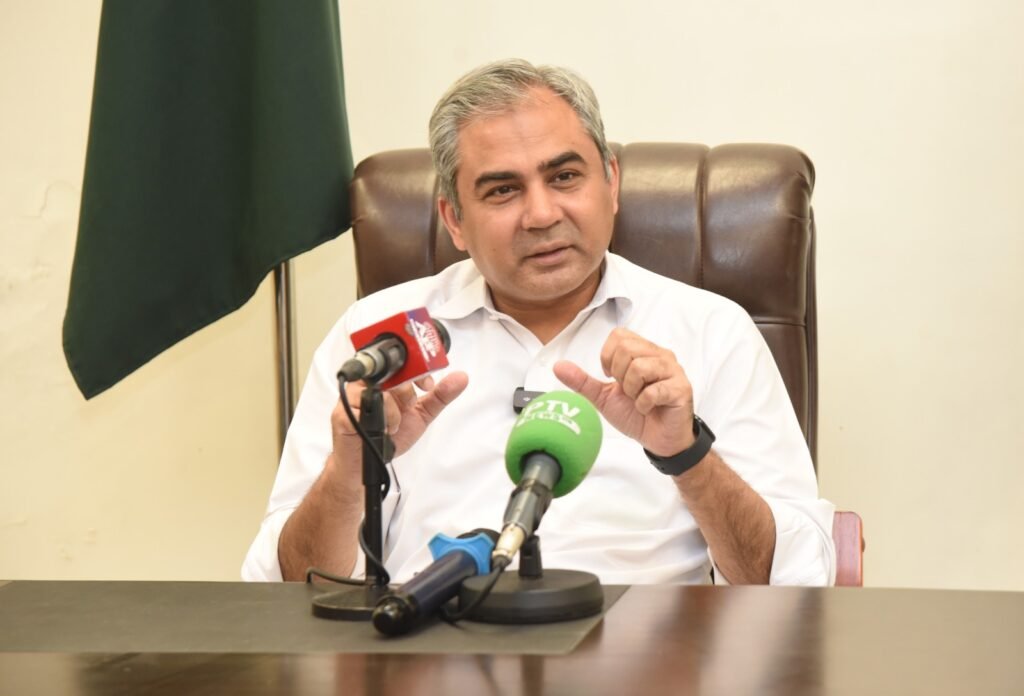
ISLAMABAD: Interior Minister Mohsin Naqvi has said Pakistan wants a future in which wars do not start at all, rather than credit for helping end them, in a wide-ranging address in Doha on Pakistan’s approach to peace, dialogue and counterterrorism. The Mohsin Naqvi Doha speech, delivered on Sunday, framed conflict prevention — not conflict resolution — as the centrepiece of Islamabad’s foreign policy outlook.
“We do not want credit for stopping wars. We want a future where wars do not start,” Naqvi told his audience in the Qatari capital, adding that Pakistan was proud of the role it had played in recent peace efforts but regarded preventing conflict as more important than receiving recognition for helping end one.
“Winning peace is far more important than winning a war”
Elaborating on the thinking behind the Mohsin Naqvi Doha speech, the interior minister said Pakistan would continue to support dialogue, peace and international cooperation.
“Pakistan is proud of the role it has played in recent peace efforts. We will continue to support dialogue, peace and cooperation because we believe that winning peace is far more important than winning a war,” he said.
Naqvi argued that no country could secure regional peace on its own, stressing that sustained dialogue, mutual trust and sincere efforts by all sides were essential to preventing and resolving conflicts.
Three lessons from recent conflicts
In the Mohsin Naqvi Doha speech, the minister distilled recent regional conflicts into three broad lessons for the international community.
“Never close the doors to dialogue. Trust is the most important key for any kind of talk. And thirdly, peace requires sincere efforts from everyone,” he said.
The remarks come after months of Pakistani diplomatic engagement during the US-Iran conflict, which saw Islamabad move from calling for restraint to becoming a key channel of communication between Washington and Tehran. Deputy Prime Minister and Foreign Minister Ishaq Dar had earlier said Islamabad was using diplomatic channels to encourage negotiations and reduce tensions, while Prime Minister Shehbaz Sharif later said Pakistan had helped sustain the diplomatic process and bring the two sides towards negotiations.
“Terrorism is a common enemy”
Naqvi also linked regional stability to the fight against terrorism, calling for stronger international cooperation, improved intelligence sharing and coordinated action in the Mohsin Naqvi Doha speech.
“Terrorism is a common enemy. We need stronger cooperation, better intelligence sharing and joint efforts to defeat it,” he said.
The interior minister noted that Pakistan had itself suffered heavily from terrorism, with thousands of civilians, soldiers and police personnel losing their lives over the years — a record he presented as the reason Islamabad speaks about counterterrorism with experience rather than theory.
Pakistan’s UN peacekeeping record
Highlighting another dimension of Pakistan’s contribution to global stability, Naqvi pointed to the country’s long-standing role in United Nations peacekeeping missions. Pakistani soldiers and police personnel have served in conflict-affected countries for decades, he said, helping protect civilians, support local law-enforcement institutions and restore stability.
The reference underscored the central argument of the Mohsin Naqvi Doha speech: that Pakistan’s approach goes beyond seeking recognition for helping bring individual conflicts to an end, and instead focuses on maintaining dialogue and cooperation before disputes escalate into wars. The themes of the Mohsin Naqvi Doha speech reflect a deliberate positioning of Pakistan as a country that invests in prevention.
Context: Pakistan’s mediation between the US and Iran
The speech follows a period in which Pakistan’s diplomatic profile has risen sharply. During this year’s US-Iran conflict, Islamabad emerged as a key intermediary between Washington and Tehran. The White House subsequently described Pakistan as the main intermediary in the US-Iran negotiations, while US Secretary of State Marco Rubio referred to Islamabad as Washington’s “primary interlocutor” as efforts continued to prevent renewed fighting.
Pakistan’s mediation also extended to the Strait of Hormuz, whose disruption had implications for global energy supplies and shipping; Islamabad backed the immediate reopening of the strategic waterway while maintaining contacts with Tehran, Washington and other regional stakeholders.
The mediation process later culminated in the Islamabad Memorandum of Understanding, which was electronically endorsed by US President Donald Trump, Iranian President Masoud Pezeshkian and Prime Minister Shehbaz Sharif in his role as mediator. The agreement established a framework for further negotiations, including steps towards de-escalation and the reopening of the Strait of Hormuz. By August, Iran’s Foreign Ministry said Pakistan, Turkiye and Qatar were involved in attempts to revive the framework, with spokesman Esmaeil Baghaei describing Pakistan as a key intermediary between Tehran and Washington.
Observers say the Mohsin Naqvi Doha speech signals that Islamabad intends to keep that diplomatic momentum alive. The objective, Naqvi said in Doha, was not simply to receive credit for stopping wars after they had started, but to work towards a future in which they could be prevented altogether.
Sources: Hum News, Business Recorder
Related Posts
 Pakistan NewsPresident Zardari to Visit Germany on Oct 22 — First Presidential Visit in 20 Years
 Pakistan NewsPakistan Railways: Train Timings, Fares and Online Booking Guide
 Pakistan NewsMaldives President Mohamed Muizzu Arrives Tomorrow for Three-Day State Visit to Pakistan
 Pakistan NewsKarachi Court Acquits Anmol alias Pinky in Two More Drug Cases
 Pakistan NewsPakistan Engages Foreign Experts to Recover K2 Airways Black Box From 3,000 Metres Under the Arabian Sea
 Pakistan NewsPakistan Farmers Protest Nationwide: PKR 5,000 Wheat Price Demand, End to Corporate Land Grabs
Most Popular
 How-ToPTA Tax Calculator 2026: Check Mobile Tax on Any Phone75 views
 BISPPunjab Driving License Scam Alert: Fake Websites & “Without Test” Fraud | UrduPro75 views
 Canada JobsTech Jobs in Canada: Roles, Salaries, and Skills Needed70 views
 BusinessTech Stocks Trillion Loss: $1 Trillion Wiped Out as Oil Hits $11065 views
 TechnologyTecno Mobile Prices in Pakistan 2026: Spark, Camon and Pova Series Compared56 views
 ShowbizWomen’s Fashion in Pakistan 2026: Trends, Brands and Style Guide51 views