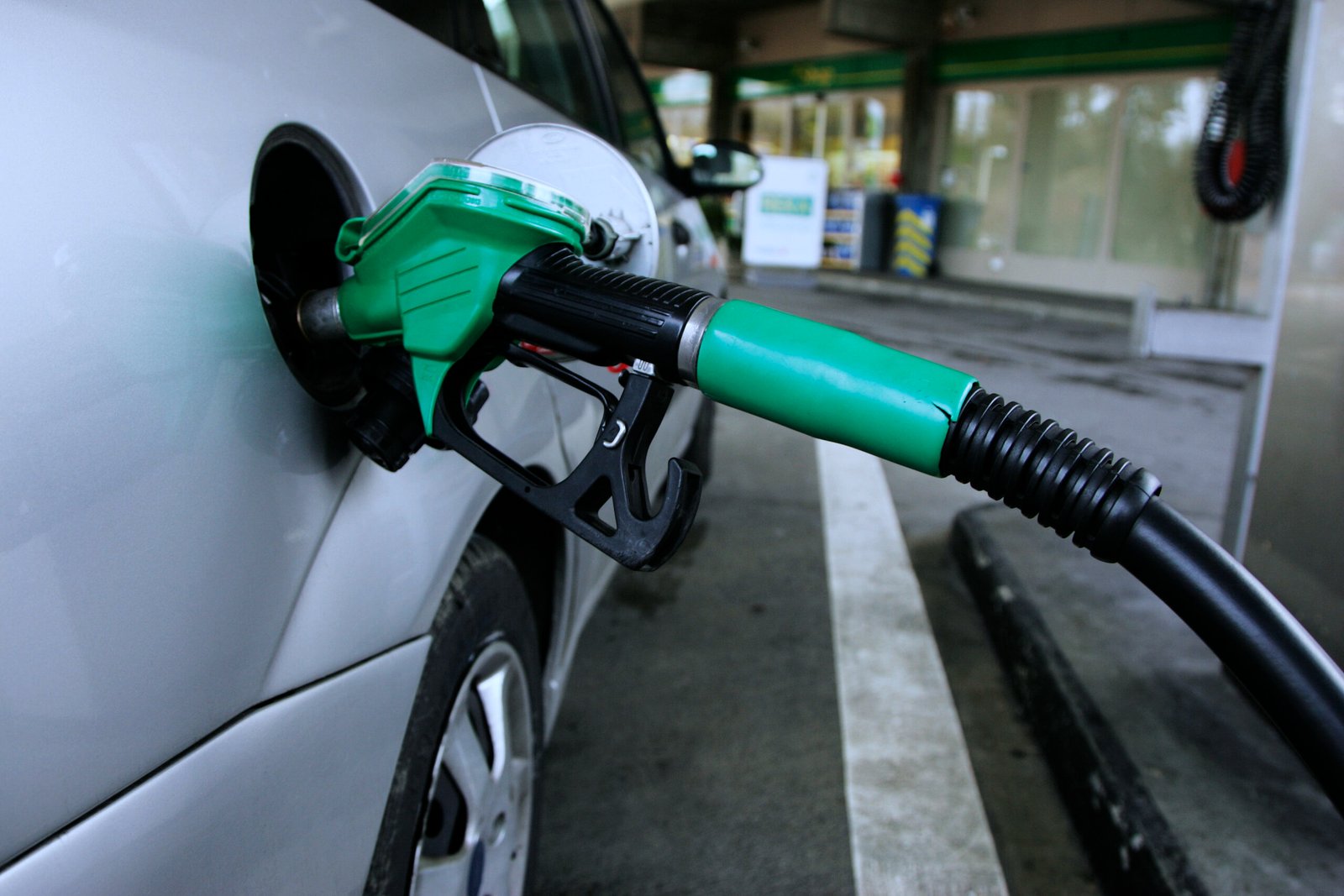
The federal government has raised the price of petrol by Re1 a litre to Rs323, ending a run of twelve consecutive daily cuts, while keeping high-speed diesel unchanged at Rs355 a litre. The new rates take effect from midnight as Friday, 20 November 2026 begins.
The Oil and Gas Regulatory Authority (OGRA) issued the notification on Thursday evening, revising the ex-depot prices of petroleum products for the next 24-hour cycle. Petrol, sold as MS-92, moves up from Rs322 to Rs323 a litre. High-speed diesel (HSD) stays exactly where it was, at Rs355 a litre, with no change at all.
Petrol up Re1, diesel holds at Rs355
According to the notification, the revised fuel rates were worked out under the petroleum pricing mechanism approved by the federal government. The new prices apply nationwide from midnight and remain in effect for the next 24-hour cycle, after which the next daily revision will be announced.
The increase is small in absolute terms — a single rupee on every litre — but it breaks a pattern that motorists had grown used to. For almost three weeks, every weekday revision brought the petrol price down. That run has now come to an end, at least for today.
Diesel consumers get a breather. With high-speed diesel held at Rs355, the fuel that powers trucks, buses, tractors and generators costs the same today as it did yesterday. That matters well beyond the pump: diesel feeds directly into transport fares, freight charges and farm costs, so a flat diesel price helps keep a lid on the prices of goods moving across the country.
Twelve straight cuts come to an end

The road to Rs323 has been a steady downhill one. On Monday, 17 November, the government cut petrol by Rs2 a litre to Rs328 and diesel by Rs2 to Rs358. A day later, petrol fell by another Rs3 to Rs325 in what was reported as the eleventh consecutive reduction. On Thursday, 19 November, petrol dropped by a further Rs3 to Rs322, with diesel down Rs3 to Rs355 — the twelfth straight daily cut in the sequence.
Today’s Re1 increase is therefore the first rise after twelve consecutive cuts. Petrol had been falling almost every working day since late October, and the increases that used to arrive every fortnight have given way to small daily adjustments in both directions.
Even after today’s rise, petrol is still far cheaper than it was a month ago. The daily cuts shaved tens of rupees off the litre price over the past few weeks, and a single rupee back does not undo that relief. What it does signal is that the downward slide has stopped — for now — and that pump prices will now track the international market day by day, up as well as down. For the full story of yesterday’s cut, see our report on the petrol price cut to Rs322.
Daily pricing: how the new system works
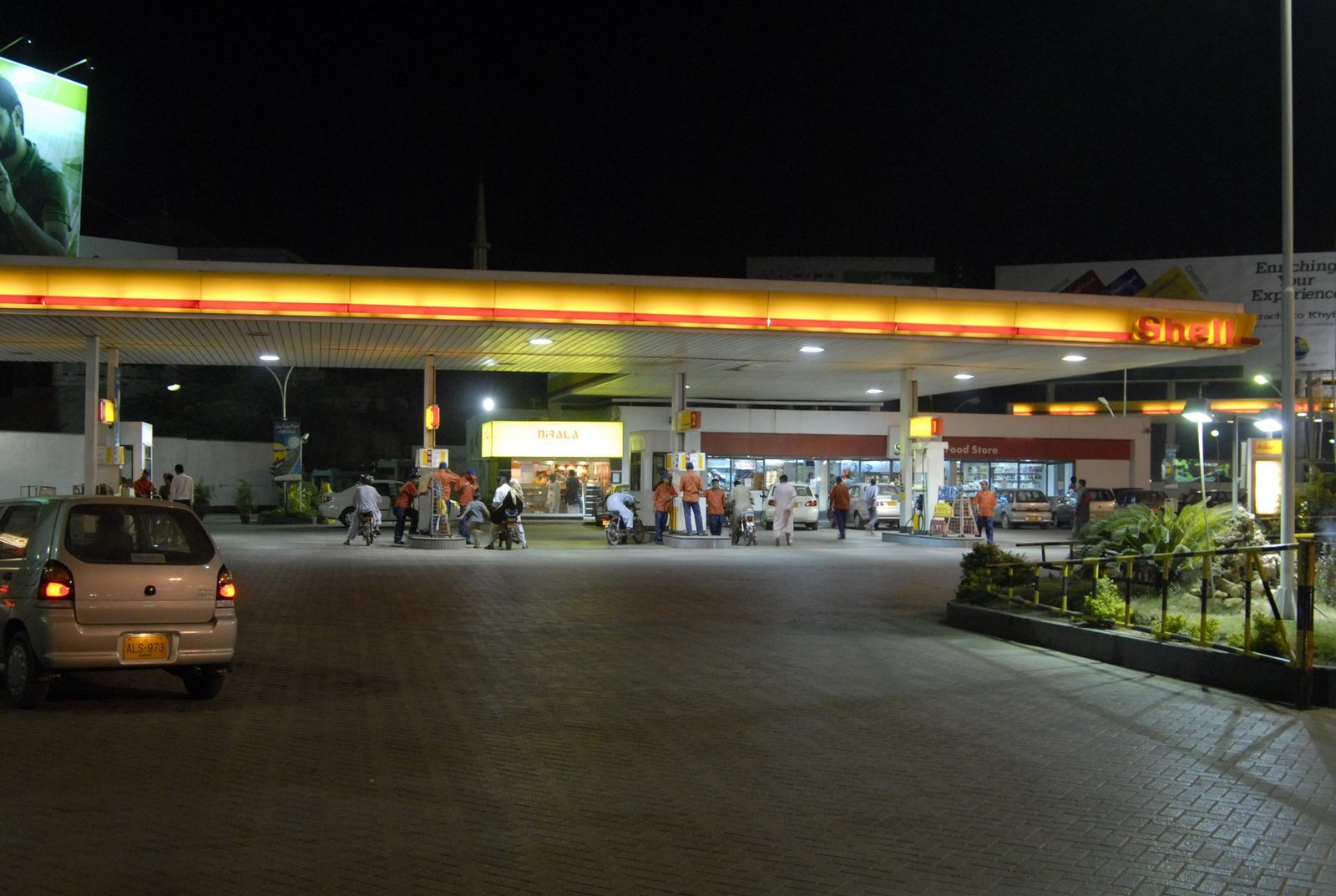
OGRA now revises fuel prices every working day, from Monday to Friday, basing each revision on international oil market movements. The regulator also publishes the daily prices on its official website, so motorists can check the notified rate before they fill up.
The change replaces the old fortnightly cycle, under which prices moved in larger jumps twice a month. Under daily pricing, adjustments are smaller and more frequent: a few rupees down when global prices soften, a rupee up when they firm. The idea is that Pakistani motorists feel international price changes sooner, instead of waiting up to two weeks for the next revision.
The system also brings more transparency. With a fresh notification every working day, there is less room for confusion about which price is in force, and the daily table of rates makes it easier to track exactly how much the price has moved over a week or a month. Our petrol price in Pakistan page tracks the notified rates as they change.
What the increase means for motorists
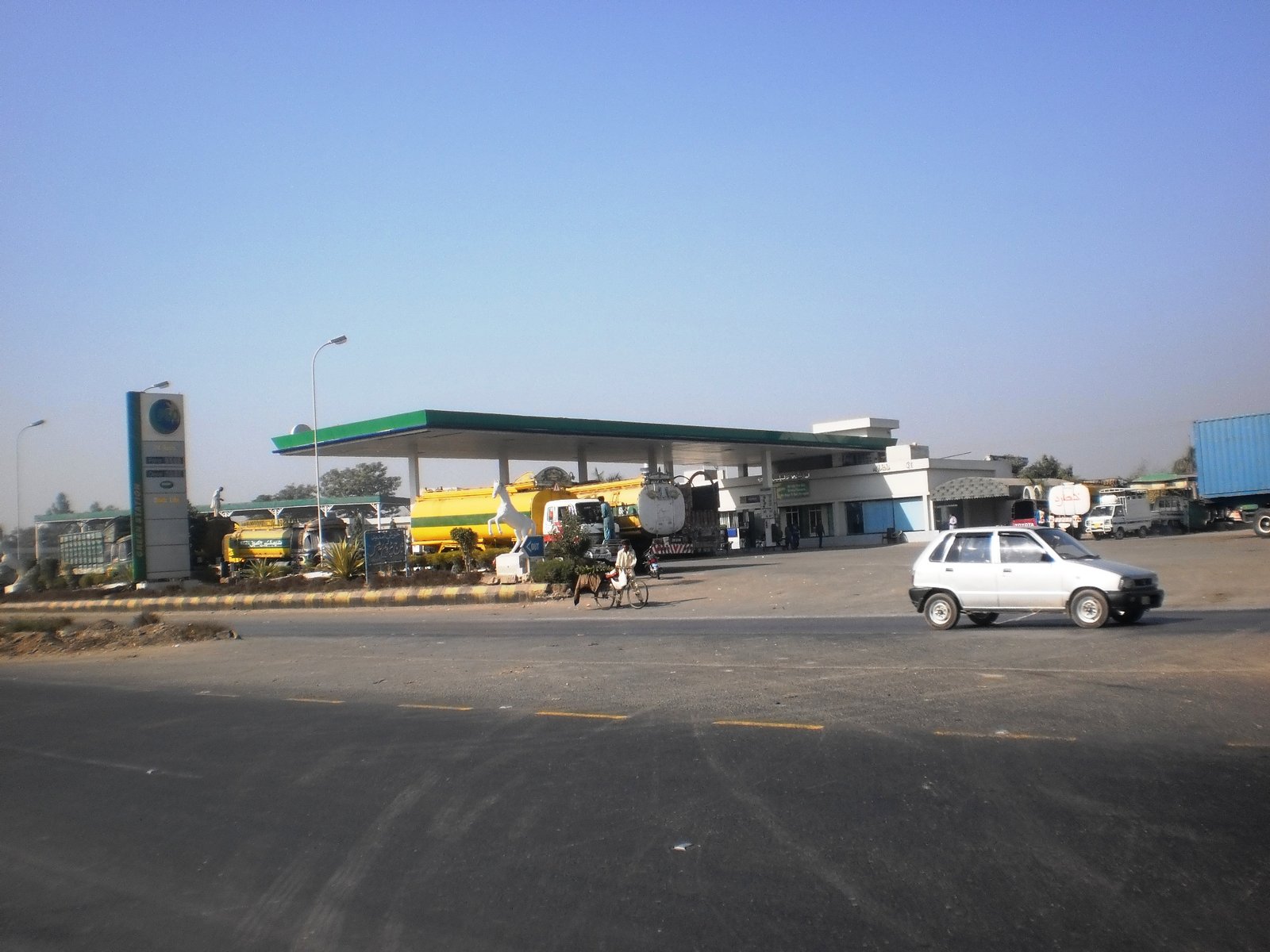
For a motorist, the arithmetic is simple. A Re1 rise means a 10-litre top-up costs Rs10 more than yesterday, and a 40-litre tank fill costs Rs40 more. It is a modest amount on a single visit to the pump, but it adds up across a month of commuting, especially for riders and drivers who fill up several times a week.
The bigger question is what comes next. If international oil prices keep climbing, daily revisions could bring further small increases in the days ahead. If they soften again, the cuts could resume just as quickly. That is the nature of the new system: prices now respond to the market every working day, rather than holding steady for a fortnight.
It is also worth remembering how much of the pump price is tax. According to a report earlier this week, the government collects Rs114 a litre in taxes and duties on petrol and Rs100 a litre on high-speed diesel. That means a large share of what motorists pay at the pump goes to the exchequer rather than to the cost of the fuel itself, and any future relief will depend as much on tax policy as on world oil prices.
For now, the message for motorists is straightforward: petrol is Rs323 a litre from today, diesel is Rs355, and the next revision will come on the next working day under the daily pricing cycle.
Related Posts
 BusinessThar Coal Mining Shifts from Diesel to National Grid by April 2028
 BusinessPakistan Mango Exports Fall 36% as US–Iran Tensions and Closed Borders Hit the King of Fruits
 BusinessPM Shehbaz Announces Rs400 Billion Tax Relief and Major EV Push
 BusinessRoshan Digital Accounts Near One Million as Overseas Pakistanis Send $274 Million in October
 BusinessPakistan Targets Rs2 Trillion in SME Financing by June 2028 as Export Finance Scheme Rises to Rs1.5 Trillion
 BusinessPakistan Finalises Plan for 16 LNG Cargoes to Keep Gas Flowing Through Winter
Most Popular
 How-ToPTA Tax Calculator 2026: Check Mobile Tax on Any Phone420 views
 Pakistan NewsPIA Boeing 787 Lease Deal: What It Means for the Airline396 views
 Canada JobsTech Jobs in Canada: Roles, Salaries, and Skills Needed392 views
 SportsUEFA Champions League 2026-27: Format, Teams and Schedule389 views
 TechnologyPM Shehbaz Sets November Deadline for Alibaba AI and Digitalisation Projects in Pakistan369 views
 ShowbizWomen’s Fashion in Pakistan 2026: Trends, Brands and Style Guide366 views