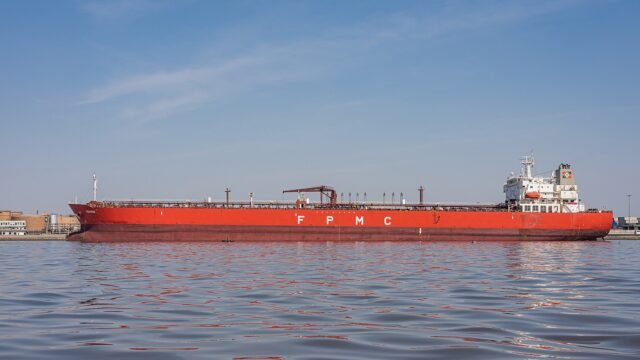
Petrol in Pakistan has become cheaper for the fifth day in a row. In the latest petrol price Pakistan November 2026 revision, The federal government announced on Friday a cut of Rs6.59 per litre in the petrol price and Rs4.25 per litre in high-speed diesel, taking petrol down to Rs346 a litre and diesel to Rs378 a litre from Saturday, 7 November. The Oil and Gas Regulatory Authority (OGRA) said the revised prices would remain in effect from 7 to 9 November.
For motorists, the relief is now adding up fast. Petrol has fallen by Rs31.91 a litre in a single week — from Rs377.91 on 31 October to Rs346 today — while diesel is down Rs24.96 over the same period, from Rs402.96 to Rs378. It is the sharpest run of fuel-price cuts Pakistan has seen in months, and it comes just as the government has moved to daily price revisions so that changes in world oil markets reach the pump more quickly.
Petrol price Pakistan November 2026: new rates from 7 November

Under the latest revision, petrol will now cost Rs346.00 per litre, down from Rs352.59, a reduction of Rs6.59. High-speed diesel falls from Rs382.25 to Rs378.00 per litre, down Rs4.25. The rates were set out in a notification issued by OGRA on Friday, and the regulator has also begun publishing its daily petroleum prices on its own website so that motorists can check the current rate for themselves.
The new prices follow a cut of Rs9.41 a litre in petrol and Rs5.56 in diesel that took effect on 6 November. Before that, petrol had already been cut on 3, 4 and 5 November, making today’s announcement the fifth consecutive daily reduction. Each day’s revision is a separate OGRA notification, so the price at the pump can now move every morning rather than waiting for the old fortnightly cycle.
Fifth cut in a week: petrol down Rs31.91 since 31 October
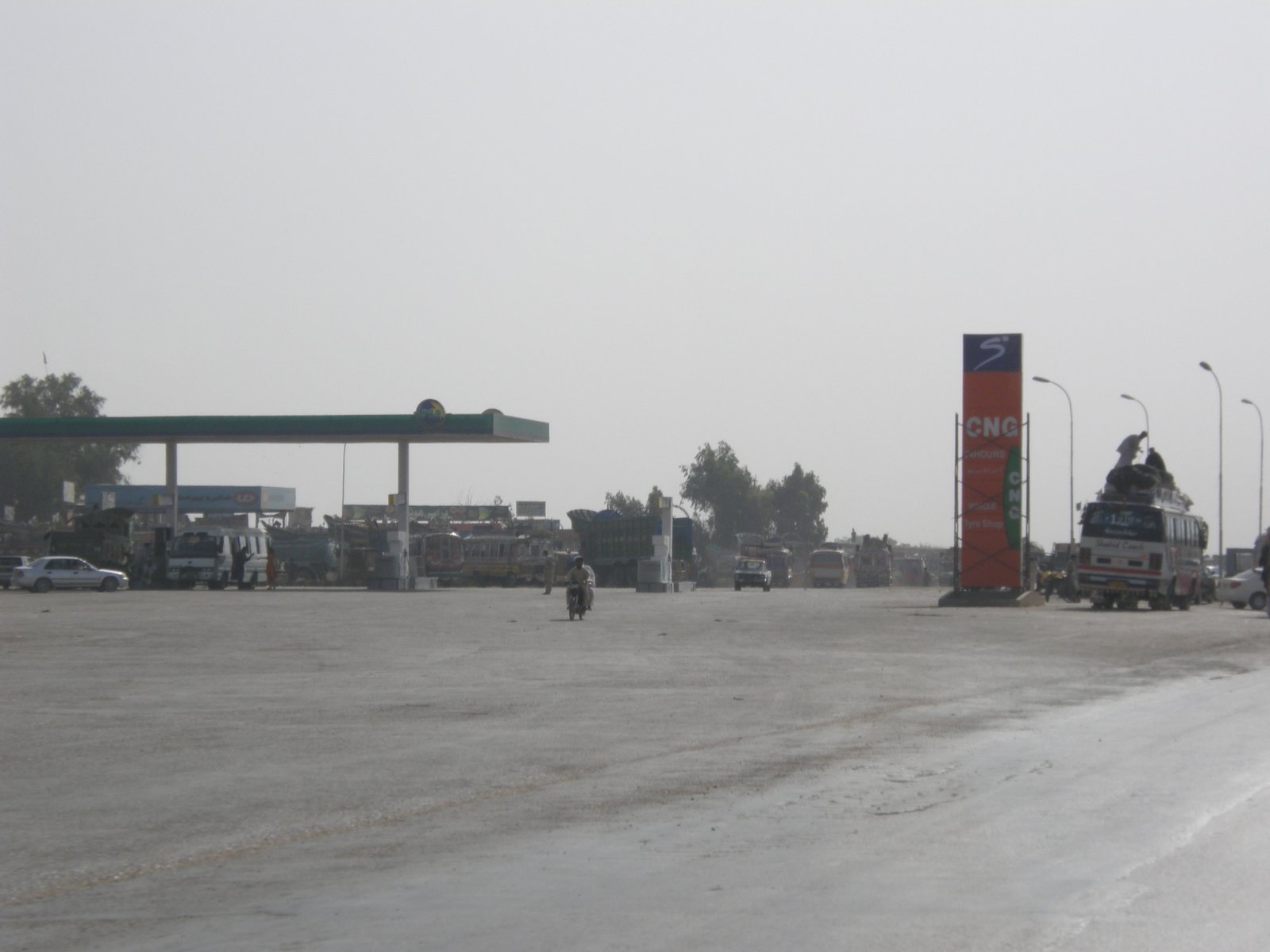
The scale of the week’s fall is what stands out in the petrol price Pakistan November 2026 trend. A week ago, petrol was selling at Rs377.91 a litre. Five daily cuts later it is Rs346 — a drop of Rs31.91, or roughly 8.5 per cent, in seven days. Diesel has fallen by Rs24.96 a litre over the same stretch, from Rs402.96 to Rs378.
The cuts have been driven by falling international oil prices and by a new pricing arrangement under which refineries are absorbing part of the petroleum levy. Under the 30-day arrangement announced earlier in the week, oil refineries will bear a cumulative impact of about Rs15 billion, with the benefit passed through to consumers as lower pump prices. The arrangement is temporary, which is why the daily cuts may not continue indefinitely even if world prices stay soft.
Taxes unchanged at Rs114 on petrol and Rs100 on diesel
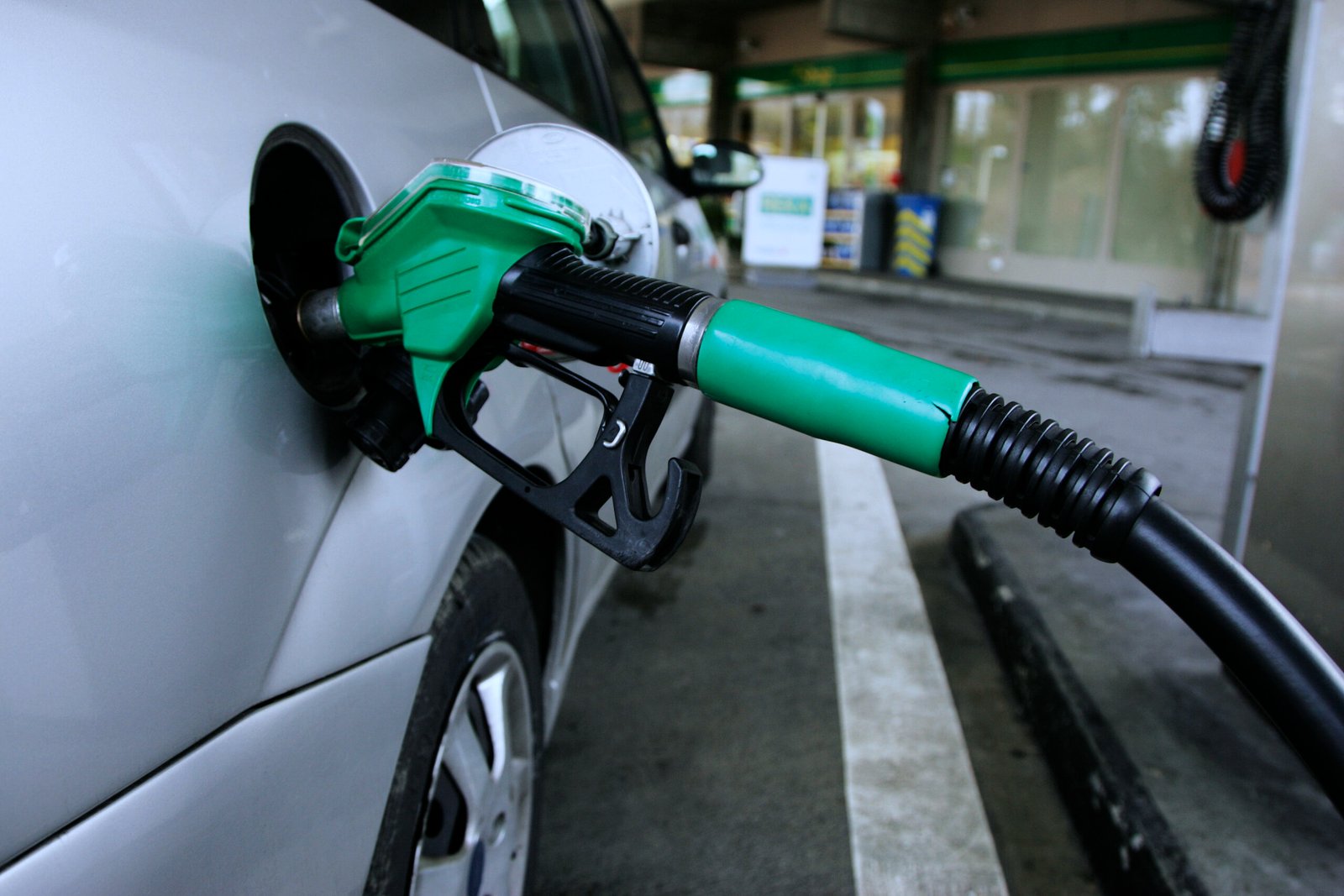
The latest cut is not a tax cut. Taxes and duties inside the pump price have not changed — about Rs114 a litre on petrol and Rs100 a litre on diesel, according to the price breakdowns published with the notification. At the new petrol price of Rs346, taxes still account for roughly a third of what a motorist pays at the pump.
That is an important detail for anyone expecting prices to keep falling at the same pace. The relief so far has come from lower international prices and the refinery levy arrangement, not from any reduction in the government’s own take. If world oil prices stabilise or rise, the daily revisions can just as quickly move in the other direction.
How the new daily pricing system works
Pakistan moved to daily fuel-price revisions after heightened volatility in global oil markets following renewed hostilities in the Middle East. The weekly review system had itself been introduced after the outbreak of the Israel–Iran conflict in February, which was further intensified by US involvement and disruptions to energy shipments through the Strait of Hormuz, a key route for global oil supplies. Before that, petroleum prices were revised on a fortnightly basis.
The federal cabinet approved changes to the petrol pricing mechanism on 30 October. Under the revised formula, the import price of petrol is determined on the basis of the actual import cost of the relevant PSO cargo. If that cost is unavailable for daily pricing, the premium, incidentals and customs duty of the last available cargo are used instead. For local refineries, the government has temporarily fixed the premium, incidentals and customs duty used in calculating the ex-refinery petrol price at their 7 March 2026 — pre-war — levels for 30 days. The difference between the import price and the resulting ex-refinery price is surrendered by refineries under the petroleum levy account, with the benefit passed on through a corresponding reduction in the petrol price.
Sasta Petrol relief continues — and what to watch next
Alongside the price cuts, the targeted Sasta Petrol relief for eligible motorists continues. The scheme, announced on 13 September, gives Rs100 off every litre of petrol — up to 20 litres a month for motorcycles, rickshaws and other two- and three-wheelers, and up to 30 litres a month for cars up to 800cc — with registration through an SMS to 9771. The relief has been extended to run until December 2026. At today’s price, an eligible motorcyclist filling up within the quota effectively pays Rs246 a litre.
What happens next for the petrol price Pakistan November 2026 depends on two things: world oil prices and the refinery arrangement. The next revision is expected after the 9 November public holiday, and the 30-day refinery levy deal runs for the rest of the month. For now, though, motorists are paying the lowest petrol price in two months — and after five cuts in five days, the question at the pump is no longer whether prices will fall, but how long the fall can last.
Related Posts
 BusinessPakistan–Türkiye Offshore Oil Search Resumes After 20 Years as Turkish Seismic Vessel Heads for Karachi
 BusinessNEPRA Approves Rs2.37 Per Unit Fuel Adjustment for November Bills
 BusinessNestlé Pakistan Wins Two Sustainability Awards for AI-Driven Regenerative Agriculture
 BusinessPakistan Trade Deficit Widens 19.7% to $3.88 Billion in October as Imports Outpace Exports
 BusinessABHI IPO Raises Rs2.046 Billion at Rs15.50 a Share as Book Building Oversubscribed by 59%
 BusinessWeekly Inflation Rises to 12.31% as Tomato Prices Jump 54% in a Week — LPG Up 115% in a Year
Most Popular
 How-ToPTA Tax Calculator 2026: Check Mobile Tax on Any Phone417 views
 Pakistan NewsPIA Boeing 787 Lease Deal: What It Means for the Airline389 views
 Canada JobsTech Jobs in Canada: Roles, Salaries, and Skills Needed387 views
 SportsUEFA Champions League 2026-27: Format, Teams and Schedule384 views
 TechnologyPM Shehbaz Sets November Deadline for Alibaba AI and Digitalisation Projects in Pakistan364 views
 ShowbizWomen’s Fashion in Pakistan 2026: Trends, Brands and Style Guide360 views