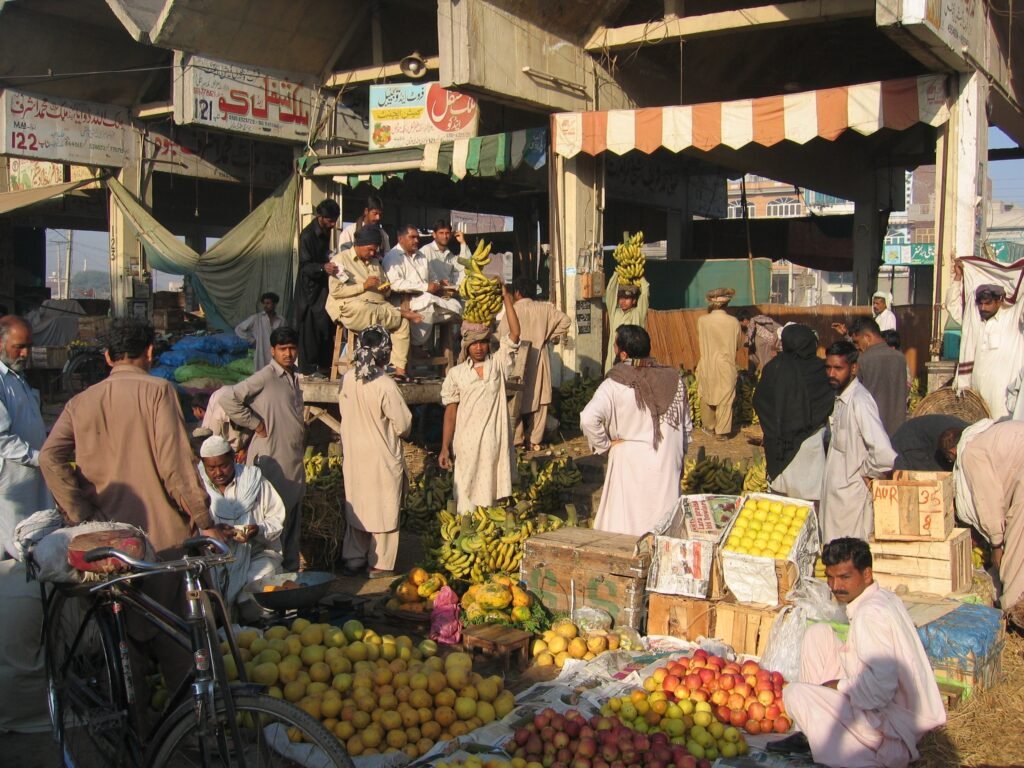
Weekly inflation in Pakistan edged up again this week, and the sharpest pain is on the kitchen shelf. Tomato prices jumped by more than half in a single week, pushing the annual inflation rate to 12.31 percent, according to fresh data from the Pakistan Bureau of Statistics released on Friday, 6 November 2026. These are the weekly inflation Pakistan November 2026 figures — the first SPI release of the month.
The Sensitive Price Indicator, the weekly gauge that tracks 51 essential items, rose 0.29 percent in the week ended 5 November. That is a small weekly move on its own, but it takes the year-on-year rate up from last week’s reading of 11.85 percent — the direction, for households, is the wrong one.
Tomatoes lead the weekly jump
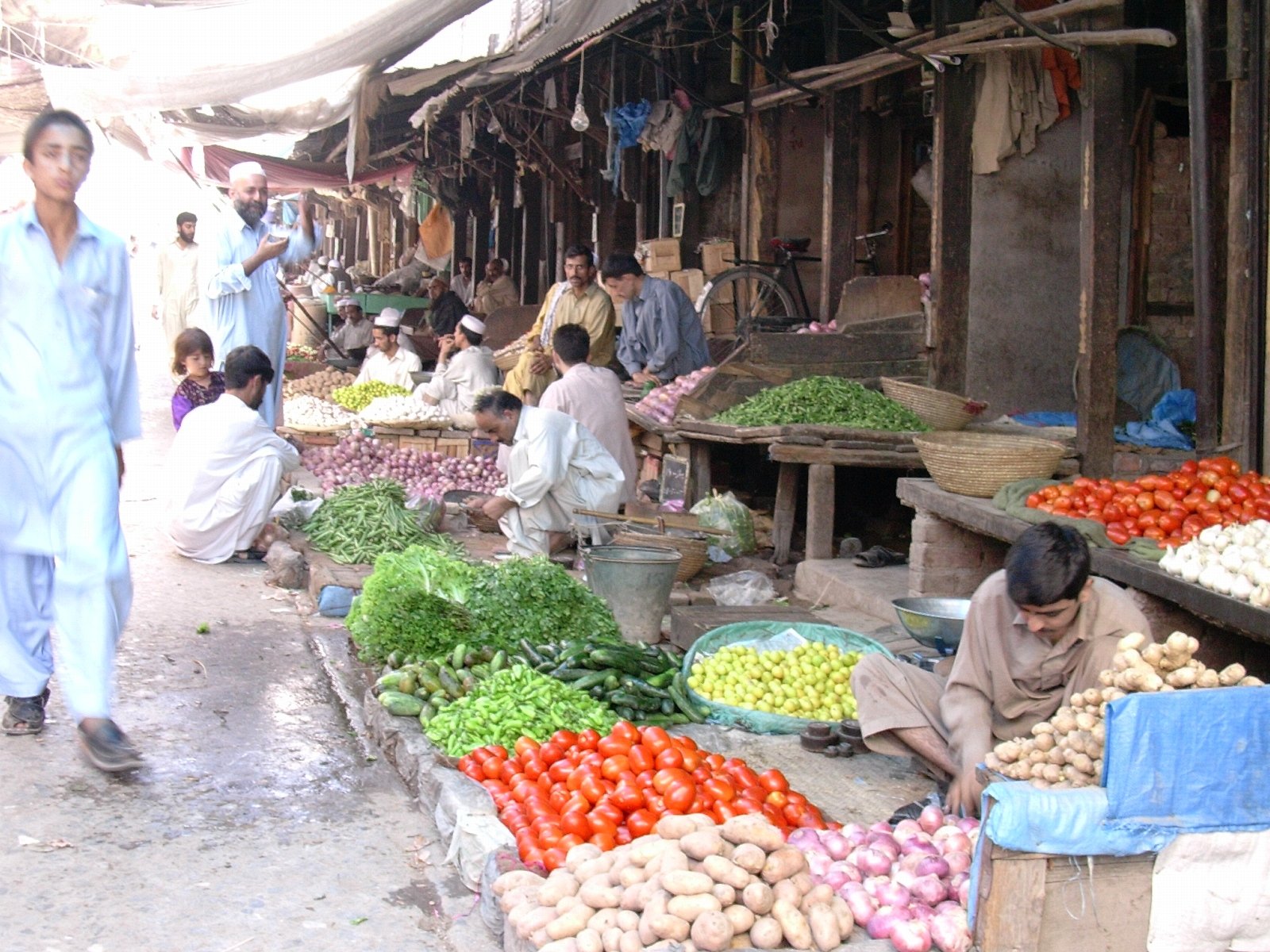
Tomatoes recorded the steepest weekly increase of any item in the basket, rising 54.18 percent in seven days. For a vegetable that sits in almost every Pakistani kitchen, a jump of that size is felt immediately — and it is not a one-week story. Compared with the same week last year, tomato prices are up 78.89 percent.
LPG was the second-biggest weekly riser, up 3.72 percent, followed by potatoes at 2.07 percent, eggs at 1.17 percent and garlic at 1.06 percent. Firewood rose 1.01 percent, salt powder 0.91 percent, plain bread 0.64 percent, fresh milk 0.49 percent and curd 0.41 percent. In all, prices of 21 of the 51 items tracked went up during the week, while 10 became cheaper and 20 stayed unchanged.
What else got dearer — and what got cheaper
Not everything moved up. Petrol fell 4.20 percent during the week and diesel dropped 2.97 percent, the largest weekly declines in the basket. Gram pulse became 1.08 percent cheaper, bananas 0.85 percent, onions 0.82 percent, powdered milk 0.73 percent, chicken 0.61 percent, sugar 0.40 percent, wheat flour 0.34 percent and moong pulse 0.27 percent.
The mixed picture is typical of the weekly index: a handful of sharp moves in fresh food and fuel, with most everyday items drifting only slightly. But the balance this week tilted upward — more than four in ten items rose, against fewer than two in ten that fell.
LPG up almost 115 percent in a year
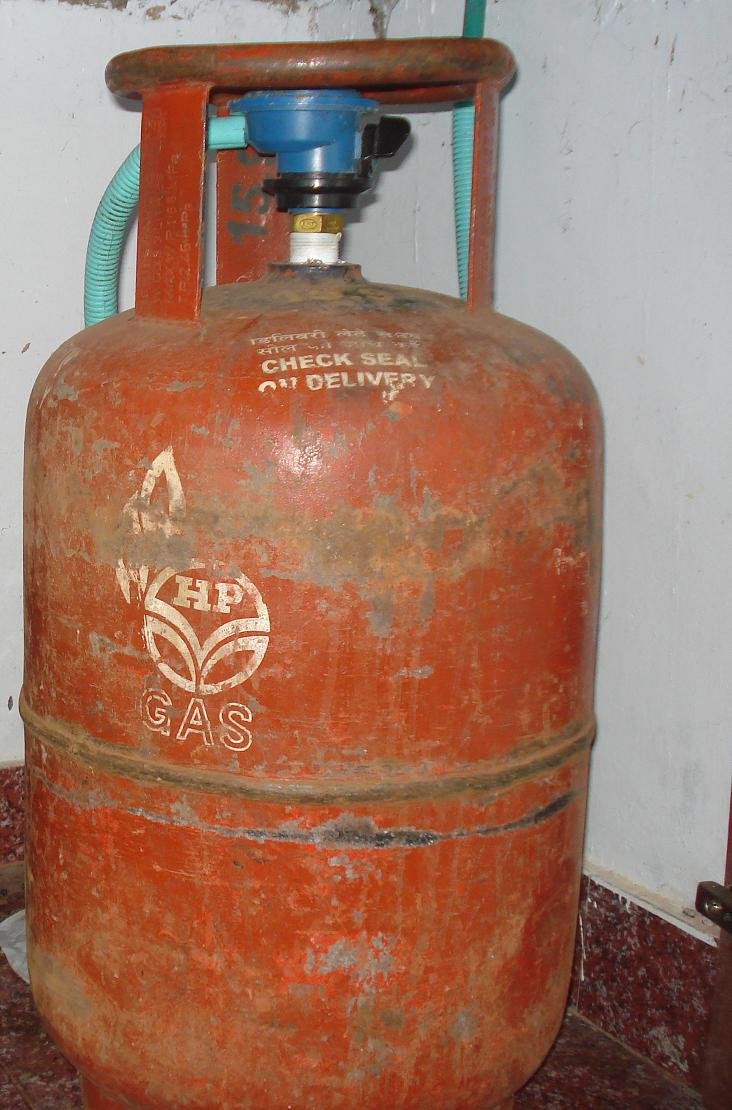
The annual figures tell a starker story than the weekly ones, and cooking gas sits at the top of it. LPG prices are up 114.88 percent compared with a year ago — more than double in twelve months. For households that cook on gas cylinders, that is the single biggest squeeze in the entire basket.
Electricity charges for the lowest consumption category are up 52.38 percent year-on-year, diesel 39.27 percent and petrol 36.34 percent. Wheat flour is 33.95 percent dearer than a year ago, chicken 31.81 percent, chillies powder 15.55 percent, mutton 14.54 percent, onions 13.64 percent, plain bread 12.35 percent and beef 11.06 percent.
There are some annual declines too. Potatoes are 37.24 percent cheaper than a year ago, eggs 27.59 percent, sugar 25.03 percent, salt powder 14.09 percent, gur 7.75 percent, masoor pulse 7.49 percent, moong pulse 6.79 percent and IRRI-6/9 rice 1.79 percent. But those falls sit alongside increases in the items households buy most often.
The poorest households felt it most
The weekly rise hit the poorest households hardest. For the lowest consumption group — households spending up to Rs17,732 a month — the index rose 0.86 percent in the week, to 361.00 points from 357.92, nearly three times the national weekly increase of 0.29 percent. When the cheapest basket rises fastest, the families with the least room to adjust are the ones who feel it first.
That pattern is the quiet warning inside the weekly inflation Pakistan November 2026 release. The national figure smooths over the differences between income groups; the lowest group, which spends the largest share of its budget on food and fuel, is carrying the heaviest load this week.
Fuel relief shows up in the numbers
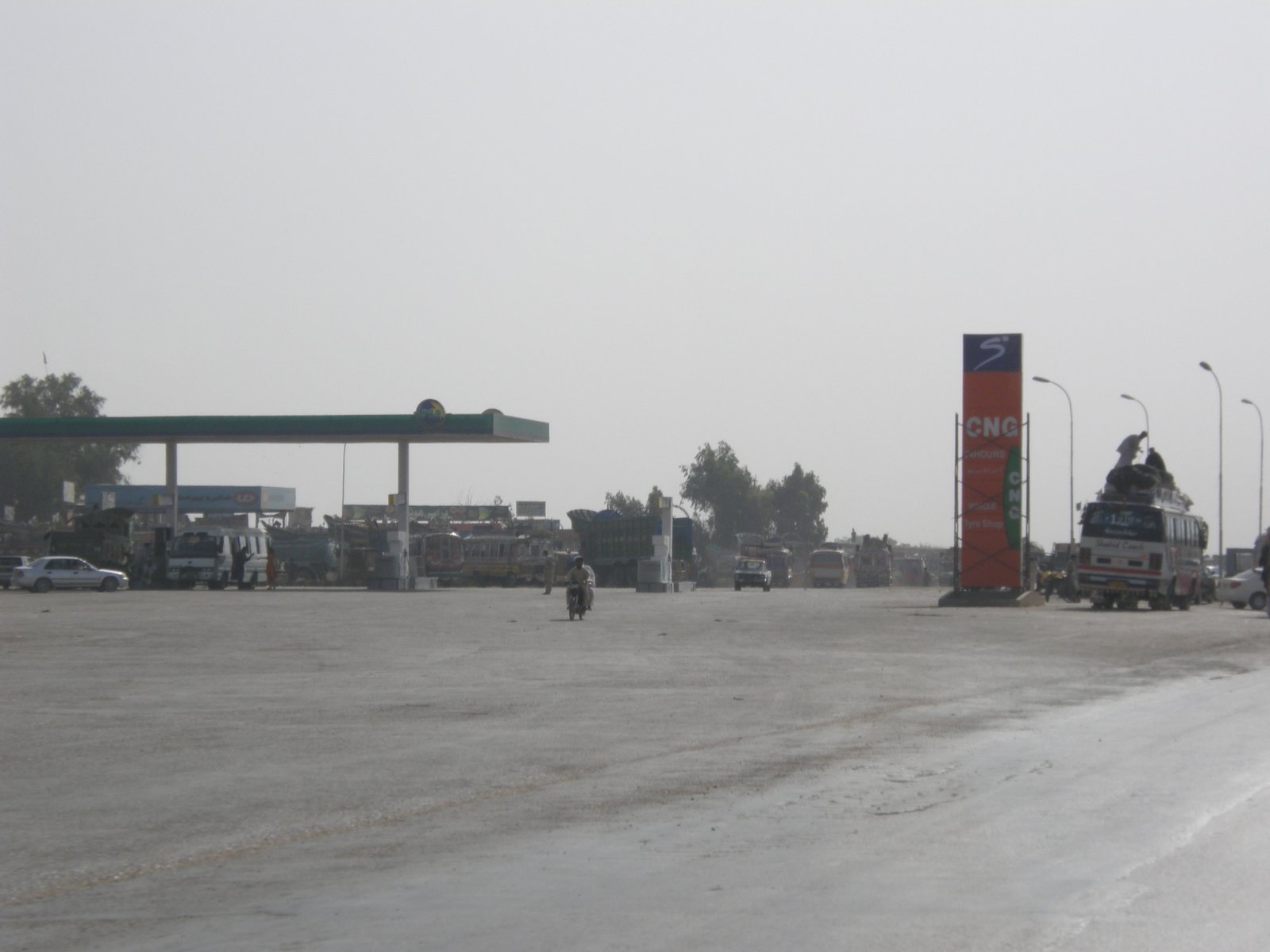
The one clear piece of relief in this week’s data is at the fuel pump. The weekly fall in petrol and diesel prices follows the fuel price cut announced earlier this week, and it is already visible in the official figures. Transport costs feed into almost everything else a household buys, so a sustained fall at the pump would eventually ease pressure elsewhere — but one week of lower fuel prices does not undo a year in which petrol is still up more than a third.
Farm inputs tell a similar mixed story. A 50kg bag of Sona Urea averaged Rs4,782 during the week, up 1.26 percent on the week and 10.79 percent on the year. A 50kg cement bag averaged Rs1,587, down 0.29 percent on the week but still 14.30 percent higher than a year ago.
Weekly inflation Pakistan November 2026: what the SPI measures — and what to watch next
The Sensitive Price Indicator tracks the prices of 51 essential commodities across 50 markets in 17 cities, using 2015-16 as its base year. It is published every week, which makes it the fastest official read on what households are actually paying — well ahead of the monthly inflation figures.
What matters next is whether the tomato spike reverses as quickly as it arrived — fresh vegetable prices can fall as fast as they rise when supplies recover — and whether the fuel-price relief holds into next week’s reading. The annual rate, at 12.31 percent, is moving the wrong way for now. The next weekly inflation Pakistan November 2026 reading, due next Friday, will show whether this week was a blip driven by one vegetable, or the start of a steadier climb.
Sources: Mettis Global reported the PBS weekly SPI data; Bloom Pakistan reported the annual LPG and tomato figures.
Related Posts
 BusinessABHI IPO Raises Rs2.046 Billion at Rs15.50 a Share as Book Building Oversubscribed by 59%
 BusinessDiscos Seek Rs23.33 Billion Electricity Tariff Hike for July–September Quarter — NEPRA Hearing on 17 November
 BusinessPakistan’s First Marble City Coming to Karachi: $250 Million Industrial Park on 300 Acres
 BusinessIMF Warns Pakistan: Growth at 3.5% Is Not Enough — Deep Reforms Needed Before Programme Ends in 2027
 BusinessBank of Punjab Launches Pakistan’s First Mastercard World Elite Credit and Debit Cards
 BusinessSBP Forex Reserves Rise to $21.56 Billion as Pakistan Hits Third Weekly Gain
Most Popular
 How-ToPTA Tax Calculator 2026: Check Mobile Tax on Any Phone417 views
 Pakistan NewsPIA Boeing 787 Lease Deal: What It Means for the Airline389 views
 Canada JobsTech Jobs in Canada: Roles, Salaries, and Skills Needed387 views
 SportsUEFA Champions League 2026-27: Format, Teams and Schedule384 views
 TechnologyPM Shehbaz Sets November Deadline for Alibaba AI and Digitalisation Projects in Pakistan364 views
 ShowbizWomen’s Fashion in Pakistan 2026: Trends, Brands and Style Guide360 views


One comment