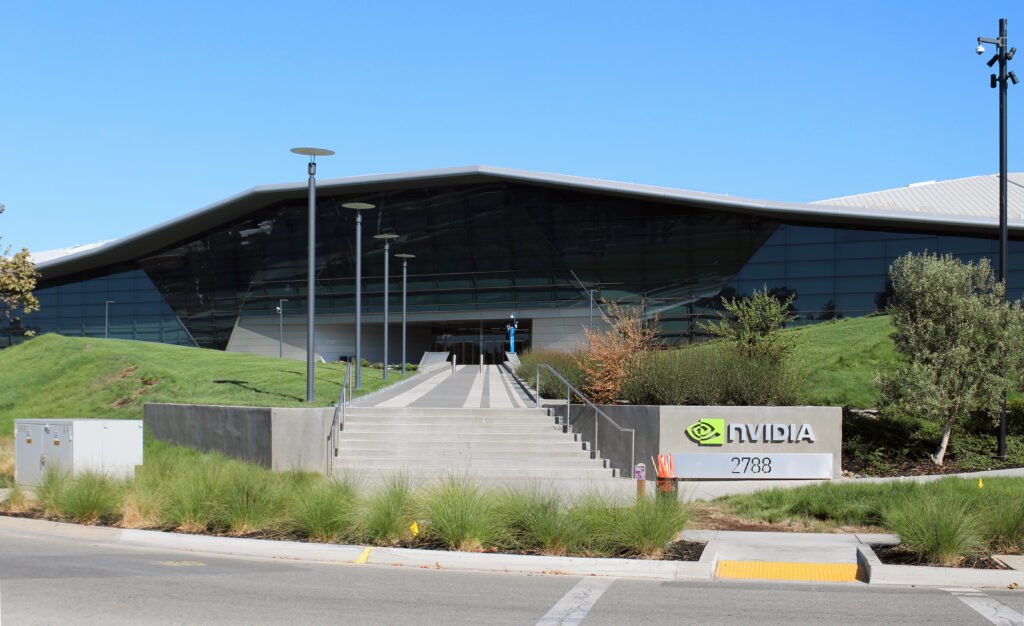
Nvidia is investing $3 billion in Meta as the two companies deepen their partnership around Muse, Meta’s personal AI agent. The deal, announced on Tuesday, 27 October 2026, ties the world’s most important AI chipmaker directly to one of its biggest customers — and to the agent Meta hopes will do everyday digital work for billions of people.
The Nvidia Meta Muse partnership is about more than a cheque. Meta’s Muse models already run on Nvidia infrastructure, and the two companies say they will now work more closely to improve performance and bring down the cost of running AI agents. The contest is no longer just about who builds the smartest chatbot. It is about who builds the agent that actually gets things done — and who supplies the machines it runs on.
What Nvidia and Meta actually announced
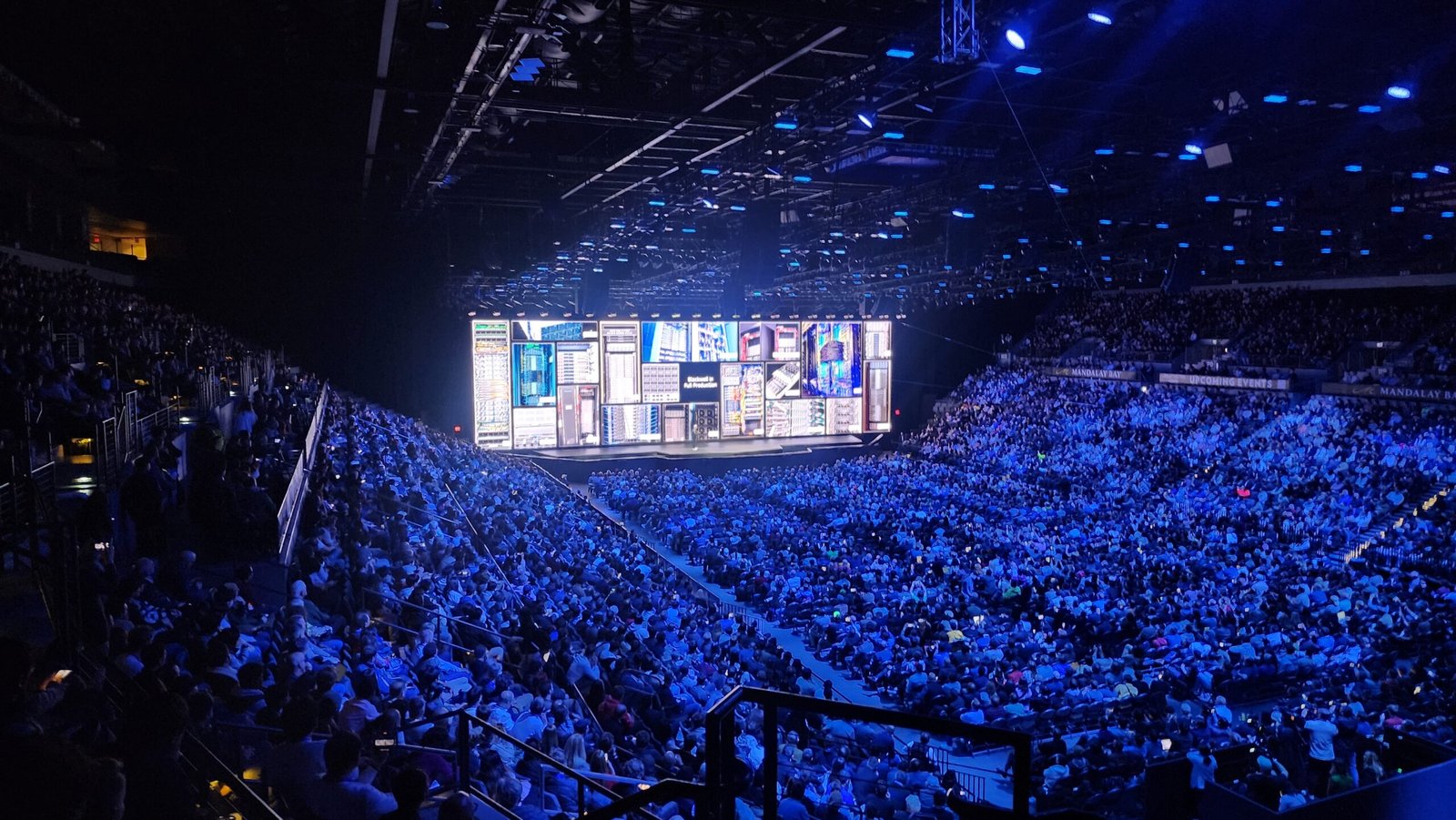
Nvidia said it will invest $3 billion in Meta’s equity offering as part of a deepened partnership on Muse and related AI models. The announcement came on the same day Meta increased its planned equity fundraising to $97.5 billion, the largest in the company’s history, to pay for its AI infrastructure build-out.
The two companies said Muse models and agents, which run on Nvidia infrastructure, will be developed more closely together, with the aim of better performance and lower costs. They also said they may explore working together more on Nvidia’s OpenShell framework, including using it to roll out software safely and using a tool called Sentry to monitor how AI agents behave.
What Muse is — and what it is not

Muse is not another chatbot that only answers questions. Launched in the United States on 8 September 2026 for adults aged 18 and over, it is Meta’s personal AI agent: software designed to carry out tasks on a user’s behalf. Known inside Meta by the codename Hatch, it is built by Meta Superintelligence Labs under chief AI officer Alexandr Wang, and it sits at the centre of chief executive Mark Zuckerberg’s plan to deliver what he calls “personal superintelligence”.
In practice, Muse can check email, manage calendar appointments, fill in online forms and navigate websites, and it can keep working after the app is closed. Modelled on the open-source AI agent OpenClaw, it can be connected to email, calendar, payments, health, shopping and smart-home applications, with users able to revoke access at any time. It is designed to pause for approval before sensitive actions, such as sending an email or making a purchase.
It is also a different product from Meta AI, the assistant already built into Facebook, Instagram and WhatsApp. Meta AI answers questions inside those apps. Muse is a separate agent with its own app and a web version at muse.ai, built to act across apps rather than simply reply inside one of them.
Where Meta’s $97.5 billion comes from
Meta originally planned to raise around $95 billion, then upsized the plan to $97.5 billion after strong demand. The package includes $25 billion of Class A common stock priced at $625 per share and $12.5 billion of mandatory convertible preferred depositary shares priced at $50 each.
The remaining $60 billion is a separate at-the-market programme — shares to be sold over time at prevailing market prices, expected to begin only after Meta’s planned non-voting Class C shares start trading in early 2027. That portion is a plan for future sales, not cash already in the bank.
The reason for the scale is the cost of the AI build-out itself. Meta has forecast capital spending of $135 billion to $145 billion in 2026, up from $72.2 billion in 2025, as it pours money into chips and data centres to compete with OpenAI and Anthropic. Nvidia is not the only chipmaker backing the raise: AMD separately announced a $1 billion investment, and reports put total interest from Nvidia, AMD and Broadcom at up to $5 billion.
Why chipmakers are buying into their customer
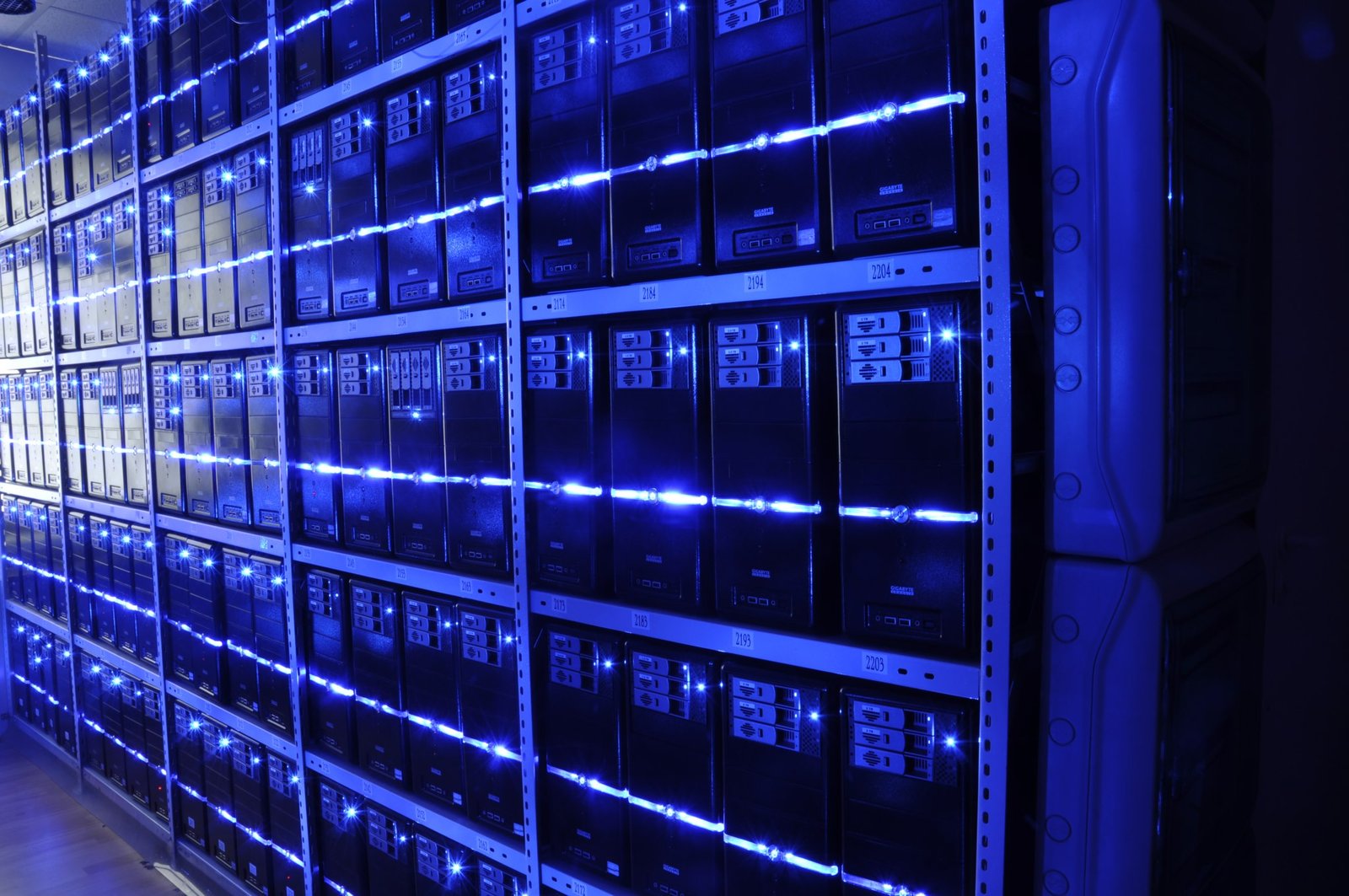
On the surface, the logic is straightforward. Meta intends to deploy more Nvidia infrastructure, including Vera Rubin systems and Vera central processing units, along with Spectrum-X networking and BlueField-4 processors, according to reports of the companies’ plans. A chipmaker that also owns a stake in its customer has a stronger reason to tune its hardware for that customer’s workloads.
Analysts have also flagged the other side of the coin. When suppliers help finance one of their biggest customers, capital flows in a circle: chipmakers invest, the customer buys more chips, and the chipmakers’ results improve. That is a risk to watch, not evidence of wrongdoing, but it is why investors are asking how quickly Meta’s spending turns into revenue.
For Nvidia, the deal also positions it as the infrastructure layer underneath the agent era — the company whose chips, networking and software power agents built by others. Its recent public disagreements with other AI leaders show how contested that layer has become.
What it means for users in Pakistan

Pakistani readers should be clear about one thing first: Muse launched in the United States, and these announcements do not set a Pakistan launch date. Anyone promising a local release date today is guessing.
Millions of Pakistanis use Meta’s apps every day, and the same pattern is already visible at home: the government is pushing AI and digitisation into governance, exports and public services, as seen in the November deadline set for Alibaba-backed AI and digitalisation projects. Agents that can book, pay and file forms will eventually reach Pakistani users through phones they already carry — whether from Meta, OpenAI, whose latest model launch cut costs sharply, or a local provider.
When that happens, the Nvidia Meta Muse partnership will matter in practical ways. Better performance and lower running costs are what turn an agent from a novelty into something ordinary people can afford to use daily. But the trust questions travel with it: which apps the agent can reach, whether it must ask before spending money or sending a message, and how easily access can be revoked. Those controls, more than any single model update, will decide whether personal AI agents earn a place in daily life in Pakistan.
Related Posts
 TechnologyApple’s First Touchscreen MacBook Pro: OLED Display, Dynamic Island and a Reported $2,899 Price
 TechnologyPakistan Internet May Stay Slow Until 2 November as PTCL Repairs AAE-1 Submarine Cable
 TechnologyPM Shehbaz Sets November Deadline for Alibaba AI and Digitalisation Projects in Pakistan
 TechnologyPakistan and China Launch Information Corridor (CPIC) in Islamabad: Four Pillars, Fact-Checking and What It Means
 TechnologyRedmi K100 Launched in China: 10,000mAh Battery, Snapdragon 8 Elite and Prices From CNY 3,499
 TechnologyPM Youth Chromebook Scheme 2026: 500,000 Chromebooks Launched — Who Can Apply and How to Apply Online
Most Popular
 SportsBallon d’Or 2026: London Ceremony, Nominees and All-Time Records Ahead of 70th Anniversary293 views
 How-ToPTA Tax Calculator 2026: Check Mobile Tax on Any Phone292 views
 SportsUEFA Champions League 2026-27: Format, Teams and Schedule272 views
 TechnologyRedmi K100 Launching on 28 October: 10,000mAh Battery, 185Hz Display and Full Specs272 views
 TechnologyAround 20 Pakistani Tech Companies Showcase Innovation at TechCrunch Disrupt 2026 in San Francisco264 views
 Canada JobsTech Jobs in Canada: Roles, Salaries, and Skills Needed263 views