In the space of six days, five of America’s biggest digital systems failed one after another. Email stopped working around the world. Every passenger flight in the United States was grounded. Bank payments froze, an airline’s computers went down, and millions of iPhone users were locked out of iCloud. Even the National Security Agency’s classified internal network suffered a disruption.
The run of failures set off speculation that the United States was under a coordinated cyberattack. On Wednesday, the White House moved to shut that idea down. Secretary of State Marco Rubio and the Director of National Intelligence, Jay Clayton, said the outages were separate accidents with separate causes — and that there was no evidence of hackers, criminals or any foreign government behind any of them.
Microsoft 365 goes down first

The trouble began on Thursday, 12 November, when Microsoft 365 stopped working for users in 74 countries. Outlook, Teams, SharePoint and Copilot were all affected during peak business hours in the United States, and the main disruption ran for 23 hours and 50 minutes before services were restored.
Microsoft blamed a software defect left over from a network upgrade in July, which had gone undetected for months. The fault combined with extra load as Teams traffic shifted to a shared system and part of that system’s capacity was already offline. The company says a final report on the failure is due on 20 November.
FAA grounds every flight in America
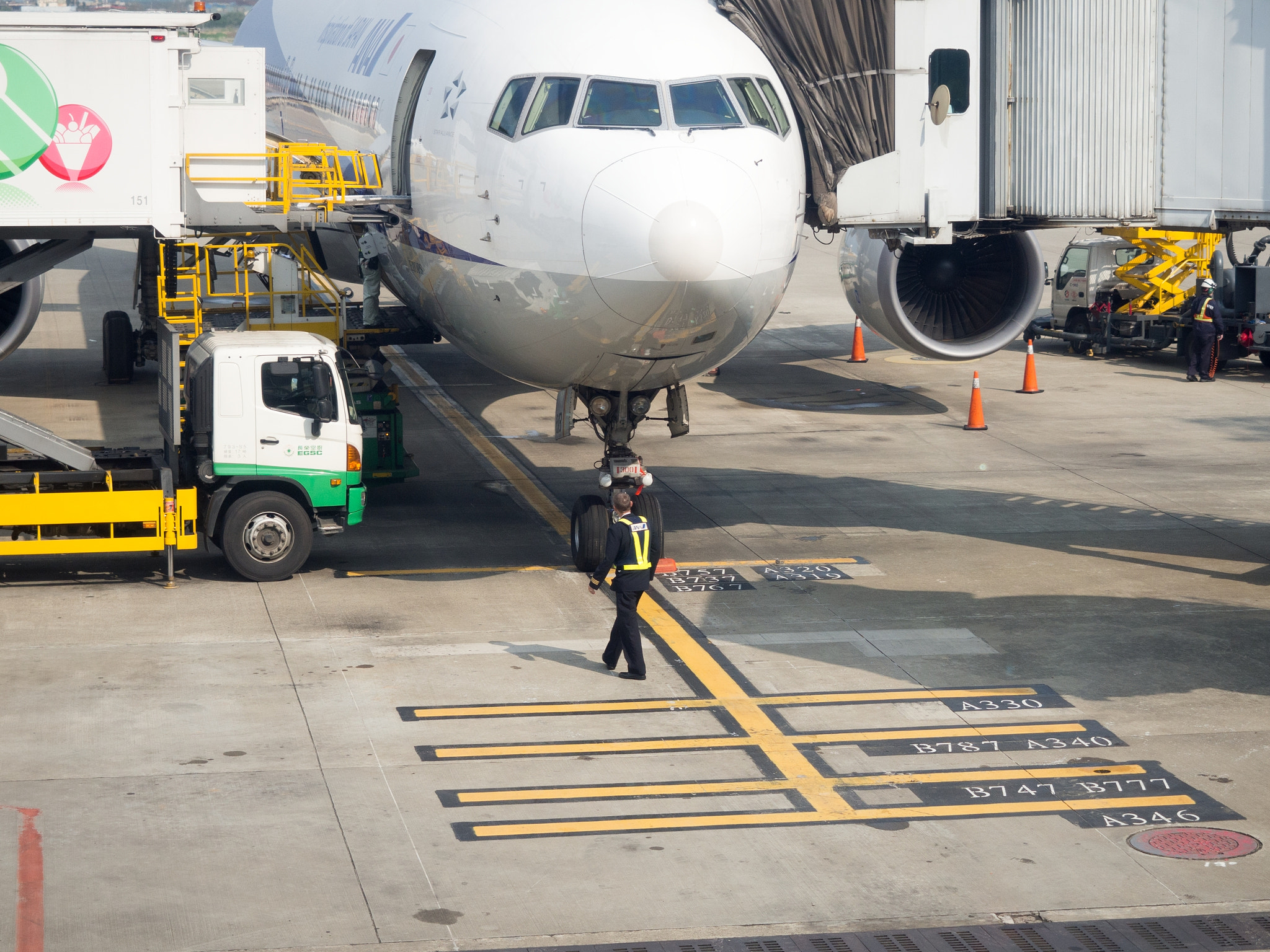
The next day, Friday 13 November, the Federal Aviation Administration ordered a nationwide ground stop, halting all passenger departures across the United States from about 3:54 p.m. Eastern Time until 8:15 p.m. A fault in the FAA’s telecommunications network destabilised 17 of its 22 air traffic control centres.
The FAA said its network was hit with a flood of data — around 1,000 attempts to connect every four to five seconds. More than 9,000 flights were cancelled on Friday and more than 5,000 on Saturday as airlines worked through the backlog. Officials said the problem came from ageing legacy equipment, not from the agency’s modernisation programme, and none of the upgraded towers went down.
Banks and an airline fail on Monday
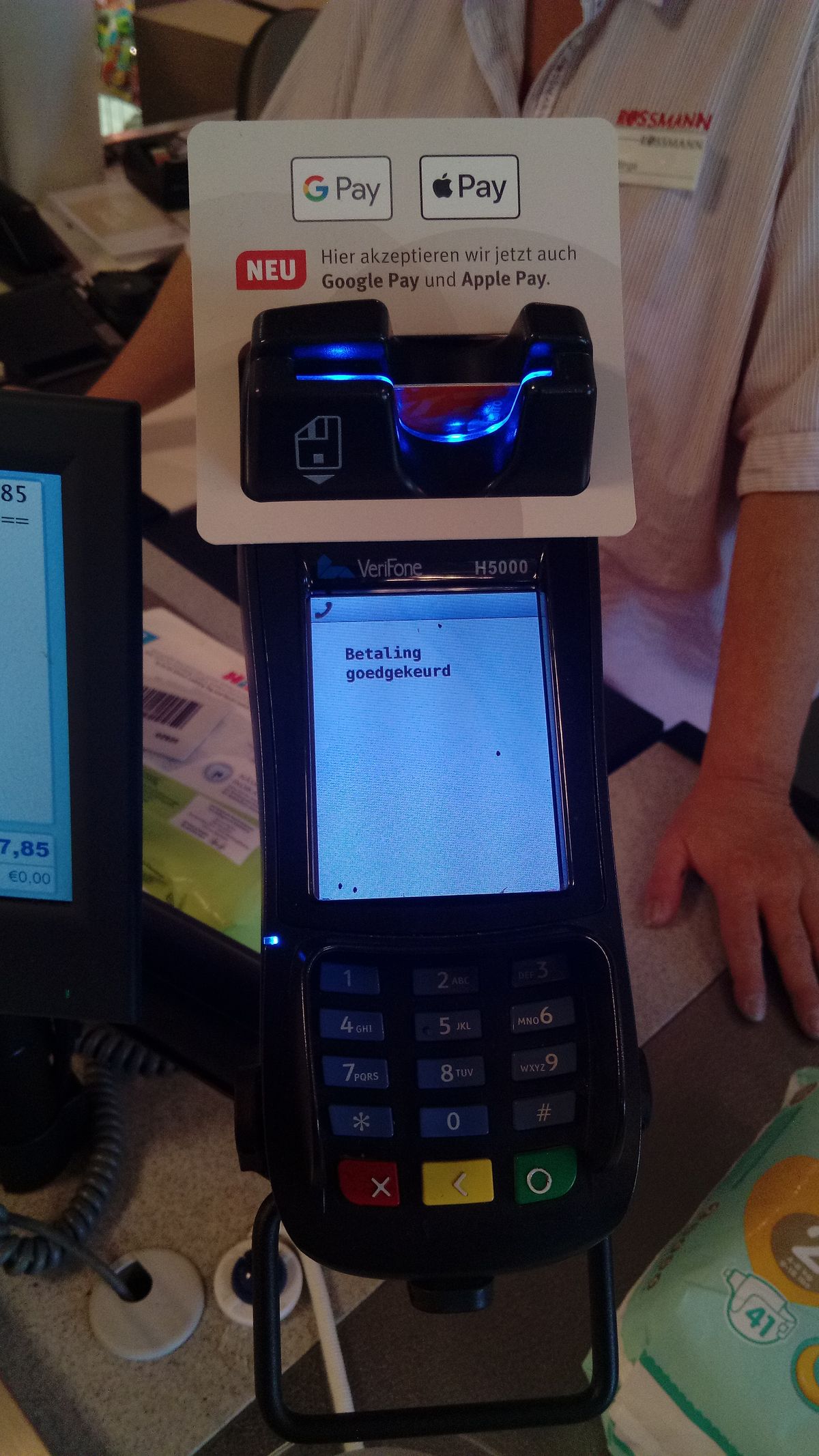
On Monday, 16 November, the failures moved to finance and aviation. A bug in a JPMorgan Chase computer system disrupted the bank’s own services and other banks where Chase was a party to transactions. United Airlines suffered a computer failure lasting more than 90 minutes, and the Workday human-resources and payroll platform also went down.
By now the pattern was hard to ignore: a different critical system had failed on four days in a row. That was when talk of a coordinated attack began to spread online — and when officials began to push back.
Apple and the NSA follow on Tuesday
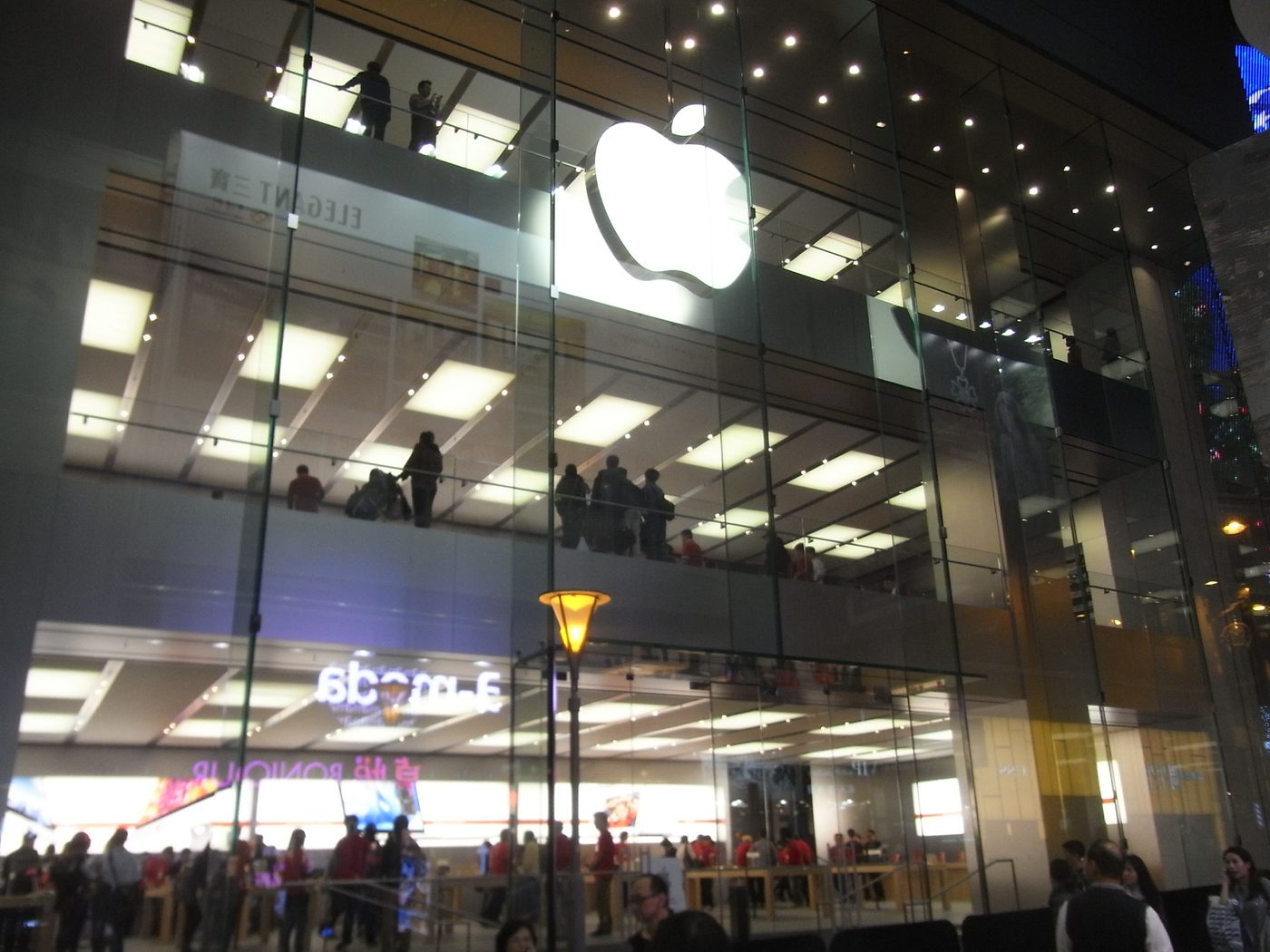
On Tuesday, 17 November, it was Apple’s turn. iCloud sign-in, iCloud.com, iCloud Mail, the App Store, Apple Music and Apple Pay were all hit after an internal software update went wrong. The App Store was back after about three hours and fifteen minutes, and iCloud sign-in was restored by the evening. Apple’s developer portal, App Store Connect, was not marked resolved until Wednesday morning.
The same day, the National Security Agency confirmed a temporary disruption to NSA Net, its classified internal network, during scheduled maintenance. The agency said its mission-critical capabilities remained operational throughout.
The White House verdict: no attack
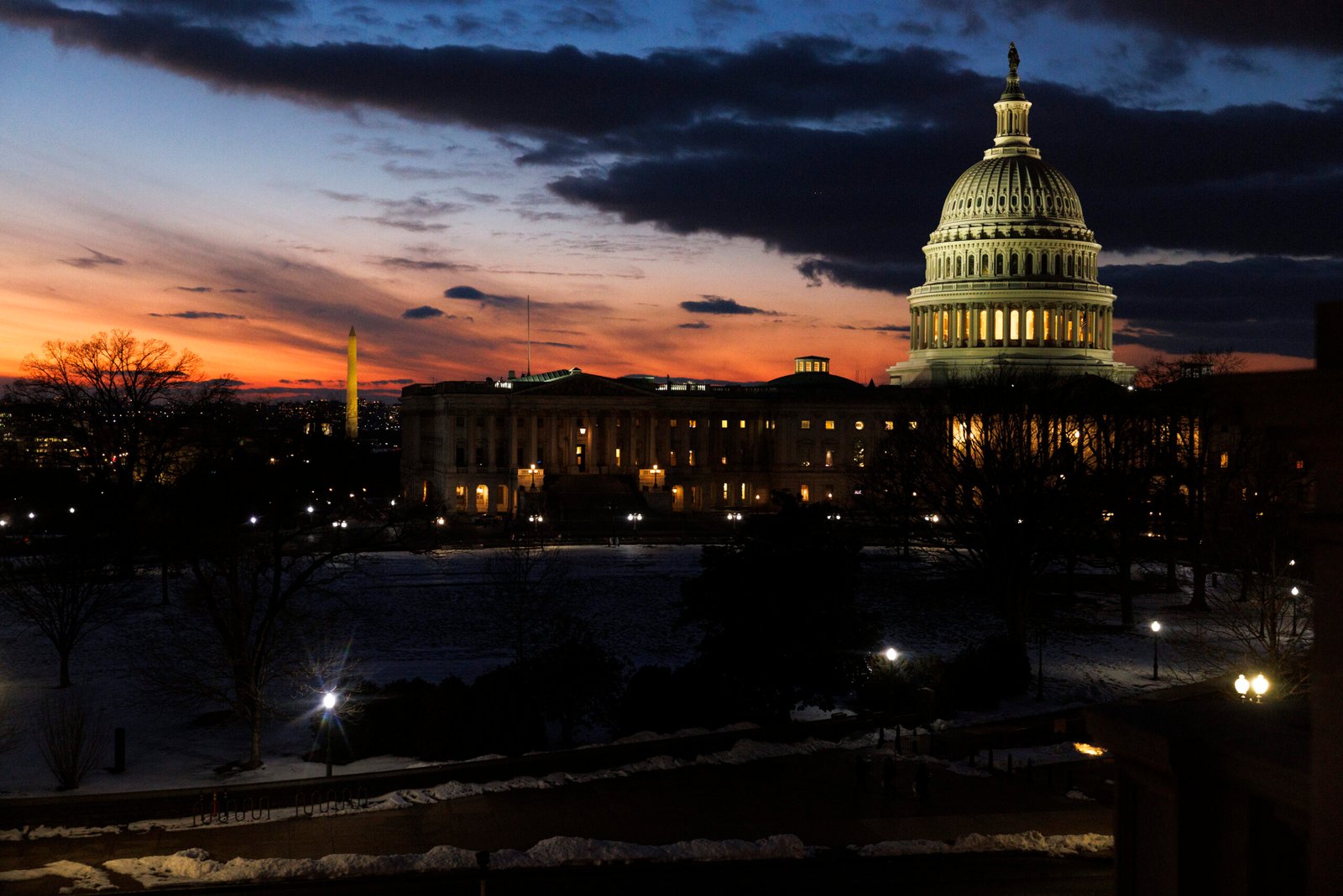
Speaking in Manila on Wednesday, Rubio said the incidents had nothing to do with each other. “We have zero evidence or any reason to believe that any of these isolated or individual instances have anything to do with nefarious actors, with cyber hackers, with criminals, with another nation state, with a malign actor of any kind,” he said. “Each of them are distinct, and they’re different in their causation.”
Clayton gave the same assessment to the House Homeland Security Committee, describing the failures as “separate service outages associated with maintenance and technical changes” and “not a coordinated or state-sponsored attack”. Democratic Senator Mark Warner, vice chair of the Senate Intelligence Committee, also said there was no indication the incidents were the result of an attack.
President Donald Trump, travelling with Rubio in Asia, played the week down, saying “these things happen”. Clayton offered one explanation for the cluster: many institutions are taking systems offline to patch vulnerabilities and upgrade them — and some of those systems are not coming back as expected.
Whether that explanation holds will be tested in the coming days. Microsoft’s final report is due on 20 November, and the FAA’s investigation into the data flood that grounded American aviation is still under way.
Related Posts
 TechnologyNvidia H200 Shipments to China Stopped as US Tightens AI Chip Rules
 TechnologyPakistan AI Export Voice 2026 Grand Finale Today in Lahore: Alibaba and SMEDA to Crown Top AI Cross-Border Ambassadors
 TechnologyApple’s First Smart Glasses Will Lean on Siri — WWDC 2027 Reveal Reported
 TechnologyGTA VI Reviews Give It 99 on Metacritic as the Game Launches in Pakistan Tonight
 TechnologySMW5 Submarine Cable Fault: PTA Warns Internet May Slow Down Across Pakistan
 TechnologyChina-Pakistan Launch Joint Agri-Research Platforms at Lahore Tech Expo
Most Popular
 How-ToPTA Tax Calculator 2026: Check Mobile Tax on Any Phone420 views
 Pakistan NewsPIA Boeing 787 Lease Deal: What It Means for the Airline396 views
 Canada JobsTech Jobs in Canada: Roles, Salaries, and Skills Needed392 views
 SportsUEFA Champions League 2026-27: Format, Teams and Schedule389 views
 TechnologyPM Shehbaz Sets November Deadline for Alibaba AI and Digitalisation Projects in Pakistan369 views
 ShowbizWomen’s Fashion in Pakistan 2026: Trends, Brands and Style Guide366 views