A United States congressional commission has warned that China’s growing military partnership with Pakistan has made the prospect of a two-front conflict an increasingly serious concern for India. The warning comes in the 2026 annual report of the US-China Economic and Security Review Commission (USCC), published on 18 November, which says the May 2025 conflict between India and Pakistan showed how Beijing could strengthen Pakistan in a crisis without entering the fighting itself.
The report’s chapter on India, titled “China’s Other Front: India and the Future of US Strategy in the Indo-Pacific”, describes India as one of the few powers outside the American alliance system with the scale to shape the long-term balance of power in Asia. It says Beijing views India’s rise as a strategic challenge and is applying military, economic and maritime pressure to constrain it — and that the partnership with Pakistan sits at the centre of that effort.
What the US commission warned
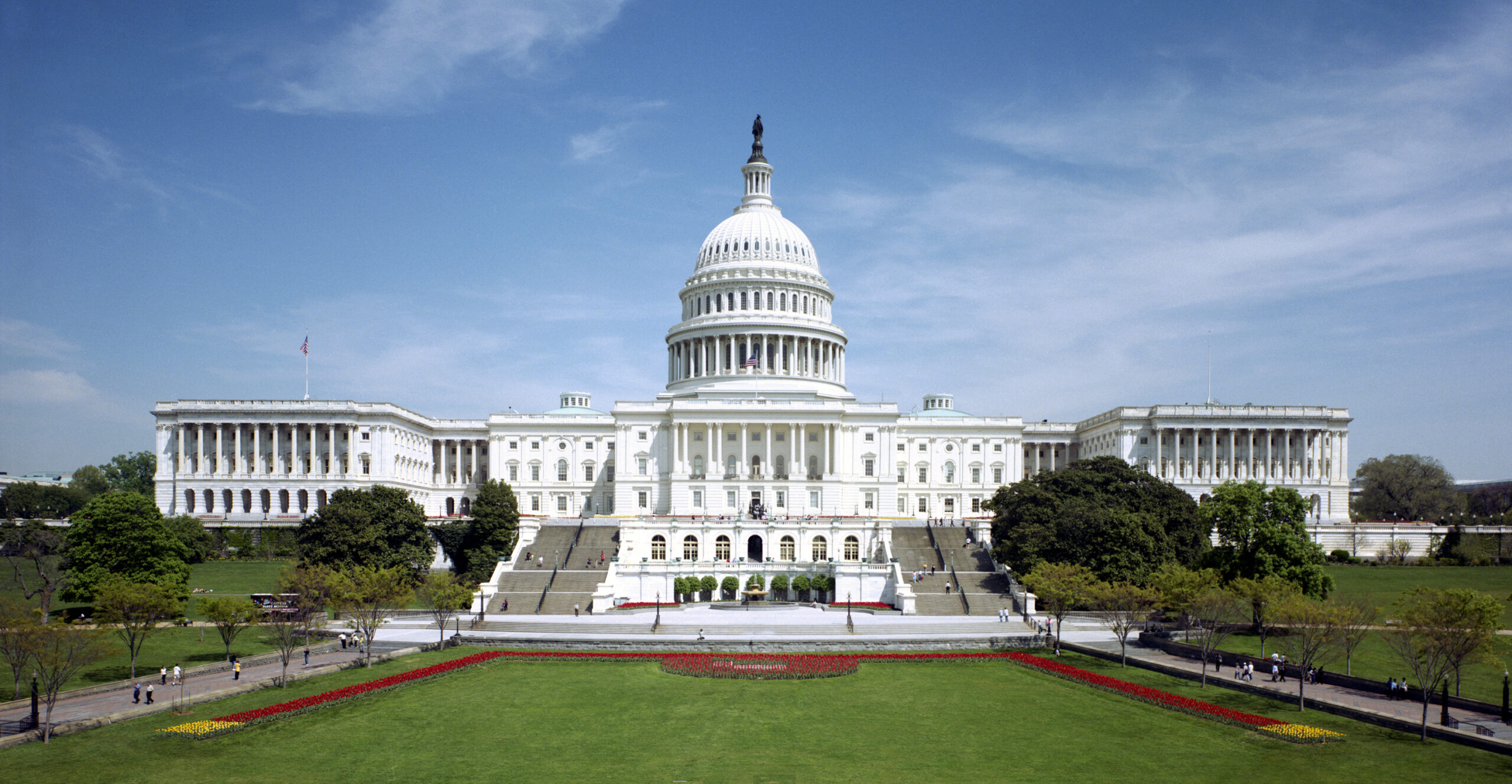
The commission’s key finding is direct: “China’s evolving military partnership with Pakistan has made a two-front contingency an increasingly critical concern for India. The May 2025 India-Pakistan conflict demonstrated how China could strengthen Pakistan during a crisis without Beijing entering the fighting directly, adding to India’s concerns about how a future conflict with Pakistan could develop.”
The May 2025 fighting followed an attack on tourists in Pahalgam on 21 April 2025, in which 26 people were killed, after which India launched Operation Sindoor. The commission’s assessment is that the episode showed Beijing’s support can arrive during a crisis in practical, military forms — equipment, technical help and information — rather than as a formal intervention. That, the report argues, complicates Indian military planning for any future clash, because New Delhi must now weigh the possibility of facing pressure on two fronts at once.
The report also notes the long-running border dispute between China and India, pointing to the 2020 Galwan Valley clashes as a turning point that made New Delhi less willing to separate the border question from the wider relationship. India shares a roughly 2,100-mile contested border with China and occupies a commanding position along Indian Ocean sea lanes that carry much of China’s energy and trade — geography the commission says makes India both a challenge and a target for Beijing.
The 81% figure and the J-10CE link
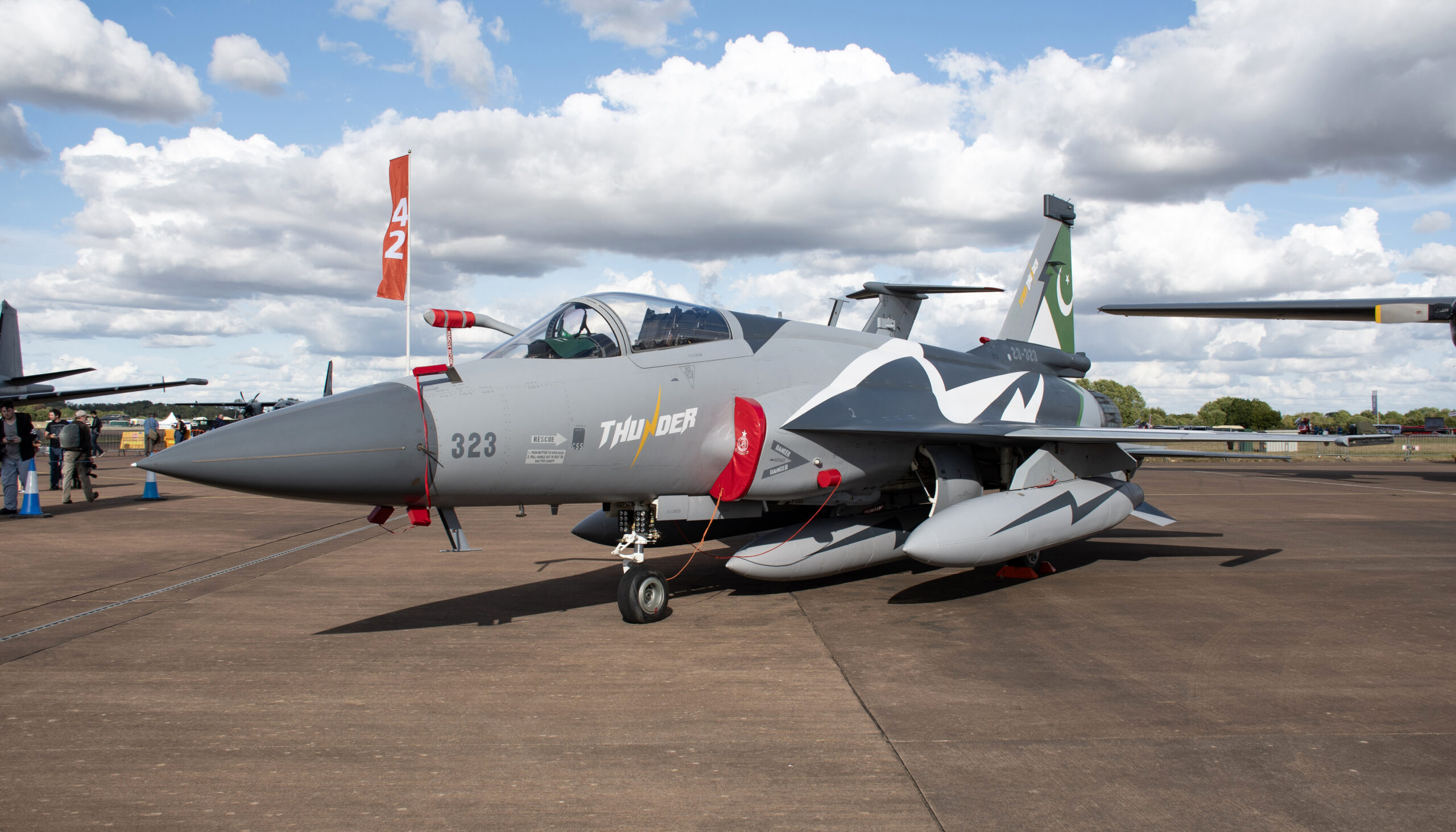
The scale of the defence relationship is set out in figures from the Stockholm International Peace Research Institute (SIPRI), cited in the report: China supplied 81% of Pakistan’s arms imports between 2020 and 2024, making Beijing by far Pakistan’s largest defence supplier.
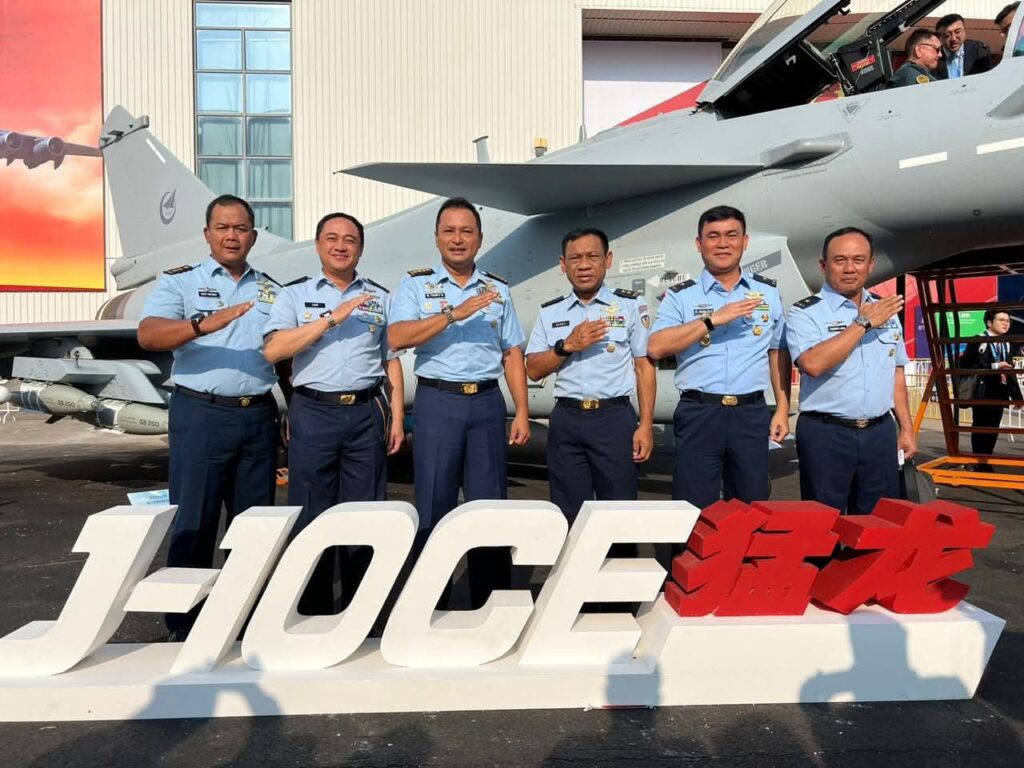
The report’s coverage has also drawn attention to specific claims about Chinese help during the May 2025 conflict. Chinese engineer Zhang Heng told state broadcaster CCTV that his team had helped Pakistan’s J-10CE fighter jets achieve their full combat potential. Separately, Indian Army official Lieutenant General Rahul Singh said China had provided Pakistan with real-time information on Indian military deployments during the fighting. Both accounts are claims made by the individuals concerned and reported by the ANI news agency — neither has been independently confirmed by the commission — but the report treats the pattern they describe as evidence of a deeper level of military integration between Beijing and Islamabad than in past decades.
Beyond Pakistan: the Indian Ocean and economic pressure
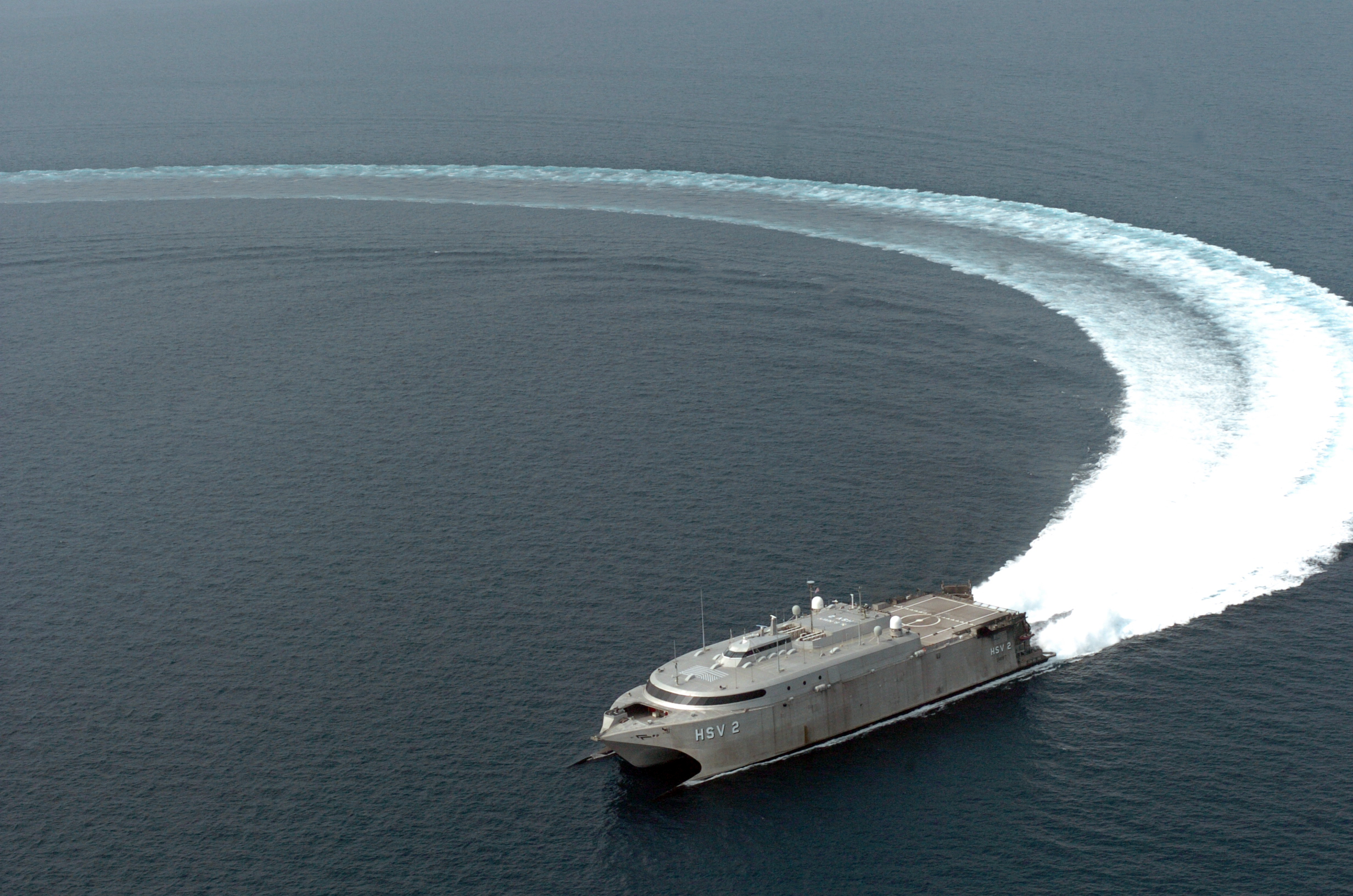
The commission’s warning is not limited to Pakistan. It says China’s expanding naval and surveillance presence is beginning to erode India’s longstanding strategic advantages in the Indian Ocean, with Chinese naval, surveillance and research vessels operating closer to India and to critical sea lanes. Beijing, the report says, is building the infrastructure and logistical networks needed to sustain more persistent naval operations in the region, and is beginning to apply in the Indian Ocean the same approach it has used in the South China Sea — invoking historic rights and renaming undersea features in ways that could lay the groundwork for more assertive activity.
Economic pressure forms the other half of the picture. The report says China has restricted exports of key industrial inputs and products to India, recalled engineers and withheld equipment to slow India’s electronics manufacturing, and cut prices sharply — by 40% to 50% across 41 pharmaceutical ingredients and key starting materials in 2025 — to undercut new Indian plants. In 2025, Beijing also began requiring Indian firms to certify that certain Chinese-supplied inputs would not be re-exported to the United States, a requirement later suspended as part of the wider Trump-Xi trade détente but one the commission says shows how India’s dependence on China can be turned into leverage aimed at American supply chains.
What the panel wants Washington to do
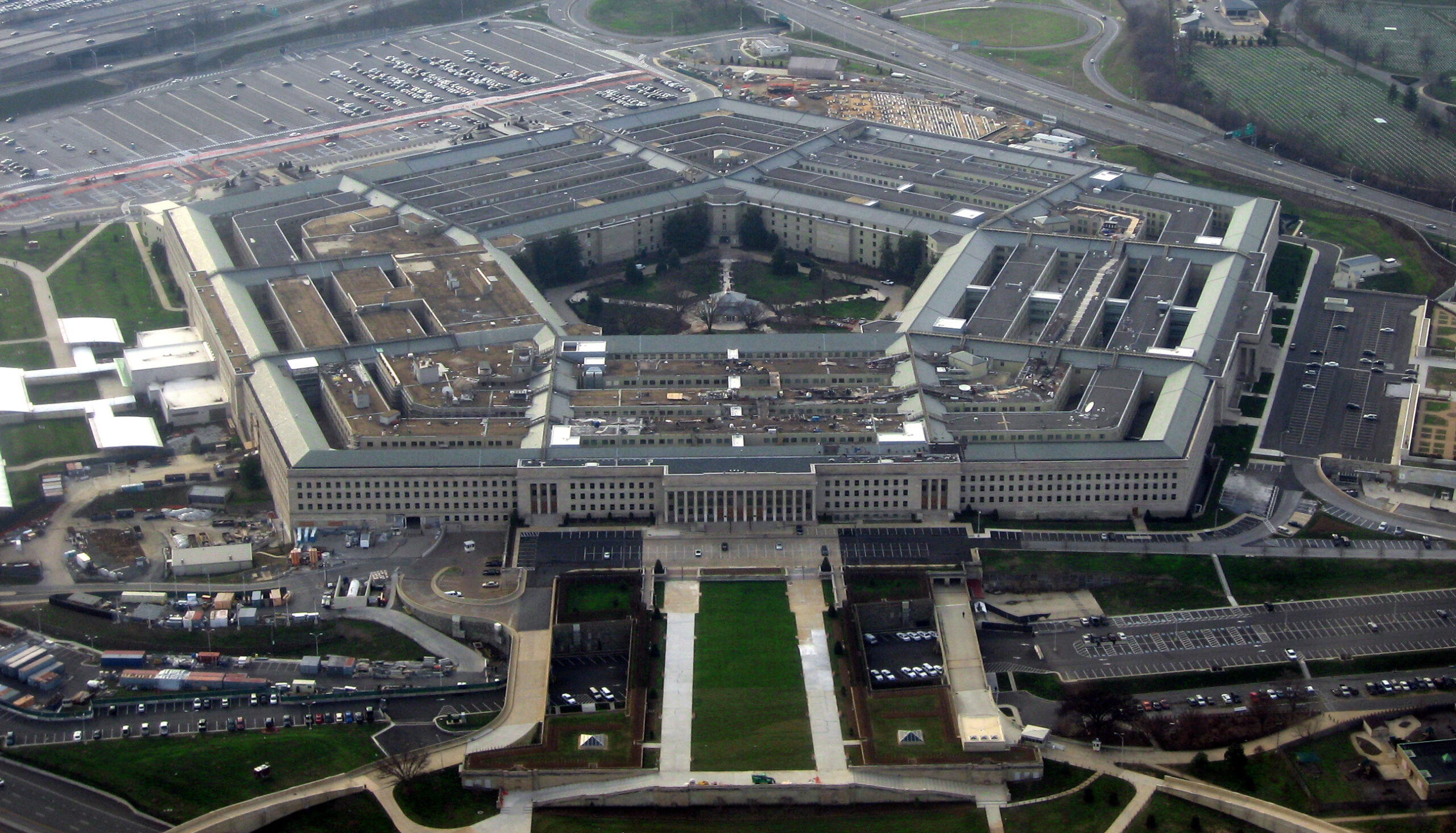
The commission’s recommendations focus on deepening operational defence cooperation with India. It urges Congress to direct the US Secretary of Defense and the Chairman of the Joint Chiefs of Staff to work directly with their Indian counterparts to strengthen coordination on undersea and maritime domain awareness in the Indian Ocean — moving beyond periodic military exercises toward sustained operational cooperation, including systematic intelligence and surveillance sharing, coordinated monitoring of Chinese naval and submarine activity, and better procedures for responding to maritime threats.
It also calls for an Indo-American Strategic Leadership Exchange Program to build lasting ties among rising leaders in defence, government, business and academia in both countries. The wider message of the chapter is that Washington and New Delhi have spent a quarter of a century building closer ties across defence, technology and trade, but the rules and institutions behind that partnership — export controls, procurement rules and financing tools — have not kept pace with its ambitions.
For Pakistan, the report’s findings underline how centrally the country’s defence relationship with China now features in American strategic thinking. The commission presents the partnership not as a bilateral matter alone, but as a factor that shapes how India plans for conflict, how the United States plans for the Indian Ocean, and how the region’s military balance is judged in Washington.
Related Posts
 World NewsLewis Pugh Swims the Strait of Hormuz as Tankers Burn Around Him
 World NewsMosquitoes That Fight Dengue: Specially Bred Insects Cut Infections by 69% in Major Brazil Trial
 World NewsIran Strikes US Bases in Bahrain: Missiles and Drones Target Al-Riffa and Awali as Civilian Facility Burns
 World NewsPortuguese Foreign Minister Paulo Rangel Begins Two-Day Pakistan Visit as Countries Mark 77 Years of Diplomatic Ties
 World NewsBritish-Pakistani Entrepreneur Nasir Younas Receives Freedom of the City of London
 World NewsFiona the Hippo Dies at Nine After Swallowing a Visitor’s Hat at Cincinnati Zoo
Most Popular
 How-ToPTA Tax Calculator 2026: Check Mobile Tax on Any Phone421 views
 Pakistan NewsPIA Boeing 787 Lease Deal: What It Means for the Airline396 views
 Canada JobsTech Jobs in Canada: Roles, Salaries, and Skills Needed393 views
 SportsUEFA Champions League 2026-27: Format, Teams and Schedule390 views
 TechnologyPM Shehbaz Sets November Deadline for Alibaba AI and Digitalisation Projects in Pakistan370 views
 ShowbizWomen’s Fashion in Pakistan 2026: Trends, Brands and Style Guide366 views