Two weeks of negotiation, two days of overtime and one final text that nobody could agree on. The COP31 climate talks collapse in Antalya on Sunday, 22 November 2026, ended the longest climate summit in history without a deal, after the European Union formally rejected the draft agreement put before them.
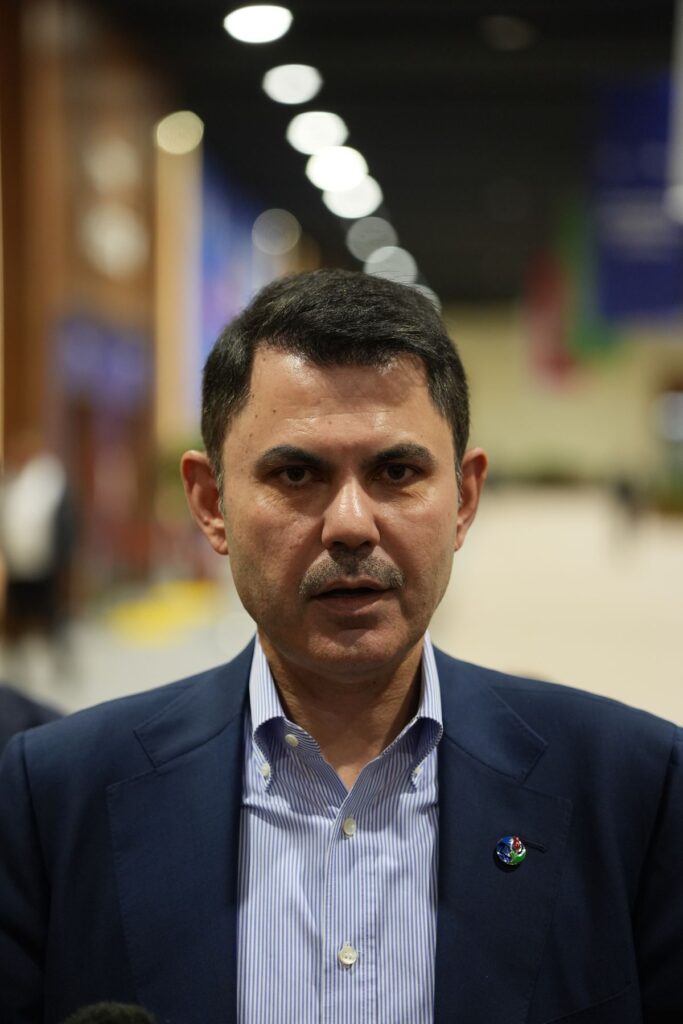
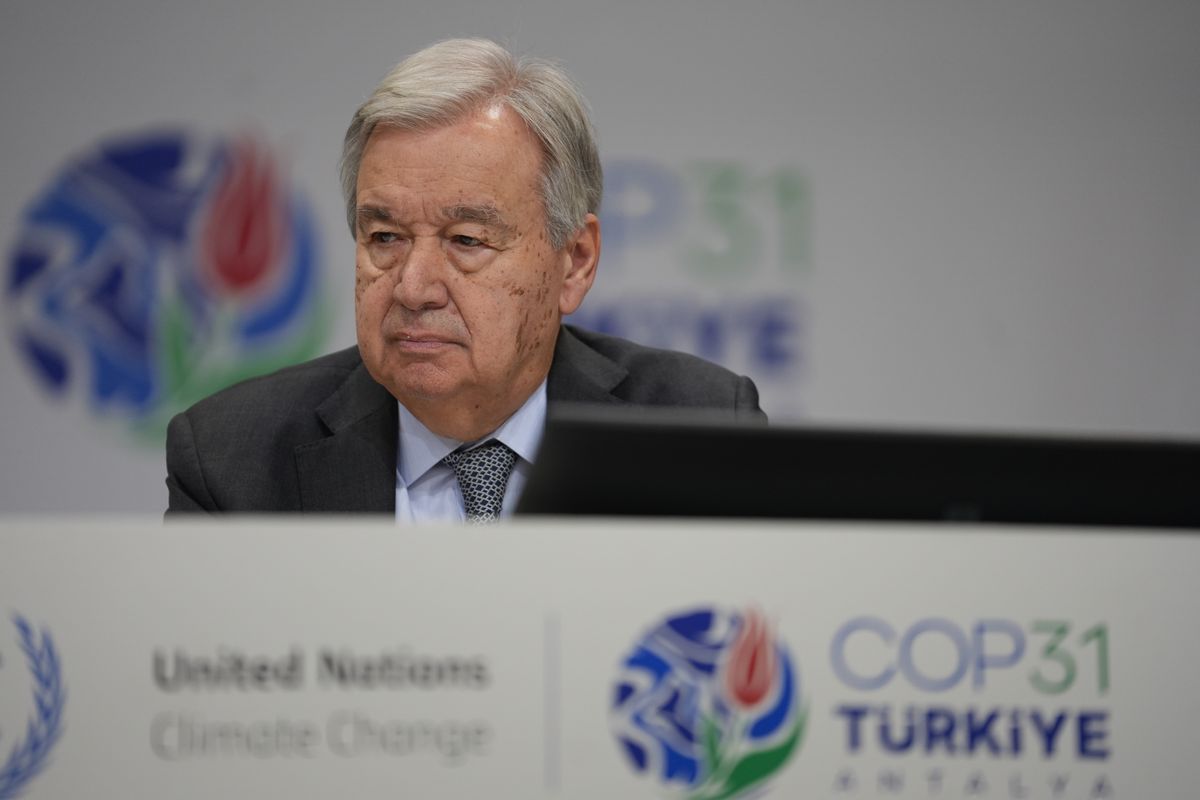
COP31 President Murat Kurum, Turkey’s environment minister, delivered the verdict to a silent closing plenary. “It is clear that there are parties in this hall who oppose this text. We recognise that there is no consensus on this document. Therefore, these decisions have not been adopted,” he said.
The summit, co-hosted by Turkey and Australia, opened on 9 November with delegations from nearly 200 countries and was due to close on Friday, 20 November. Instead, negotiators worked through the weekend and still could not bridge the divide that had defined the fortnight: whether the final agreement should name the fossil fuels driving global warming at all.
Why the deal failed: the fossil fuels fight
The final text, the Antalya Accords, ran to 94 paragraphs across ten pages and did not contain the words fossil fuels, oil, coal or phase-out anywhere. It recalled the COP28 agreement in Dubai, the UAE Consensus, in a single sentence, and said nothing more about moving away from the fuels that cause global warming.
That omission was the breaking point. The European Union formally objected in the plenary hall. Ireland’s climate minister, Darragh O’Brien, told delegates: “We want to formally object to the Antalya pact because it fails to meet the moment. … We will not endorse a decision that does not respond to the science … that does not even mention fossil fuels.”
The divide had been building all week: a second draft on Thursday had already stripped out every reference to moving away from fossil fuels, setting Saudi Arabia and other oil producers against the European Union and climate-ambitious countries. China chose to accept the text to keep the process moving. It was not enough: under United Nations rules, a single formal objection can stop a deal, and the EU’s objection did exactly that, as Reuters reported.
Frustration had been visible for days: on Friday night, a protester carried a banner reading “failure” past delegates, and a demonstrator interrupted Kurum. Mohamed Adow, director of Power Shift Africa, called it “the worst COP ever”.
What the rejected text actually contained
The draft was not empty. Its headline goal was to raise electricity’s share of total final energy use from about 21 per cent today to 35 per cent by 2035, a target backed by some 90 countries. But it carried no requirement that the extra electricity come from renewable sources, so power generated by burning coal and gas could count towards it. It also set a collective ambition to capture one gigatonne of carbon a year by 2035, a technology backed by the oil industry and criticised by several delegations as expensive and unproven at scale.
On finance, the section that matters most to the countries already living with rising seas and failing harvests, the compromise looked thinnest. The commitment to triple adaptation finance by 2035 was reaffirmed, but with no explicit baseline and no details on how it would be calculated. A proposed target of $120 billion a year in adaptation finance for developing countries by 2035, which developing nations had pushed for, was dropped entirely.
One passage, however, would have made history. The draft stated deep concern that “peak global warming is expected to exceed 1.5 °C above pre-industrial levels in the next few years”. It would have been the first time any COP agreement acknowledged that the 1.5°C limit set by the Paris Agreement will be missed. October 2026 was 1.8°C warmer than the mid-1800s, according to Berkeley Earth. The text called for any overshoot to be kept as small and as short as possible, as The Curtain’s analysis of the final package noted.
The longest climate summit ever held
By the time the gavel fell on Sunday, COP31 had run longer than any climate summit before it. The last failure of its kind was Copenhagen in 2009, when countries could not adopt the Copenhagen Accord by consensus. Seventeen years later, Antalya has joined that short list. The United States, the largest historical emitter, stayed away for a second consecutive year.
Not everything failed. The closing plenary had already adopted several technical decisions on Friday, including those on international cooperation under Article 6 of the Paris Agreement. But the political declaration, the document that sets the direction for the next phase of global climate action, is gone. The failure to agree it does not wipe out the obligations agreed by previous summits. What it does erase is a year of momentum.
What it means for Pakistan
For Pakistan, one of the countries most exposed to climate change, the outcome is a direct setback. Adaptation finance mattered most to countries like Pakistan, and it is precisely where the rejected text was weakest: a tripling promise with no starting figure and no dollar amount.
Pakistan arrived in Antalya with a strong story to tell. The prime minister told the summit that Pakistan added nearly 22 gigawatts of rooftop solar in two years, and the country proposed a virtual green university at COP31, plus a fund for young climate innovators. But the summit’s failure means the money and the mechanisms Pakistan and other vulnerable countries were counting on remain unresolved for another year. The next summit, COP32, is scheduled for Addis Ababa, Ethiopia, in November 2027, and it will inherit a process whose credibility has been badly damaged.
The road to Addis Ababa
The COP31 climate talks collapse leaves the world with an uncomfortable admission and no plan to act on it: for the first time, a draft agreement conceded that the 1.5°C goal will be missed, but could not agree on what comes next. Until COP32, that question — and the finance vulnerable countries need now — remains unanswered.
Related Posts
 World NewsUS Panel Warns China-Pakistan Military Partnership Poses Two-Front Risk for India
 World NewsLewis Pugh Swims the Strait of Hormuz as Tankers Burn Around Him
 World NewsMosquitoes That Fight Dengue: Specially Bred Insects Cut Infections by 69% in Major Brazil Trial
 World NewsIran Strikes US Bases in Bahrain: Missiles and Drones Target Al-Riffa and Awali as Civilian Facility Burns
 World NewsPortuguese Foreign Minister Paulo Rangel Begins Two-Day Pakistan Visit as Countries Mark 77 Years of Diplomatic Ties
 World NewsBritish-Pakistani Entrepreneur Nasir Younas Receives Freedom of the City of London
Most Popular
 How-ToPTA Tax Calculator 2026: Check Mobile Tax on Any Phone421 views
 Pakistan NewsPIA Boeing 787 Lease Deal: What It Means for the Airline396 views
 Canada JobsTech Jobs in Canada: Roles, Salaries, and Skills Needed393 views
 SportsUEFA Champions League 2026-27: Format, Teams and Schedule390 views
 TechnologyPM Shehbaz Sets November Deadline for Alibaba AI and Digitalisation Projects in Pakistan370 views
 ShowbizWomen’s Fashion in Pakistan 2026: Trends, Brands and Style Guide366 views