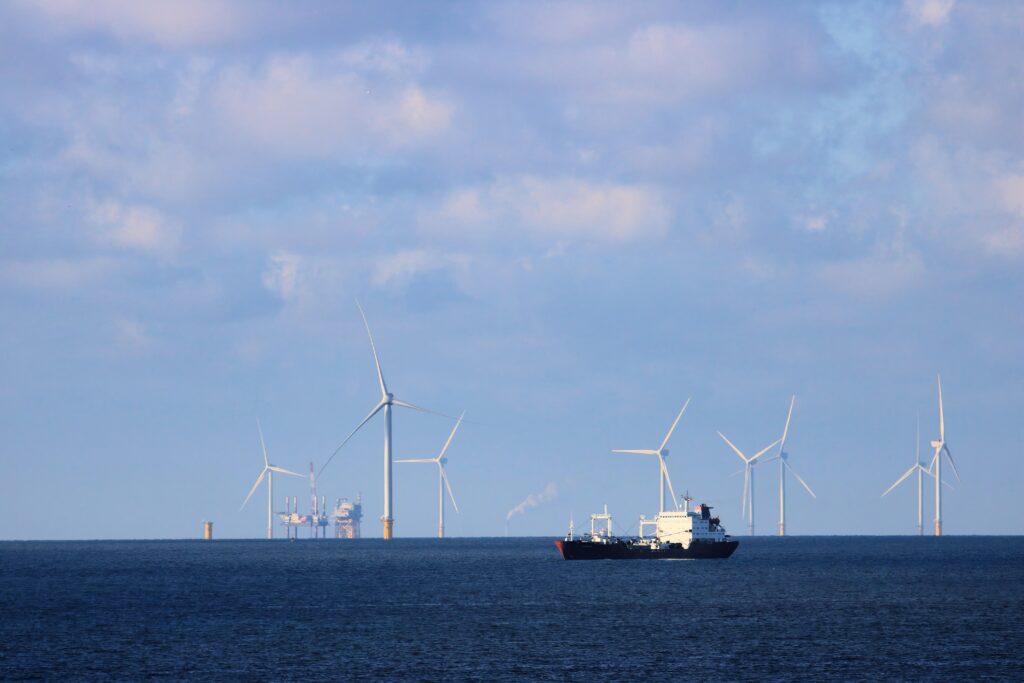
Two oil tankers were struck by unknown projectiles in the Strait of Hormuz on Saturday, the British maritime agency UKMTO said, in the latest attacks on shipping in the world’s most important oil waterway. No casualties were reported.
The strikes came on the same day Bahrain said an Iranian attack set fire to a civilian industrial facility — and on Sunday, Manama took the matter to the United Nations, demanding Security Council action and compensation.
Two tankers hit off Oman within an hour
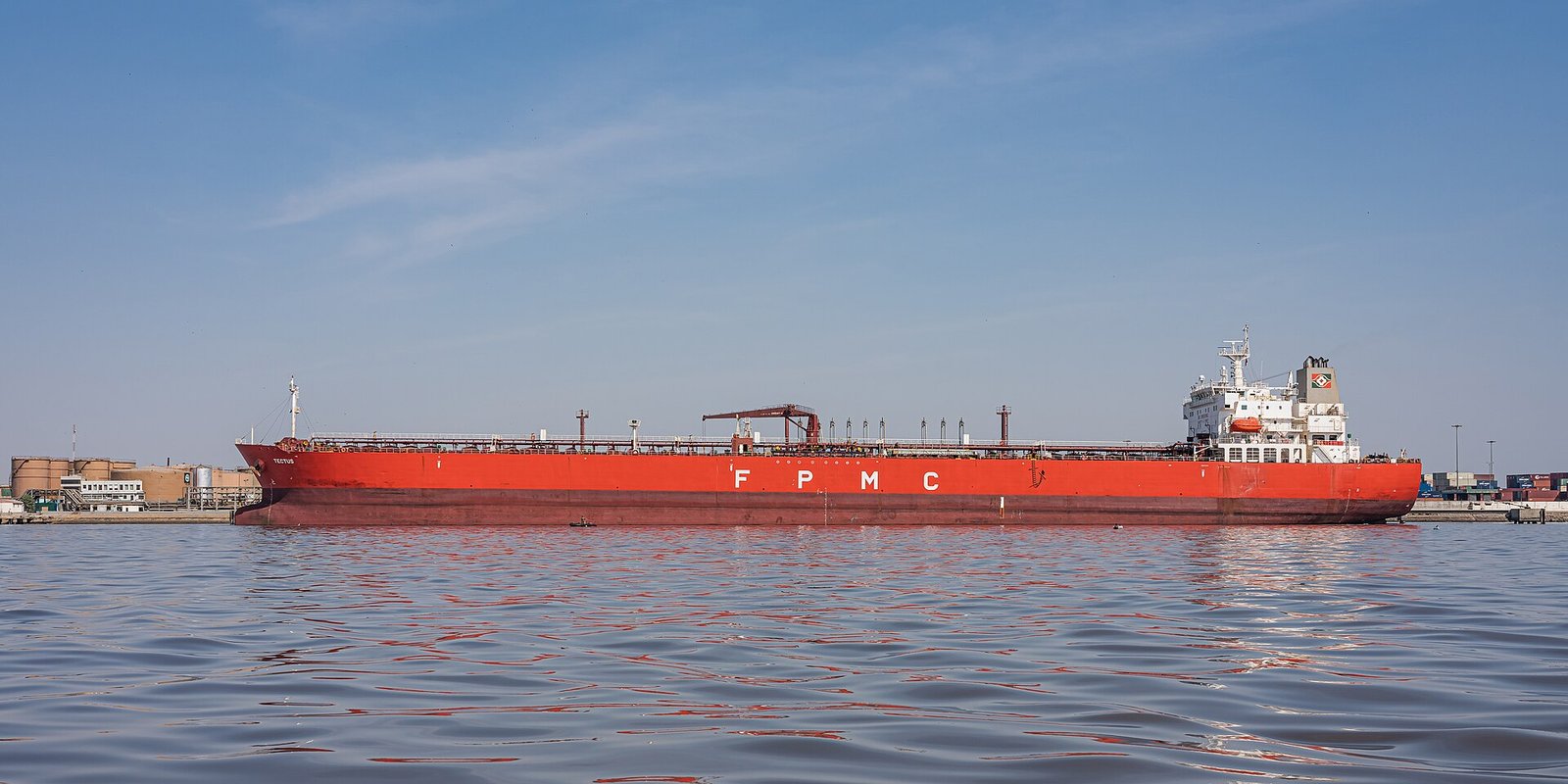
According to UKMTO, a tanker sailing outbound through the strait was hit on its stern by an unidentified projectile about 11 nautical miles north of Khasab, Oman, at 05:00 UTC on Saturday. Fifty minutes later, a second tanker was struck in its engine room about 17 nautical miles east of Khasab.
UKMTO said no casualties had been reported in either incident and the environmental impact was unknown. Neither tanker was identified, and it was not immediately clear whether the two reports involved the same vessel.
Iran’s army gave a different account, saying a ship that had entered a restricted zone east of the strait caught fire after striking a naval mine, and that the vessel had switched off its identification and navigation systems and disregarded warnings. That account has not been independently verified, and it has not been linked to either UKMTO incident.
A third tanker was reported hit on Friday afternoon, about eight nautical miles north of Khasab, when an unknown projectile struck its bow and started a fire on board.
Attacks in and around the Strait of Hormuz have risen to their highest level since the war between the United States, Israel and Iran began in late February, with UKMTO reporting 31 attacks in October and about 19 in November as of 18 November.
Bahrain takes the strike to the United Nations
Bahrain’s Interior Ministry said on Saturday that an Iranian attack had hit a civilian industrial facility, causing a fire and material damage but no injuries. Residents told AFP they saw smoke rising over Sitra Island, home to industrial sites including a refinery run by the state oil company Bapco.
Iran’s Revolutionary Guards said they had attacked US military positions at the al-Riffa and Awali bases with missiles and drones and destroyed two Patriot air-defence radars. Washington has not confirmed any damage.
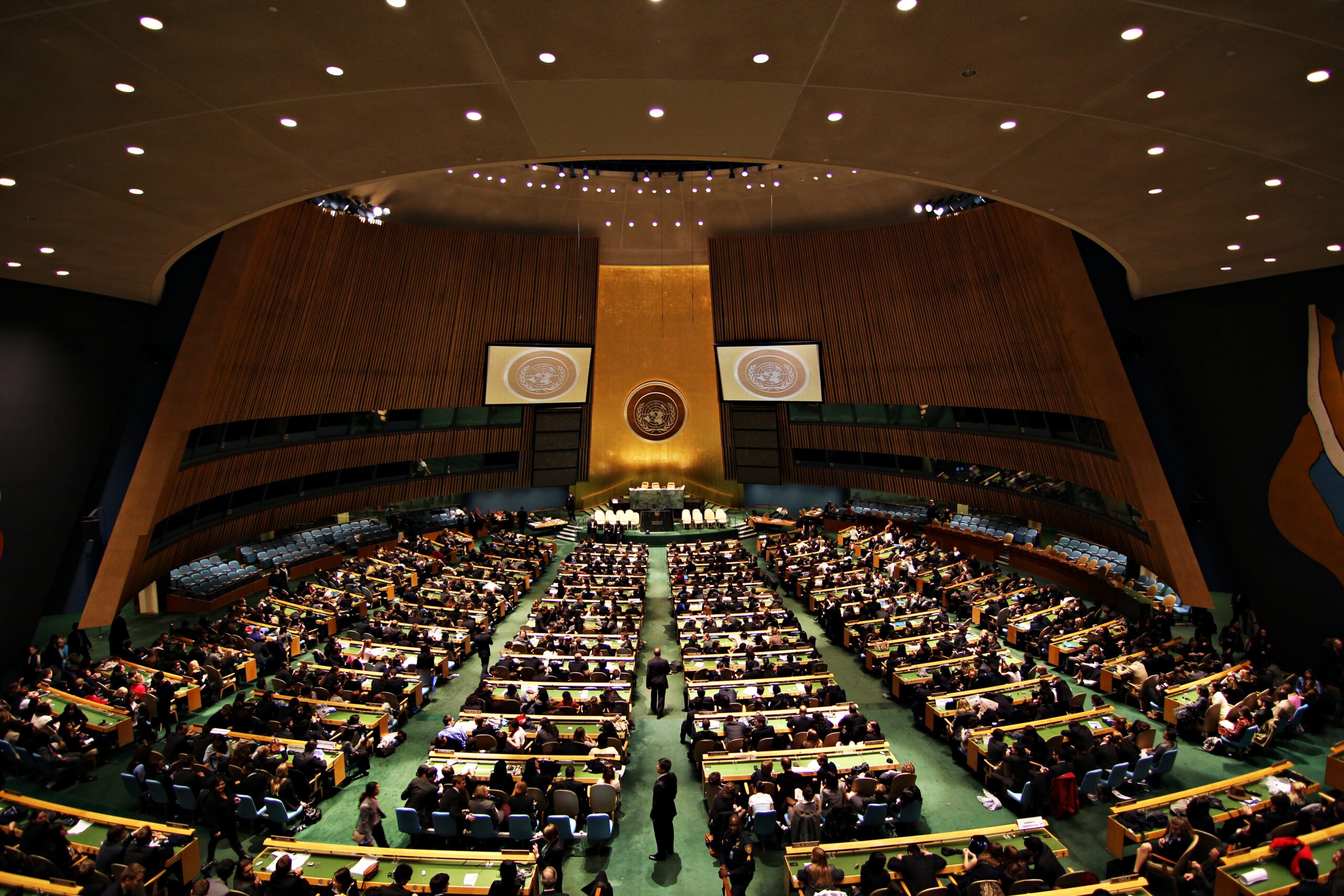
On Sunday, Bahrain’s Foreign Ministry called on the UN Security Council to take firm measures to compel Iran to carry out Resolution 2817, adopted in March, which condemned Iranian attacks on Gulf states and Jordan and demanded an immediate halt. Manama also demanded compensation, described the facility as civilian and said Bahrain reserved the right to defend itself.
The Gulf Cooperation Council declared full solidarity with Bahrain within hours, and Jordan condemned the strike. Bahrain has reported repeated Iranian aerial attacks since 13 November.
A wider escalation across the Gulf
In the early hours of Sunday, the Saudi-led coalition said its air defences had intercepted a Houthi ballistic missile heading towards western Saudi Arabia, triggering a civil defence alert in the Mecca region, according to Anadolu Agency.
Iran’s foreign minister, Abbas Araghchi, said discussion of reopening the strait was pointless until Tehran’s demands were met — ending the war on all fronts, unfreezing Iranian assets, lifting oil sanctions and ending the US counter-blockade of Iranian ports.
A diplomatic channel is active: Iran’s deputy foreign minister, Kazem Gharibabadi, said a Qatari delegation had visited Tehran the previous evening and held two hours of talks, giving no details.
Why the Strait of Hormuz matters
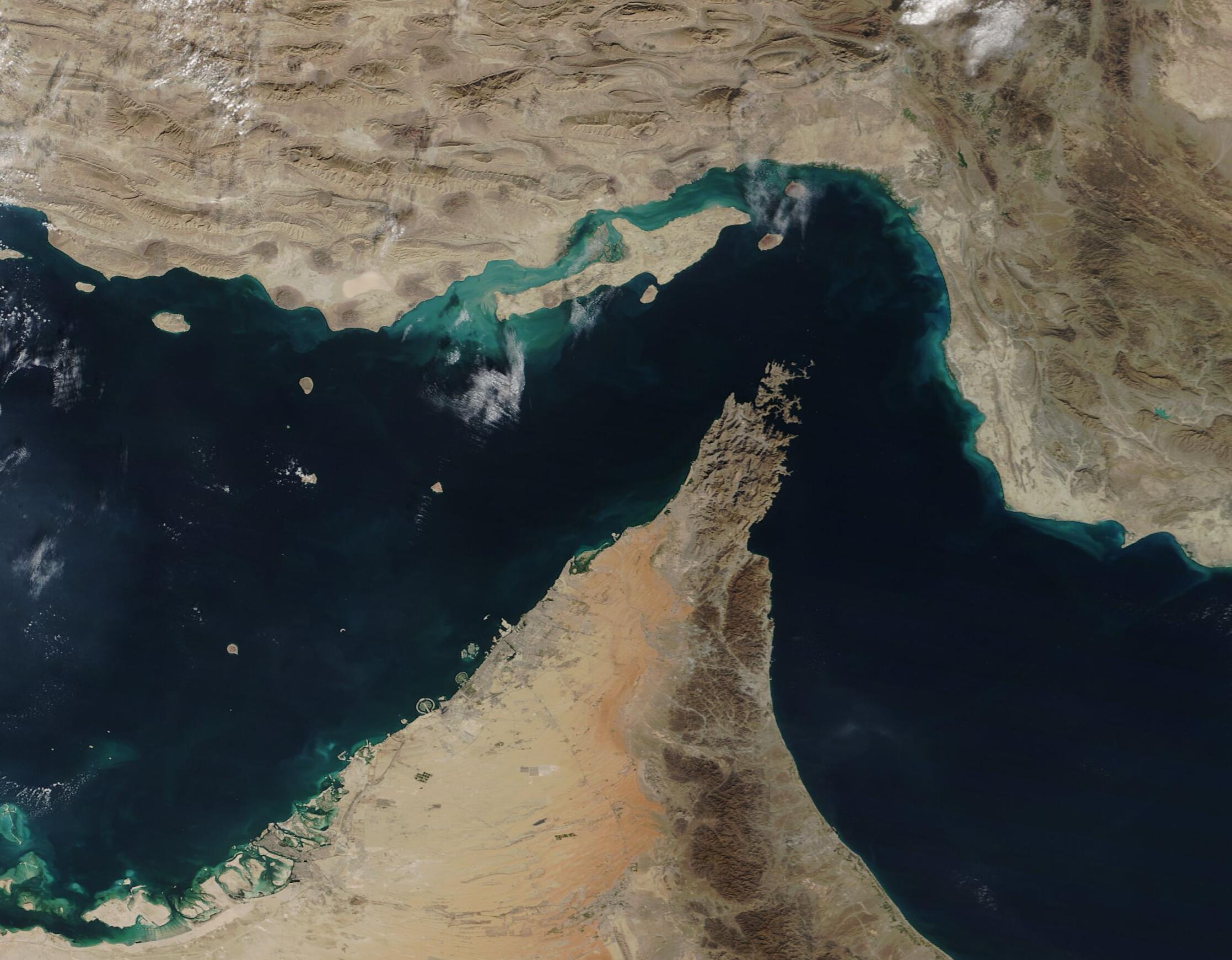
The Strait of Hormuz connects the Persian Gulf to the Gulf of Oman and the Arabian Sea. About 20 million barrels of oil a day moved through it in 2024, according to the US Energy Information Administration — roughly one-fifth of the world’s petroleum liquids consumption. Around one-fifth of global trade in liquefied natural gas also used the route that year.
The passage is only 21 nautical miles wide at its narrowest, and its shipping lanes are just two miles wide. Saudi Arabia and the United Arab Emirates have pipelines to ports outside the strait, but the EIA estimated only about 2.6 million barrels a day of their combined capacity could be available to bypass Hormuz during a disruption — about 13 per cent of the 2024 volume.
What happens next depends on two tracks: whether Qatar-mediated contacts produce terms for restoring passage, and whether the Security Council acts on Bahrain’s demand.
Related reading: Iran Strikes US Bases in Bahrain; Lewis Pugh Swims the Strait of Hormuz as Tankers Burn Around Him; Strait of Hormuz on Fire: Two Oil Tankers and a Tugboat Ablaze After Mine Strike
Sources: AFP report via Arab News; Daily Inference
Related Posts
 World NewsCOP31 Climate Talks Collapse in Antalya as Deal Rejected
 World NewsUS Panel Warns China-Pakistan Military Partnership Poses Two-Front Risk for India
 World NewsLewis Pugh Swims the Strait of Hormuz as Tankers Burn Around Him
 World NewsMosquitoes That Fight Dengue: Specially Bred Insects Cut Infections by 69% in Major Brazil Trial
 World NewsIran Strikes US Bases in Bahrain: Missiles and Drones Target Al-Riffa and Awali as Civilian Facility Burns
 World NewsPortuguese Foreign Minister Paulo Rangel Begins Two-Day Pakistan Visit as Countries Mark 77 Years of Diplomatic Ties
Most Popular
 How-ToPTA Tax Calculator 2026: Check Mobile Tax on Any Phone421 views
 Pakistan NewsPIA Boeing 787 Lease Deal: What It Means for the Airline396 views
 Canada JobsTech Jobs in Canada: Roles, Salaries, and Skills Needed393 views
 SportsUEFA Champions League 2026-27: Format, Teams and Schedule390 views
 TechnologyPM Shehbaz Sets November Deadline for Alibaba AI and Digitalisation Projects in Pakistan370 views
 ShowbizWomen’s Fashion in Pakistan 2026: Trends, Brands and Style Guide366 views