Telecom Operators Demand Industrial Electricity Tariff in Joint Letter to PM Shehbaz Sharif
Pakistan’s major telecom operators have jointly written to Prime Minister Shehbaz Sharif, demanding that industrial electricity tariffs be extended to licensed telecommunications infrastructure. The chief executives of Jazz, CMPak (Zong), PTMIL (Ufone and Telenor) and PTCL say rising energy costs are undermining investment in 5G networks, fibre connectivity and AI-ready data centres.
The joint letter, first reported by Business Recorder and covered by Bloom Pakistan on October 18, 2026, marks a fresh escalation in the industry’s long-running push for a telecom industrial electricity tariff. The government has not yet approved the request, and a decision remains with the Ministry of IT and Telecommunication, the Power Division and NEPRA.
What the operators asked for
In the joint letter, the telecom chief executives asked the government to issue a policy directive extending industrial electricity rates to telecom network infrastructure, or to create a dedicated “Digital/Telecom Infrastructure” electricity category with a defined implementation timeline for the power distribution companies.
The operators argue that while the sector is recognised as an industry under government policies and legislation, it is still billed at commercial electricity rates — a mismatch they say penalises the very infrastructure the government wants expanded. A telecom industrial electricity tariff, they argue, would correct that anomaly.
The cost squeeze: 197% rise since 2018
The centrepiece of the industry’s case is a set of cost figures reported in the letter. Commercial electricity tariffs for telecom sites have risen approximately 197 per cent since 2018, according to the operators, while fuel costs have climbed around 300 per cent. Average revenue per user has declined by 22 per cent over the same period, and the companies also face a 5 per cent withholding tax burden.
These numbers are the industry’s own claims, made in advocacy to policymakers, rather than an independent tariff audit. But they illustrate why the operators are pressing for a telecom industrial electricity tariff now: costs are climbing while per-user income is falling.
A $2 billion investment on the line
To strengthen their case, the operators linked their demand to a concrete pledge: $2 billion in investment over the next three years to expand 5G infrastructure and fibre networks, alongside developing AI-ready Tier-III data centres.
According to the operators, a telecom industrial electricity tariff would lower operating costs and free up resources for 5G deployment, rural connectivity and fibre-to-the-home expansion. The industry also claims cheaper grid power would encourage greater reliance on grid electricity, projecting grid utilisation gains of 15 to 20 per cent and a slowdown in off-grid solar growth from 15 per cent to between 5 and 7 per cent. Those projections are industry estimates and have not been independently verified.
“We are already an industry”: the legal argument
The letter cites the Mobile Cellular Policy, 2004, and the Finance Act, 2021, which included PTA-licensed operators in the definition of an industrial undertaking for tax purposes. If the sector counts as an industry for taxation, the argument goes, it should count as one at the electricity meter too — which is the entire basis of the telecom industrial electricity tariff demand.
A long road: from the January directive to NEPRA’s refusal
The October letter did not come out of nowhere. On January 6, 2026, the Ministry of IT and Telecommunication issued a directive for the international mobile telecommunications (IMT) spectrum auction that called for a joint task force to examine industrial power tariffs, smart-grid solutions and dedicated feeders for telecom networks. The task force held its first meeting on August 4, 2026, with representatives from MoITT, the Power Division, NEPRA, the PTA, telecom operators and electricity distribution companies.
But progress has been uneven. In September 2026, NEPRA declined to grant industrial power tariffs to the telecom sector, prompting a parliamentary committee to summon the regulator’s officials for an explanation. The MoITT secretary told the committee that securing an industrial tariff would generate major operational savings, and that the ministry would pressure operators to reinvest those savings into backup batteries to keep network towers running during power outages.
Safeguards against misuse
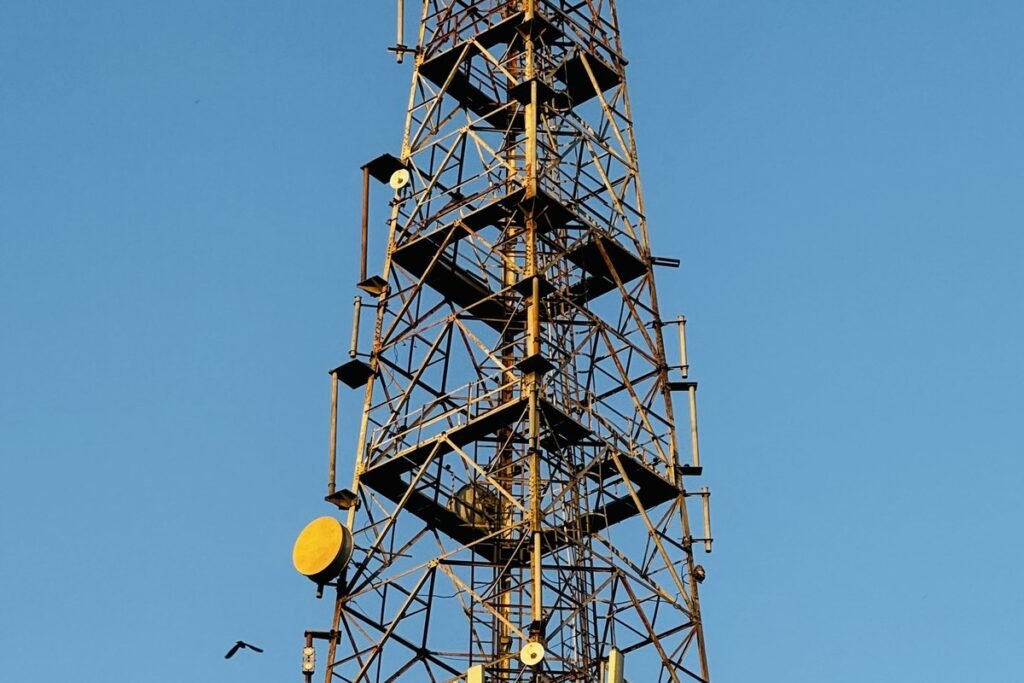
To make the proposal easier to accept, the operators proposed PTA-certified eligibility: only network assets would qualify for the telecom industrial electricity tariff — cellular towers, switching centres, exchanges, fibre nodes, network operating centres, and AI and cloud data centres. Corporate offices, customer service centres, franchises and retail outlets would remain on commercial rates.
What’s next
No decision has been announced on the telecom industrial electricity tariff demand. The industry’s request sits alongside a broader set of telecom reform proposals, including the reintroduced Telecom Amendment Bill 2026, which was referred to the Senate Standing Committee on Information Technology and Telecommunication this week.
The timing matters. Pakistan’s IT and telecom exports crossed $1.25 billion in the first quarter of FY2026-27, and the sector is central to the government’s digital ambitions. Whether Islamabad treats telecom as an industry at the electricity meter — not just on paper — will be one of the first tests of how seriously it takes that ambition.
Sources: Bloom Pakistan and Mukhbir (October 18, 2026); TechJuice reporting on the September 2026 NEPRA proceedings.
Related Posts
 TechnologyPTA Proposes 10-Year Radio Licences with Online Processing Under New Draft Regulations
 TechnologyPakistan IT Exports Hit $1.25 Billion in Q1 FY2027, Up 17.7% on SBP Data
 TechnologyTelecom Amendment Bill 2026 Reintroduced in Senate by Senator Samina Zehri
 TechnologySECP Launches 24/7 Security Operations Centre to Combat Cyber Threats
 TechnologyRedmi K100 Launching on 28 October: 10,000mAh Battery, 185Hz Display and Full Specs
 TechnologySamsung and Jazz Sign Strategic Partnership in South Korea to Bring Affordable Galaxy AI Phones to Pakistan
Most Popular
 How-ToPTA Tax Calculator 2026: Check Mobile Tax on Any Phone126 views
 Canada JobsTech Jobs in Canada: Roles, Salaries, and Skills Needed108 views
 TechnologyTecno Mobile Prices in Pakistan 2026: Spark, Camon and Pova Series Compared98 views
 BISPPunjab Driving License Scam Alert: Fake Websites & “Without Test” Fraud | UrduPro90 views
 ShowbizWomen’s Fashion in Pakistan 2026: Trends, Brands and Style Guide86 viewsTechnologyRedmi K100 Launching on 28 October: 10,000mAh Battery, 185Hz Display and Full Specs80 views