What the ‘SMS of Death’ vulnerability is

A single text message can crash your Android phone — and you do not even have to open it. A newly disclosed security flaw, nicknamed the “SMS of Death” and tracked as CVE-2026-58882, lets an attacker disrupt a smartphone simply by sending a specially crafted message to it. The victim does not need to tap anything, click any link or even unlock the screen. The attack works entirely in the background.
The flaw was disclosed by security researcher Mark Blaszczyk and affects devices running Android 12 and later versions. That covers a huge share of the phones in use in Pakistan today, from budget models to flagships. What makes this SMS of Death Android vulnerability different from most mobile threats is that it needs zero mistakes from the victim — avoiding suspicious messages is not enough, because the phone processes the malicious message on its own.
How the attack works
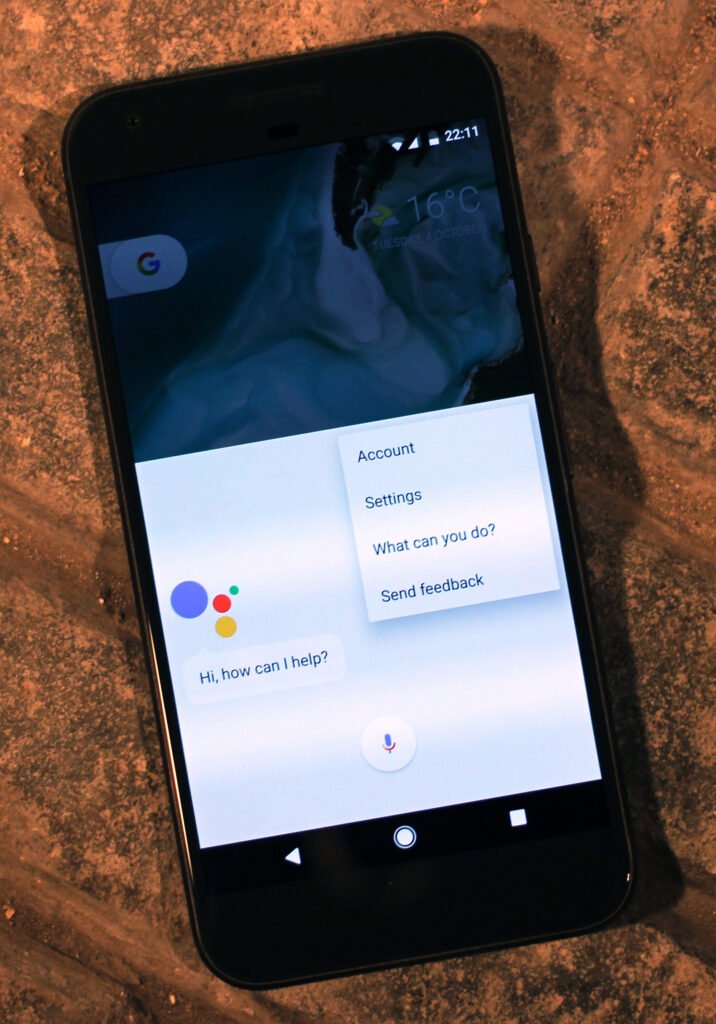
The problem sits in the way Android handles a special type of message called a WAP Push SMS. Unlike ordinary texts, these messages are designed to be read and processed automatically by the phone’s operating system — think of the automatic configuration messages your network operator sometimes sends. The researcher found that a malformed WAP Push message can crash Android’s telephony service, the core software that manages calls and the cellular connection.
When that service crashes, the effects are immediate: an ongoing call can drop, the phone can temporarily lose its mobile network signal, and basic communication functions break. That danger is most serious in an emergency — an active call to a rescue service could be cut off mid-conversation. Android usually tries to restart the crashed service, but if the attacker keeps sending malicious messages, the crashes repeat and the phone becomes unstable.
In testing, roughly twenty such messages were enough to push a device into a reboot loop, leaving it practically unusable. Simply restarting the phone may not help either, because the hostile messages can remain stuck in the system’s message queue and trigger the crash again after the reboot. In the worst cases, recovering the phone required connecting it to a computer and using specialised Android debugging tools to hunt down and delete the offending messages.
Which phones are at risk
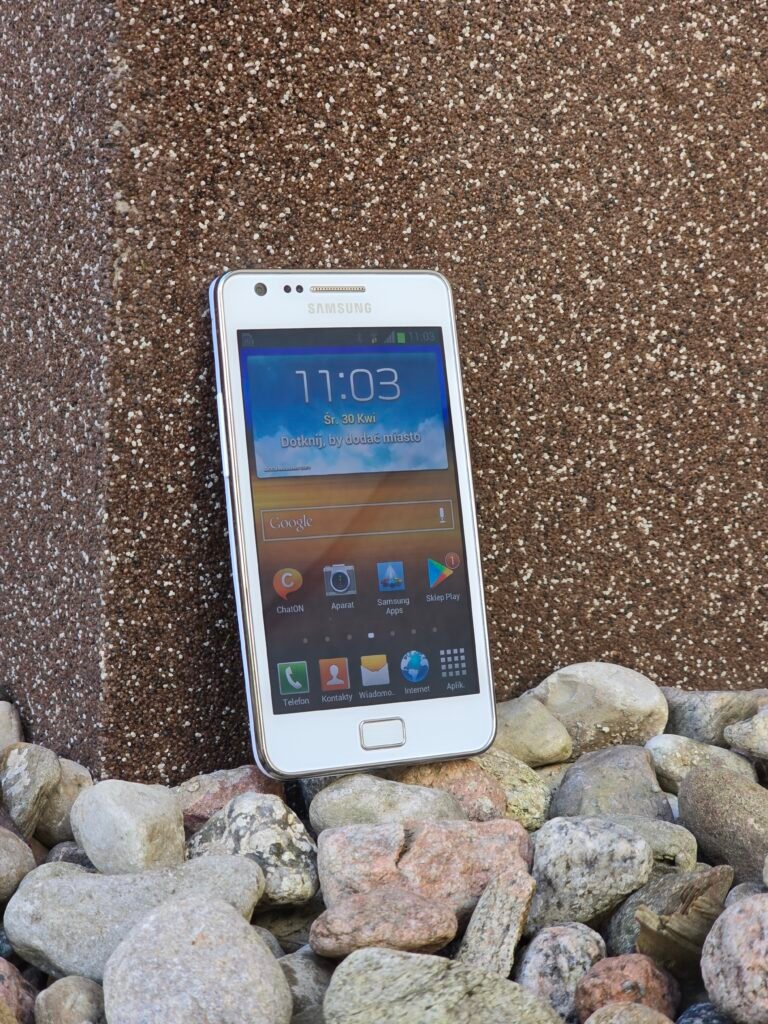
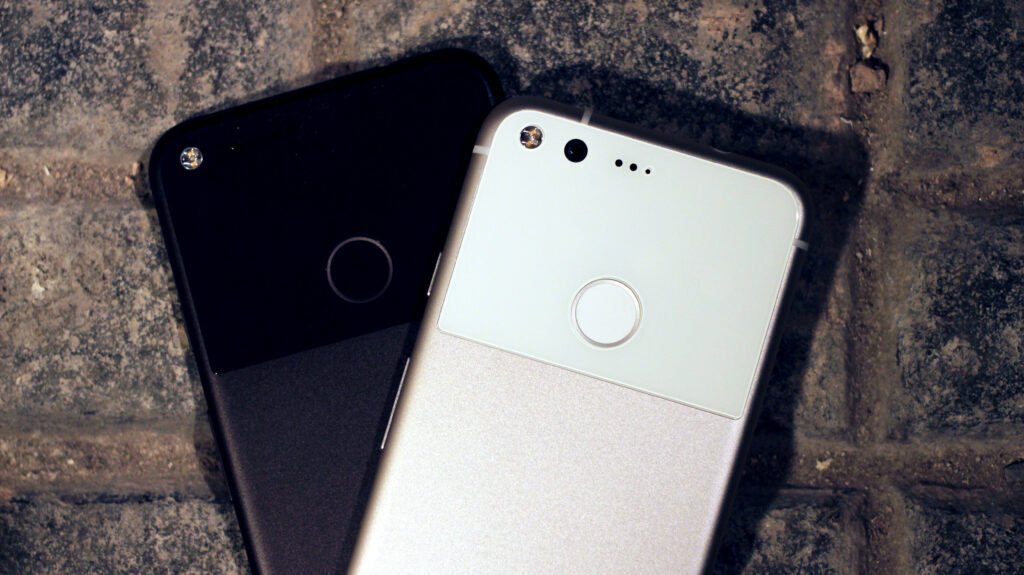
The researcher successfully reproduced the attack on Google Pixel and Samsung Galaxy smartphones. Because the weakness lives in Android’s underlying telephony software rather than in any one manufacturer’s app, handsets from other brands are very likely exposed too. Any phone running Android 12 or a newer version could be a target if it has not received the fix.
There is, however, an important limit to the damage. According to the disclosed research, the SMS of Death threatens the phone’s availability, not its secrets — there is currently no evidence that it lets an attacker steal personal data, read private files or take control of the device. It is a disruption weapon, not a spying tool. That distinction matters: your photos and bank apps are not at risk from this particular flaw, but your ability to make calls very much is.
The fix: what Android users should do
Google has already built a fix. After Blaszczyk’s initial report in May 2026 — which Google’s reporting programme first classified as a non-security issue — Android engineers went to work, and the patch is included in the October 2026 security updates for supported devices running Android 14 through Android 17. The flaw is also expected to appear in Google’s November 2026 Android Security Bulletin.
The catch is that the patch only protects you if your phone actually installs it. Phones running Android 12 and 13 may remain exposed if their manufacturer has not shipped a backported fix, and older devices that no longer receive regular security updates could stay vulnerable indefinitely. Delivery of Android patches still depends on each manufacturer’s update schedule.
The single most effective step is to update your phone now: open Settings, go to System or Software Update, and install the latest available security update. Also check your Android security patch level to confirm the October 2026 update is in place. Against this particular threat, staying updated matters more than caution with messages — because no amount of careful tapping can stop a message you never touch.
Related Posts
 Technology326 Cyber Threats Hit Pakistan in a Year, PTA’s Dark Web Report Reveals
 TechnologyOppo Reno17 Series Confirmed for November 2026 Launch in China
 TechnologyPVARA Under AML Law: Pakistan’s Crypto Regulator Gets Bank-Level Powers
 TechnologySBP Releases Draft Open Banking Regulations for Public Consultation
 TechnologyPunjab Bans Smart Glasses and Hidden-Camera Gadgets for 30 Days: What Is Covered and What Is Not
 TechnologyApple Music Launches in Pakistan: Prices, Plans and PayPak Payments Explained
Most Popular
 How-ToPTA Tax Calculator 2026: Check Mobile Tax on Any Phone347 views
 SportsUEFA Champions League 2026-27: Format, Teams and Schedule328 views
 SportsBallon d’Or 2026: London Ceremony, Nominees and All-Time Records Ahead of 70th Anniversary325 views
 Canada JobsTech Jobs in Canada: Roles, Salaries, and Skills Needed316 views
 Pakistan NewsPIA Boeing 787 Lease Deal: What It Means for the Airline306 views
 ShowbizWomen’s Fashion in Pakistan 2026: Trends, Brands and Style Guide299 views