What the National Executive Committee approved
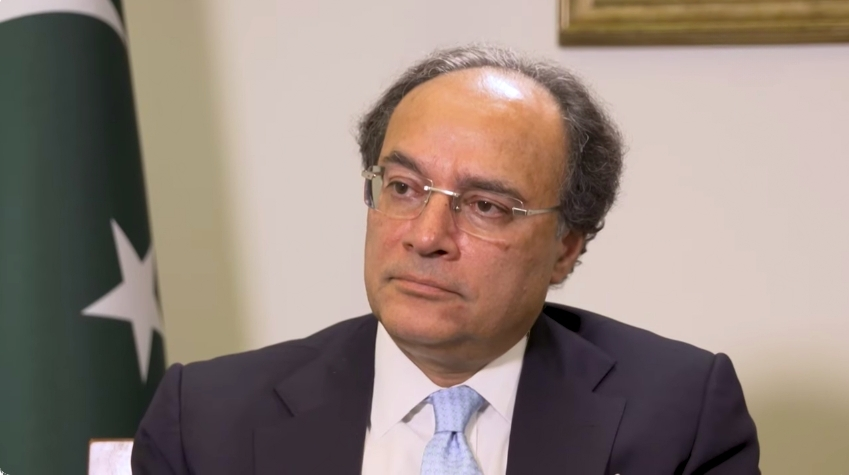
Pakistan has formally placed its new crypto regulator under the country’s anti-money laundering law. At the 19th meeting of the National Executive Committee (NEC) on Anti-Money Laundering and Countering the Financing of Terrorism, held in Islamabad on 27 October 2026, the committee approved the inclusion of the Pakistan Virtual Assets Regulatory Authority (PVARA) in Schedule IV of the Anti-Money Laundering Act (AMLA). The meeting was chaired by Federal Minister for Finance and Revenue Muhammad Aurangzeb, according to the Ministry of Finance press release.
Schedule IV lists the authorities that supervise financial firms for money laundering and terrorist financing. Until now, that club was limited to the State Bank of Pakistan, the Securities and Exchange Commission of Pakistan and the Federal Board of Revenue. PVARA now joins them as the AML/CFT supervisor for virtual asset businesses — putting licensed crypto exchanges on the same legal footing as banks, brokerages and tax-regulated entities.
Bank-grade rules for licensed crypto firms
The practical meaning is straightforward: a Pakistani crypto licence now comes with bank-grade compliance. PVARA can check whether licensed crypto firms know their customers, keep proper records and report suspicious activity. Those suspicious-transaction reports flow to the Financial Monitoring Unit (FMU), Pakistan’s financial intelligence unit, which can share its analysis with investigators and with foreign counterparts.
The Virtual Assets Act, 2026 already treats licensed crypto firms as financial institutions under the anti-money laundering law. It requires them to file suspicious transaction reports and apply the “travel rule” — passing sender and recipient details along with transfers, exactly as banks do with wire transfers. It also allows PVARA to freeze assets or suspend services for up to 30 days in an emergency. Reports say firms already serving Pakistani customers have six months to apply for a licence or stop operating, and running an unlicensed exchange can bring up to five years in prison, a fine of up to Rs50 million, or both.

From an outright ban to a licensed market
The decision is the compliance side of a remarkable policy U-turn. Pakistan spent the better part of a decade under a crypto prohibition before Parliament passed the Virtual Assets Act in March 2026, replacing the ban with a licensing regime. PVARA — chaired by Bilal bin Saqib, who has called the law the country’s first dedicated crypto legislation — builds on a 2025 presidential ordinance and works closely with the State Bank and the SECP.
Putting the regulator inside the AML framework was the missing piece. A licensed crypto market without bank-level supervision would have looked like an invitation to the very money laundering the NEC exists to fight. The Schedule IV listing adds enforcement teeth: licensed exchanges must now build full anti-money laundering programmes, not just hold a licence.
Two more approvals — and what it means for users and the FATF
The same NEC meeting approved two other changes. The threshold for currency transaction reports — the cash-transaction reports banks and regulated firms file with the FMU — rises from Rs2 million to Rs3 million. The committee also approved adding Section 28 of the Pakistan Maritime Zones Act, 2023 to Schedule I of the AML law.
The step matters internationally too. The Financial Action Task Force expects countries to supervise crypto firms for money laundering the same way they supervise banks, and Pakistan — which exited the FATF grey list in 2022 — has a clear interest in showing that opening crypto to the public does not open new loopholes. The committee, however, left practical questions unanswered: how PVARA will staff its supervision, how inspections will work, and when the first licences will actually be issued.
For ordinary users, little changes from day to day. Trading on licensed platforms is legal, but it will be more closely monitored — every transaction traceable, every suspicious pattern reportable. That is the price of a regulated market, and after this decision, it is no longer optional. For background on Pakistan’s crypto ambitions, see our coverage of Binance founder CZ’s Pakistan crypto hub remarks and the live crypto prices in Pakistan.

Sources: Bitcoin News Asia; TechJuice.
Related Posts
 TechnologySBP Releases Draft Open Banking Regulations for Public Consultation
 TechnologyPunjab Bans Smart Glasses and Hidden-Camera Gadgets for 30 Days: What Is Covered and What Is Not
 TechnologyApple Music Launches in Pakistan: Prices, Plans and PayPak Payments Explained
 TechnologyPTA Chief Warns Pakistan a ‘Prime Target’ for Cyberattacks: Fake OTP Messages, Thousands of Fake Videos Hit Citizens Daily
 Technology130 Malaysians Detained in Rawalpindi Scam Call Centre Raid; Malaysian Police May Send Investigators
 TechnologyKimi K3.1 Pro: Moonshot AI’s 2.8T-Parameter Model Rivals GPT-6 Astra and Claude Opus 5.5
Most Popular
 How-ToPTA Tax Calculator 2026: Check Mobile Tax on Any Phone346 views
 SportsUEFA Champions League 2026-27: Format, Teams and Schedule328 views
 SportsBallon d’Or 2026: London Ceremony, Nominees and All-Time Records Ahead of 70th Anniversary325 views
 Canada JobsTech Jobs in Canada: Roles, Salaries, and Skills Needed315 views
 Pakistan NewsPIA Boeing 787 Lease Deal: What It Means for the Airline306 views
 ShowbizWomen’s Fashion in Pakistan 2026: Trends, Brands and Style Guide299 views