
China’s Moonshot AI has unveiled Kimi K3.1 Pro, a massive open-weight artificial intelligence model with around 2.8 trillion parameters that its maker says nearly matches GPT-6 Astra and Claude Opus 5.5 on key benchmarks — while costing roughly half as much to run. The Beijing-based startup launched the model on 23 October 2026, calling it the most capable release in its Kimi family, and has promised to publish the full model weights by 4 November 2026.
The release marks another major escalation in the global open-weight AI race. Unlike closed frontier models, an open-weight release lets developers anywhere in the world — including Pakistan’s growing developer community — download, run and fine-tune Kimi K3.1 Pro on their own infrastructure once the weights go public.
2.8 Trillion Parameters and a 1-Million-Token Memory

Under the hood, Kimi K3.1 Pro is a mixture-of-experts (MoE) architecture with approximately 2.8 trillion total parameters, of which about 104 billion are active for each token.
The model also carries a 1-million-token context window, meaning it can ingest extremely long documents, large codebases or entire conversation histories in a single session. Moonshot describes Kimi K3.1 Pro as a post-trained successor to Kimi K3, and a separate high-speed variant — Kimi K3.1 Pro Highspeed — runs the same capabilities at two to three times the speed for latency-sensitive applications.
Benchmark Scores That Rival GPT-6 Astra and Claude Opus 5.5 — at Half the Price
The headline claim from Moonshot is about performance per rupee. Independent benchmark aggregator Artificial Analysis scored Kimi K3.1 Pro at 55 on its Intelligence Index v4.3.2 — fourth overall at launch and eleven points above Kimi K3’s 44. On the index’s v5 revision it scores 46, making it the top-ranked open-weight model.
Moonshot’s own reported figures put the model within touching distance of closed frontier systems: 65.7 percent on Terminal-Bench 4.0, compared with 66.4 percent for Claude Opus 5.5 and 58.2 percent for GPT-6 Astra, and 92.7 percent on BenchCAD when using tools. Benchmark figures come from the vendor and independent tests should be read with that caveat, but the direction is clear — open models are closing the gap.
On pricing, the API costs 2 dollars per million input tokens and 10 dollars per output tokens — roughly a third below Kimi K3’s 3 and 15 dollars, and about half what comparable frontier models charge. The Highspeed variant is priced at 4 dollars input and 20 dollars output per million tokens. For startups and freelancers building AI products, that price difference compounds quickly across millions of tokens.
A Deliberate Safety Cut: Hacking Skills Weakened Before the Open Release
One of the most unusual parts of the launch is what Moonshot says it took out. According to a Reuters report published on 25 October 2026, the company deliberately removed cyber-related material from the model’s training data and reinforcement-learning environments ahead of the open-weights release, aiming to blunt its ability to assist in cyber attacks once anyone can download the weights.
Moonshot’s own testing reportedly showed the filtering worked: performance on exploit-related tasks fell from 90.5 percent on the unfiltered model to 81.0 percent on the filtered version. The trade-off is deliberate — slightly less capable on one risky task family in exchange for a safer public release. It is a rare, concrete look at how an AI lab tries to keep dangerous capabilities out of an open model.
Where to Use It — and What It Means for Pakistani Developers
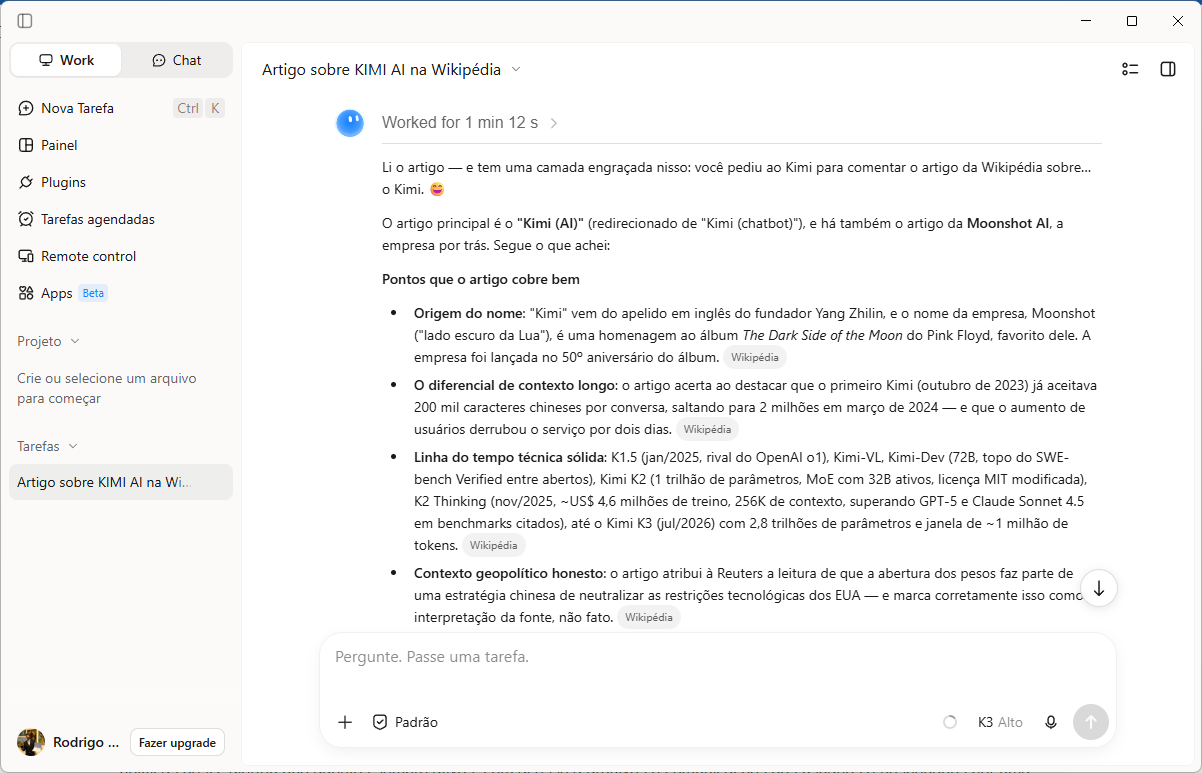
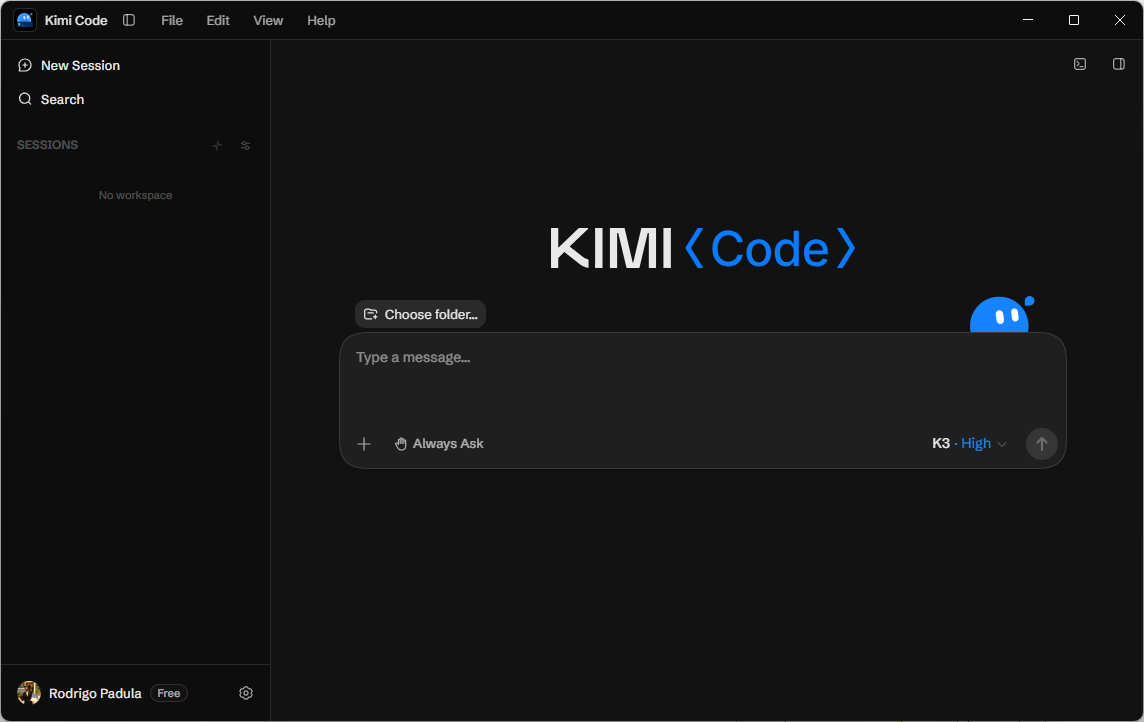
Kimi K3.1 Pro is available now through the hosted API, the Kimi.ai apps, the Kimi Work desktop app and Kimi Code for programming tasks. The full open-weight release is promised by 4 November 2026; until then, developers access it only through Moonshot’s hosted services.
For Pakistani developers, software houses and freelancers, the story is less about the headline benchmark and more about economics: a near-frontier open model at half the token price — and free to self-host once the weights land — lowers the barrier to building AI products locally. Pakistan’s IT and IT-enabled services sector, which has been pushing toward 4 billion dollars in annual exports, runs heavily on freelance and remote work where API bills eat margins. A cheaper, downloadable frontier-class model is exactly the kind of input that ecosystem benefits from.
One unconfirmed report worth watching: The Information reported on 28 October, citing unnamed sources, that the model was trained heavily on outputs from GPT-6 Astra. Moonshot has not commented, so that claim remains unverified — but if confirmed, it would add another chapter to the industry’s long-running debate about how open models learn from closed ones. More on the technical breakdown is available in the detailed Kimi K3.1 Pro specifications and pricing analysis at Enjoy.dev, and the Reuters-reported safety angle at Truviber.
Related Posts
 TechnologyOPPO Find X10 Pro Max Debuts Globally with Industry-First Triple 200MP Cameras — Pakistan Launch Expected
 TechnologyNCCIA Smashes Fake Loan App Network in Shangla: 2 Arrested, 30+ Devices Seized
 TechnologyMotorola Signature 27 Launches November 5: 200MP Periscope Zoom, Snapdragon 8 Elite Extreme Gen 6
 TechnologyAI Conference in Karachi Concludes: Scientists Call for Responsible AI to Protect Environment
 TechnologyPakistan’s National CERT Warns: Phones Can Be Hacked Through Ads — No Click Needed
 TechnologyPIA Boeing 787 Dreamliner Cleared to Fly in Pakistan — First Flight PK-786 Departs London Today
Most Popular
 How-ToPTA Tax Calculator 2026: Check Mobile Tax on Any Phone336 views
 SportsUEFA Champions League 2026-27: Format, Teams and Schedule322 views
 SportsBallon d’Or 2026: London Ceremony, Nominees and All-Time Records Ahead of 70th Anniversary321 views
 Canada JobsTech Jobs in Canada: Roles, Salaries, and Skills Needed311 views
 Pakistan NewsPIA Boeing 787 Lease Deal: What It Means for the Airline297 views
 ShowbizWomen’s Fashion in Pakistan 2026: Trends, Brands and Style Guide297 views