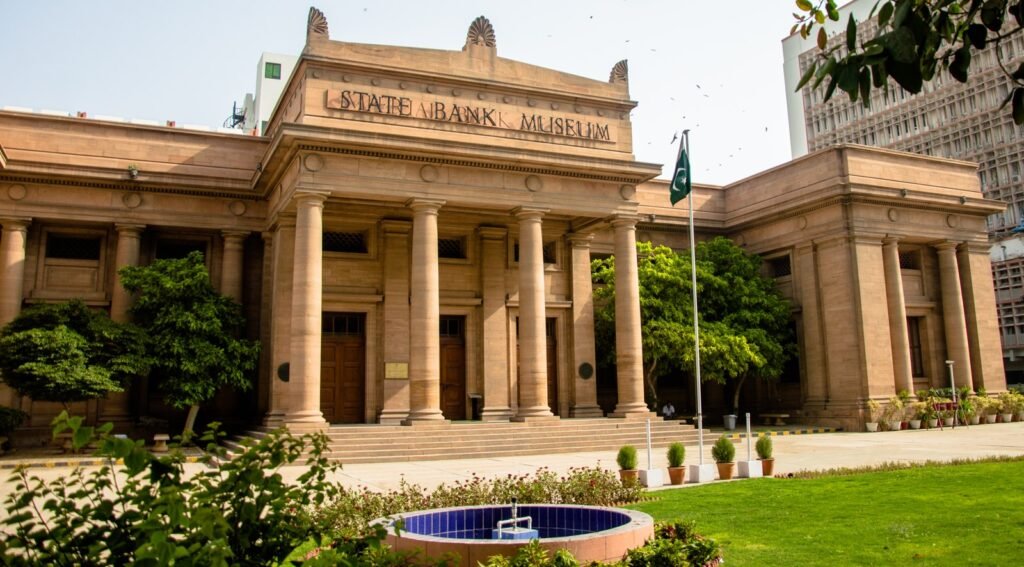
KARACHI: The State Bank of Pakistan (SBP) on Friday released draft Open Banking Regulations for public consultation, according to an SBP statement reported by the Associated Press of Pakistan (APP) — opening the door to a future in which customers, not banks, decide who gets to see their financial data.
The proposed SBP open banking regulations aim to foster innovation, enhance competition and expand access to efficient, customer-centric digital financial services in Pakistan. The draft is now open for feedback from financial institutions, fintech companies, technology providers, consumer groups, academia and the general public.
One important clarification: this is a draft for consultation only. According to the SBP statement, the draft regulations are posted on the central bank’s website — but no final rules, and no implementation date, have been announced.
What the Draft SBP Open Banking Regulations Propose
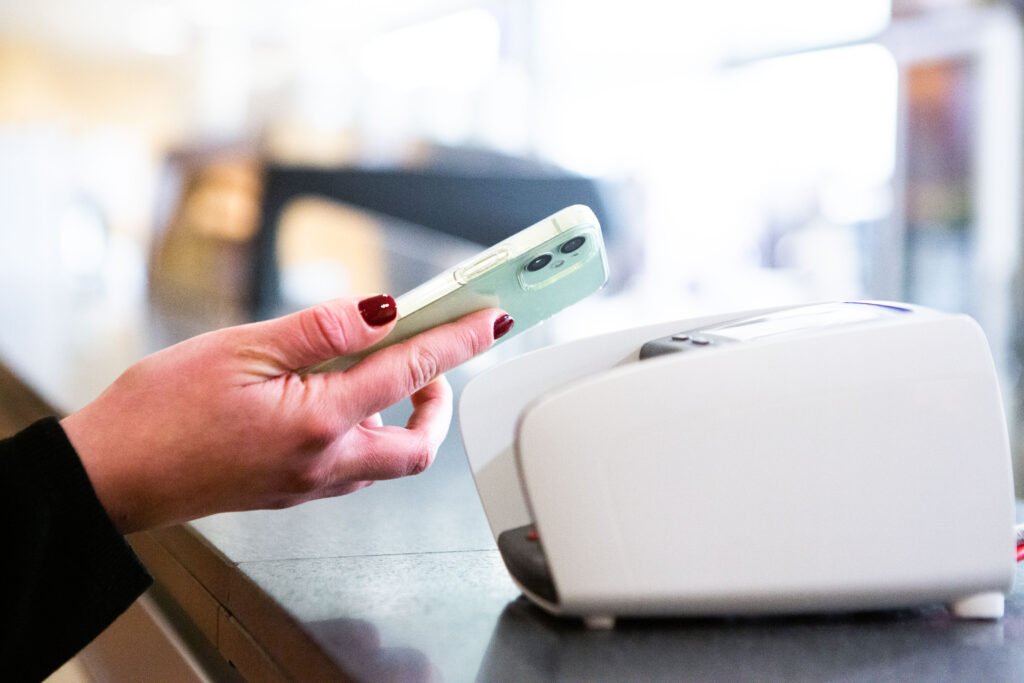
At the heart of the framework is secure, consent-based sharing of customers’ financial data with authorised third-party providers, known as TPPs. In plain terms: with your explicit permission, a licensed fintech app could read your bank account information to offer you a service — and your bank would have to allow it. The draft also enables business payments to be initiated through these authorised third parties.
The SBP open banking regulations are designed to support the digitisation of business-to-business (B2B) and consumer-to-business (C2B) payments — the everyday transactions between companies, and between customers and businesses, that still rely heavily on cash and manual processes in Pakistan. According to the SBP statement, the draft is aligned with international best practices.
What It Means for Customers and Small Businesses
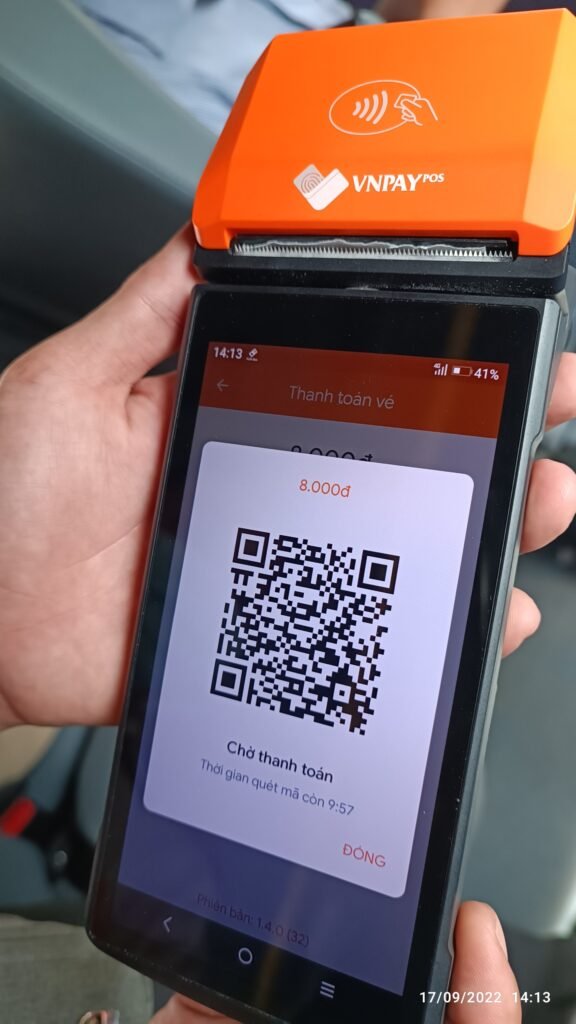
For ordinary customers, the promise of the proposed SBP open banking regulations is control. Instead of your financial data sitting locked inside one bank’s systems, you could allow trusted apps to use it — to track spending across accounts, compare offers, or find a better deal on a loan. Nothing would move without your consent.
One of the most significant expected benefits is better credit assessment. Consent-based data sharing would let lenders see a fuller, verified picture of a borrower’s finances, which the SBP statement says could deliver robust credit assessments and improved access to financing for small and medium enterprises (SMEs) — a sector that has long struggled to obtain affordable credit. The framework is also meant to encourage tailored financial products and services built around real customer data.
This fits a wider pattern of the central bank opening doors for new financial players. SBP recently set a Rs500 million startup investment limit for banks under new prudential rules (read our report), while Pakistan saw its first fintech listing on the stock exchange with the AdalFi IPO (details here).
Built on the Regulatory Sandbox’s First Cohort
The draft did not come out of nowhere. According to the SBP statement, the SBP open banking regulations are informed by the recently concluded first cohort of the central bank’s Regulatory Sandbox on Open Banking, launched under SBP Vision 2028. Three participants — Swich Retail, Digi Khata and Neem Exponential Financial Services — tested their open banking solutions between January and June 2026 and successfully demonstrated them in September 2026.
The sandbox programme continues as a separate track: SBP is now inviting applications for the second cohort of its Regulatory Sandbox. That application process is distinct from this public consultation — the draft regulations now under discussion draw on the lessons of the first cohort.
Strong Safeguards — and Your Chance to Be Heard

Handing financial data to third parties raises obvious questions about safety. The SBP statement says the draft SBP open banking regulations provide robust safeguards covering data protection, privacy, cybersecurity, fraud prevention and consumer protection.
Anyone can weigh in on the final shape of the rules. SBP has fixed 30 November 2026 as the last date for receiving feedback. Comments may be sent by email to psdpolicy@sbp.org.pk with the subject line “Feedback on Draft Open Banking Regulations”, or by post to the Payment Systems Policy & Oversight Department, 4th Floor, SBP Building, I.I. Chundrigar Road, Karachi.
This consultation is the first formal step toward open banking in Pakistan. Whether the final SBP open banking regulations keep their customer-first shape will depend, in part, on who speaks up before the November deadline.
Sources: the SBP statement was reported by the Associated Press of Pakistan via Tez Khabar and by The News.
Related Posts
 TechnologyPunjab Bans Smart Glasses and Hidden-Camera Gadgets for 30 Days: What Is Covered and What Is Not
 TechnologyApple Music Launches in Pakistan: Prices, Plans and PayPak Payments Explained
 TechnologyPTA Chief Warns Pakistan a ‘Prime Target’ for Cyberattacks: Fake OTP Messages, Thousands of Fake Videos Hit Citizens Daily
 Technology130 Malaysians Detained in Rawalpindi Scam Call Centre Raid; Malaysian Police May Send Investigators
 TechnologyKimi K3.1 Pro: Moonshot AI’s 2.8T-Parameter Model Rivals GPT-6 Astra and Claude Opus 5.5
 TechnologyOPPO Find X10 Pro Max Debuts Globally with Industry-First Triple 200MP Cameras — Pakistan Launch Expected
Most Popular
 How-ToPTA Tax Calculator 2026: Check Mobile Tax on Any Phone345 views
 SportsUEFA Champions League 2026-27: Format, Teams and Schedule328 views
 SportsBallon d’Or 2026: London Ceremony, Nominees and All-Time Records Ahead of 70th Anniversary325 views
 Canada JobsTech Jobs in Canada: Roles, Salaries, and Skills Needed314 views
 Pakistan NewsPIA Boeing 787 Lease Deal: What It Means for the Airline305 views
 ShowbizWomen’s Fashion in Pakistan 2026: Trends, Brands and Style Guide299 views