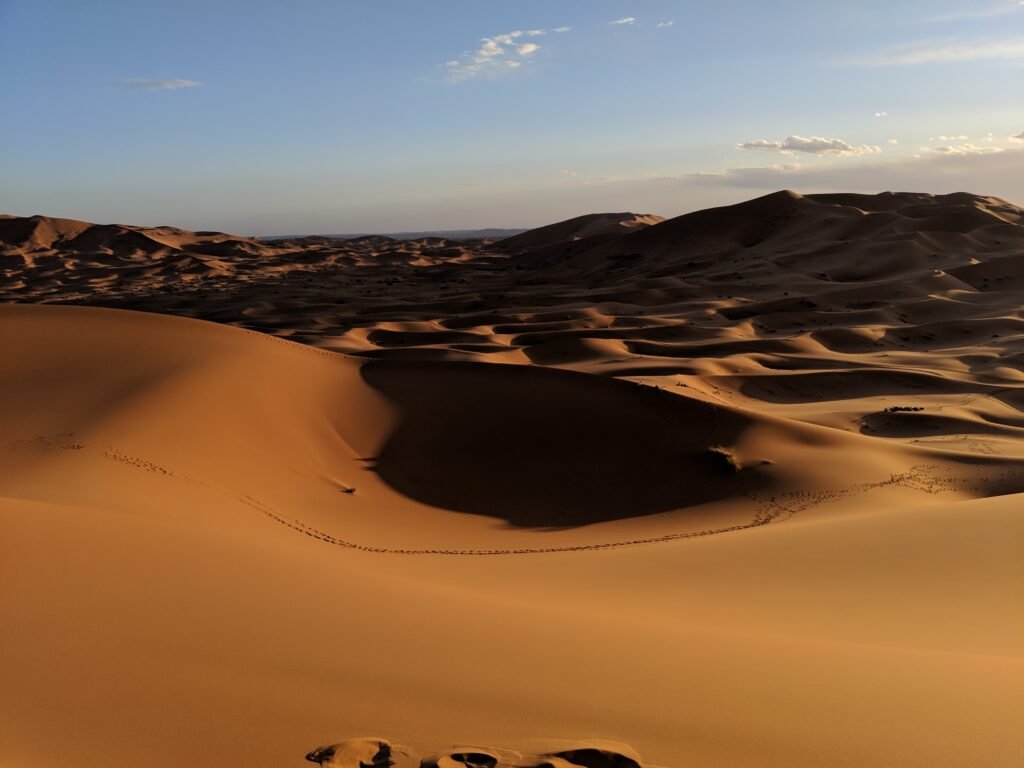
The Sindh government has decided to declare Tharparkar a calamity-hit district after a severe drought destroyed most of the district’s crops, with officials reporting that about 90 per cent of the crop has been lost. Chief Minister Syed Murad Ali Shah took the decision at a briefing on the drought on Saturday, and ordered urgent measures to secure drinking water, repair water plants and protect livestock across the desert district.
According to the briefing, all seven talukas of Tharparkar are facing drought-like conditions. The agriculture extension department told the chief minister that 85 to 90 per cent of crops in the district had been destroyed or rendered unproductive, putting the crop loss at about 90 per cent. The decision was reported by Express News, Daily Jang and Geo News.
Ninety per cent of the crop is gone
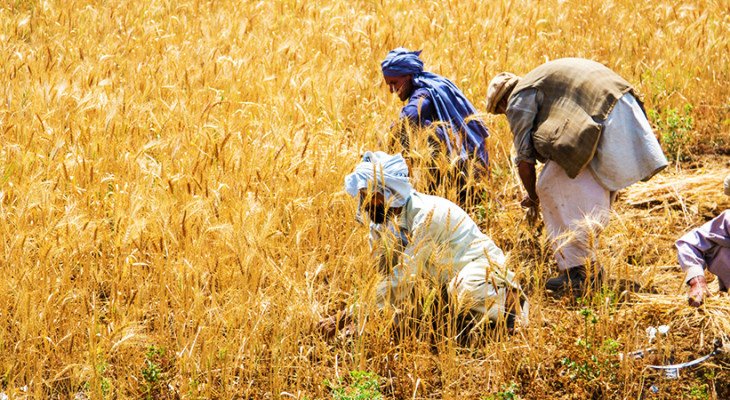
For farming families in Tharparkar, the crop is both food and income. The district depends almost entirely on rain-fed farming, so when the rains fail there is no second crop to fall back on. The briefing said the damage covers almost the whole cultivated area, and the natural grass that livestock feed on has dried out along with the crops.
The loss reaches beyond the fields. Herders who depend on that grass now face the risk of losing animals, and households that earn from the harvest face a season with little or no income. That is why the declaration matters: it is the formal step that allows the government to move relief into the district.
Why the rains failed
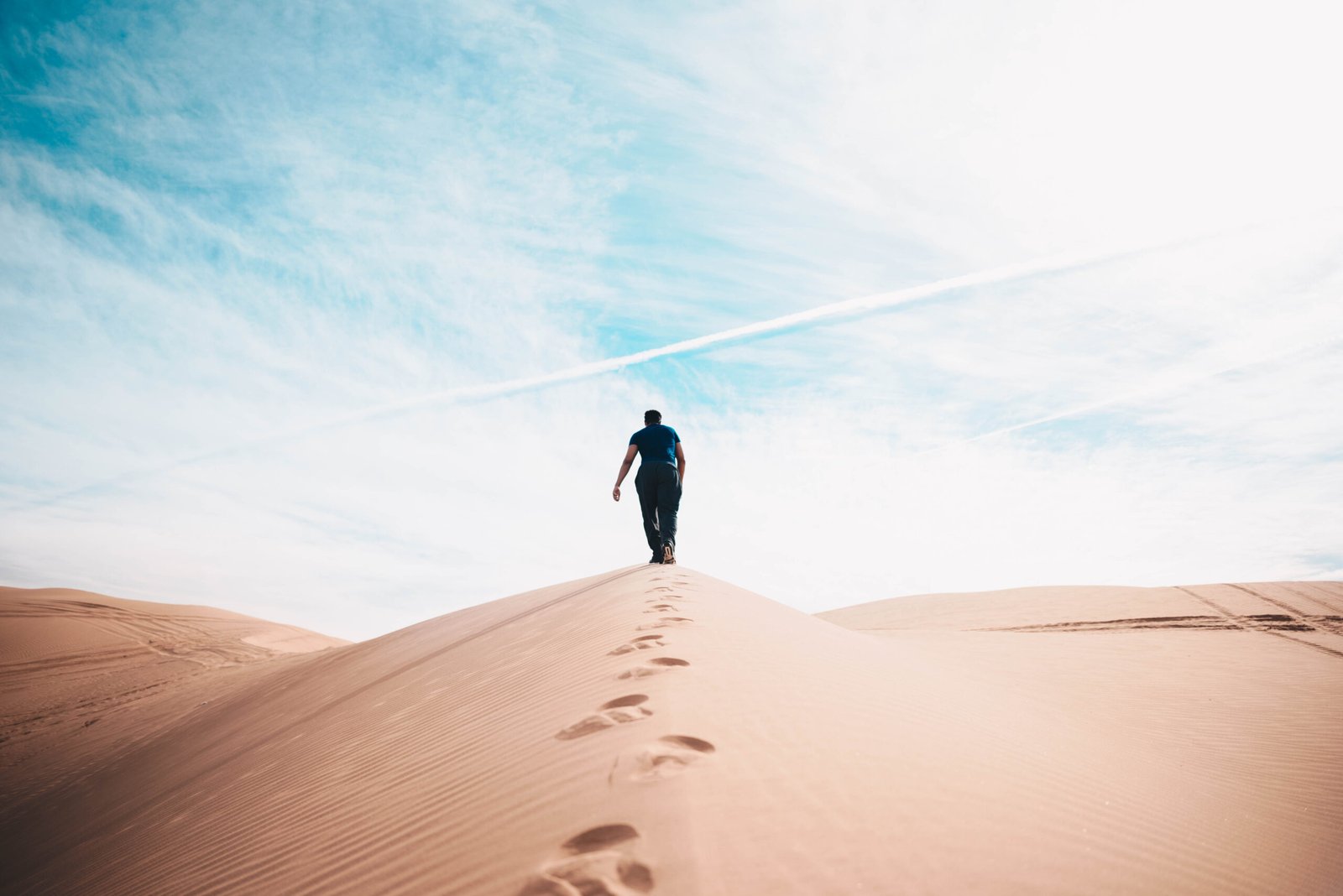
The briefing blamed the failure on the September rains. Only 1 to 36 millimetres of rain was recorded across the seven talukas in September 2026, and the rain that did fall was spread unevenly. Crops and natural grass dried out before they could mature.
Tharparkar is a desert district of more than 1.4 million people, where drought is a recurring threat and the district has been declared drought-hit repeatedly in past decades. With no irrigation system covering the desert, the district lives or dies on the monsoon, and this year the monsoon did not deliver.
What the government has ordered
Murad Ali Shah directed the departments concerned to ensure drinking water supply to residents, to repair reverse osmosis (RO) plants that are not working and make them functional again, and to restore all existing water supply sources immediately. He also asked the chief secretary to examine the feasibility of a water pipeline from Nawkot to Mithi, and directed long-term planning for the area’s water supply. Daily Jang spells the town Nokot.
On livestock, the chief minister asked for recommendations on measures to protect animals affected by the drought. He directed continuous monitoring of relief measures in the drought-hit areas. “We will not leave the affected people of Tharparkar alone; the Sindh government will provide them all possible help,” he said, in remarks reported in Urdu.
The government said its priorities are drinking water, protecting livestock and relief for affected families.
What happens next for Tharparkar
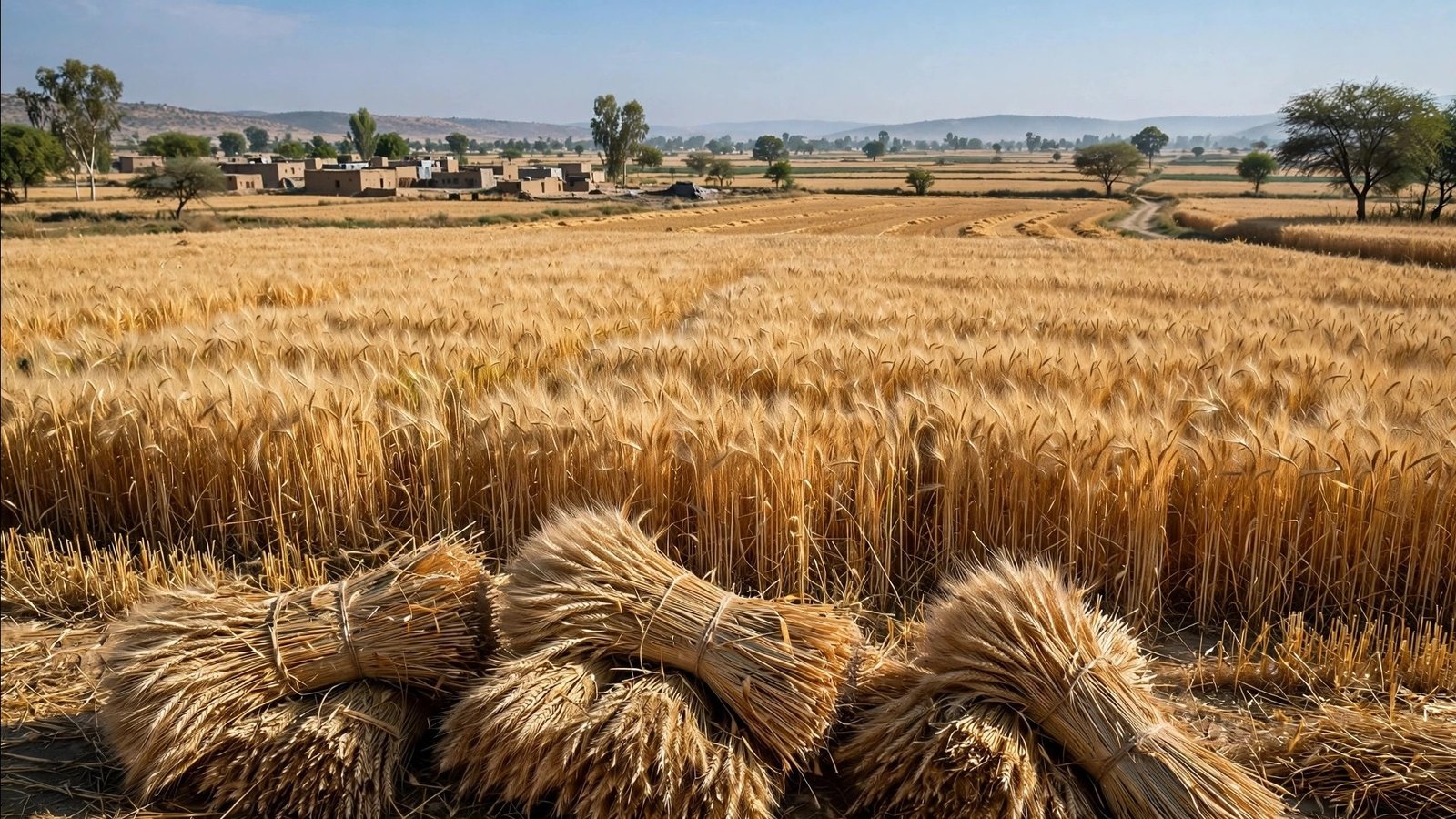
The decision to declare the district calamity-hit opens the way for formal relief measures, but the immediate test is delivery: whether water reaches villages in time, whether broken RO plants are repaired quickly, and whether fodder and support reach herders before animals begin to die.
For now, the people of Tharparkar wait on the measures the chief minister has ordered. The declaration recognises the scale of what has been lost; the relief that follows will decide how much of the district’s farming and herding life can be saved.
Related Posts
 Pakistan NewsSupreme Court Questions WAPDA’s Role in Power Theft: ‘Impossible’ for Illegal Supply to Run Without Officials Knowing
 Pakistan NewsPakistan Tourism, Sports and Family Festival 2026 Lights Up Islamabad — 150,000 Visitors Expected
 Pakistan NewsSecurity Forces Foil Infiltration Attempt in Kurram as Afghan Taliban Open Fire Across the Border
 Pakistan NewsPakistan Signs Expo 2030 Riyadh Participation Contract — Culture District Pavilion and 42 Million Visits Expected
 Pakistan NewsPMD November 2026 Outlook: Above-Normal Rain in the North, Dry South — and a Dengue Warning
 Pakistan NewsECP Sets February 7, 2027 for First Phase of Punjab Local Government Elections — First Local Polls Since 2015
Most Popular
 How-ToPTA Tax Calculator 2026: Check Mobile Tax on Any Phone417 views
 Pakistan NewsPIA Boeing 787 Lease Deal: What It Means for the Airline389 views
 Canada JobsTech Jobs in Canada: Roles, Salaries, and Skills Needed387 views
 SportsUEFA Champions League 2026-27: Format, Teams and Schedule384 views
 TechnologyPM Shehbaz Sets November Deadline for Alibaba AI and Digitalisation Projects in Pakistan364 views
 ShowbizWomen’s Fashion in Pakistan 2026: Trends, Brands and Style Guide360 views