Pakistan is heading into a split November: wetter than usual in the north, drier than usual in the south, and warmer than usual almost everywhere. The Pakistan Meteorological Department (PMD) has issued its monthly climate outlook for November 2026, and it carries a warning that matters beyond the weather charts — the dengue season could run longer than usual this year.
The outlook, published on 5 November and updated on 6 November, sketches a month of contrasts. Much of the country can expect more rain than a typical November, but the south faces the opposite problem, and temperatures are set to stay above average across the board.
Where November’s rain will fall
The heaviest rain, relative to what November normally brings, is forecast for the north. Most areas of Khyber Pakhtunkhwa, northwestern Punjab and parts of Kashmir are expected to receive above-normal rainfall through the month.
Central Punjab and Balochistan are likely to see near-normal precipitation — neither notably wet nor notably dry. The shortfall sits further south: Sindh, southern Balochistan and a few districts of southern Punjab may receive slightly below-normal rainfall.
Temperatures tell a more uniform story. The PMD expects them to remain above average nationwide, with the sharpest increases projected in Gilgit-Baltistan, Kashmir and northern Khyber Pakhtunkhwa. Karachi, too, is set for a warmer-than-usual November, according to the Met Office’s earlier city outlook.
The picture is a change from October, when most areas received normal to below-normal rainfall. Punjab, Gilgit-Baltistan, Khyber Pakhtunkhwa and Azad Jammu and Kashmir recorded above-normal precipitation that month, while Balochistan and Sindh stayed predominantly dry — Sindh received no rainfall at all during October.
What it means for Rabi crops
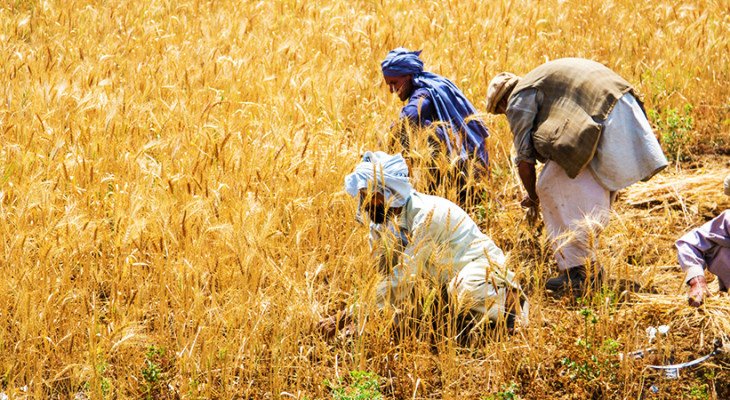
For farmers, the split forecast cuts both ways. In the south, the expected rainfall deficit could put pressure on water availability for irrigation in rain-fed agricultural areas and potentially disrupt the sowing of Rabi crops, the winter season’s main planting.
In the north, the outlook is more encouraging. Above-normal precipitation is expected to favour Rabi crop sowing and seed germination in northern Punjab, central Khyber Pakhtunkhwa and Azad Jammu and Kashmir, where moisture at sowing time can make a real difference to the crop.
The PMD has advised farmers to consult weather updates before making irrigation and crop-sowing decisions, rather than relying on the monthly outlook alone.
Dengue season may run longer
The warmer-than-usual temperatures carry a health warning. The PMD says above-normal temperatures could prolong the dengue season, particularly in southern Punjab, Sindh and Balochistan, where conditions favourable for mosquito breeding may persist well into the month.
Health authorities have been advised to remain vigilant and to continue vector-control measures — the spraying, surveillance and clean-up drives that keep mosquito numbers down. For households, the message is the familiar one: do not let water stand where mosquitoes can breed, and take precautions against bites while the warm weather lasts.
Fog and smog: the other November risks
Rain is only part of November’s weather story. The PMD has also flagged fog as a risk during the month, as dry and cool nights may create favourable conditions for its formation, particularly in southern Punjab, Sindh and adjoining areas of Balochistan.
Reduced visibility during the early morning hours could disrupt road traffic and cause delays on major highways and at airports — a warning worth heeding for anyone travelling before sunrise.
Smog is the other concern. The department has flagged the possibility of smog across the country’s plains amid deteriorating air quality, with children, elderly people and those suffering from respiratory illnesses expected to remain particularly vulnerable. Lahore has already felt the season’s first bite, with smog pushing the air quality index to 722 in Iqbal Town earlier this month.
Rain on the way next week
The monthly outlook is not the only forecast to watch. The PMD’s weekly outlook, issued on 5 November, points to a new spell of unsettled weather from 9 November, after a mostly dry start to the second week of the month.
Rainfall chances are expected to rise in upper Khyber Pakhtunkhwa on 9 November, with rain and thunderstorms likely across upper Khyber Pakhtunkhwa, Gilgit-Baltistan and Kashmir on 10 November, and in northern Punjab, including Murree and Galiyat. On 11 November, northeastern Balochistan, Khyber Pakhtunkhwa, Gilgit-Baltistan and Kashmir may receive further rain, with snowfall possible over the higher mountain ranges. Central and southern Punjab, including Faisalabad, Lahore, Sahiwal and Multan, are expected to stay predominantly dry during the initial days of the week.
What the outlook does — and does not — tell you
It is worth remembering what a monthly outlook is. The PMD itself stresses that its outlook presents broad weather trends based on probabilistic forecasts, rather than precise day-to-day predictions, and that it should be read alongside short-term weather advisories.
That caveat matters most for the two groups the department singles out: farmers, who should check the latest updates before deciding on irrigation and sowing, and travellers and tourists, who should exercise caution during rainfall events.
November, in short, will not treat the whole country the same way. The north should prepare for a wetter month, the south for a drier one, and everyone for warmer days — with dengue, fog and smog all worth watching as the month unfolds.
Sources: The Global Times and TaazaTaren.
Related Posts
 Pakistan NewsECP Sets February 7, 2027 for First Phase of Punjab Local Government Elections — First Local Polls Since 2015
 Pakistan NewsPM Inaugurates Kashmir Chowk Underpass in Islamabad After Record 27-Day Build
 Pakistan NewsPakistan and China Team Up to Protect Gandhara Relics as KP Digitises 10,000 Ancient Sculptures
 Pakistan NewsPakpattan Bus Crash: 11 Killed, 33 Injured as Multan–Kasur Bus Collides With Truck on Depalpur Road
 Pakistan NewsPAC Exposes Rs165.6 Million Embezzlement at Pakistan’s Embassy in Austria — FIA Summoned After Six Years Without Progress
 Pakistan NewsPM Orders Cancellation of Petrol Pump Licences for Denying Subsidised Fuel Under Fuel Relief Programme
Most Popular
 How-ToPTA Tax Calculator 2026: Check Mobile Tax on Any Phone417 views
 Pakistan NewsPIA Boeing 787 Lease Deal: What It Means for the Airline389 views
 Canada JobsTech Jobs in Canada: Roles, Salaries, and Skills Needed387 views
 SportsUEFA Champions League 2026-27: Format, Teams and Schedule384 views
 TechnologyPM Shehbaz Sets November Deadline for Alibaba AI and Digitalisation Projects in Pakistan364 views
 ShowbizWomen’s Fashion in Pakistan 2026: Trends, Brands and Style Guide360 views