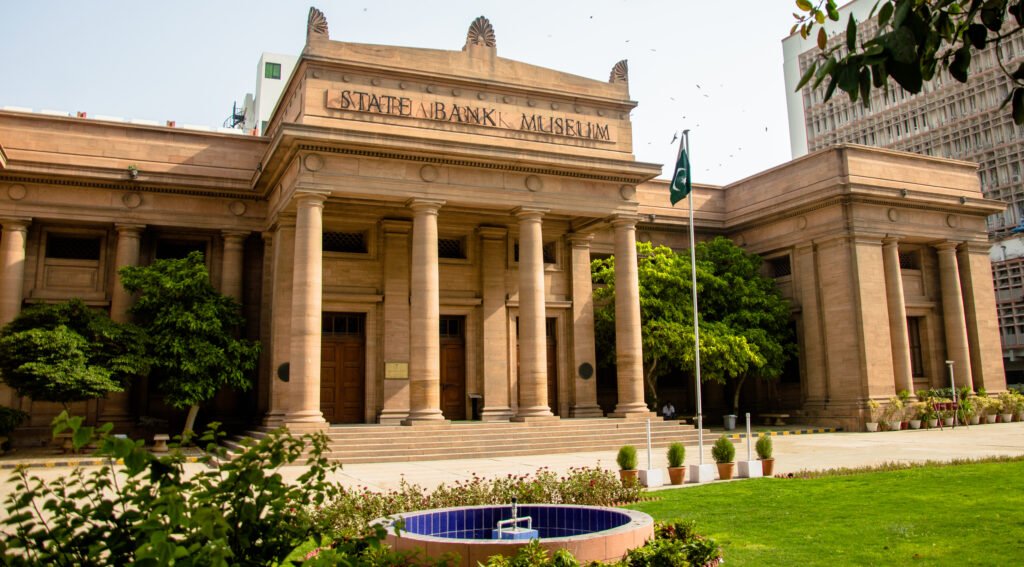
The State Bank of Pakistan has opened a 16-week training programme that will teach Pakistani software houses and payment companies how to build on Mojaloop, the open-source software designed to run instant payments between banks and digital wallets. The course runs from November 2026 to February 2027, combining self-paced study with live sessions led by experts, and learners join the wider Mojaloop developer community once they finish.
It is the first project launched under the collaboration framework of SBP’s Innovation Hub — the platform the central bank created under its Vision 2028 to work directly with banks, fintechs, technology firms and universities. The teaching itself comes from the Mojaloop Foundation, the non-profit organisation behind the code.
What Exactly Is Mojaloop?
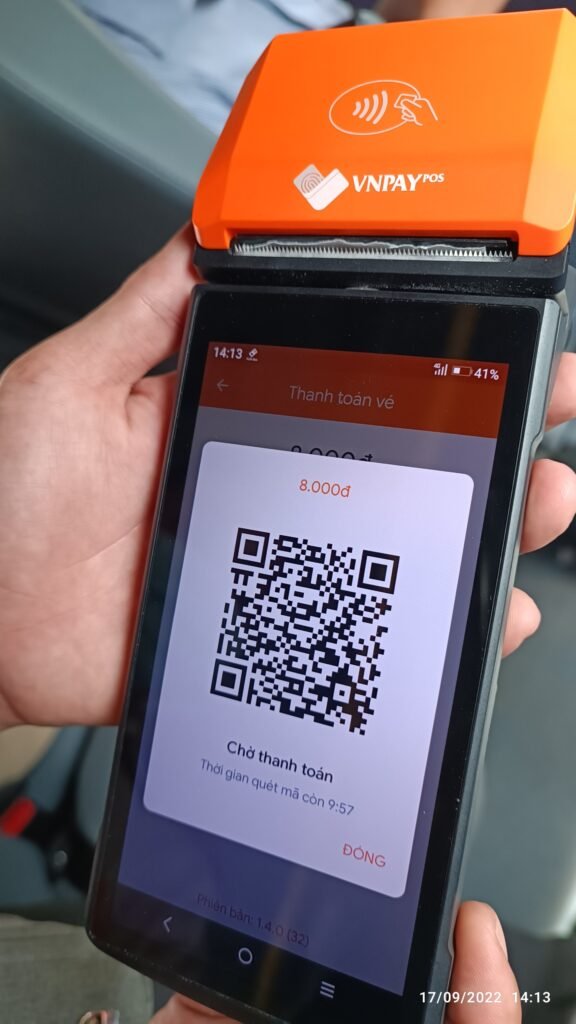
Mojaloop is open-source software for running instant payments between banks and wallets. It is not an app you download; it is the kind of behind-the-scenes code that lets money move from one bank account to another — or from a bank to a mobile wallet — in seconds rather than hours or days. The course trains local firms to build on this software so that Pakistani companies can one day develop and maintain payment systems themselves.
The course targets three kinds of participants: system implementers, digital financial service providers, and operators of payment hubs. According to the Foundation, it runs training accelerators like this only where a government has officially committed to exploring Mojaloop. Experienced integrators are paired with newer firms that have already completed its free online training, so local companies can eventually build and support payment systems on their own.
Why the Central Bank Wants Local Builders

Deputy Governor Saleem Ullah, speaking at the Karachi launch, described the course as a chance to pair Pakistani talent with overseas expertise so that institutions can ship practical payment tools. The message fits a wider shift in Pakistani fintech thinking: the country should build payment technology itself, not just consume tools designed elsewhere.
SBP describes the Innovation Hub framework as non-exclusive and neutral between technologies and providers — a clear signal that this is about building skills first, not about picking one company’s system over another’s.
What Changes for Customers — Nothing, Yet

The honest headline for customers is simple: nothing changes for now. The programme builds skills, and SBP has not said it will adopt Mojaloop for any Pakistani payment system. No new app is launching, no existing payment service is changing, and the bank has not published which firms are taking part or how others can apply.
This sits alongside the central bank’s broader digital push, including its draft open banking regulations and its regulatory sandbox programme for fintechs. But the Mojaloop course is explicitly about training developers — the people who would one day build and maintain such systems.
The Questions That Are Still Open

Three questions remain unanswered. First, which firms are actually enrolled — and how can others apply? Second, whether the programme will be repeated after February 2027. Third, what the bank expects local firms to build once they finish the course.
Those answers matter, because training alone changes nothing unless graduates get to build real systems. For now, though, the direction is clear: Pakistan’s central bank wants the people who build the country’s payment rails to be trained here, by Pakistani firms, on open technology. The programme was first reported by Tech Prolonged, and background on the open-source project comes from the Mojaloop Foundation itself.
Related Posts
 TechnologyPakistan Calls Out Tech Giants’ “Algorithmic Power” at the UN, Demands Accountability
 TechnologyITIF Asia 2026: Pakistan’s Biggest Industrial Trade Fair Opens in Lahore
 TechnologyPakistan Weighs International Arbitration Against Etisalat to Recover $800 Million From PTCL Sale
 TechnologyPakistan’s Byonyks Heads to San Francisco for Startup World Cup Grand Finale With $1 Million Prize at Stake
 TechnologyMicrosoft Offers 60,000 Employees a Voluntary Exit as AI Spending Soars
 TechnologyChina Proposes Export Controls on Solar Manufacturing Tech: What It Means for Pakistan
Most Popular
 How-ToPTA Tax Calculator 2026: Check Mobile Tax on Any Phone407 views
 Pakistan NewsPIA Boeing 787 Lease Deal: What It Means for the Airline382 views
 SportsUEFA Champions League 2026-27: Format, Teams and Schedule375 views
 Canada JobsTech Jobs in Canada: Roles, Salaries, and Skills Needed361 views
 SportsBallon d’Or 2026: London Ceremony, Nominees and All-Time Records Ahead of 70th Anniversary338 views
 ShowbizWomen’s Fashion in Pakistan 2026: Trends, Brands and Style Guide337 views