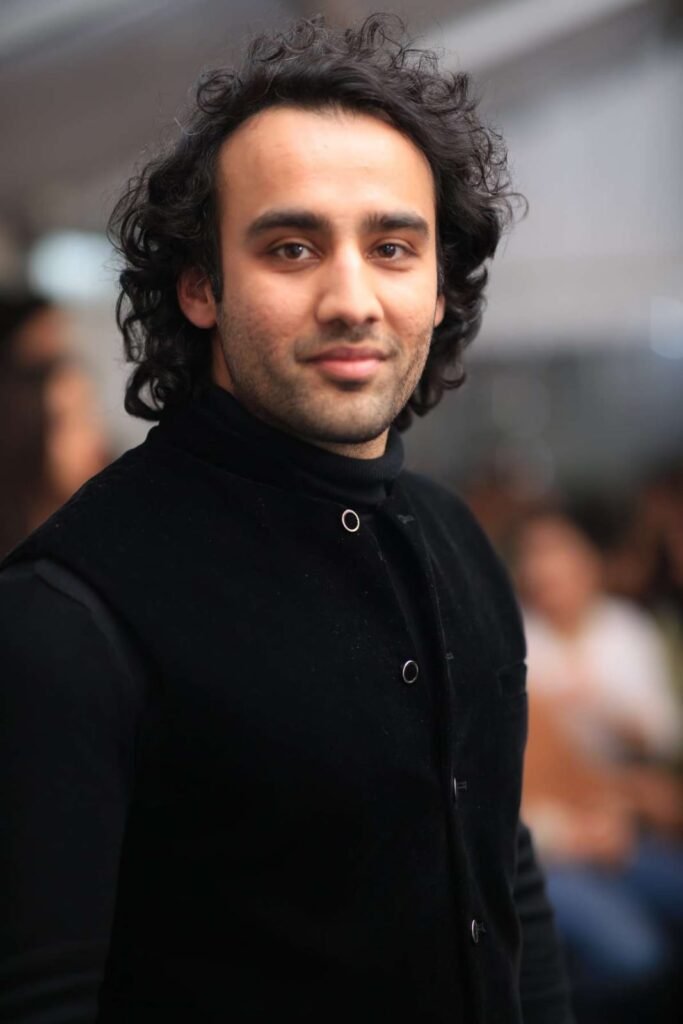
Pakistan must stop being merely a consumer of global financial technology and start contributing to the infrastructure, standards and innovation that will define the future of finance. That was the blunt message from Minister of State and Chairman of the Pakistan Virtual Assets Regulatory Authority (PVARA), Bilal Bin Saqib, as reported by Mettis Link News on 3 November 2026.
Saqib was speaking at the PBA-LUMS Dialogue on Digital Assets and the Future of Banking, during a fireside conversation titled “Partner, Competitor, or Bystander?” with Zafar Masud, Chairman of the Pakistan Banks’ Association (PBA) and President and CEO of the Bank of Punjab, according to a press release.
“Build, Don’t Just Consume”
The PVARA chairman told Pakistan’s bankers that the country faces a simple choice: whether it wants to keep “renting its future or help build and own it”. When the correspondent-banking arrangements and major payment networks that power global finance took shape, he said, Pakistan largely became a user of systems designed elsewhere. Digital assets, tokenisation and artificial intelligence, he argued, now give the country a chance to take part earlier in building new financial capabilities.
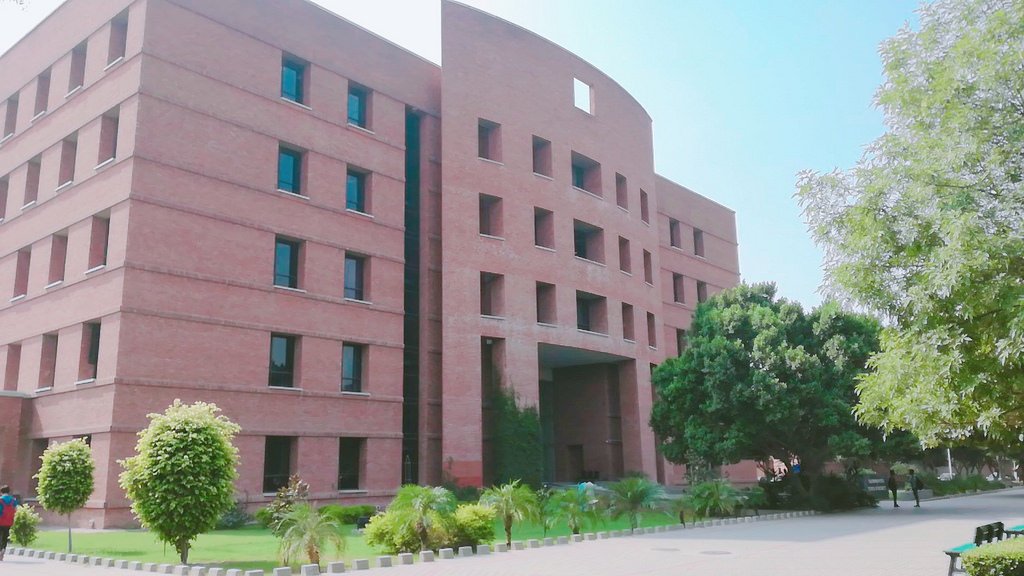
He urged banks to build deeper partnerships with universities, researchers, engineers and emerging technology companies, and to invest in AI capabilities, develop their existing workforce and strengthen collaboration with institutions such as LUMS. The greatest opportunity, he said, is to produce the people who can build the technology.
“Judge Progress by Outcomes, Not Events”
In one of the sharpest passages of his remarks, Saqib said Pakistan’s progress in digital assets should be judged by real economic outcomes, not by “events held, MoUs signed or announcements made”. The comment lands at a moment when the country is pushing hard on digital finance — from the Virtual Assets Act 2026 and the new PVARA framework, which Pakistan spotlighted at the United Nations’ first policy dialogue on tokenization, to the government reviewing the tokenisation of its Eurobond debt.
The point, he added, is not to give Pakistanis more assets to trade but to help more of them build assets, businesses and wealth. That framing puts the emphasis on productive use of the technology rather than on speculative trading.
“Bitcoin Was Only the Front Door”
Saqib told the audience that Bitcoin was only “the front door”, and that the bigger change lies in the technology behind it — technology that is reshaping how value moves, how financial assets are held and how capital reaches businesses. He pointed to JPMorgan, HSBC and Standard Chartered, saying digital assets are increasingly being integrated into institutional payments, treasury management and capital markets around the world.
He stressed that AI is also changing how financial services are developed, delivered and secured, citing its growing use in fraud detection, risk management, customer service, software engineering and operational efficiency.
“The $41.6 Billion Remittance Angle”
Turning to Pakistan’s $41.6 billion in annual remittance flows, Saqib highlighted the growing importance of cutting the cost of international transfers, saying changing economics have made the search for more efficient financial infrastructure increasingly important for banks. He identified supervised, bank-led payment arrangements involving the major Gulf remittance corridors as an opportunity worth examining, subject to regulatory coordination and appropriate safeguards.
Addressing students and young professionals at LUMS, he recalled that he has been involved in digital assets since 2016, and said the goal is to build companies capable of exporting technology rather than importing it.
Whether Pakistan’s banks take up the challenge will decide whether the country keeps renting its financial future — or finally helps build it.
Related Posts
 TechnologyPTA to Inspect Telecom Networks on Thursday as Operators Reportedly Boost Signals Ahead of Visit
 TechnologyGoogle Tells Schools: Opt Out of AI and Lose Search Too
 TechnologyAirlink AirV Electric Bikes Launched in Lahore: 11 Models, Six Series, Up to 200 km Range
 TechnologyBitMart Hack: Crypto Exchange Confirms $391,000 Breach 53 Minutes Before $49M Mercado Bitcoin Heist
 TechnologySBP Starts Mojaloop Training for Pakistani Payment Developers — 16-Week Open-Source Course Opens
 TechnologyPakistan Calls Out Tech Giants’ “Algorithmic Power” at the UN, Demands Accountability
Most Popular
 How-ToPTA Tax Calculator 2026: Check Mobile Tax on Any Phone408 views
 Pakistan NewsPIA Boeing 787 Lease Deal: What It Means for the Airline384 views
 SportsUEFA Champions League 2026-27: Format, Teams and Schedule377 views
 Canada JobsTech Jobs in Canada: Roles, Salaries, and Skills Needed365 views
 SportsBallon d’Or 2026: London Ceremony, Nominees and All-Time Records Ahead of 70th Anniversary339 views
 ShowbizWomen’s Fashion in Pakistan 2026: Trends, Brands and Style Guide339 views


One comment