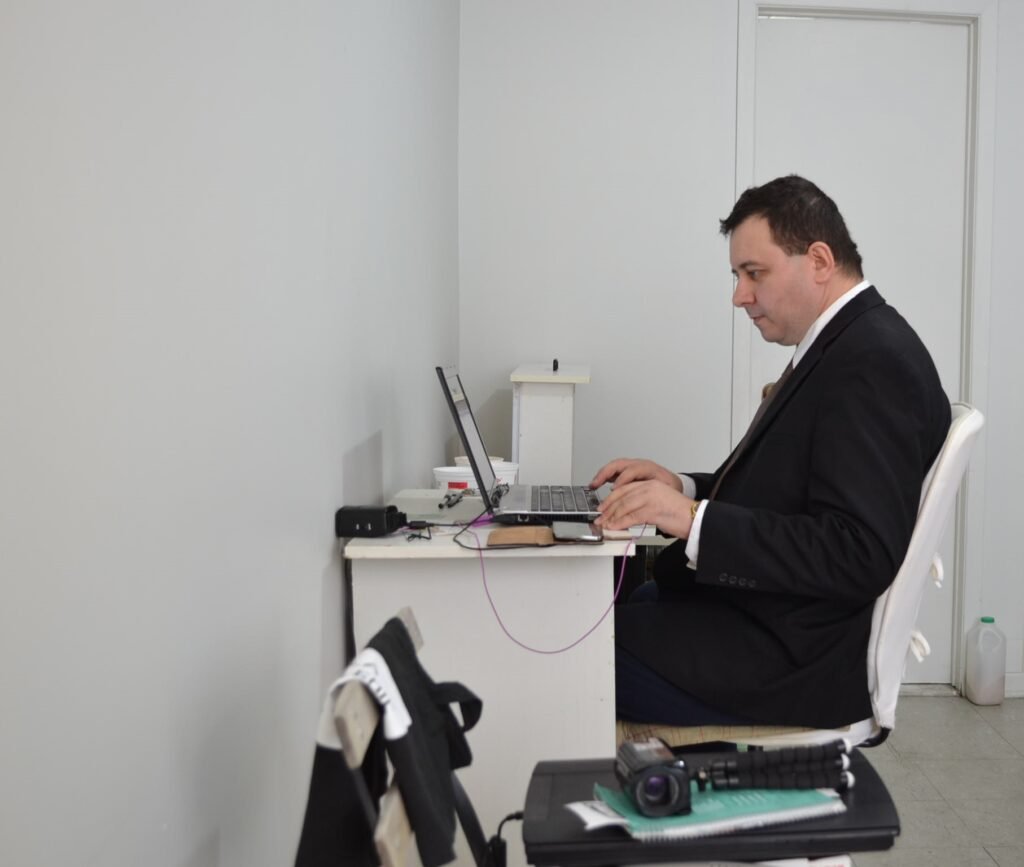
Pakistani freelancers earned $758.8 million in foreign exchange during the first four months of the current fiscal year, a 47% increase on the same period last year, according to data from the State Bank of Pakistan (SBP) reported on Tuesday.
The July-to-October figures underline how quickly freelancing has become one of Pakistan’s most important sources of foreign exchange — and the growth is no longer driven by software and IT work alone. Non-IT services, from design and digital marketing to content writing, nearly doubled in a year and contributed more new dollars than IT freelancing itself.
The numbers behind the 47% jump

Pakistan’s freelancers brought in $758.8 million between July and October, the first four months of fiscal year 2026-27, compared with $515.8 million in the same period a year earlier, the SBP data shows. That is an increase of $243 million in a single four-month window.
September was a particularly strong month: freelancers earned a record $197 million in September alone, a figure UrduPro reported at the time. July 2026 had already set the tone, with $175.44 million in earnings, up 45.5% year on year.
The headline growth rate of 47% is striking on its own, but the split underneath it tells the more interesting story — and it is the split that may matter most for the year ahead.
IT still leads, but non-IT is catching up fast

IT-related freelancing generated $463.8 million in the four months, up 26% from $366.6 million a year earlier. IT work — software development, web and app work, data annotation and technical writing — still accounts for about six in every ten freelance dollars earned.
Non-IT services, however, grew far faster. Earnings from non-IT work reached $295.6 million, up from $148.2 million a year earlier — an increase of about 99%, all but doubling in twelve months.
In cash terms, non-IT freelancing added $147.4 million of new earnings, against $97.2 million from IT work. In other words, the smaller half of the freelance economy delivered the larger share of this year’s growth.
The non-IT category covers creative design, digital marketing, content writing, video editing, social media management and virtual assistance — the services global clients increasingly buy from Pakistani professionals working from home.
Why more Pakistanis are turning to freelancing
Ibrahim Amin, chairman of the Pakistan Freelancers Association (PAFLA), attributed the growth to more young professionals and students turning to freelancing platforms. Limited employment opportunities in the domestic market and better earning prospects with international clients are driving the shift, he said.
Pakistan now has close to three million full-time and part-time freelancers, according to PAFLA estimates, making it one of the largest freelance workforces in the world. Payoneer’s ranking of the top ten freelancing countries places Pakistan fourth globally, behind only the United States, the United Kingdom and Brazil, while the Pakistan Economic Survey 2024-25 names the country the second-largest provider of digital labour in the world.
For many young Pakistanis, freelancing has become the first job rather than a side income — a way to earn in dollars while living in rupees, without waiting for a local employer to hire them.
A record year behind them
The latest figures build on a record year. In the fiscal year that ended in June 2026, Pakistani freelancers brought in a record $1.76 billion in foreign exchange, up 78% from $984 million the year before, according to SBP data reported in July.
IT freelancing contributed more than $1.16 billion of that total, up 49% from $779 million, while non-IT freelancing reached $592 million, up 188% from $205 million.
The freelance boom is part of a wider digital export story. Pakistan’s total IT exports hit a record $453 million in October 2026, the highest monthly figure ever recorded, as the country’s technology sector continues to outpace most traditional export industries.
What freelancers need next
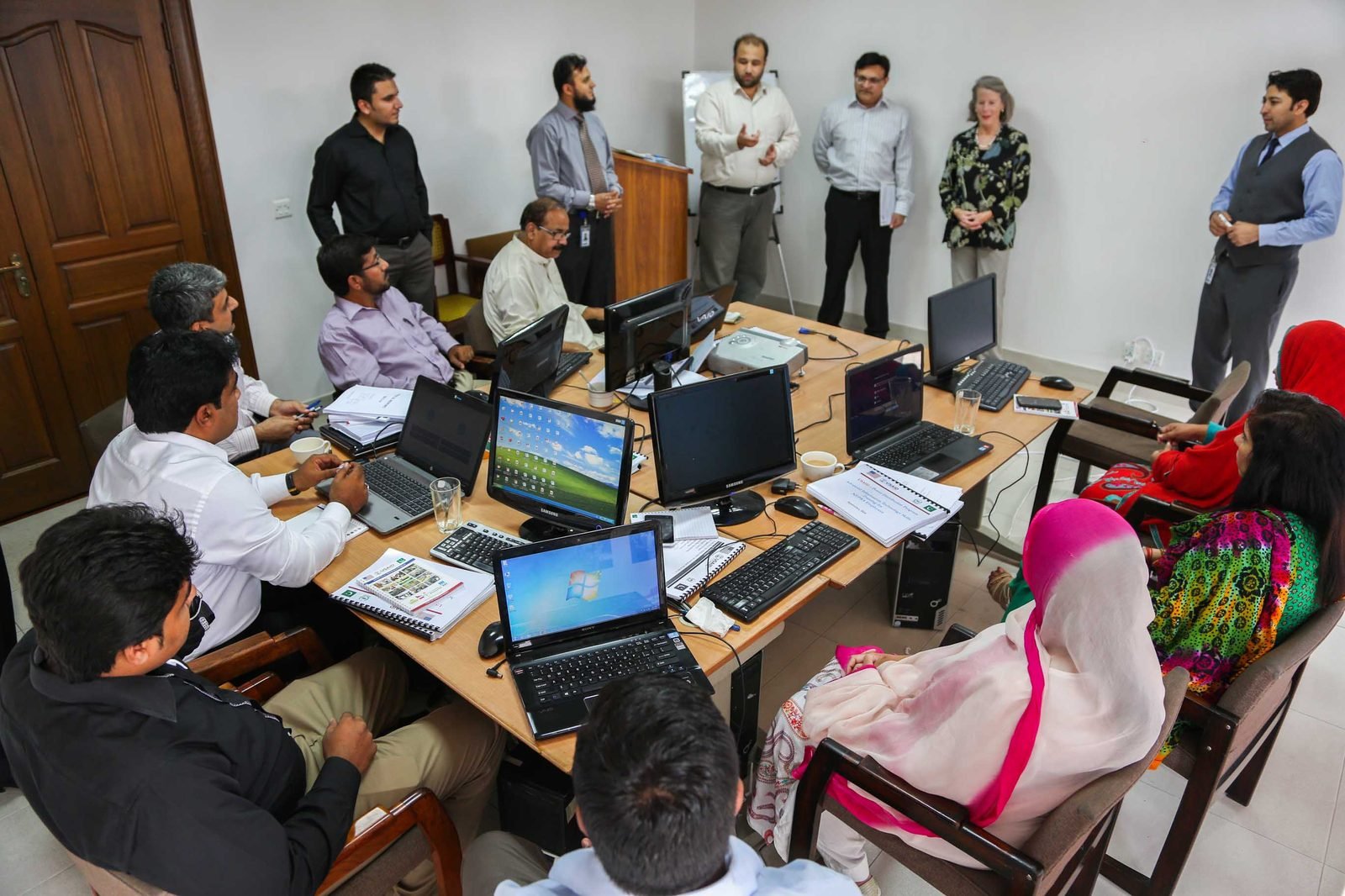
Amin said public and private institutions should provide training in skills that are in demand internationally, so freelancers can win more projects and bring in more foreign exchange. He also called for continued support to help freelancers learn emerging skills and expand Pakistan’s presence in the global digital services market.
Government-backed training is already moving in that direction. DigiSkills, the national digital skills programme, has opened 300,000 free seats across 24 online courses in its latest batch, with registration open until 30 November.
Freelancers also continue to benefit from one of the lightest tax burdens of any income category: the 0.25% final tax regime for freelancers was extended under the Finance Act 2026.
With global demand for digital services expected to keep growing, the SBP data suggests Pakistan’s freelance sector has room to run — if training, payment channels and support keep pace with the young workforce already selling its skills to the world.
For now, the numbers speak for themselves: $758.8 million in four months, and a workforce that keeps finding new ways to earn.
Related Posts
 TechnologyYango Pakistan Launches Bank Card Payments — First Ride-Hailing App to Offer Cashless Rides
 TechnologyGlobal Memory Shortage Hits Smartphones: Qualcomm Says Brands Are Cutting Production as Prices Surge
 TechnologyElon Musk Says He Feels “Pretty Foolish” After Spending Nearly $500 Million on Republicans
 TechnologyPakistan Plans 15,206 MW of Renewable Energy by 2035 as NEPRA Approves Power Expansion Plan
 TechnologyGoogle Rolls Out Gemini 4 Neon Today: Faster Frontier AI for Pro and Ultra Users
 TechnologySamsung Galaxy Z Fold 8 and Fold 8 Ultra Win CES 2027 Best of Innovation
Most Popular
 How-ToPTA Tax Calculator 2026: Check Mobile Tax on Any Phone420 views
 Pakistan NewsPIA Boeing 787 Lease Deal: What It Means for the Airline396 views
 Canada JobsTech Jobs in Canada: Roles, Salaries, and Skills Needed392 views
 SportsUEFA Champions League 2026-27: Format, Teams and Schedule389 views
 TechnologyPM Shehbaz Sets November Deadline for Alibaba AI and Digitalisation Projects in Pakistan369 views
 ShowbizWomen’s Fashion in Pakistan 2026: Trends, Brands and Style Guide366 views




One comment