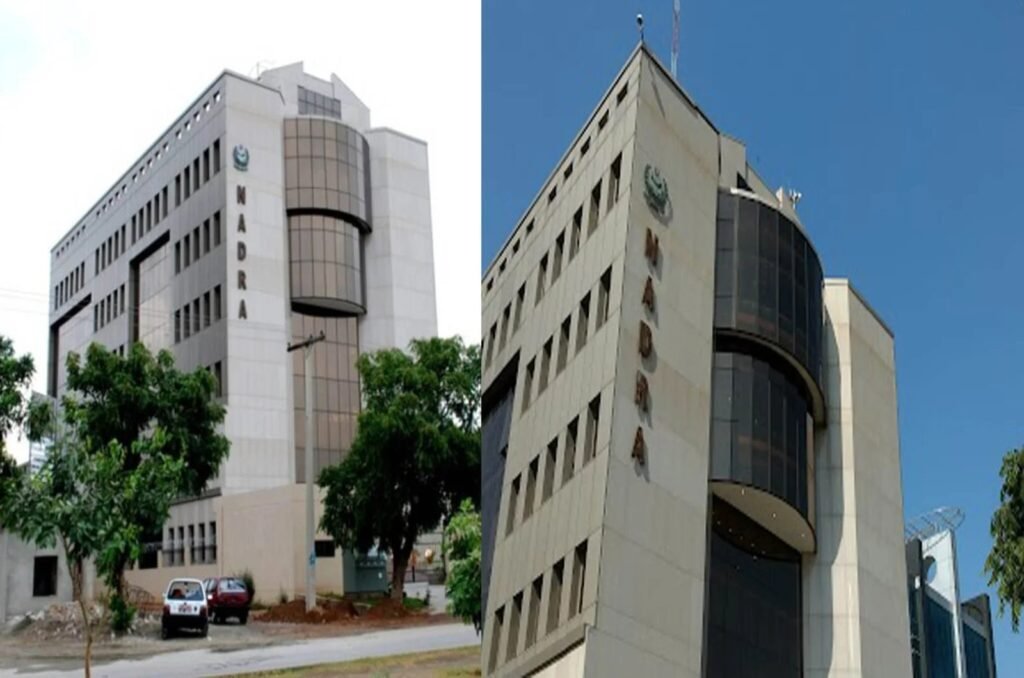
Pakistan has taken one of the biggest steps yet in its digital transformation drive, selecting ten priority public services to be delivered fully online under the World Bank-backed Digital Economy Enhancement Project (DEEP). The move brings the country closer to a future where citizens can deal with the government from a mobile phone instead of standing in long queues at government offices.
A citizen services portal has already been tested under the project, and officials say the groundwork is now in place to connect digital identity, government services and national data infrastructure into a single working system. If the rollout stays on track, verifying your identity, accessing records and using public services could soon be as simple as logging into one app.
Ten Priority Services to Go Digital Under DEEP

The Digital Economy Enhancement Project is a $78 million World Bank initiative approved in March 2024 to expand digitally enabled public services for citizens and businesses across Pakistan. A recent World Bank review put the project’s revised financing at $69.16 million, of which $8.36 million — about 12 per cent — had been disbursed, reflecting the slow but steady pace of implementation so far.
Selecting the first ten priority services is a milestone because it signals which government processes will be rebuilt for digital delivery first. The project uses a whole-of-government approach, connecting departments that previously worked in isolation through a shared national enterprise architecture. Once implemented, the system is expected to make services easier to reach, improve transparency and reduce the processing costs that citizens and businesses face every day.
The project, which became effective in May 2024 and runs until July 2028, also carries a data protection and online safety mandate — an important safeguard as more citizen data moves onto digital platforms.
Single Sign-On Meets the National Data Exchange Layer
At the technical heart of the rollout is the integration of single sign-on with the National Data Exchange Layer (NDEL). In simple terms, this means one login could open the door to many public services, with departments securely sharing verified data instead of asking citizens to submit the same documents again and again.
The initiative is overseen by the National Information Technology Board (NITB) and the National Database and Registration Authority (NADRA) — the two institutions best placed to stitch together Pakistan’s digital identity and data-sharing infrastructure. The World Bank review noted that NDEL has already processed 6.5 million transactions, showing that the plumbing for secure inter-agency data exchange is already functioning.
Additional components of DEEP include the National Digital Portal and the Pakistan Business Portal, alongside new systems designed to support secure data sharing and interoperability between government institutions.
PakID Vault: Your CNIC and Six Documents on Your Phone

Perhaps the most visible part of the digital identity push for ordinary citizens is NADRA’s PakID Vault. Six official documents are now available in digital vaults accessible through the Pak App, including the Computerised National Identity Card (CNIC), the National Identity Card for Overseas Pakistanis (NICOP), the Pakistan Origin Card (POC) and several federal and provincial licences.
The Pak App is already available on both Android and iOS, with some government services integrated as part of the broader DEEP rollout. The World Bank review confirmed that NADRA has successfully issued 2.3 million Digital IDs so far — a solid foundation for a population-scale digital identity system.
The government expects the framework to simplify identity verification, cut down fraud and accelerate access to public services by enabling the electronic sharing of trusted credentials — meaning fewer photocopies, fewer office visits and fewer opportunities for forgery.
Connected Punjab: $70 Million More for Digital Services

The federal push is being matched at the provincial level. The World Bank approved the $70 million Connected Punjab programme in June 2026 to complement DEEP by expanding broadband infrastructure, digital public services and cashless payments across the province.
Connected Punjab is targeting roughly 2.1 million additional people with fixed broadband access and 28.9 million people with enhanced digital public services by June 2031. A key objective is to prepare Punjab’s government services for integration with the national citizen portal and the government super app being developed under DEEP.
Together, the two programmes are meant to connect federal digital identity and data-sharing infrastructure with provincial service delivery, creating a more integrated digital government ecosystem — and moving Pakistan closer to the day when the most-used government office in the country is the one in your pocket.
Related Posts
 TechnologyPakistan Plans Cybersecurity Education in School Curriculum as Online Threats Rise
 TechnologyPakistan Announces $10 Million Clean-Air Startup Fund as Lahore Tops Global Pollution List
 TechnologyPakistan to Activate Social Media Regulator Soon, Says IT Minister Shaza Fatima
 TechnologyPakistan Assembled 20.08 Million Mobile Phones in Nine Months — Local Plants Now Feed Most of the Market
 TechnologyMeta’s Digital Tahafuzz Summit in Islamabad: Digital Dialogues in Real Life Launched for Teen Online Safety
 TechnologyBinance Founder Changpeng Zhao Says Pakistan Can Become a Major Crypto Hub by 2030
Most Popular
 How-ToPTA Tax Calculator 2026: Check Mobile Tax on Any Phone313 views
 SportsBallon d’Or 2026: London Ceremony, Nominees and All-Time Records Ahead of 70th Anniversary305 views
 SportsUEFA Champions League 2026-27: Format, Teams and Schedule303 views
 Canada JobsTech Jobs in Canada: Roles, Salaries, and Skills Needed288 views
 Pakistan NewsPIA Boeing 787 Lease Deal: What It Means for the Airline286 views
 TechnologyRedmi K100 Launching on 28 October: 10,000mAh Battery, 185Hz Display and Full Specs281 views