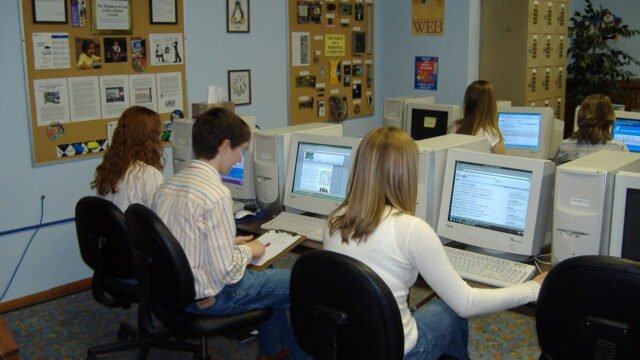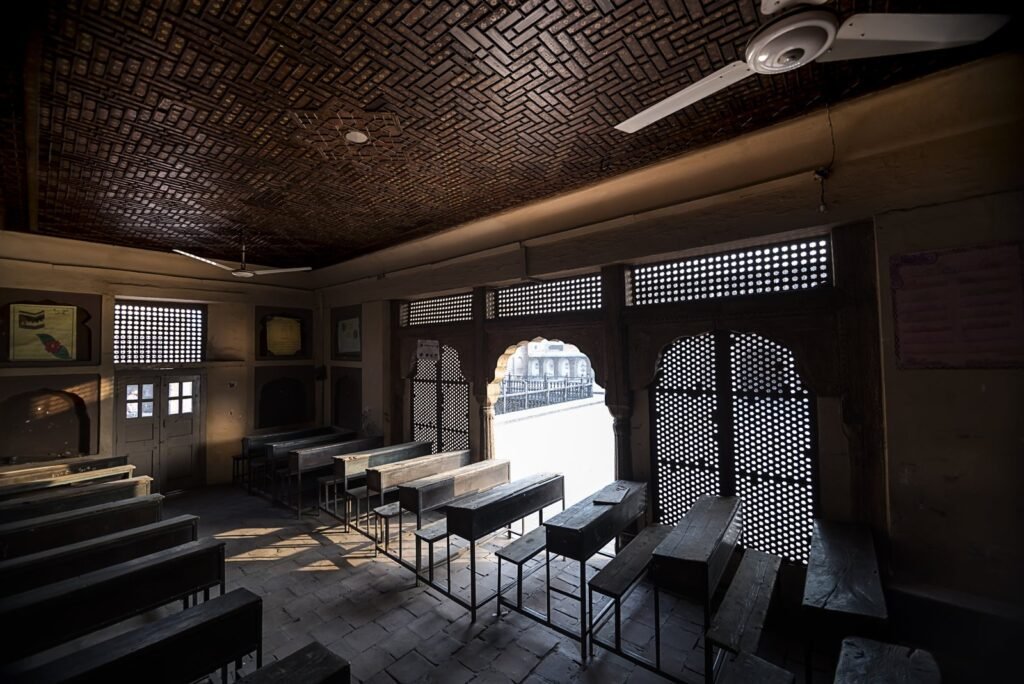
Pakistan’s classrooms may soon teach children how to spot a scam message, identify a fake video and protect their personal data online. The federal government has proposed adding digital literacy and cybersecurity awareness to school, college and university curricula, in what would be one of the most significant updates to the country’s education system for the digital age.
Information Minister Attaullah Tarar made the proposal on Thursday while addressing the closing ceremony of Cybersecurity Awareness Week, arguing that students need practical, real-world skills to defend themselves against a fast-growing wave of online threats.
What the Minister Proposed
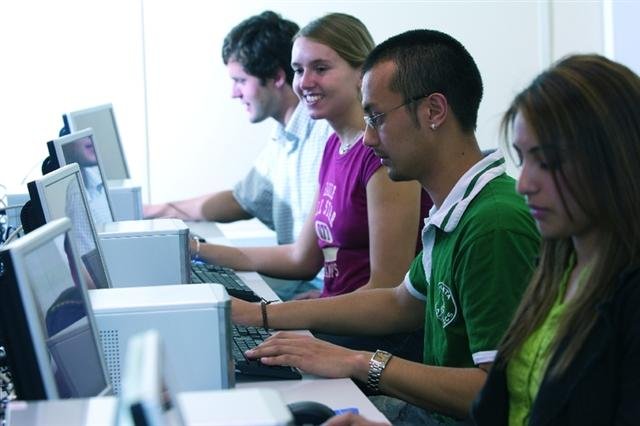
Tarar said digital education must go well beyond basic computer skills. Students, he argued, should learn online safety, how fake news spreads, what a cyberattack looks like and how digital threats actually work in everyday life. The goal is simple: a young person scrolling through social media should be able to recognise suspicious activity, assess information critically and protect themselves before harm is done.
The minister also called for the country’s educational curricula to be revised so they reflect how central cybersecurity and digital skills have become in an increasingly connected world. A syllabus written for an earlier era, he suggested, cannot prepare students for the internet they actually use today.
PTA Chief Warns of Relentless Daily Cyberattacks

The proposal landed alongside a stark warning from the country’s top telecom regulator. PTA Chairman Major General Hafeez ur Rehman told the same closing ceremony that Pakistan is a prime target for cyberattacks, and that those attacks happen around the clock.
According to the PTA chief, thousands of fake videos are circulating in the country every day, while ordinary citizens routinely receive fraudulent phone calls and deceptive one-time password (OTP) messages designed to steal their money or their identities. He said the Federal Board of Revenue is working to address the problem and urged the public not to share unverified messages or forward claims they have not checked.
The telecom sector itself remains vulnerable, he acknowledged, even though NADRA, PEMRA, the PTA and other organisations have strengthened their systems to prevent attacks. Public awareness and sound policy, he said, are both essential to securing the country’s digital future.
Why Schools Are the Front Line
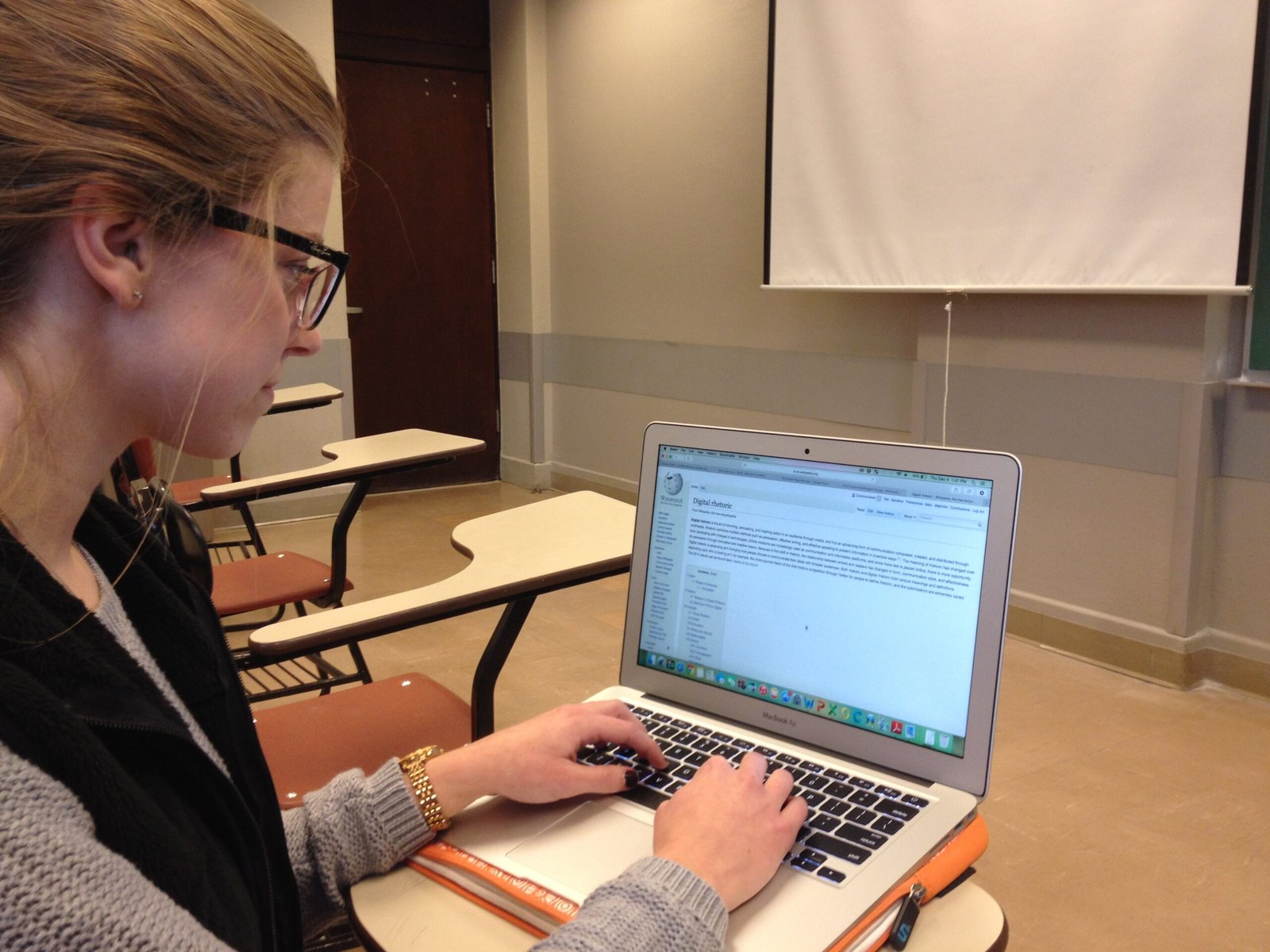
The push to start in classrooms is no accident. Children and young people are among the heaviest users of social media and messaging apps, which makes them the most exposed to online fraud, fake videos, misinformation, financial scams and threats to their personal data. Teaching them to navigate these risks early, supporters of the proposal say, is far more effective than trying to undo the damage later.
Pakistan’s National Cyber Emergency Response Team already runs awareness initiatives focused on cyber hygiene, safe online behaviour and protecting children from digital risks. The new proposal would take that work a step further by writing it directly into what students are taught, rather than leaving it to occasional campaigns.
Tarar was explicit that young people themselves — particularly Gen Z — must be encouraged to play an active role in building a safer digital environment, rather than being treated only as potential victims.
What Happens Next
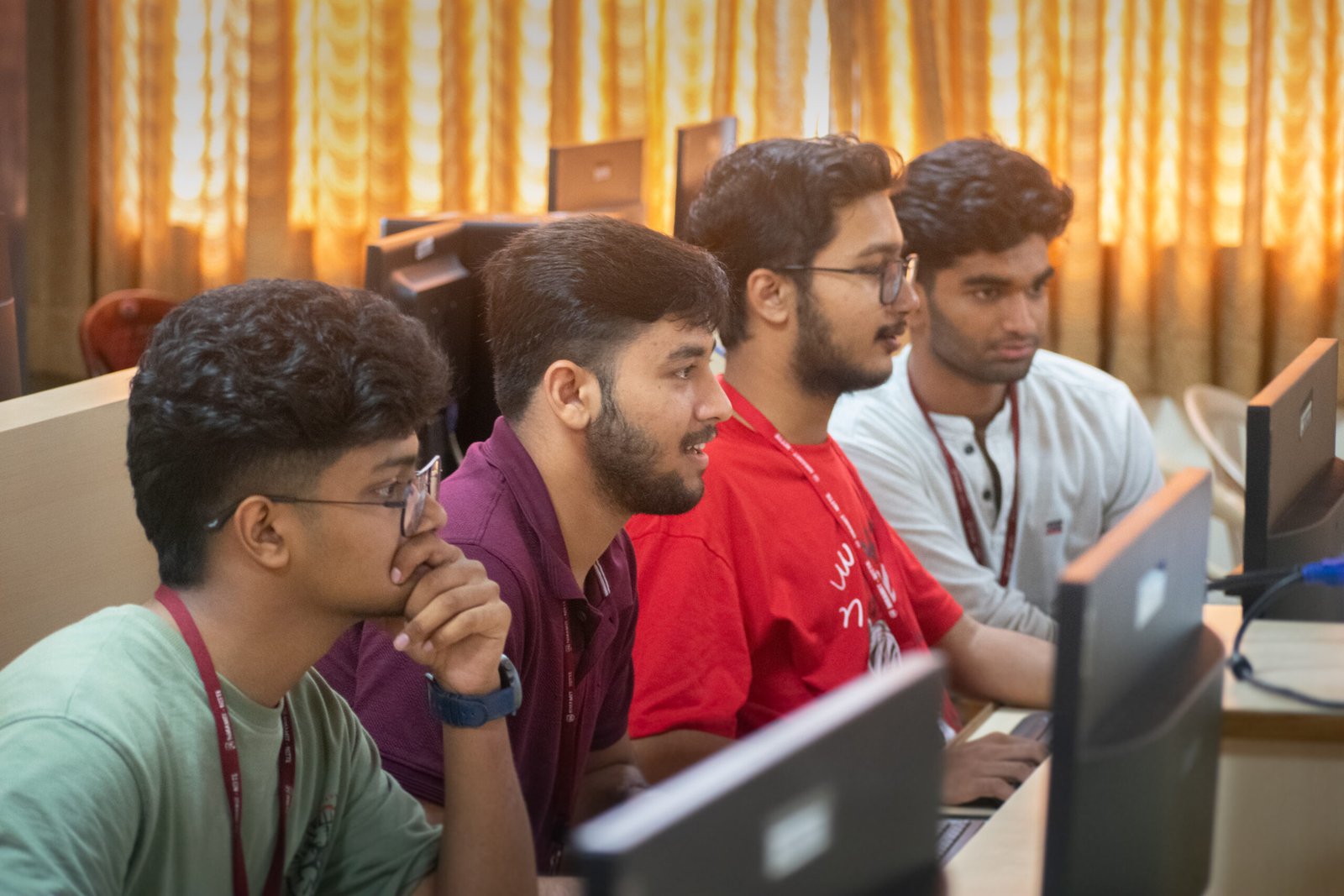
For now, the curriculum proposal is exactly that — a proposal. The minister urged government institutions to coordinate with relevant stakeholders, hold consultations and arrange training sessions to spread digital-safety awareness across the country. He stressed that these efforts should reach far beyond educational institutions, touching citizens from all walks of life.
He also called for Pakistan’s regulatory framework to be strengthened and existing policies updated so they keep pace with rapidly evolving technologies and emerging cybersecurity risks. The operational details — which grades get the new material, who writes it and when it reaches classrooms — will be the real test of whether the announcement turns into lasting change.
If it does, Pakistan would join a small but growing group of countries treating cybersecurity as a basic life skill, taught alongside reading and arithmetic — because for today’s students, the most dangerous thing they encounter each day may well be on a screen.
Related Posts
 TechnologyPakistan Announces $10 Million Clean-Air Startup Fund as Lahore Tops Global Pollution List
 TechnologyPakistan to Activate Social Media Regulator Soon, Says IT Minister Shaza Fatima
 TechnologyPakistan Assembled 20.08 Million Mobile Phones in Nine Months — Local Plants Now Feed Most of the Market
 TechnologyMeta’s Digital Tahafuzz Summit in Islamabad: Digital Dialogues in Real Life Launched for Teen Online Safety
 TechnologyBinance Founder Changpeng Zhao Says Pakistan Can Become a Major Crypto Hub by 2030
 TechnologyGoogle Gemini 4 Carbon: New AI Model for Cybersecurity, Release Date and Pakistan Angle
Most Popular
 How-ToPTA Tax Calculator 2026: Check Mobile Tax on Any Phone314 views
 SportsBallon d’Or 2026: London Ceremony, Nominees and All-Time Records Ahead of 70th Anniversary305 views
 SportsUEFA Champions League 2026-27: Format, Teams and Schedule304 views
 Canada JobsTech Jobs in Canada: Roles, Salaries, and Skills Needed288 views
 Pakistan NewsPIA Boeing 787 Lease Deal: What It Means for the Airline286 views
 TechnologyRedmi K100 Launching on 28 October: 10,000mAh Battery, 185Hz Display and Full Specs281 views