Students from Mehran University of Engineering and Technology (MUET) in Jamshoro have won the Special Award in Accessibility at the national final of the Alibaba Cloud AI Hackathon Pakistan 2026, taking home the prize for a web application that could help save young lives. The project, called “Saans”, is designed to help frontline healthcare workers screen children under the age of five for tuberculosis (TB), one of the deadliest infectious diseases in Pakistan. The national final was held in Islamabad on 24 October, and the achievement was reported by Computerworld Pakistan on 2 November 2026.
According to the report, the MUET team’s project won in the accessibility category of the competition, and the team received a cash prize of $1,000 along with 500 Alibaba Cloud credits. The university congratulated the winning students, their mentors and faculty members, saying the achievement reflects MUET’s commitment to innovation and to technology-driven solutions for social challenges.
The win at Islamabad’s national final
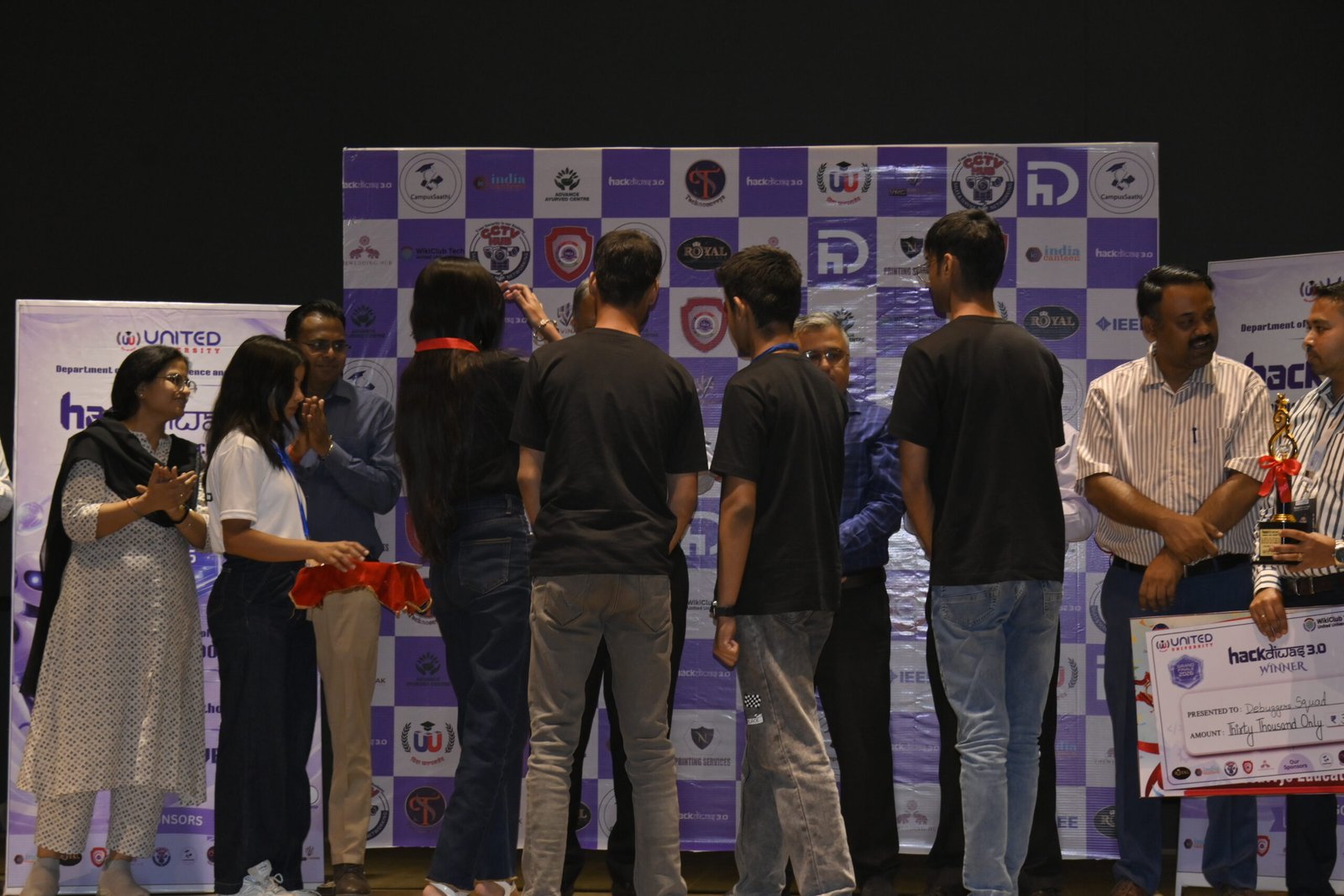
The Alibaba Cloud AI Hackathon Pakistan 2026 drew hundreds of teams from universities across the country, and the national final brought the strongest projects together in Islamabad. MUET’s win came through one of the hackathon’s special awards, which recognise projects that make technology or services easier for people to use. The prize of $1,000 and cloud credits gives the MUET team resources to keep developing Saans — the credits can be used to host the application online or add new features, so the award could help turn a student project into a tool that health workers actually use in the field.
The special-award framework is corroborated by a participant account published on Medium, which describes winning a different special award at the same 24 October event with the same prize structure of $1,000 plus 500 Alibaba Cloud credits. The grand champion title at the final, meanwhile, went to teams from FAST-NUCES, which won several track awards — as covered in UrduPro’s own report on the event.
How Saans works
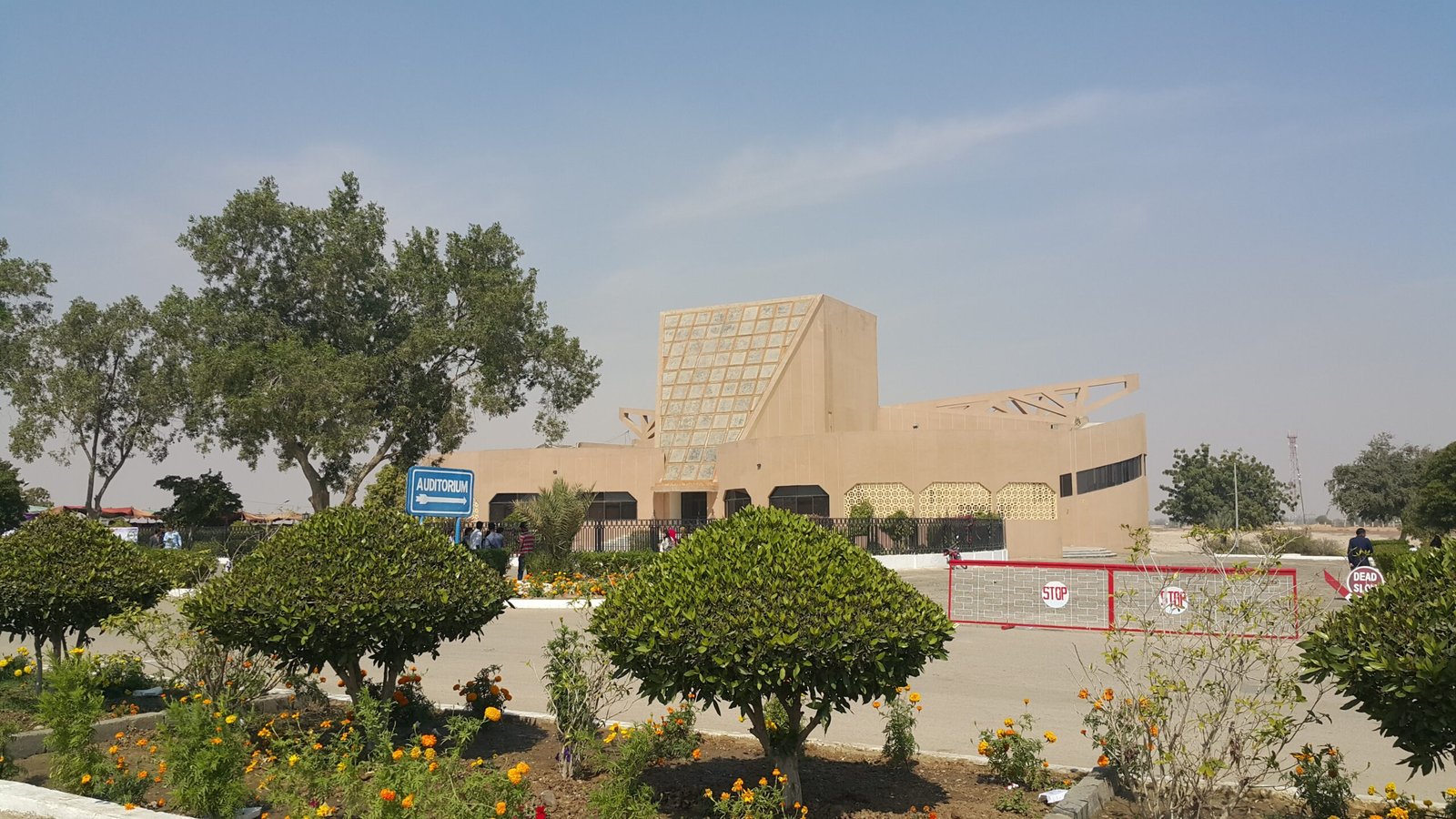
Saans — an Urdu word meaning “breath” — is an English and Urdu web application built to work offline first, so it can function in areas with poor or no internet connectivity. It is designed for frontline healthcare workers who examine young children and need to decide whether a child should be referred for tuberculosis testing.
The application follows screening guidelines aligned with those of the World Health Organization (WHO). Instead of relying on a constant internet connection or expensive equipment, the app walks a health worker through the screening steps in simple language — in Urdu or English — and helps flag children who may need further medical attention. Early detection matters enormously with TB: catching the disease early means treatment can begin before it spreads further in the community.
It is worth noting what the report does not say. The students behind the project are not named, and it is not clear how many teams competed in the accessibility category. The report also does not say whether the team plans to pilot Saans with health authorities in Sindh or elsewhere, so the app remains a promising prototype rather than a deployed product for now.
Why this matters for Pakistan

Pakistan carries one of the heaviest tuberculosis burdens in the world, and children under five are among the most vulnerable. Screening young children for TB is notoriously difficult: symptoms can be vague, and rural health facilities often lack the tools and specialists needed for early detection. An offline, bilingual screening aid built specifically for frontline workers directly addresses those gaps.
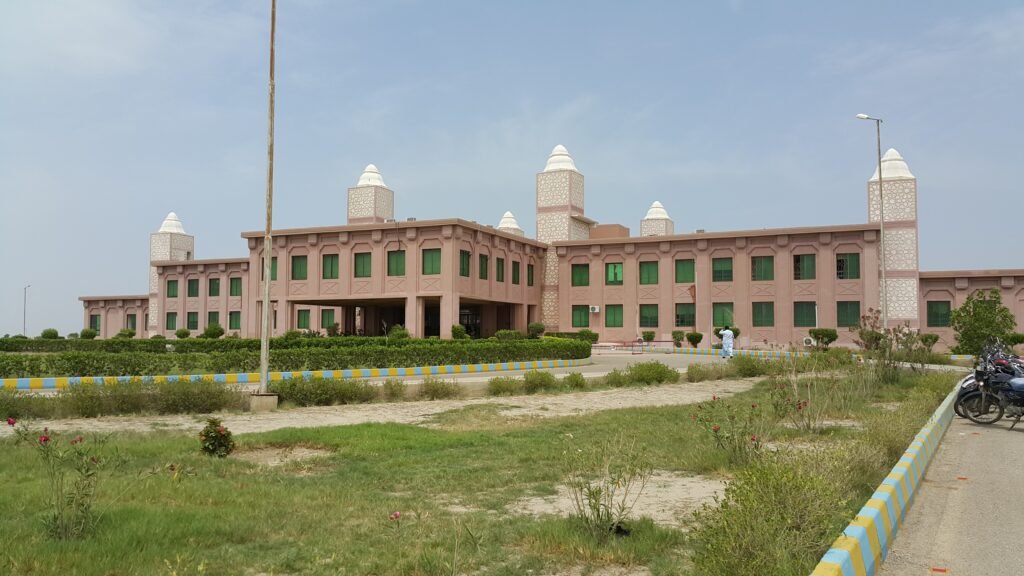
MUET, based in Jamshoro near Hyderabad, is one of Sindh’s largest engineering universities, and its Department of Mechatronics Engineering produced the winning team. The win adds to a growing list of Pakistani student achievements in artificial intelligence this year — a sign, as the university put it, that young engineers are increasingly turning their skills toward social problems rather than just commercial ones. The federal government is separately pushing AI projects with Alibaba under a November deadline, so the timing of this student win could hardly be better.
For now, the story to watch is what the team does next. If Saans moves from a hackathon prototype to a pilot with health authorities, it could become a genuinely useful weapon in Pakistan’s fight against childhood TB. The award is the first step — the real test comes after.
Related Posts
 TechnologyVivo Y32 5G Goes Official With 8,000mAh Battery, Snapdragon 4 Gen 2 and IP69 Rating
 TechnologyPakistan Invites Consultants for 100 MW Distributed Solar Project in Gilgit-Baltistan — Deadline 30 November
 TechnologyZTE Nubia Air Pro and Neo 3 Land in Pakistan: Rs 109,999 Slim Phone, Rs 69,999 Gaming Pick
 TechnologyZuma Resources Plans Rs 350 Million SPAC to Hunt AI and Tech Deals in Pakistan
 TechnologyPakistan’s Ignite NICs Win Global Award in London
 TechnologyAI in Pakistan’s Courts: IT Minister Unveils Digital Transformation Plan for Judiciary
Most Popular
 How-ToPTA Tax Calculator 2026: Check Mobile Tax on Any Phone381 views
 SportsUEFA Champions League 2026-27: Format, Teams and Schedule368 views
 Pakistan NewsPIA Boeing 787 Lease Deal: What It Means for the Airline361 views
 Canada JobsTech Jobs in Canada: Roles, Salaries, and Skills Needed348 views
 SportsBallon d’Or 2026: London Ceremony, Nominees and All-Time Records Ahead of 70th Anniversary334 views
 ShowbizWomen’s Fashion in Pakistan 2026: Trends, Brands and Style Guide325 views