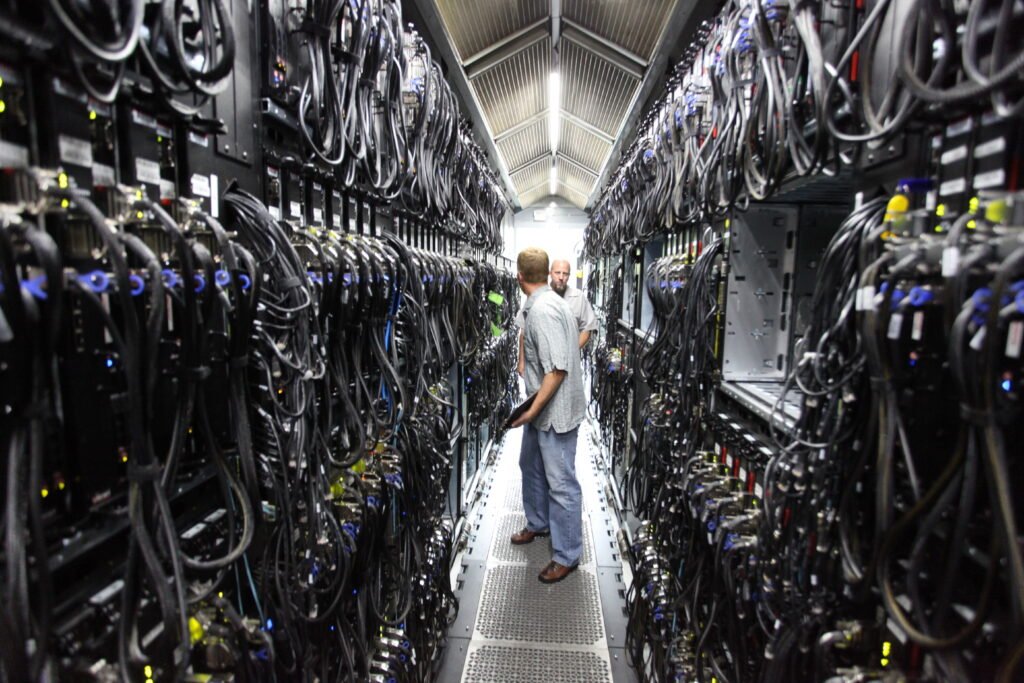
Microsoft is walking away from one of the most unusual deals of the artificial intelligence boom. The software giant is winding down a 2023 arrangement to rent AI computing capacity from Oracle, after the hardware behind it stopped meeting its needs, Bloomberg reported on Friday, 6 November. The report sent Oracle shares down about 4% and added fresh doubts to a week in which technology stocks were already falling hard.
People familiar with the matter told Bloomberg that Microsoft has decided not to renew the contract and has spent recent months switching off the computing capacity it rented from Oracle. Neither company has said how much the deal was worth, and the size of the contract and the number of chips involved could not be determined.
The timing could hardly have been worse for Oracle. The news landed a day after the Nasdaq Composite dropped 5.5% and the Philadelphia Semiconductor Index fell 12%, its worst single-day loss since March 2020, as investors questioned how much companies are spending on AI infrastructure and data centres.
What Microsoft is ending — and why
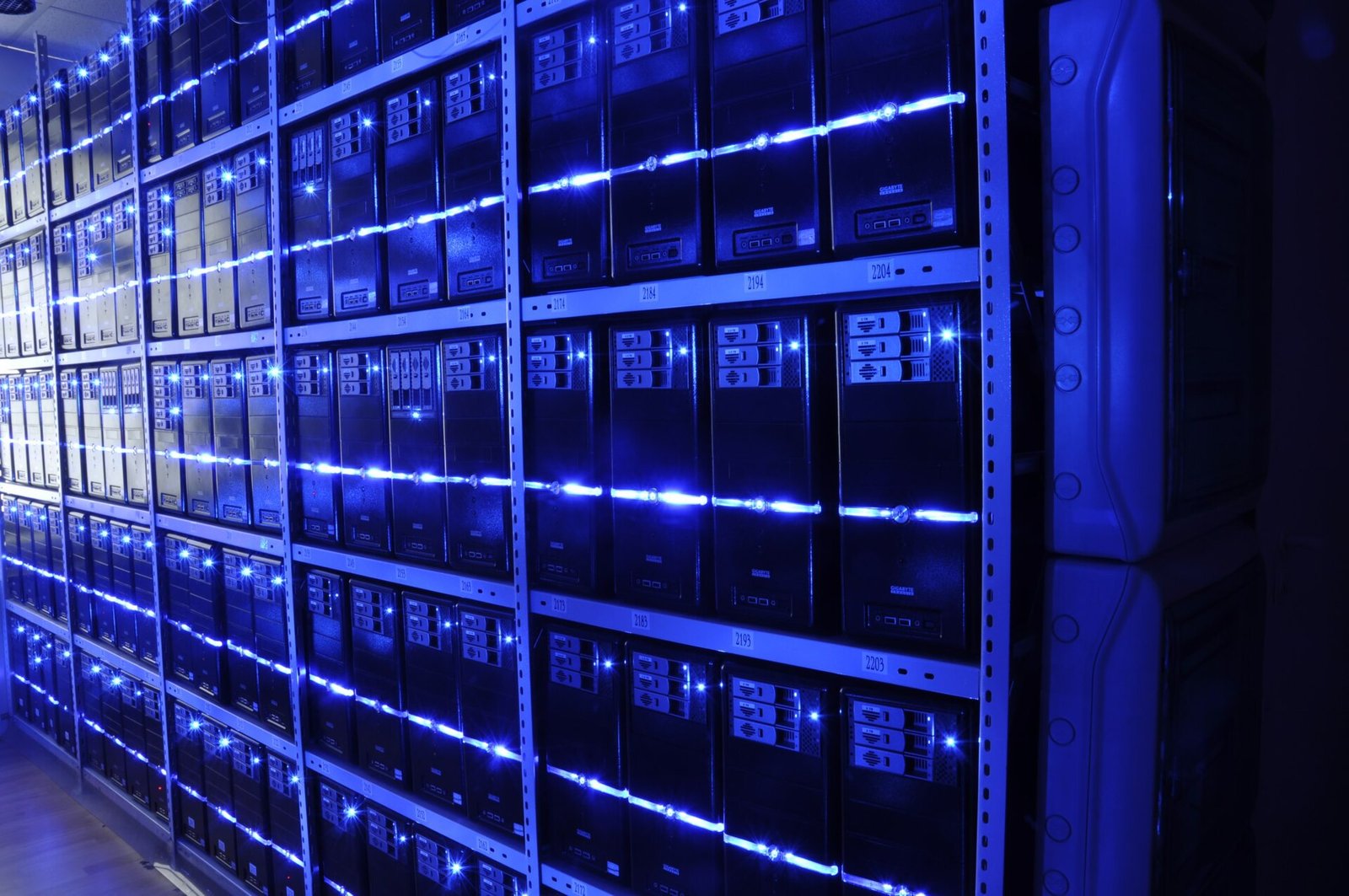
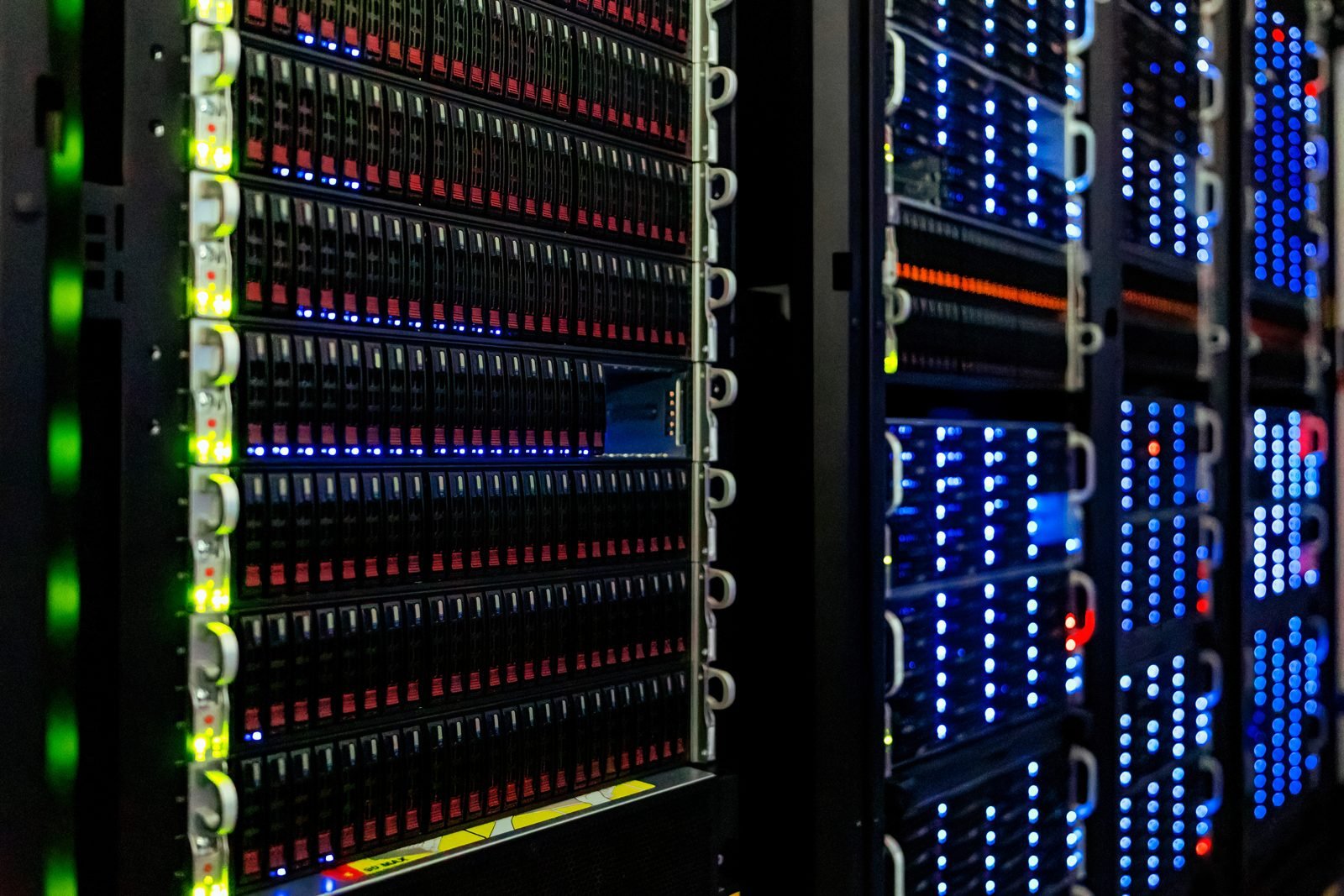
At the heart of the decision is the age of the hardware. The servers Oracle supplied run on an older generation of Nvidia chips, and Microsoft’s AI workloads have moved on. According to the people familiar with the matter, the rented capacity gradually became less useful because it no longer met Microsoft’s technical specifications as its artificial intelligence work evolved.
Microsoft declined to comment on the report. An Oracle spokesperson said demand for the company’s AI infrastructure remains strong, including for earlier-generation graphics processing units used to train and run AI models.
The disagreement is really about what the exit means. Is it a warning that demand for Oracle’s cloud infrastructure is weakening, or simply a large customer moving to newer hardware? Oracle’s answer points to pricing: the company said in September that it was renewing contracts for four-year-old graphics processors at prices 20% higher than the original deals — evidence, it argues, that older chips still hold their value for many workloads.
Bloomberg also reported that Microsoft is reassessing more than $80 billion in other outside cloud contracts, with providers such as CoreWeave, Nscale and Nebius, as part of a broader review of its cloud partnerships.
A deal born in the 2023 chip shortage
The arrangement began in 2023, when Microsoft rented computing power from Oracle to support a new version of its Bing search engine with AI features. At the time, demand for AI computing capacity far outstripped supply, and there simply were not enough powerful chips to go around.
What made the contract unusual was its competitive geometry: Microsoft, one of the largest cloud operators in the world, was renting servers from a rival. But it was always meant to be a temporary fix. The extra capacity allowed Microsoft to keep its AI services running for business customers while it built more of its own data centres, with the plan to move the work onto its Azure cloud once those facilities were ready.
Three years on, that plan appears to have run its course. The machines Microsoft rented were built for the AI workloads of 2023, not those of 2026, and the company has been turning them off for months.
Oracle’s defence: demand is still strong
Oracle has pushed back hard against the idea that Microsoft’s departure reflects weakening appetite for its infrastructure. The company says demand for its AI services remains strong, and it points to the September renewals of four-year-old graphics processors at a 20% premium as proof that the installed base retains value.
That distinction matters to investors trying to separate a customer-specific hardware decision from a broader softening in demand. If four-year-old chips can be re-leased at a premium, the equipment has a second life. Whether investors accept that framing will depend on how quickly the freed capacity finds new users — and on how much of Oracle’s order book is concentrated in a handful of very large customers.
The numbers behind Oracle’s AI bet

The market reaction is easier to understand against the scale of Oracle’s AI ambitions. In its fiscal first-quarter report on 10 September, the company said remaining performance obligations — contracted work not yet booked as revenue — had risen by $209 billion from a year earlier to $664 billion, while cloud infrastructure revenue grew 121%.
Fulfilling those commitments requires heavy spending. Free cash flow was negative $5 billion in the quarter, and Oracle sold $20 billion of stock through an at-the-market programme during the period. On 2 November, it filed to raise a further $20 billion, split evenly between stock and bonds, to fund the buildout. Full-year revenue guidance for fiscal 2027 is at least $90 billion.
Oracle’s shares touched $109.21 at one point on Friday, a 52-week low, and remain more than 50% below their June peak. The stock has been volatile through the autumn as investors weigh the company’s aggressive data-centre expansion against the durability of the demand underpinning it.
A second blow: the cancelled Tencent contract
Microsoft’s exit was not Oracle’s only setback this week. According to the Financial Times, the company also cancelled a roughly $7 billion contract to rent advanced AI chips to Tencent from data centres in Southeast Asia, after United States government officials raised concerns about the arrangement.
Tencent had reportedly signed the five-year deal in September for as many as 100,000 advanced AI chips, with about 30% of the total paid upfront, and planned to use the capacity to develop AI models and autonomous agents it struggled to support with hardware available inside China. Neither Oracle nor Tencent has commented publicly on that cancellation.
The episode shows how American export controls are reaching beyond direct chip sales into cloud-based access to computing power — a channel Chinese companies had used to work around restrictions on obtaining advanced American graphics processors. For investors, the two developments point to different kinds of risk: the Microsoft decision speaks to technology obsolescence, while the Tencent matter speaks to policy risk.
What it means for Pakistan
The story may seem far from Pakistan, but the sell-off it feeds into has already reached the Pakistan Stock Exchange — the KSE-100 fell alongside global markets in Thursday’s rout, as covered in our earlier report on the Nasdaq crash. Pakistani businesses, start-ups and developers increasingly run on the same cloud platforms and AI services at the centre of this dispute, so the cost and availability of AI computing power matter here too.
The deeper question now facing the industry is whether the pullback in AI-linked shares reflects a genuine reassessment of spending plans or a valuation reset after a prolonged rally. Thursday’s plunge in semiconductor shares was broad-based rather than tied to any single company’s disclosure, and Friday’s move in Oracle was modest by comparison. Still, the combination of a cancelled overseas contract and a departing American customer gives sceptics two concrete examples to cite when arguing that the infrastructure cycle may be cresting — and Microsoft’s quiet exit from a deal it once needed badly is the sharper of the two.
Related Posts
 TechnologyTesla Cybertruck Production Ends as Cybercab Takes Over
 TechnologyBYD Yangwang U9 Xtreme Becomes First Production Car to Pass 500 km/h at 503.17 km/h
 TechnologyBalochistan Launches Digital Nikah Registration via NADRA and Pak ID
 TechnologyNational CERT Warns Banks of AI-Powered Cyberattacks in Pakistan
 TechnologyBinance Reopens Withdrawals for More Assets After $6.3 Billion Hack — HYPE, INJ, APT, NEAR and LTC Targeted by Next Week
 TechnologySBP Core Banking Network Goes Live as Cisco Data Centre Switches On in Karachi
Most Popular
 How-ToPTA Tax Calculator 2026: Check Mobile Tax on Any Phone417 views
 Pakistan NewsPIA Boeing 787 Lease Deal: What It Means for the Airline389 views
 Canada JobsTech Jobs in Canada: Roles, Salaries, and Skills Needed387 views
 SportsUEFA Champions League 2026-27: Format, Teams and Schedule384 views
 TechnologyPM Shehbaz Sets November Deadline for Alibaba AI and Digitalisation Projects in Pakistan364 views
 ShowbizWomen’s Fashion in Pakistan 2026: Trends, Brands and Style Guide360 views