LPG Prices Hit Rs750 Per Kg in Pakistan: Cylinders Cross Rs10,000 as Supply Crisis Deepens
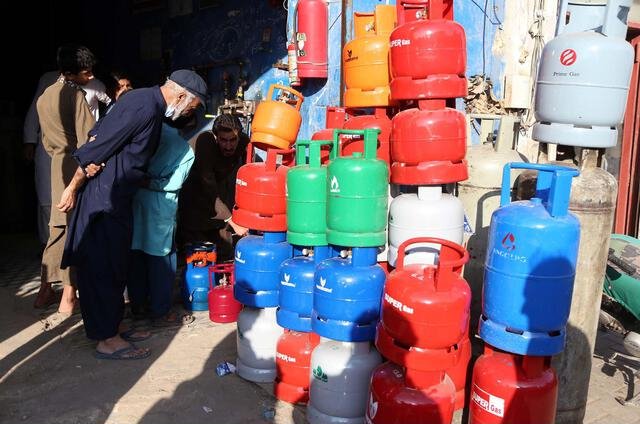
Households across Pakistan are waking up to a new shock at the fuel shop: liquefied petroleum gas (LPG), the cooking fuel millions of families rely on every day, is now being sold at up to Rs750 a kilogram in some parts of the country — and a single domestic cylinder can cost more than Rs10,000. The surge, reported on Friday, has pushed cooking gas prices to levels most families have never seen, and regulators admit the situation could get worse before it improves.
LPG at Rs750 a Kilo: What Households Are Paying Right Now
Market checks reported in the national press on 23 October 2026 paint a grim picture for consumers. In several markets, retailers are charging between Rs550 and Rs600 per kilogram of LPG. In Peshawar, the rate has climbed to roughly Rs600 a kilogram. The worst-hit areas are the northern parts of Khyber Pakhtunkhwa, where prices have touched Rs750 per kilogram — nearly three times the official notified rate.
For a standard household, the numbers translate into brutal arithmetic. A domestic LPG cylinder, which most families use for cooking, is changing hands at more than Rs10,000 in affected areas. That is a sum that strains even middle-income household budgets, and puts the fuel out of reach for poorer families who depend on it for daily meals.
The Official Rate vs the Market Reality
Here is where the gap between paper and pavement becomes impossible to ignore. For the current month, the Oil and Gas Regulatory Authority (OGRA) has fixed the official LPG price at Rs279.34 per kilogram. At that rate, a standard 11.8-kilogram domestic cylinder should cost about Rs3,296.
But almost nobody is getting it at that price. Consumers in city after city are paying Rs550 to Rs600 a kilogram — more than double the official rate — while those in the northern belt of Khyber Pakhtunkhwa are paying up to Rs750. Sellers are charging what the market will bear, and in a shortage, the market bears a great deal.
Why Supplies Dried Up: Imports, Taftan and Rising Winter Demand
The shortage did not appear overnight. Reporting on the crisis says the situation has been worsening over the past five to six days, as LPG supplies arriving in the country have declined. Pakistan depends heavily on imported gas: a senior OGRA official has stated that nearly 70 per cent of the country’s LPG requirement is met through imports, with domestic production covering only the remaining 30 per cent. When imports slow, prices spike fast.
Part of the disruption is linked to the closure of the Taftan border crossing, reportedly tied to tensions between Iran and the United States. There is some dispute over the timeline — Pakistan announced that the crossing had reopened on 20 October — yet reports dated 23 October still trace the supply squeeze back to that closure. An OGRA spokesperson has acknowledged the supply challenges while expressing hope the situation will be brought under control soon.
Winter makes everything harder. As temperatures drop in the northern areas, households burn more fuel for heating as well as cooking, and demand climbs exactly when supply is at its weakest.
Government Considers Daily LPG Pricing to Stop Winter Profiteering
Faced with a full-blown crisis, the government is now considering a significant policy change: fixing LPG prices on a daily basis, similar to how fuel prices are revised regularly. The idea is to prevent the kind of runaway profiteering seen this week, when official rates sat frozen while market prices raced upward — and to keep winter price hikes from spiralling further.
Meanwhile, OGRA has held back from launching a crackdown against overcharging sellers. Officials are reported to fear that harsh enforcement could provoke strikes by suppliers and interrupt distribution altogether, deepening the energy shortage rather than relieving it. An OGRA official has warned that prices could climb beyond Rs700 a kilogram in affected markets if the supply disruption continues.
What Consumers Should Do Now
With winter approaching and the market this volatile, a few steps can soften the blow:
- Buy from licensed dealers: Officially registered sellers are more likely to charge near the notified rate than roadside or unlicensed vendors.
- Check the cylinder weight: In a shortage, underweight cylinders become common. Weigh the cylinder before paying and insist on the seal being intact.
- Keep the receipt: If a dealer is charging wildly above the official rate, the receipt is your evidence for a complaint.
- Complain to OGRA: The regulator runs complaint channels against overcharging — the more consumers report, the harder it is for profiteers to hide.
- Conserve where you can: Simple habits — lids on pots, pressure cookers for slow-cooking dishes — cut gas use noticeably during a crisis.
The LPG crisis is a reminder of how thin the margin is for ordinary families. When a basic cooking fuel nearly triples in price within days, it is not an abstract economic indicator — it is the difference between a full pot and an empty one. How quickly supplies stabilise, and whether daily pricing becomes a reality, will decide whether this winter brings relief or more of the same.
Sources: official OGRA statements and national media reports.
Related Posts
 Pakistan NewsIslamabad Police Leave Policy 2026: Weekly Rest Made Mandatory, Marriage, Hajj and Exam Leave Explained
 Pakistan NewsWorld Polio Day 2026 Pakistan: Seven Cases This Year Show the Fight Is Not Over Yet
 Pakistan NewsBasant 2027 Punjab: Government Decides to Celebrate Kite Festival Across the Whole Province
 Pakistan NewsFIA Arrests Two NADRA Officials in Bahawalpur Over CNICs Issued to Afghan Nationals
 Pakistan NewsShehbaz Sharif Announces Rs160 Billion KP Development Package
 Pakistan NewsPakistan, Maldives Move to Launch Direct Flights as Trade Target Set at $200 Million
Most Popular
 How-ToPTA Tax Calculator 2026: Check Mobile Tax on Any Phone269 views
 SportsBallon d’Or 2026: London Ceremony, Nominees and All-Time Records Ahead of 70th Anniversary258 views
 TechnologyAround 20 Pakistani Tech Companies Showcase Innovation at TechCrunch Disrupt 2026 in San Francisco254 views
 TechnologyRedmi K100 Launching on 28 October: 10,000mAh Battery, 185Hz Display and Full Specs242 views
 Canada JobsTech Jobs in Canada: Roles, Salaries, and Skills Needed242 views
 TechnologyPaklaunch UNConference 26.2 New York: Pakistani Founders Meet 80 Global Investors at the Yale Club238 views