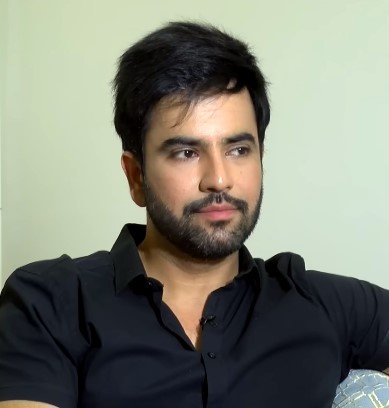
Junaid Khan has never been shy about saying what the entertainment industry does not want to hear. The actor-musician, who first found fame as the frontman of the rock band Call, has now urged Pakistan’s industry to put real money into independent music and to break out of television’s safe, repetitive formulas. Speaking in a new conversation with Atiqa Odho, reported by the Tribune on 3 November 2026, Khan argued that music channels have all but disappeared while dramas soak up every rupee of investment — simply because that is where the profit sits.
For a man who has spent more than two decades moving between the stage and the screen, the diagnosis comes from experience. Khan watched the era when bands like Call ruled the airwaves give way to a landscape where a musician’s best hope is a drama OST. His message was blunt: the industry has huge potential, but nobody is willing to fund it.
Put money into independent music, not just dramas

Khan’s central complaint is about where the money goes — and where it does not. He believes independent music deserves the kind of serious investment that television dramas take for granted, pointing to a new generation of young artists who are building audiences on their own.
“I think most of our TV channel leaders put their money into music inside dramas, because that’s where the profit is,” he said. “If they wanted to, they could have invested in a music channel.”
The singer, who has praised independent acts such as Young Stunners and Hasan Raheem, argued that digital platforms have made it easier than ever for artists to reach listeners directly. That shift, he suggested, is an opportunity the industry is wasting. Instead of building infrastructure for independent musicians, companies have simply abandoned the music business for the safer returns of drama serials. Pakistani music finding global audiences on Spotify shows the appetite is there — the funding is not.
Where the music channels went
There was a time when Pakistan’s music channels were the loudest thing on television. Khan remembers it well, and he is not sentimental about what replaced them: nothing. The channels shut down or pivoted, and the money followed the dramas.
“Now music is mostly played on YouTube, so companies put money into dramas instead,” he observed.
The economics are simple and, in his telling, brutally honest. Drama serials deliver reliable ratings and advertising; music channels were riskier bets. But the retreat has left musicians dependent on the goodwill of drama producers who need a title song — or on streaming platforms where Pakistani artists compete with the entire world for attention. Khan’s argument is that a healthy industry would fund both, not treat music as an afterthought to television.
TV needs stories for men too
Khan’s second broadside was aimed at the content itself. Pakistani television, he said, needs more male-centred narratives and far more room for action and crime genres — territory local channels have largely ceded to foreign streaming services.
His reasoning is demographic as much as creative. Television research, he noted, shows that the bulk of the drama audience is female, and channels programme for the biggest audience group rather than taking chances on smaller ones.
“TV is mostly watched by women, that’s what the research says. Women watch it more,” he said. “Channels usually focus on the biggest audience group instead of making shows for smaller groups.”
That caution, he argued, has starved the industry of variety. “I like action and crime. As a guy, that’s where my interest is, even though it’s tough,” he admitted — a frank acknowledgement that the genres he loves are the hardest to get made in Pakistan. In an earlier Instep interview, he said much the same, expressing a desire to work in thrillers, action, horror and crime dramas rather than the familiar domestic sagas.
From Call to Jeem Films: the producer’s chair

Khan is not just complaining from the sidelines. The man behind Call anthems like “Sab Bhula Kay” and “Nishaan” has reinvented himself repeatedly — as an actor in issue-driven projects such as Geo TV’s Case No. 9, and since 2022 as a producer through his own banner, Jeem Films.
In a Cutacut interview about the production house, he said he wanted to tell the stories he could not tell as a singer or an actor, naming action, mystery, thriller, comedy and documentaries as the genres he hopes to explore. It is, in effect, the same prescription he is now giving the whole industry: stop playing safe, start taking bets.
Whether the industry listens is another matter. But Khan’s own trajectory — from rock frontman to actor to producer — suggests he is done waiting for permission. If the channels will not fund independent music or bolder television, he seems determined to build that space himself.
Related Posts
 ShowbizOmer Shahzad and Shanzay Lodhi Welcome Baby Boy Ismail: Announcement, First Pictures and All the Details
 ShowbizYashma Gill Opens Up on Her Journey From Atheism to Islam in Samina Peerzada Interview
 ShowbizWorld Culture Festival Karachi 2026: Music, Dance, Film and Theatre Light Up the Fifth Day
 ShowbizHumaira Channa’s Car Stolen in Karachi: Singer’s Vehicle Taken from Bahadurabad, Home Minister Orders Recovery
 ShowbizAashir Wajahat Sparks Parwarish Reunion Speculation With Cast Photo
 ShowbizKareena Kapoor’s Birthday Post Confirms Dance Reunion With Shah Rukh Khan in King After 15 Years
Most Popular
 How-ToPTA Tax Calculator 2026: Check Mobile Tax on Any Phone398 views
 Pakistan NewsPIA Boeing 787 Lease Deal: What It Means for the Airline381 views
 SportsUEFA Champions League 2026-27: Format, Teams and Schedule374 views
 Canada JobsTech Jobs in Canada: Roles, Salaries, and Skills Needed355 views
 SportsBallon d’Or 2026: London Ceremony, Nominees and All-Time Records Ahead of 70th Anniversary336 views
 ShowbizWomen’s Fashion in Pakistan 2026: Trends, Brands and Style Guide333 views