Pakistan and Portugal agree to deepen economic ties with a new Joint Ministerial Commission
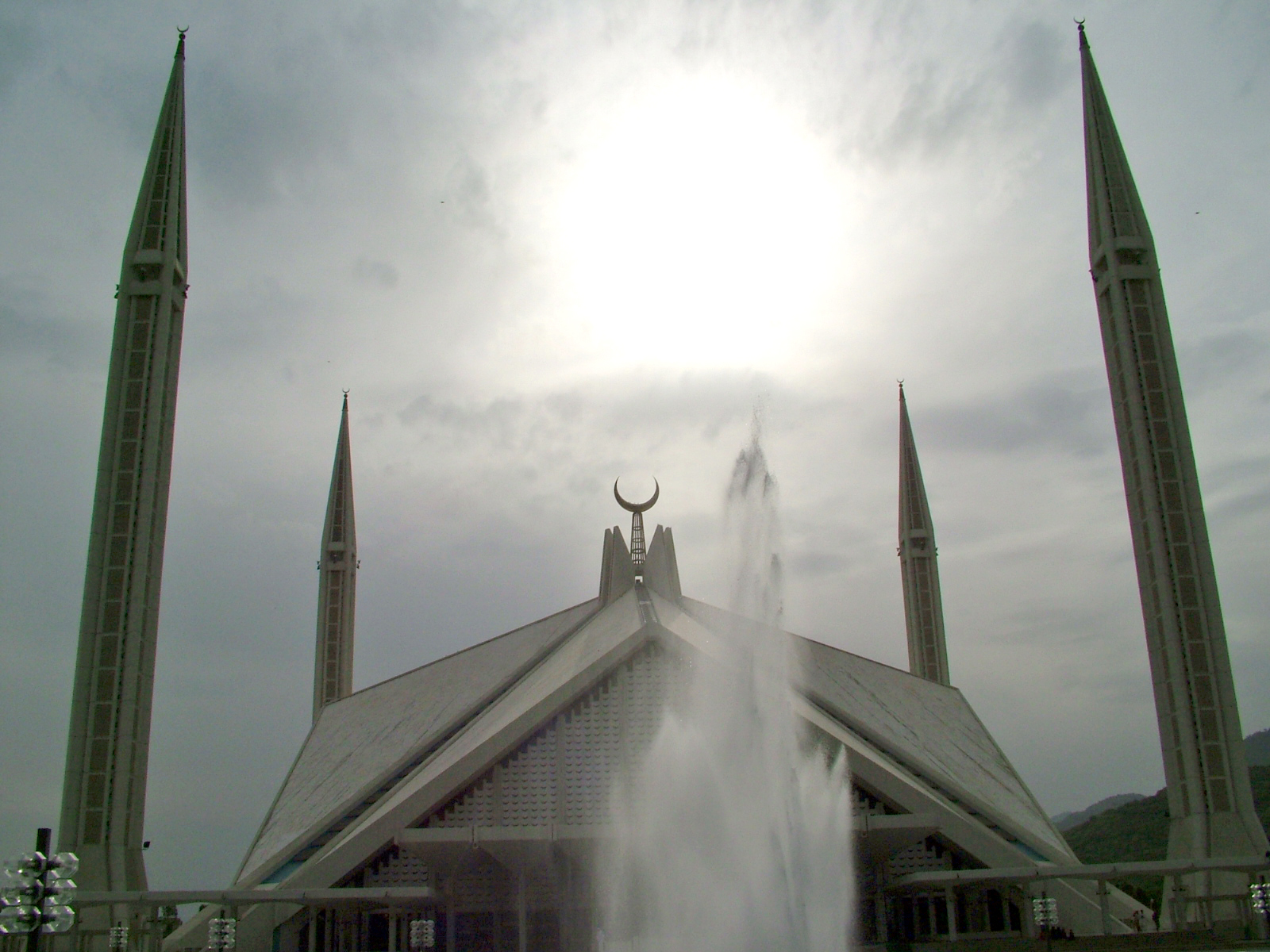
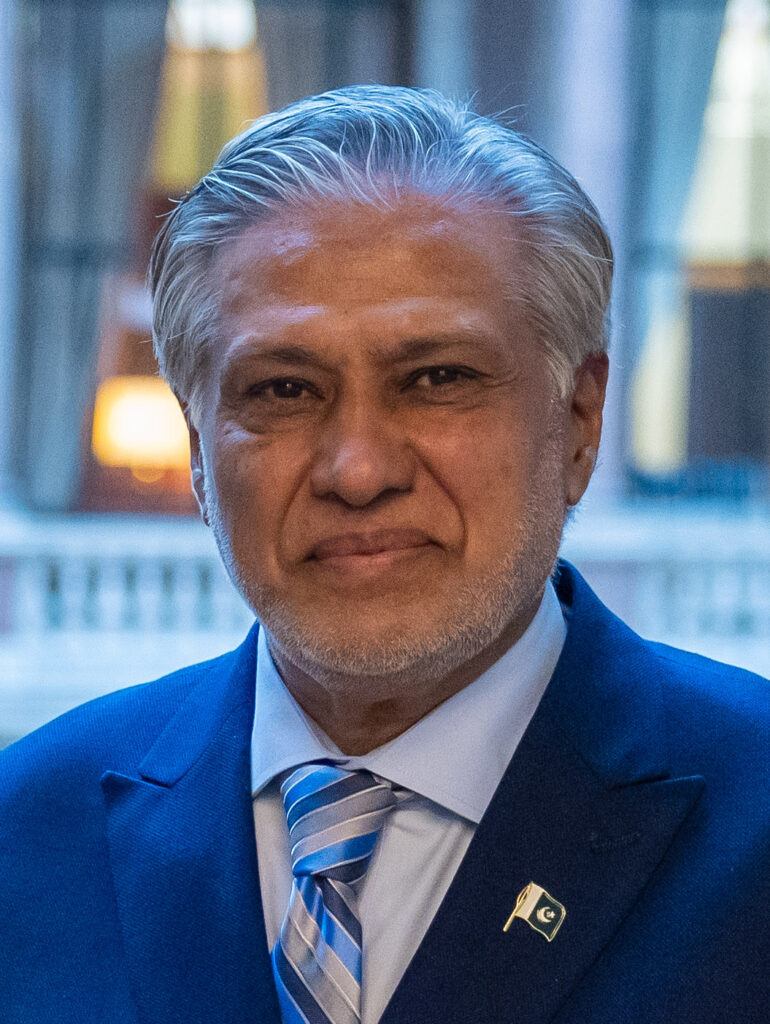
Pakistan and Portugal have agreed to establish a Joint Ministerial Commission to strengthen bilateral economic cooperation, enhance trade and promote investment, capping a two-day visit by Portuguese Foreign Minister Paulo Rangel to Islamabad. The agreement was reached during delegation-level talks on Monday, 23 November 2026, between Deputy Prime Minister and Foreign Minister Ishaq Dar and his Portuguese counterpart at the Ministry of Foreign Affairs.
The commission will give the two countries a formal, standing platform for economic engagement — a step both sides described as the most practical outcome of a visit that also produced two signed agreements, a new trade working group and a business forum that brought around 20 Portuguese companies to Islamabad. Rangel’s trip was the first by a Portuguese foreign minister to Pakistan in 19 years, and it coincided with the two countries marking 77 years of diplomatic relations.
Dar welcomed the Portuguese minister and stressed the need to strengthen political relations, expand bilateral trade and explore investment opportunities. He proposed holding the Pakistan–Portugal Business Forum regularly so businesses on both sides can find partners and explore joint ventures, and said the forum could also identify the hurdles that hold trade back so both governments can address them. Priority proposals, he said, should be identified for early implementation, with progress reviewed through bilateral political consultations.
Two agreements signed — and a working group to clear trade barriers
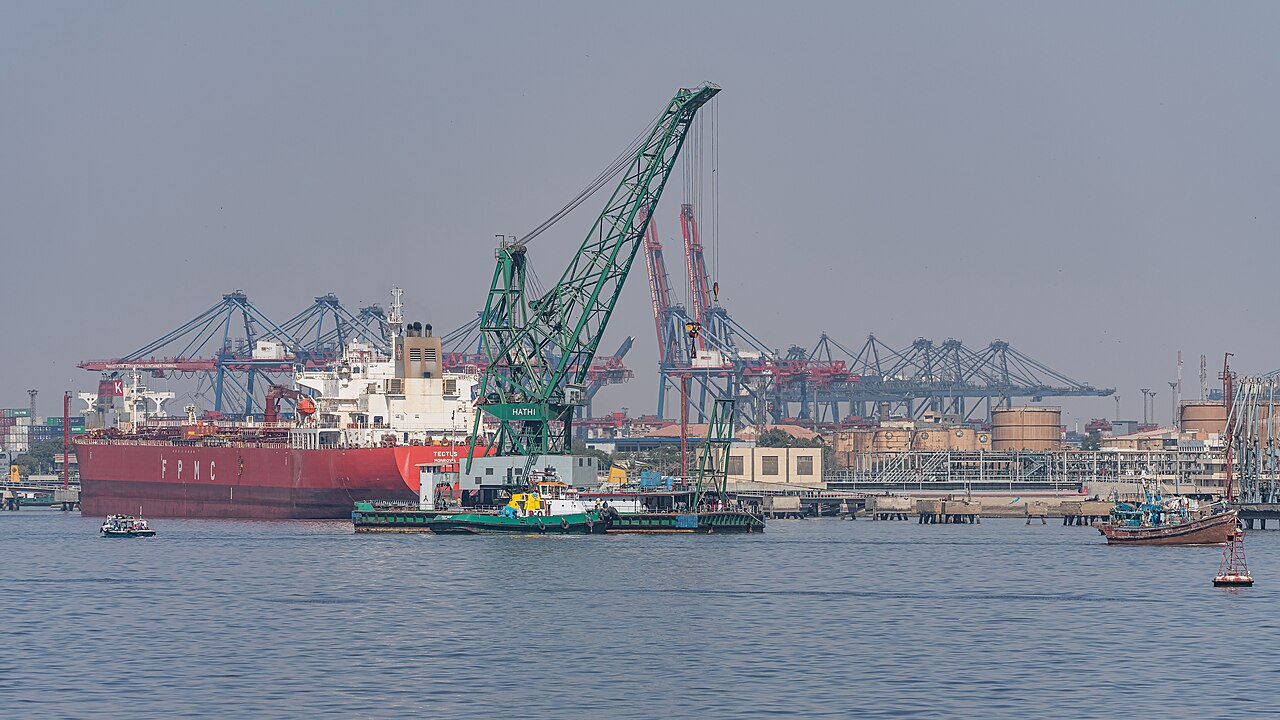
Alongside the commission, the two sides agreed to set up a Joint Working Group on Trade and Economic Cooperation. Its job is to identify barriers to trade and take forward joint initiatives, turning the broad political understanding into concrete work. Dar announced the working group at a joint news conference with Rangel, and both sides confirmed it would cover trade, investment, agriculture, renewable energy, technology and labour mobility.
Two memoranda of understanding were signed during the visit. The first abolishes visa requirements for holders of diplomatic passports, easing official exchanges between the two countries. The second, on investment protection, was signed between Pakistan’s Board of Investment and Portugal’s AICEP — the Portuguese trade and investment agency — at the Pakistan–Portugal Business Forum in Islamabad. The forum itself brought together around 20 Portuguese companies exploring trade and investment opportunities in Pakistan, and Dar invited Portuguese firms to look at opportunities through the Special Investment Facilitation Council.
The two sides also discussed agricultural cooperation, including olive cultivation and processing, with Dar calling for the early conclusion of an agricultural cooperation memorandum and the establishment of a joint working group for the sector. Other areas identified for cooperation include textiles, tourism, renewable energy, information technology, labour mobility, education, maritime connectivity and cultural exchanges.
Portugal reaffirms support for Pakistan’s GSP+ status
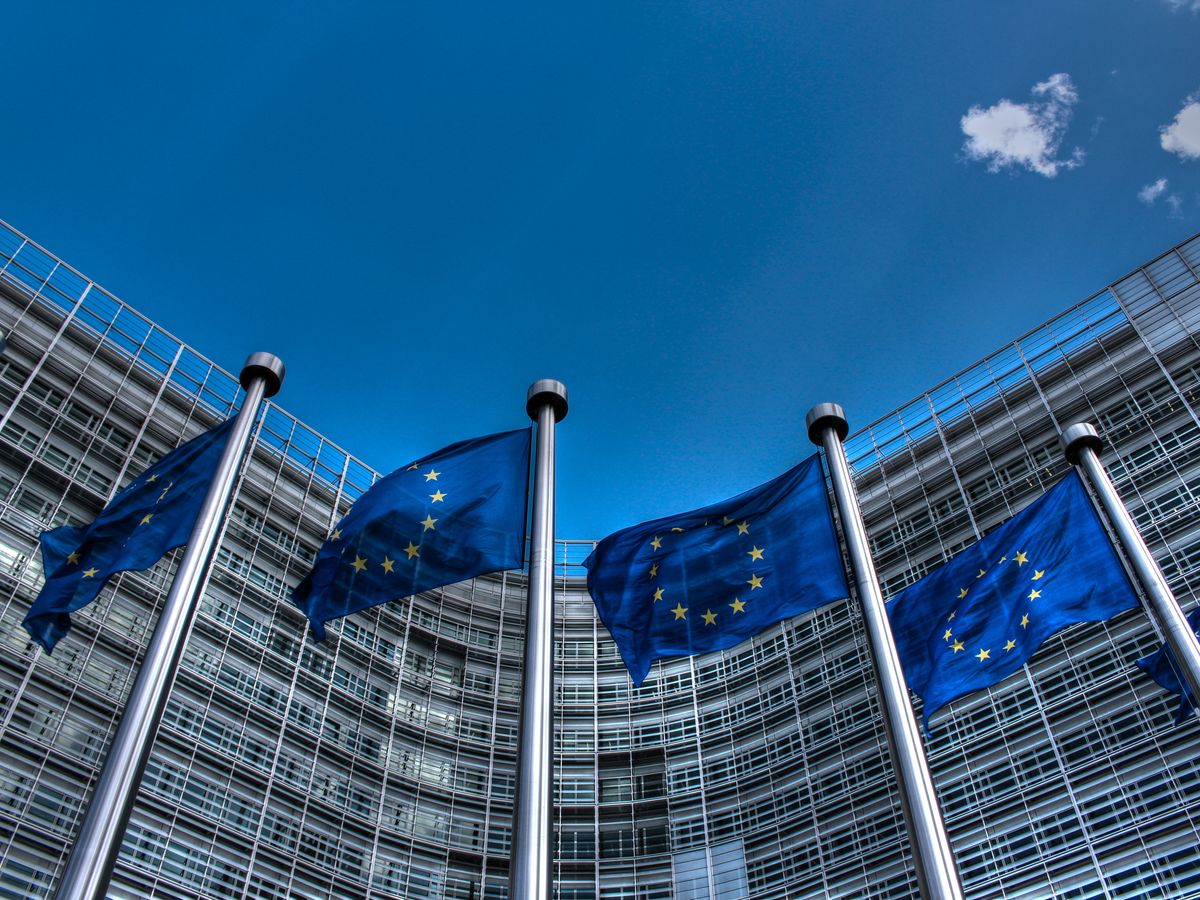
One of the clearest signals from the visit came on trade preferences. Rangel reaffirmed Portugal’s support for Pakistan’s GSP+ status and emphasised the potential for closer cooperation within the Pakistan–European Union framework to promote mutual economic benefits. GSP+ gives Pakistani exporters preferential access to the European market, and backing from a European Union member state carries weight as the scheme’s future is debated in Brussels.
Rangel also praised Pakistan’s role as a member of the United Nations Security Council and its efforts to promote peace, particularly on the Middle East, Gaza and Palestine. Portugal assumes the presidency of the Security Council in January 2027, and Rangel said Lisbon looked forward to maintaining close consultations with Pakistan during its two-year Council mandate. He acknowledged Pakistan’s commitment to multilateralism, the UN Charter and global peace, and described the country’s diplomatic engagement and mediation efforts as valuable contributions to international peace.
The Portuguese minister also spoke warmly about the Pakistani community in his country, describing the diaspora as dynamic and well-integrated, and expressing his country’s desire to strengthen people-to-people and cultural ties.
What happens next
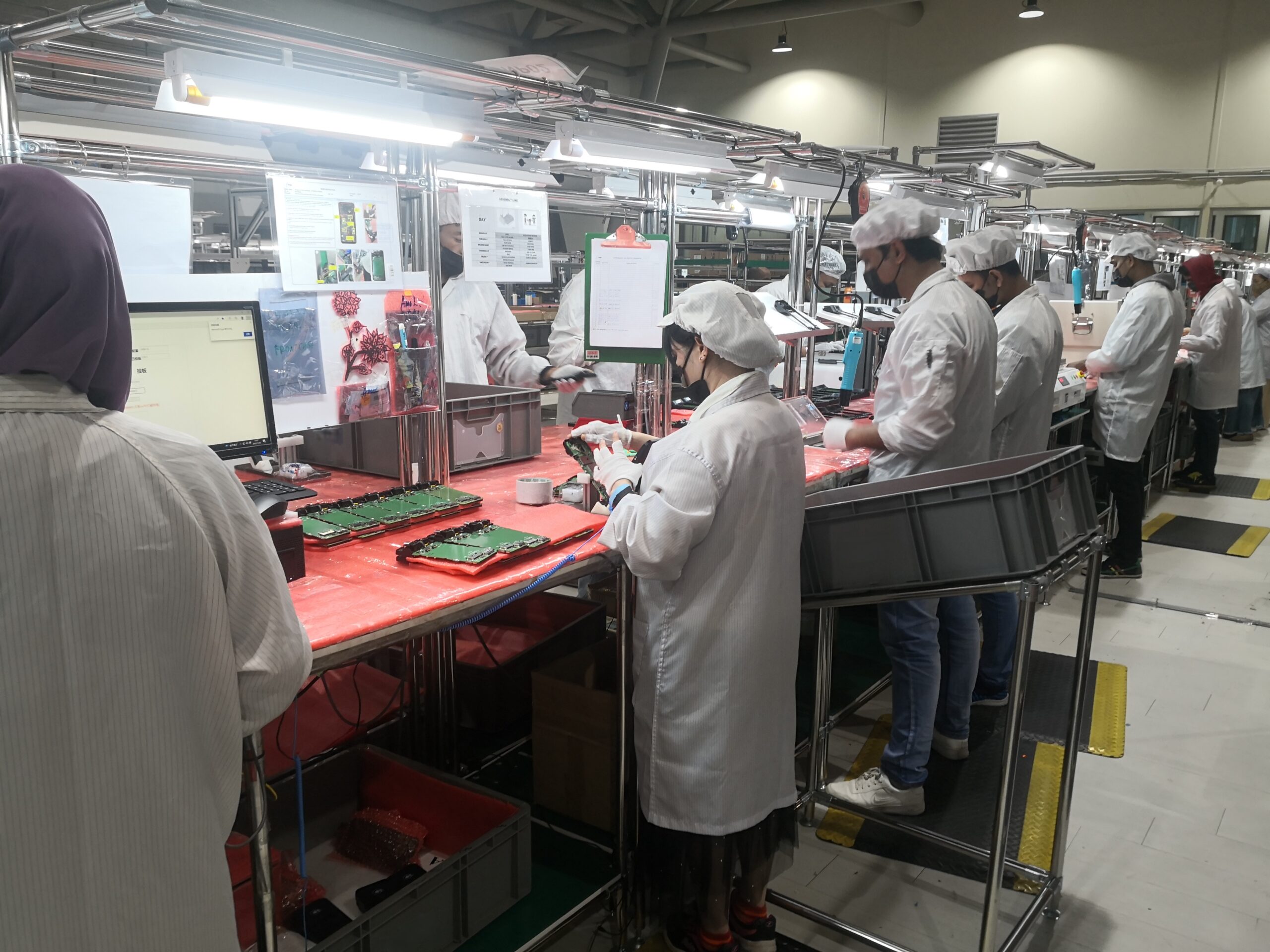
The practical follow-up is already mapped out. Rangel invited Dar to Lisbon for the inaugural meeting of the Joint Ministerial Commission, and the Pakistani deputy prime minister accepted the invitation. Dar, for his part, called for stronger parliamentary exchanges, including enhanced parliament-to-parliament engagement and the establishment of a Pakistan–Portugal Parliamentary Friendship Group.
For Pakistan, the visit adds another European partner to its economic outreach at a time when it is courting foreign investment and trying to lift exports. For Portugal, it opens a door to South Asia’s large market through a structured commission and a regular business forum rather than one-off visits. If the commission meets as planned in Lisbon and the working group starts clearing the trade barriers both sides named, the two-day visit could become the point at which a historically thin relationship turned into a working economic partnership.
Related Posts
 World NewsPakistan Warns of Global Energy Crisis at UN as Conflicts Threaten Fuel and Food Supplies
 World NewsSheikh Hasina Plans Return to Bangladesh on December 16, Government Vows Arrest
 World NewsParastoo Ahmadi Receives 74 Lashes in Iran Over Hijab-Free Online Concert
 World NewsPakistan and Türkiye Sign Judicial Cooperation MoU to Deepen Court Ties
 World NewsField Marshal Asim Munir Meets Malaysian PM Anwar Ibrahim in Putrajaya to Strengthen Defence Ties
 World NewsPakistan, Saudi Arabia and Türkiye to Hold Makkah Pact Talks in Islamabad on 26–27 November
Most Popular
 How-ToPTA Tax Calculator 2026: Check Mobile Tax on Any Phone422 views
 Pakistan NewsPIA Boeing 787 Lease Deal: What It Means for the Airline400 views
 Canada JobsTech Jobs in Canada: Roles, Salaries, and Skills Needed395 views
 SportsUEFA Champions League 2026-27: Format, Teams and Schedule391 views
 TechnologyPM Shehbaz Sets November Deadline for Alibaba AI and Digitalisation Projects in Pakistan374 views
 ShowbizWomen’s Fashion in Pakistan 2026: Trends, Brands and Style Guide367 views