Pakistan’s cybercrime agency has warned social media users that posting against judges could land them in legal trouble.
National Cyber Crime Investigation Agency (NCCIA) Director General Ali Nasir Rizvi said on Saturday, 22 November, that the agency will take action against people who spread negative propaganda targeting the judiciary and judges on social media. He urged citizens to stop circulating derogatory statements and material about judges, and advised social media users to think carefully before publishing or sharing anything concerning judicial institutions.
The warning puts every Pakistani social media user on notice: a post, a shared video or a forwarded message about a judge can now draw the attention of the country’s federal cybercrime investigators.
What the NCCIA chief actually said

Rizvi’s message was direct. People involved in online campaigns against the judiciary and its judges could face legal consequences, he warned, adding that the agency intends to scrutinise content it considers part of such campaigns.
He asked citizens to refrain from circulating derogatory statements and material targeting judges, and advised extra caution when posting or sharing content about judicial institutions. The agency, he said, will act against those who use social media platforms to spread propaganda against judges.
The warning was reported on 22 November and comes as the cybercrime agency signals a tougher line on online campaigns directed at state institutions and the people who run them.
For ordinary users, the message is simple enough: before posting about a judge or a court, pause and consider whether the post could be read as propaganda rather than comment.
What the warning does not say
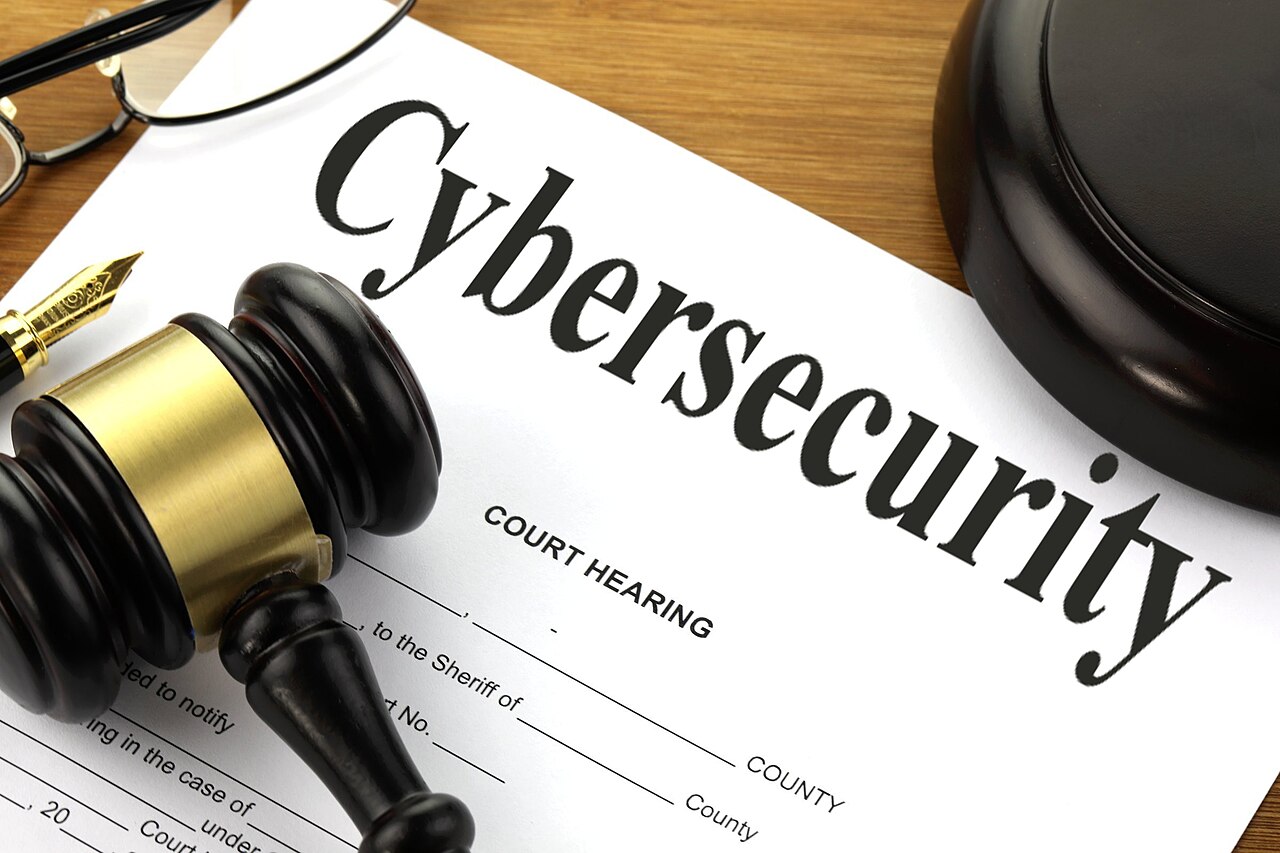
What makes this warning unusual is how much it leaves unsaid. The NCCIA chief did not name the law under which action would be taken. He did not name any social media account under investigation, and he did not say whether any new cases have been registered.
The agency has also not explained how it will tell the difference between legitimate criticism of a judge or a court decision and the propaganda it says it wants to stop. That distinction matters, because public scrutiny of judicial decisions is a normal part of democratic debate, while organised online campaigns are a different thing altogether.
For now, social media users have a warning but no rulebook: no list of banned words, no named accounts, and no stated legal provision. Anyone who posts about the judiciary is left to judge for themselves where the line falls — and the agency has made clear that getting it wrong could mean legal action.
Gujranwala arrest shows the warning is already being enforced
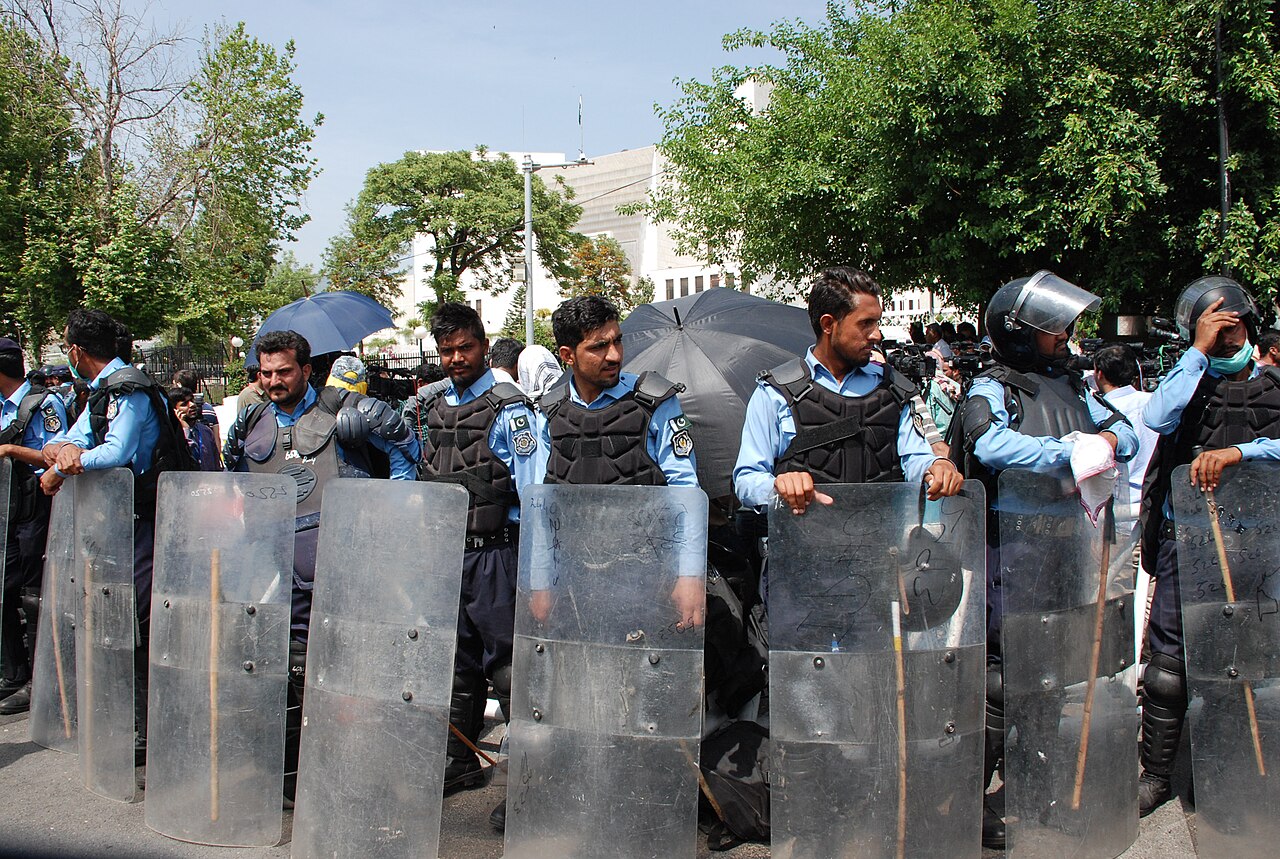
The warning is not an empty threat. On the same day, the NCCIA arrested a man in Gujranwala for allegedly sharing content against state institutions on social media.
The accused was identified as Muhammad Awaiz, son of Muhammad Shafi, a resident of Gujranwala. According to the agency, he was found involved in sharing insulting and negative material against state institutions, and the material was recovered from his possession during the operation. A first information report (FIR) has been registered against him, and further investigation is under way.
The Gujranwala case is not about posts targeting judges — it concerns content against state institutions more broadly — but it shows the agency is already acting on social media cases, not merely talking about them. A warning from the director general, followed on the same day by an arrest and an FIR, is a combination social media users are unlikely to ignore.
What social media users should know
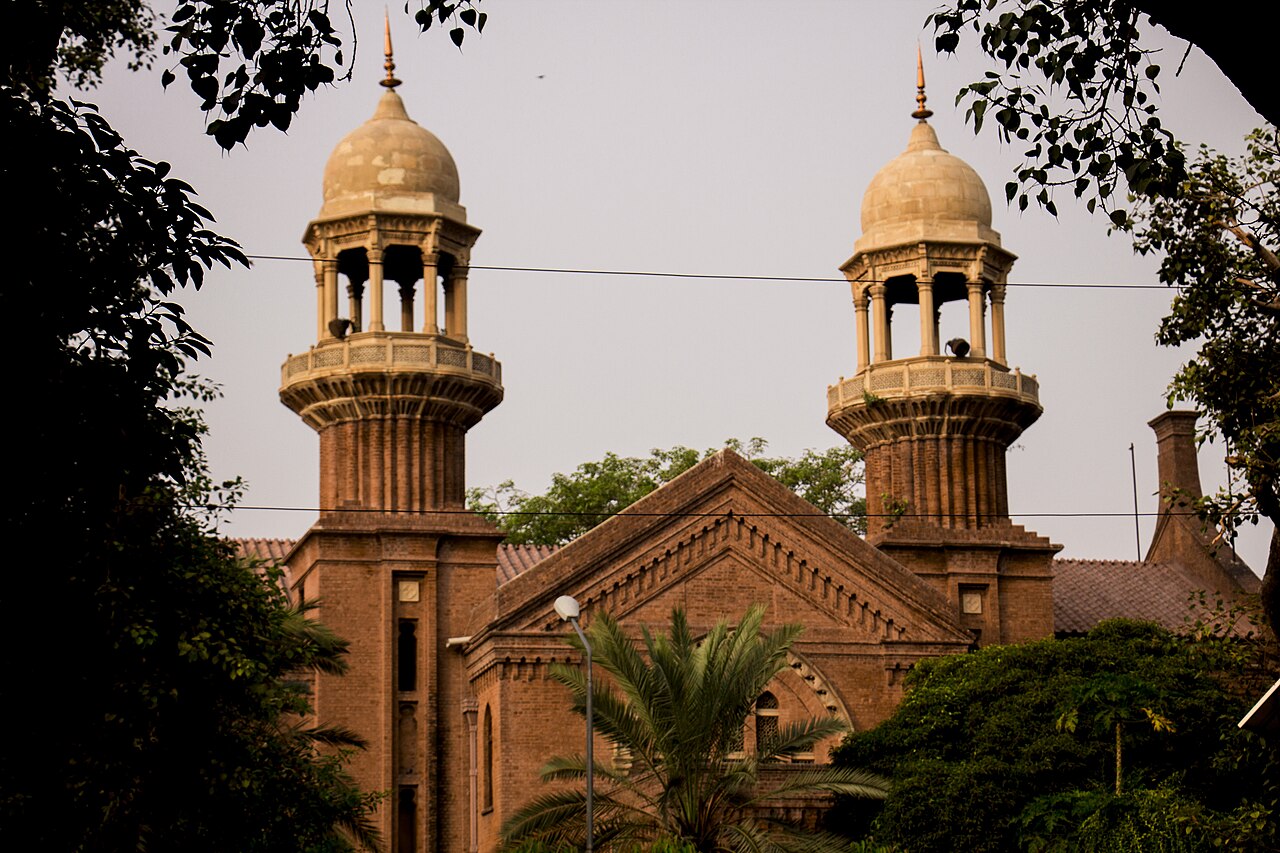
The NCCIA is Pakistan’s federal agency for investigating cybercrime and offences committed through digital platforms, including social media. It has been increasingly visible in recent months, and this warning fits a wider pattern of activity.
Earlier this month, the agency launched its Cyber Info app, which lets people report online scams, fraud and hacking from their phones. In a separate crackdown, NCCIA Lahore arrested 130 people in a cyber fraud operation and returned Rs30 million to victims. The agency also busted an online gambling network worth an estimated Rs1 trillion.
The message to social media users is now consistent across all of that activity: the internet is being watched, complaints can be filed in minutes, and action can follow quickly.
That does not mean people must stop discussing the courts. Criticism of judicial decisions, debate about the justice system and reporting on court proceedings remain part of public life. But the NCCIA’s warning draws a line — one the agency has not yet defined in public — between criticism and propaganda, and it is telling users to stay on the safe side of it.
Until the agency publishes clear criteria, the safest course for anyone posting about judges is the one Rizvi himself suggested: exercise caution, check before sharing, and remember that a post made in seconds can lead to legal proceedings that last months.
Sources: Azaad Digital; Pakhtun Digital.
Related Posts
 TechnologyPakistan to Launch Medicine Verification App on 24 November — Scan a Barcode to Check If Your Medicine Is Real
 TechnologyZong and Xiaomi Partner to Bring Affordable 5G Phones to Pakistan — Redmi 17 5G First at Rs 72,999
 TechnologyNissan Note and Toyota Raize Prices May Fall as Pakistan Customs Treats Series Hybrids as Electric Vehicles
 TechnologyPakistan and China Join Hands on Next-Generation Computer Chips at NUST
 TechnologyTelcos Ask PM Shehbaz for Industrial Power Rates as $2 Billion 5G Push Faces 197% Electricity Hike
 TechnologyPunjab Digitises 5,805 of 6,014 Revenue Villages as World Bank Land Project Hits 90% Progress
Most Popular
 How-ToPTA Tax Calculator 2026: Check Mobile Tax on Any Phone421 views
 Pakistan NewsPIA Boeing 787 Lease Deal: What It Means for the Airline396 views
 Canada JobsTech Jobs in Canada: Roles, Salaries, and Skills Needed393 views
 SportsUEFA Champions League 2026-27: Format, Teams and Schedule390 views
 TechnologyPM Shehbaz Sets November Deadline for Alibaba AI and Digitalisation Projects in Pakistan370 views
 ShowbizWomen’s Fashion in Pakistan 2026: Trends, Brands and Style Guide366 views