Pakistan will formally launch the Pakistan medicine verification app on Tuesday, 24 November 2026, giving anyone with a smartphone a way to check whether a medicine is genuine before buying it. Prime Minister Shehbaz Sharif will inaugurate the system, which turns the phone in your pocket into a fake-drug detector.
The launch ends weeks of waiting. The technology behind it is already running: a central Track and Trace System for medicines went live on 9 October, and a 2D barcode rule for all pharmaceutical products took effect on 10 October. What changes on 24 November is the formal public launch — the moment ordinary buyers are meant to start using it.
How the barcode check works
The check runs through DRAP’s Mehfooz Dawa app, built with the National Information Technology Board and available free on Google Play. At the pharmacy, the buyer points the phone camera at the 2D barcode printed on the medicine pack. The Pakistan medicine verification app checks the code against the Drug Regulatory Authority of Pakistan’s database and shows whether the medicine is registered, what its government-approved price is, and when it expires.
If the medicine is fake, the app shows a red warning. The same app lets the buyer report a fake, substandard or overpriced medicine, with photo evidence, so the regulator can act on the complaint. The idea is simple: the check happens before the money changes hands, not after a bad medicine has already been taken.
The system behind the app
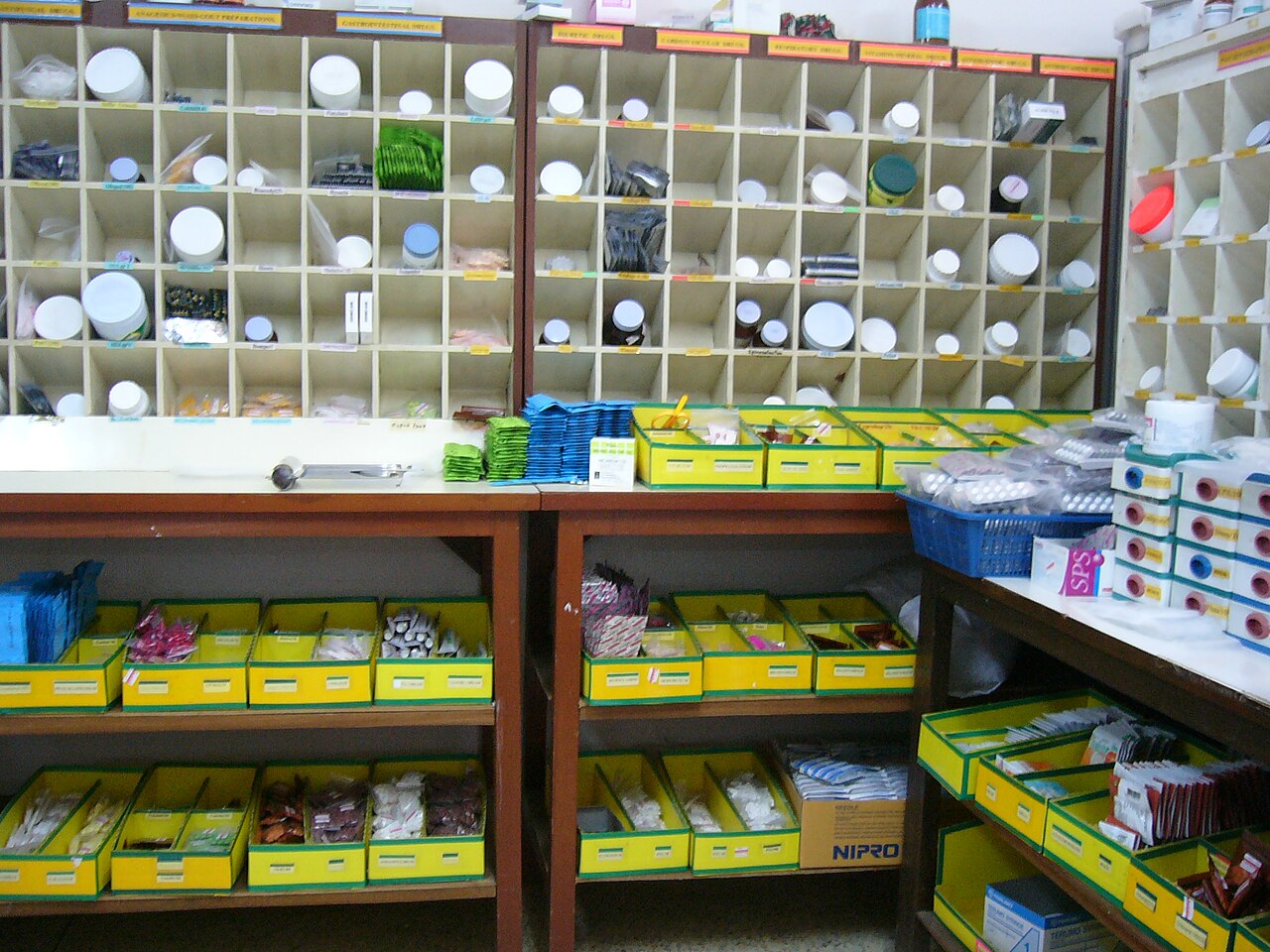
Behind the app sits the central Track and Trace System, which follows medicines from production to the pharmacy shelf. Every pack carries a unique 2D barcode, and the scan pulls up the product’s manufacturing and import details from DRAP’s database. Officials say the database already covers tens of thousands of registered medicines, and the system can help trace and recall a specific batch if a quality or safety problem is found.
The idea is not new. A barcode system for medicines was first proposed in 2015 and approved by the federal cabinet in 2017, but administrative delays held it back for years. DRAP set 1 October 2026 as the final date for drug makers to fall in line, and the Pakistan medicine verification app is being rolled out as part of the government’s Digital Nation Pakistan push to put public services on the phone.
Why the launch matters now
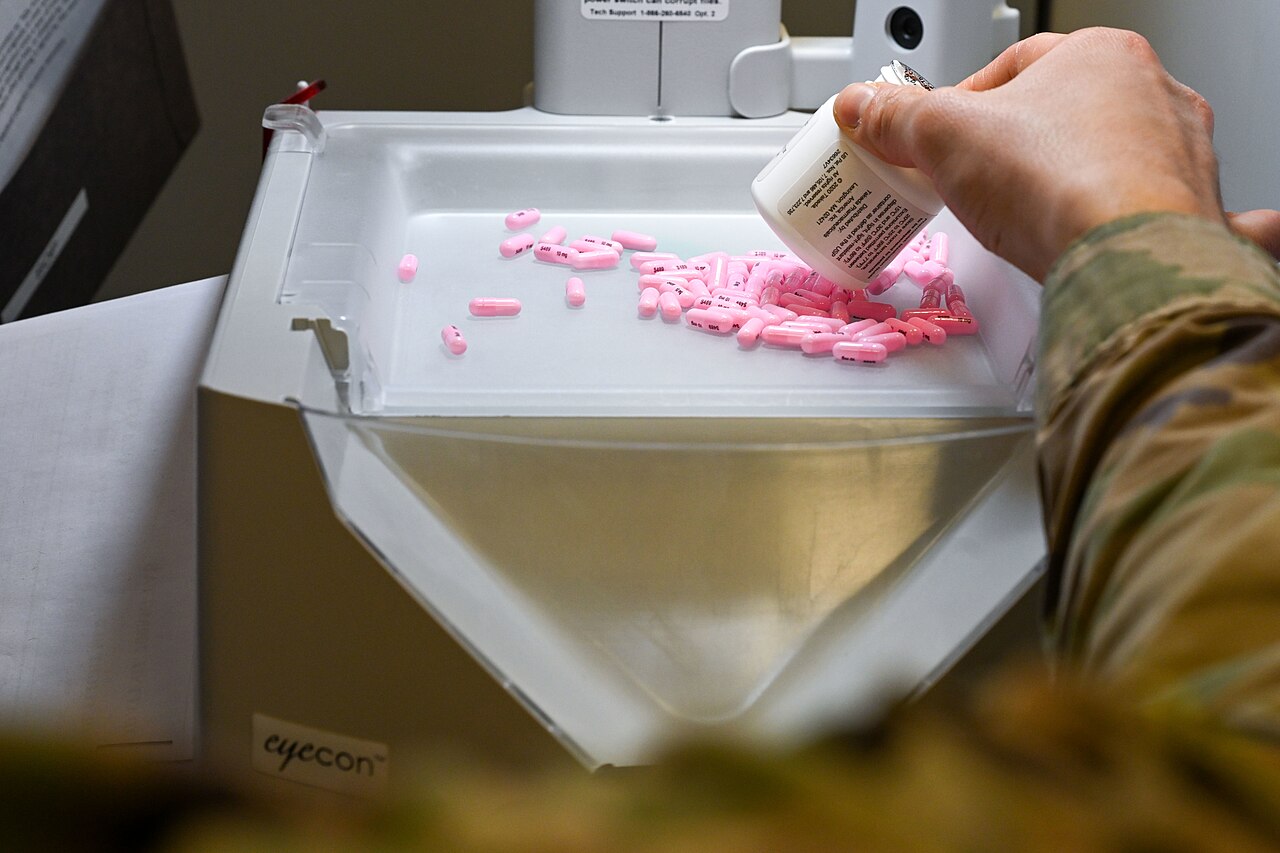
Fake medicines are a long-running problem in Pakistan, and the timing of the launch follows a sharp warning from parliament. On Monday 16 November, the Senate Functional Committee on Problems of Less Developed Areas took up the issue and blamed weak oversight by DRAP for the spread of counterfeit drugs, summoning the regulator and health officials to answer questions within 10 days. Khyber Pakhtunkhwa is already sending mobile drug-testing vans onto the roads to check suspect medicines on the spot.
The same day, DRAP warned about a suspected fake batch of Hexaxim vaccine — batch number X3H421VA, sold under the Sanofi brand — and banned its sale and use, saying the quality and effect of the suspected batch were unknown. Federal Health Minister Mustafa Kamal has told the National Assembly that DRAP has been given wider powers to act against counterfeit medicines, and that the government intends to eliminate fake drugs from the market.
The app is the public-facing half of that promise. Until now, a buyer had no quick way to tell a genuine pack from a convincing copy. From 24 November, the check takes seconds — and every scan that flags a fake also gives the regulator a lead.
What to do on 24 November
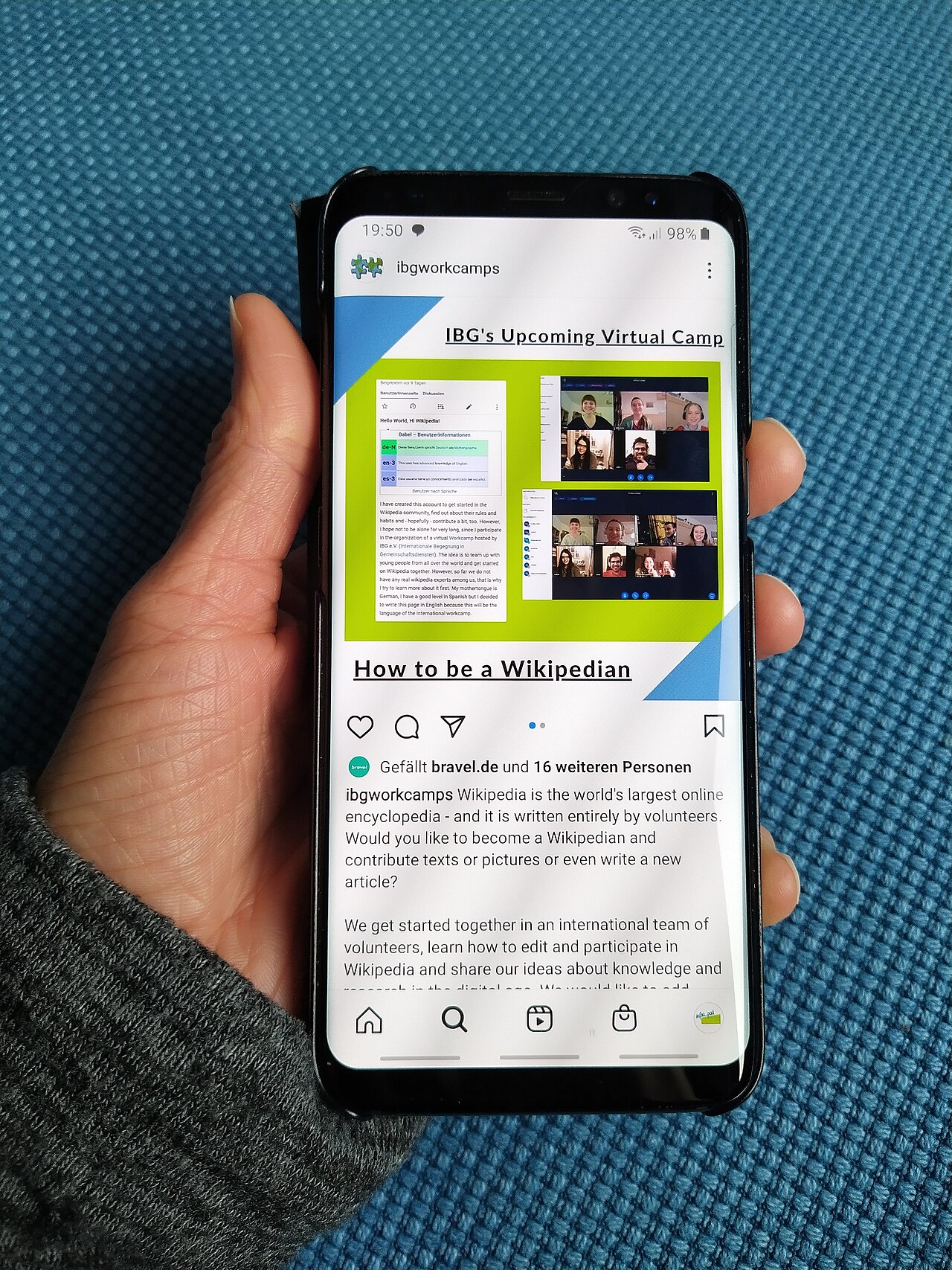
The health minister’s advice is straightforward: carry your phone when you buy medicines, and scan the pack before you pay. Check three things — that the medicine is registered, that the price matches the approved price, and that it has not expired. If the Pakistan medicine verification app flashes a red warning, do not buy it, and report it through the app with a photo.
An awareness campaign is planned to show people how the check works, and the formal launch on Tuesday is expected to set out how widely the system will be promoted. The test of the system will not be the launch ceremony, though — it will be whether, in the weeks after it, a buyer at an ordinary pharmacy can scan a pack and trust the answer.
Sources: Geo News and ARY News (22 November 2026); Feature Pakistan’s report on the Senate committee hearing; HamariDunya’s report on the verification system.
Related Posts
 TechnologyZong and Xiaomi Partner to Bring Affordable 5G Phones to Pakistan — Redmi 17 5G First at Rs 72,999
 TechnologyNissan Note and Toyota Raize Prices May Fall as Pakistan Customs Treats Series Hybrids as Electric Vehicles
 TechnologyPakistan and China Join Hands on Next-Generation Computer Chips at NUST
 TechnologyTelcos Ask PM Shehbaz for Industrial Power Rates as $2 Billion 5G Push Faces 197% Electricity Hike
 TechnologyPunjab Digitises 5,805 of 6,014 Revenue Villages as World Bank Land Project Hits 90% Progress
 TechnologyNvidia Faces SEC Accounting Probe and California Criminal Investigation as Shares Crash 14%
Most Popular
 How-ToPTA Tax Calculator 2026: Check Mobile Tax on Any Phone421 views
 Pakistan NewsPIA Boeing 787 Lease Deal: What It Means for the Airline396 views
 Canada JobsTech Jobs in Canada: Roles, Salaries, and Skills Needed393 views
 SportsUEFA Champions League 2026-27: Format, Teams and Schedule390 views
 TechnologyPM Shehbaz Sets November Deadline for Alibaba AI and Digitalisation Projects in Pakistan370 views
 ShowbizWomen’s Fashion in Pakistan 2026: Trends, Brands and Style Guide366 views