One in three adults in Pakistan is now living with diabetes. That is the warning from the World Health Organization, which says 34.5 million people in the country have the disease — and a large share of them do not even know it.
The WHO issued the warning in Islamabad on 15 November, ahead of World Diabetes Day, observed every year on 14 November. Its message was blunt: diabetes is a silent killer, and early action — prevention and early detection — is the only way to stop it stealing years of healthy life from millions of Pakistanis.
The scale of the problem is hard to overstate. Pakistan now carries the highest diabetes burden in the world in percentage terms, and accounts for more than 40 per cent of all estimated diabetes cases in the WHO’s Eastern Mediterranean Region. For a country already struggling with heart disease — a landmark Pakistani study reported this week that one in four healthy adults already shows signs of heart trouble — the diabetes numbers point to a health crisis that is still growing.
One in three adults — the highest rate in the world
According to the International Diabetes Federation’s latest atlas, an estimated 34.5 million Pakistani adults live with diabetes. The federation puts Pakistan’s age-standardised adult prevalence at 31.4 per cent — the highest of any country in the world.
Worse still, 9.3 million of those people — 26.9 per cent — do not know they have the disease. Four in 10 people living with diabetes across the WHO’s Eastern Mediterranean Region are undiagnosed, and without a diagnosis there is no treatment — only the slow damage the disease does to the eyes, kidneys, heart and nerves, raising the risk of blindness, kidney failure, heart attacks, strokes and amputations.
The rise has been relentless. Data collected by Pakistani newspapers shows the share of adults with diabetes climbed from 8.7 per cent in a 1994–98 survey to 26.3 per cent in 2016–17, when it already meant more than 27.4 million people. By 2026 the figure is believed to be well over 34.5 million — and on current trends the International Diabetes Federation projects it will reach 70.2 million by 2050.
Globally, the number of people living with diabetes rose from 200 million in 1990 to 830 million in 2022, and the WHO says the disease is rising more rapidly in low- and middle-income countries than in richer ones. Pakistan is at the sharp end of that trend.

Younger Pakistanis are increasingly affected
Diabetes is no longer a disease of old age in Pakistan. Specialists at the Aga Khan University Hospital (AKUH) warned at a media roundtable ahead of World Diabetes Day that type 2 diabetes is increasingly appearing in younger Pakistani adults — and that waiting for symptoms is a dangerous mistake.
“Type 2 diabetes is not limited to older adults,” said Dr Asma Ahmed, a consultant endocrinologist at AKUH. “Younger people, particularly those with a family history or other risk factors, should not wait for symptoms to appear before seeking screening.”
The panel singled out excess weight around the waist as a key risk factor, and warned that people who look a healthy weight should not assume they are safe. A family history of the disease and a lack of physical activity were named as warning signs to take seriously.
The WHO’s representative in Pakistan, Dr Luo Dapeng, made the same point: type 2 diabetes, which makes up more than 95 per cent of all cases, was until recently seen only in adults, but is now increasingly occurring in children — mainly because of poor diets and a lack of physical activity.

A Rs6.8 billion national programme is on the way
The government is now preparing a Rs6.8 billion national programme to fight the diabetes crisis, under the Prime Minister’s programme for the prevention and control of diabetes. The plan brings together nationwide screening, public awareness, early diagnosis and treatment facilities, and is set to launch as a model project in Islamabad before expanding to other provinces.
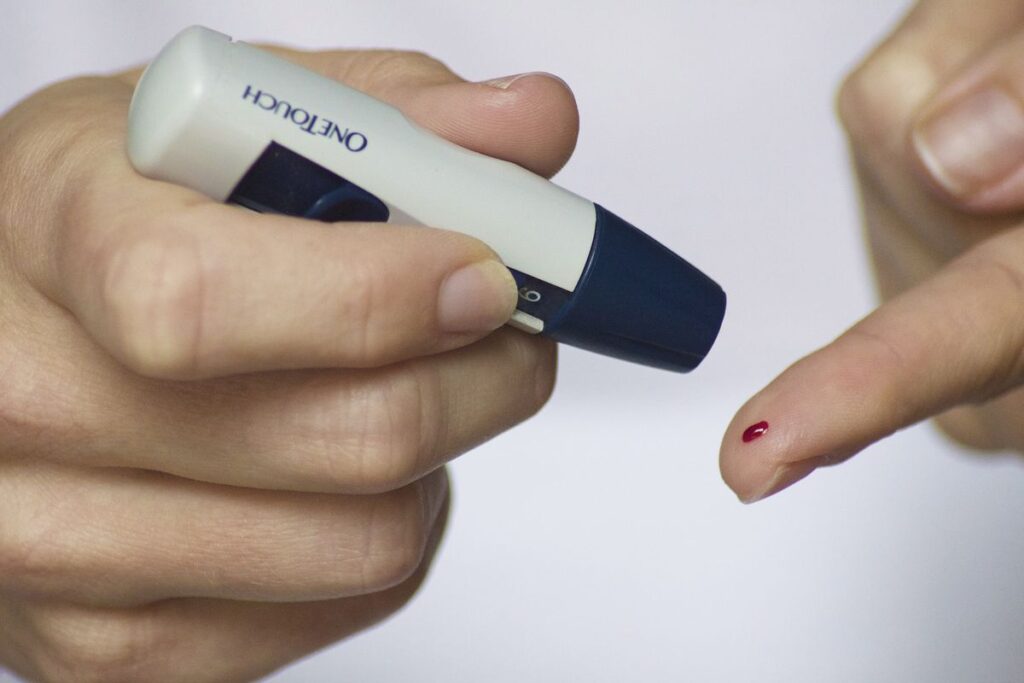
For rapid screening, the programme will use the RAPID score — a method that estimates a person’s diabetes risk in about 30 seconds from three basic questions about age, waist size and family history, without an immediate blood test.
Alongside medical care, the government is pushing evidence-based food policies, including health taxes on sugary drinks, front-of-pack warning labels, and restrictions on marketing unhealthy foods to children.
Dr Mukhtar Ahmad Malik, Minister of State for National Health Services, has called diabetes an economic and development challenge as well as a medical one, and said the disease is no longer limited to older people and is increasingly affecting children.

What actually prevents diabetes — and what to check
The encouraging news is that type 2 diabetes is often preventable. The WHO’s advice is straightforward: eat a healthy diet, get at least 150 minutes of exercise a week, have regular medical check-ups, avoid tobacco, and cut back on sugar and saturated fats.
There is Pakistani evidence that it works. The Aga Khan University Hospital’s community-based Pakistan Diabetes Prevention Trial found that after a year of culturally tailored lifestyle changes, 61 per cent of participants with prediabetes had returned to normal blood sugar levels.
Diet need not mean deprivation, the hospital’s specialists say. Senior dietitian Farah Syed recommends watching portion sizes, adding vegetables, pulses and whole grains, and cutting back on sugary drinks — practical changes that can be sustained over time.
Regular foot checks matter too. Dr Fareed Ahmed Shaikh, head of vascular surgery at AKUH, warned that diabetes damages feeling in the feet, so a small cut can go unnoticed and turn into a serious wound that may ultimately cost a patient a limb. Checking feet regularly can catch problems early.
The theme for World Diabetes Day 2026–27 is “Early Action on Diabetes” — and the message behind it is simple. Diabetes rarely announces itself. A blood sugar test takes minutes, costs little, and can be the difference between a manageable condition and a life changed by complications. If you have a family history, carry weight around your waist, or simply have not been tested in years, this is the week to get checked.

Sources: World Health Organization (WHO Pakistan); International Diabetes Federation Diabetes Atlas 2025; Aga Khan University Hospital.
Related Posts
 Pakistan NewsThree TTP Terrorists Killed in Joint CTD–Army Operation in Peshawar’s Matni Area
 Pakistan NewsPresident Zardari’s Five Ordinances Strip KP Lawmakers of Key Privileges — 21 of 40 Sections Removed
 Pakistan NewsVeteran Journalist and Human Rights Activist Hussain Naqi Passes Away in Lahore
 Pakistan NewsZardari Steps In as PML-N and PPP Clash Over Referendum on New Provinces
 Pakistan News182 Couples Marry in One Day as Punjab’s Dhee Rani Programme Brings Mass Weddings to Khanewal
 Pakistan NewsLahore Tops World’s Most Polluted Cities Again as AQI Hits 538 — Eight Punjab Cities in Pakistan’s Worst Ten
Most Popular
 How-ToPTA Tax Calculator 2026: Check Mobile Tax on Any Phone421 views
 Pakistan NewsPIA Boeing 787 Lease Deal: What It Means for the Airline396 views
 Canada JobsTech Jobs in Canada: Roles, Salaries, and Skills Needed393 views
 SportsUEFA Champions League 2026-27: Format, Teams and Schedule390 views
 TechnologyPM Shehbaz Sets November Deadline for Alibaba AI and Digitalisation Projects in Pakistan370 views
 ShowbizWomen’s Fashion in Pakistan 2026: Trends, Brands and Style Guide366 views