Free chip design training opens in Pakistan — Rs 50,000 monthly stipend for graduates
Pakistan has opened applications for a free chip design training programme that pays graduates Rs 50,000 every month while they learn one of the most in-demand skills in global technology. The four-month Digital IC Design and Verification course is being offered under the Prime Minister’s National Semiconductor Human Resource Development Programme, known as INSPIRE, and the Ghulam Ishaq Khan Institute of Engineering Sciences and Technology (GIKI) is now accepting applications. The last date to apply is 6 December 2026.
For engineering and computing graduates who have been waiting for a practical way into the semiconductor industry, this is one of the most direct routes available in Pakistan. The training is fully funded, which means there is no tuition fee and no participation fee — and on top of that, every selected trainee receives a monthly stipend of Rs 50,000 for the full four months. The course is tentatively scheduled to run from January to April 2027.
What the free chip design training offers
Chip design training Pakistan is built around hands-on, industry-ready learning rather than classroom theory alone. Trainees will work in a fully equipped integrated circuit design laboratory, following an industry-approved curriculum and guided by experienced faculty and industry mentors. The programme also promises direct industry employment support once the training is complete, so graduates leave with both skills and a route into jobs.
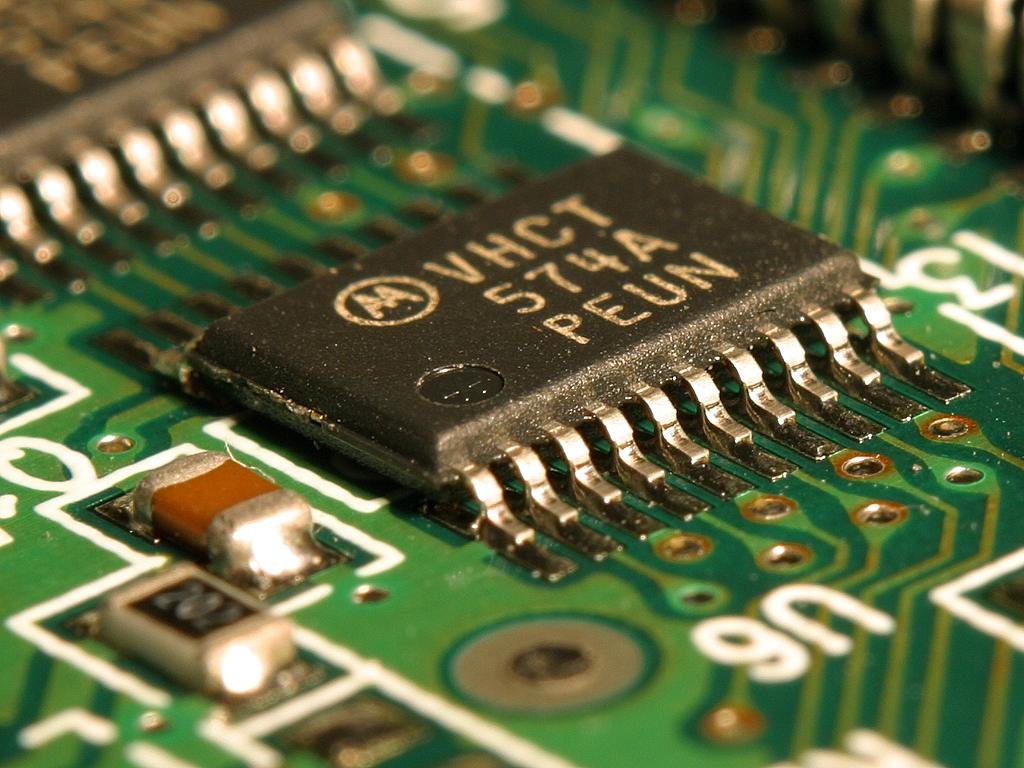
The course covers digital integrated circuit (IC) design and verification — the work of designing the digital circuits inside the chips that power phones, computers, cars and countless other devices, and then verifying that those designs work correctly before they are manufactured. It is precise, technical work, and it is exactly the kind of skill global chip companies pay a premium for.
Who can apply for the chip design training
The programme is open to graduates holding a BS degree in Electrical Engineering, Electronics Engineering, Computer Engineering, Computer Science, Software Engineering or a related discipline. GIKI’s announcement sets the minimum CGPA at 2.5 or above.
That eligibility bar is deliberately broad. Chip design needs people from both hardware and software backgrounds — electrical engineers who understand circuits, and computer science graduates who can handle the complex design and verification tools. By accepting related disciplines as well, the programme opens the door to a wide pool of graduates across Pakistan’s engineering universities.
How to apply — deadline 6 December 2026
Applications are submitted online through GIKI’s official page for the programme at giki.edu.pk/ic-design, where candidates will also find the full eligibility details and the selection process. The deadline is 6 December 2026, so interested graduates should apply well before the closing date rather than waiting for the last day.
The training is delivered by a consortium led by GIKI, working with the National Electronics Complex of Pakistan (NECOP), COMSATS University Islamabad’s Abbottabad Campus, the National Institute of Electronics and the Center for Advanced Research in Engineering (CARE). The programme is run in collaboration with the Pakistan Software Export Board (PSEB) and the Ministry of Information Technology and Telecommunication. Queries about the programme can be sent to [email protected].
What trainees will learn in four months

Over the four months, trainees will learn how digital circuits are designed and verified for use in modern electronic devices. The hands-on laboratory work is the heart of the programme: participants practise on the same kind of design tools and workflows used in the chip industry, rather than only reading about them.
Mentorship is a central part of the offer. Experienced faculty members and industry mentors will guide trainees throughout, helping them connect the technical work to real products and real jobs. For a graduate with the right degree but no industry experience, that combination of a working lab, a structured curriculum and a mentor is what turns a qualification into a career.
Why Pakistan is investing in chip design skills
The chip design training Pakistan is part of a much bigger national push. INSPIRE — the Initiative to Nurture Semiconductor Professionals for Industry, Research and Education — was launched by Prime Minister Shehbaz Sharif on 21 October 2025 with an approved budget of Rs 4.844 billion. The five-year target is to train 7,200 professionals, with nine public-sector universities taking part and dedicated IC laboratories being set up.
The logic is straightforward. The world is racing to build domestic chip design capacity, and countries that can supply trained chip designers attract investment, exports and high-paying jobs. GIKI describes chip design as a gateway to a global deep-tech market worth more than $600 billion. Pakistan’s own chip industry is still young — local startup ChipXPRT recently raised seed funding to build it — but programmes like INSPIRE are designed to supply the skilled workforce that industry needs to grow.
For graduates, the timing is good. A free course, a Rs 50,000 monthly stipend, four months of practical training and industry employment support is a rare combination — and with applications closing on 6 December 2026, the window to apply is short.
Related: NUST microchip e-passport
Source: PID press release
Related Posts
 TechnologyToyota Land Cruiser 300 Hybrid Launched in Pakistan at Rs 11.20 Crore
 TechnologyPakistan and Google Sign Landmark MoU — Free AI Tools for Students, 150,000 Career Certificates and a $30 Billion Digital Goal
 Technology2027 Hyundai Elantra Hybrid Unveiled at LA Auto Show with 157 PS and a 53 MPG Target
 TechnologyJPMorgan, Visa and Mastercard Hit by Cyberattack on Vendors as Hackers Leak Customer Data
 TechnologyKarachi Safe City Phase-II: Sindh Cabinet Approves Rs5.766 Billion for 2,300 AI Cameras
 TechnologyPTA Approves Advanced Firewall to Strengthen Social Media Monitoring in Pakistan
Most Popular
 How-ToPTA Tax Calculator 2026: Check Mobile Tax on Any Phone421 views
 Pakistan NewsPIA Boeing 787 Lease Deal: What It Means for the Airline396 views
 Canada JobsTech Jobs in Canada: Roles, Salaries, and Skills Needed392 views
 SportsUEFA Champions League 2026-27: Format, Teams and Schedule390 views
 TechnologyPM Shehbaz Sets November Deadline for Alibaba AI and Digitalisation Projects in Pakistan370 views
 ShowbizWomen’s Fashion in Pakistan 2026: Trends, Brands and Style Guide366 views