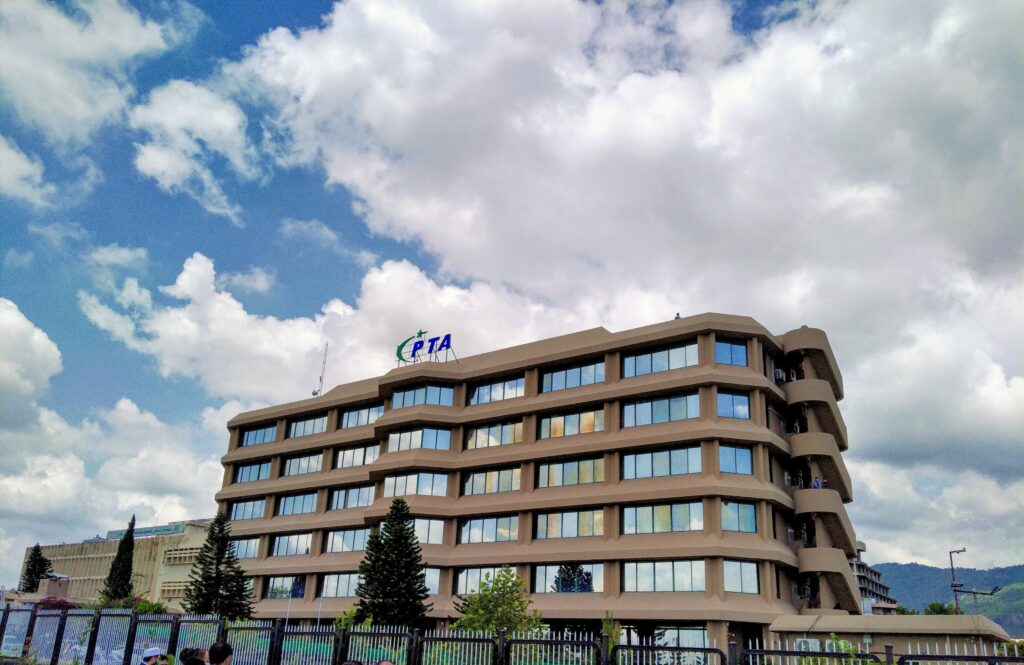
The Pakistan Telecommunication Authority has approved the purchase of an advanced firewall licence to strengthen monitoring of digital platforms, including social media, in Pakistan. The PTA firewall plan covers the USG-6630E system, and the regulator has decided to invite bids from international companies to supply the licence. The development was reported on 19 November. (Sources: Nexa.Plus, Sixty)
What the PTA Has Approved
The authority has approved buying a licence for the USG-6630E firewall, a sophisticated system designed to handle large volumes of internet traffic. Rather than buying from a single supplier directly, the PTA has opened the process to international competition, inviting bids and formal proposals from global technology companies. The move signals that the regulator wants a standardised, high-capacity solution rather than a small or temporary fix.
The licence purchase is the centrepiece of the plan. The PTA has not said which companies are expected to bid, and it has not named any preferred supplier. The procurement will run under the country’s public procurement rules, which means the process, rather than a direct deal, will decide who supplies the licence.
Why the Regulator Wants a Stronger Firewall
The stated purpose of the purchase is to bolster security monitoring across digital platforms, with a specific focus on social media. The PTA firewall would give the regulator a stronger grip on internet traffic and content management, allowing it to watch what flows across networks more closely than its current systems allow.
The scale of online activity in Pakistan explains why the regulator is investing in this area. The PTA itself told a parliamentary committee that there are 96 million YouTube users in Pakistan, watching around 560 million videos every day, alongside 100 million TikTok users. With numbers that large, the systems used to monitor digital platforms need to keep pace with the traffic they are meant to oversee.
How the Purchase Will Work
The licence will be bought through international bidding under the Public Procurement Rules 2026. The process will use a Single Stage-One Envelope method, with selection based on the least cost among qualifying bids. That framework is designed to keep the purchase open and competitive, with international firms able to submit proposals on the same terms.
For now, the process is at the bidding stage. The PTA is inviting proposals, and no contract has been announced. The technical specifications of the USG-6630E are known to the regulator, but the public reports do not set out the full details of how the system will be deployed once a supplier is chosen.
What Is Still Unclear
Several important questions remain unanswered. There is no public timeline for when the firewall will become fully operational, and the reports do not say how long the bidding process will take. It is also not yet known which international companies will take part, or how the system will be rolled out across the country’s networks.
The full extent of the implementation strategy is unclear as well. The PTA has described the goal — stronger monitoring of digital platforms and social media — but it has not explained in public how the new system will sit alongside its existing monitoring setup, or what new capabilities it will add in practice. Until the bidding concludes, those details are likely to stay open.
PTA’s Wider Monitoring Drive
The firewall purchase is part of a broader push by the regulator to tighten oversight of telecom services. In a separate drive, the PTA has intensified nationwide field monitoring of mobile networks, inspecting 226 mobile sites between 29 October and 11 November and taking the total number of sites monitored so far past 1,127. The checks covered Karachi, Lahore, Bahawalpur, Quetta, Rawalpindi, Islamabad, Peshawar, Mirpur, Skardu, Gwadar and Sargodha, among other cities.
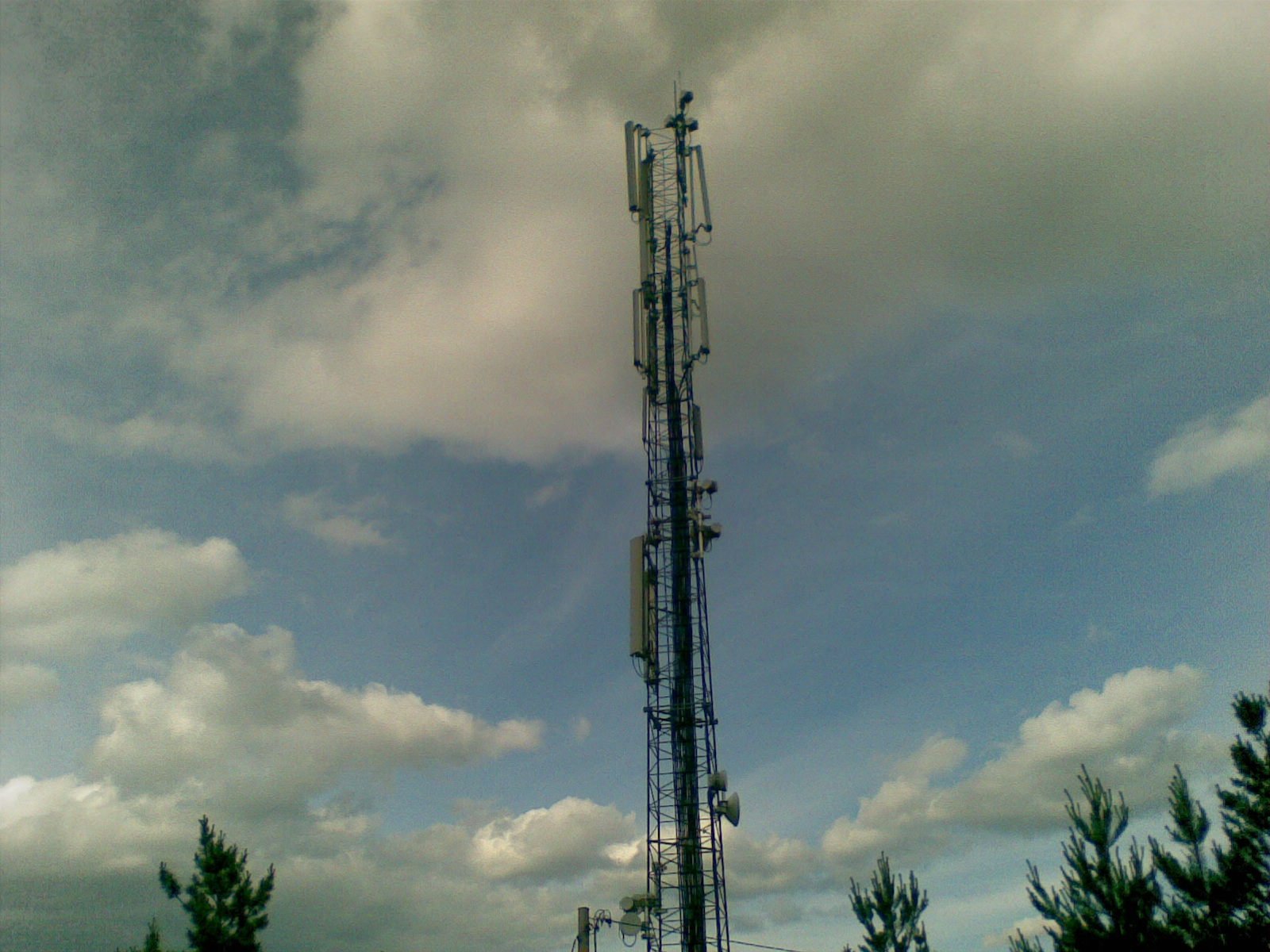
The inspections found problems including power supply and backup issues, equipment faults, battery and generator defects, and fibre-optic cable safety concerns. The PTA has been reporting these findings as part of the same quality drive that earlier saw PTA mobile site inspections cross 900 sites. The regulator has also finalised a licensing framework for satellite-based in-flight internet services, another step in widening the range of connectivity it oversees.
What It Means for Internet Users in Pakistan
For ordinary internet users, nothing changes immediately. The PTA firewall has been approved for purchase, but the licence has not yet been bought and no start date for the system has been announced. Everyday apps, social media and browsing will continue as normal while the bidding process runs.
Once the system is in place, the regulator’s ability to monitor digital platforms and social media will be stronger than it is today. How far that reaches in practice will depend on decisions the PTA has not yet made public, including how the firewall is configured and which platforms fall under its closest watch. For now, the clear facts are the approval, the model name, the international bidding route and the procurement rules — and the timeline is the part still to come.
Related Posts
 TechnologyUfone and Telenor Partner with Xiaomi to Bring Redmi 17 5G with Bundled Data Plans
 TechnologyVGO TEL Tops Pakistan’s Local Mobile Phone Assembly in 2026 With 3.5 Million Handsets
 TechnologyAlibaba DigiSME Reaches 2,000 Pakistani SMEs in 100 Days as Export Orders Grow
 TechnologyNADRA Extends Digital Nikah Registration to Islamabad and Quetta via PakID
 TechnologySyngenta Group to Bring Advanced Hybrid and Biotech Seed Technologies to Pakistan
 TechnologyBahria University Launches AI Flood Forecasting Platforms SAILAB and SAIR
Most Popular
 How-ToPTA Tax Calculator 2026: Check Mobile Tax on Any Phone421 views
 Pakistan NewsPIA Boeing 787 Lease Deal: What It Means for the Airline396 views
 Canada JobsTech Jobs in Canada: Roles, Salaries, and Skills Needed392 views
 SportsUEFA Champions League 2026-27: Format, Teams and Schedule390 views
 TechnologyPM Shehbaz Sets November Deadline for Alibaba AI and Digitalisation Projects in Pakistan370 views
 ShowbizWomen’s Fashion in Pakistan 2026: Trends, Brands and Style Guide366 views