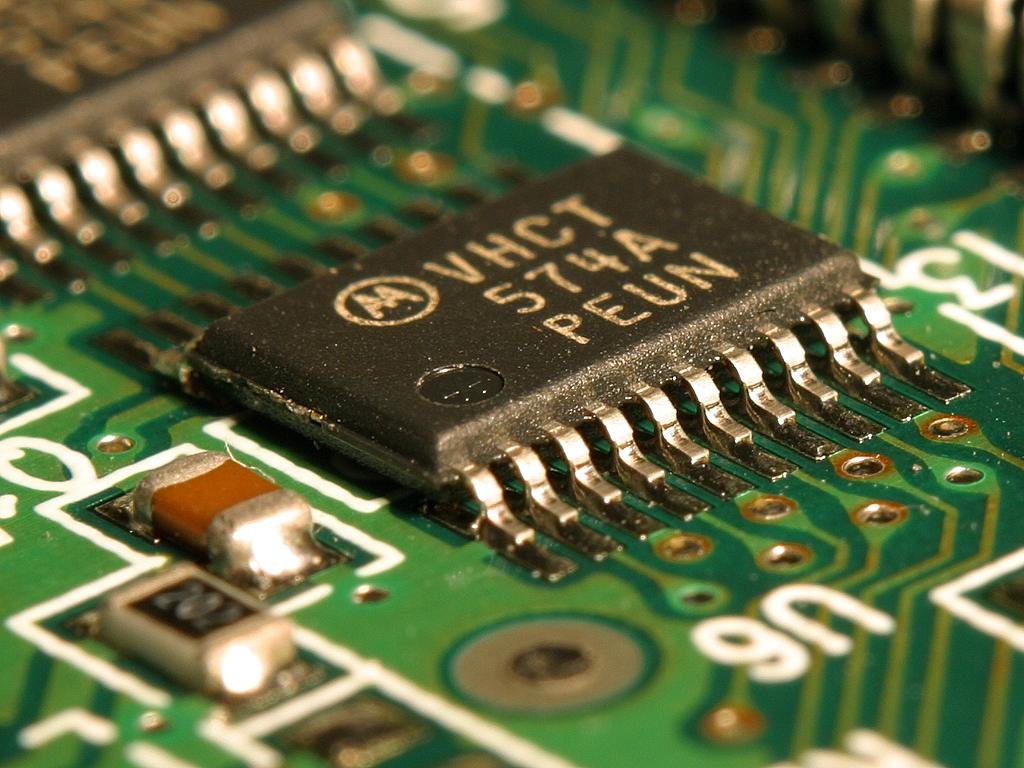
NUST delegation meets DG Passports on local microchip development

A high-level delegation from the National University of Sciences and Technology (NUST) has held talks with the Directorate General of Immigration and Passports on a local microchip e-passport plan — developing microchip technology locally in Pakistan, a move that could one day see the chips inside Pakistani e-passports designed and built at home rather than imported.
The NUST delegation, led by Project Director Hammad M. Cheema, visited the directorate’s headquarters and met Director General of Immigration and Passports Muhammad Ali Randhawa for the local microchip e-passport talks, according to reports published on 31 October and 1 November 2026.
During the meeting, the university team presented a detailed briefing on its ongoing research and development work in indigenous microchip manufacturing. The discussion centred on how the local microchip e-passport idea could support Pakistan’s passport system and strengthen the security of citizens’ data.
What the talks covered: data protection, technology integration, joint research
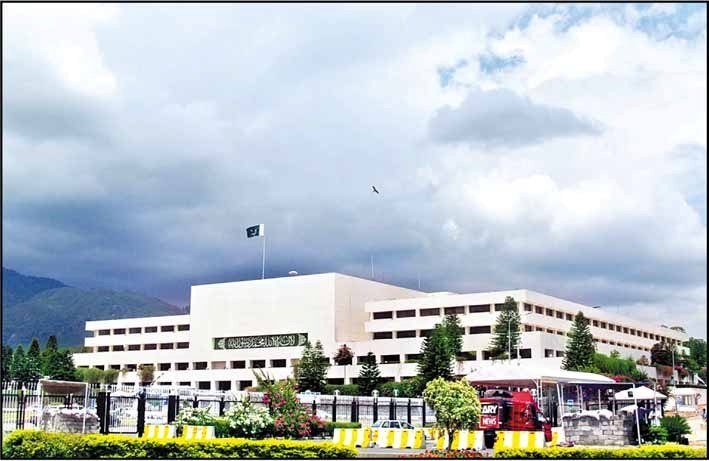
The session focused on three key areas of the local microchip e-passport collaboration. First, developing advanced technical solutions to secure passport databases and protect the sensitive personal information stored on travel documents. Second, finding ways to integrate locally developed microchips into the country’s existing cyber-defence and national cybersecurity architecture. Third, opening the door to joint research projects and technical knowledge sharing between the university and the passport authorities.
Director General Randhawa commended NUST’s pioneering efforts in microchip research and encouraged the university to explore how indigenous technology could be embedded in existing cyber-defence systems. He stressed the importance of developing modern technology solutions within the country, describing collaboration with national research institutions as a commitment to stronger cybersecurity, home-grown technology and passport services that meet international standards.
Why local chips matter for passport security

The interest in a local microchip e-passport strategy is about more than cost. The electronic chip inside a modern e-passport carries some of the most sensitive data a citizen owns: personal information, biometric details, a unique identification number and a digital signature used to verify the document’s authenticity at borders worldwide.
Developing these chips domestically would give Pakistan greater control over the security of that data and reduce dependence on foreign suppliers for a component that sits at the heart of the country’s travel documents. It would also build national capacity in semiconductor technology — an area where Pakistan has been trying to carve out a foothold, as seen in NUST spin-off ChipXPRT‘s recent PKR 50 million seed investment for chip-design work.
Possible MoU on the table — but nothing signed yet

One concrete outcome of the local microchip e-passport talks was the possibility of a formal partnership. Both sides discussed signing a comprehensive Memorandum of Understanding (MoU) in the near future that would provide a formal framework for joint research and cooperation between university researchers and passport technology experts.
However, it is important to be clear about what did and did not happen. No MoU was signed at this meeting, and no final agreement or confirmed implementation schedule was announced. The talks were exploratory: an opening move toward collaboration, not a finished deal. Any reporting that presents a signed agreement or a timeline for locally made passport chips would be going beyond what the sources say.
Pakistan’s e-passport background
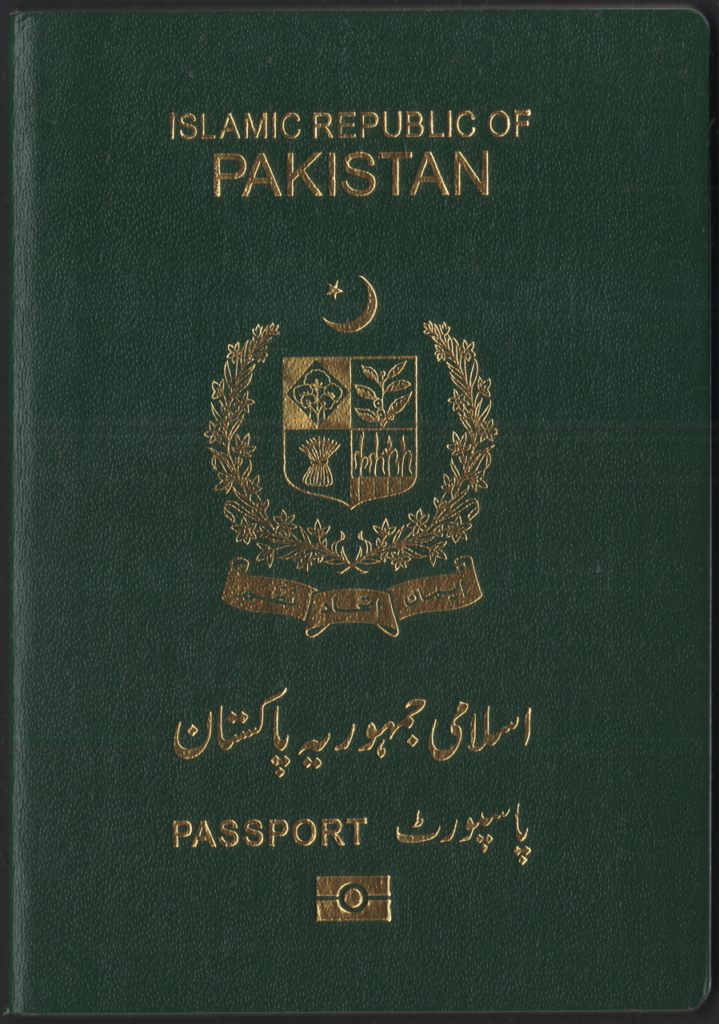
To put the meeting in context, Pakistan introduced its e-passport facility in 2022, adding electronic security features — including a contactless chip — to the country’s travel documents. The chip-based system has since become the standard for new passports, storing biometric and personal data that can be read securely at immigration checkpoints.
The distinction matters: the local microchip e-passport discussion is not about introducing electronic passports for the first time. It is about where the chips inside them come from — and whether Pakistan can eventually manufacture that critical component itself rather than sourcing it from abroad.
What this could mean for Pakistani passport holders

For ordinary citizens, nothing changes in the short term under the local microchip e-passport plan. Existing e-passports remain valid, and the passport issuance process continues as before. But if the collaboration between NUST and the passport authorities bears fruit, the longer-term picture could be significant: more secure travel documents, faster adoption of new security features, and a domestic technology base that keeps sensitive citizen data under national control.
The proposed MoU would be the next milestone to watch. If signed, it would move the idea from discussion to structured research — the first real step toward a “Made in Pakistan” passport chip.
Sources: Gadgets.com.pk; The Weekly Asia (twa.com.pk).
Related Posts
 TechnologyGTA 6 Release Date: 17 Days Left — Preload Opens 12 November, Unlock Times and Everything Confirmed
 TechnologyStepFun StepX Neo Launched: The “Agentic Smartphone” Where an AI Agent Replaces the Apps
 TechnologySamsung’s First AI Glasses Reportedly Launching Mid-December: “Intelligent Eyewear” Takes on Meta
 TechnologyGoogle’s Satellite Sent Back the First-Ever AI Answer From Space — a Haiku From Orbit
 TechnologyTelenor Pakistan Launches eSIM for Prepaid and Postpaid Users — Say Goodbye to the Plastic SIM
 TechnologyCasio CMK-100 Titanium Automatic: Casio’s Mechanical Field Watch Launch, Price and Pakistan Availability
Most Popular
 How-ToPTA Tax Calculator 2026: Check Mobile Tax on Any Phone373 views
 SportsUEFA Champions League 2026-27: Format, Teams and Schedule358 views
 Pakistan NewsPIA Boeing 787 Lease Deal: What It Means for the Airline350 views
 Canada JobsTech Jobs in Canada: Roles, Salaries, and Skills Needed343 views
 SportsBallon d’Or 2026: London Ceremony, Nominees and All-Time Records Ahead of 70th Anniversary330 views
 ShowbizWomen’s Fashion in Pakistan 2026: Trends, Brands and Style Guide320 views