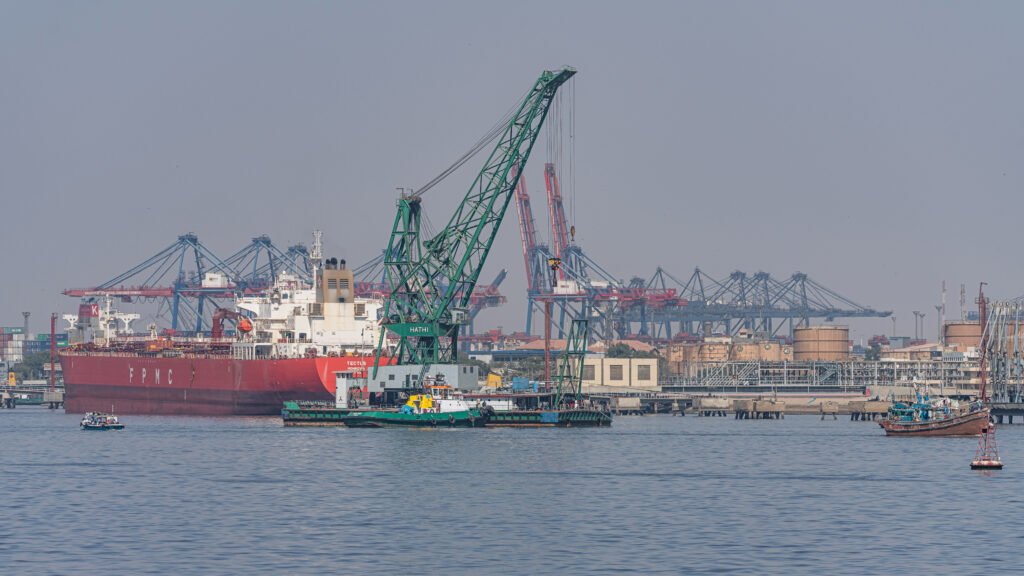
Deputy Prime Minister Ishaq Dar has said Pakistan natural resources worth $10 trillion are sitting untapped beneath the country’s land and sea, as a Turkish seismic vessel began work off the Karachi coast to hunt for oil and gas. Dar was speaking at a ceremony at Karachi Port to welcome the Turkish research ship Oruç Reis, which will map the seabed of the Indus offshore basin before any drilling begins.
The deputy prime minister put the value of Pakistan’s minerals, hydrocarbons and gemstones at between $8 trillion and $10 trillion, describing that range as the most conservative estimate available. He rejected the idea that Pakistan was a heavily indebted country trapped in debt, pointing out that the federal government’s debt stands at about $100 billion, or around $130 billion once the foreign-exchange liabilities of private companies and public-sector enterprises are included. Against that, he said, the country holds enormous God-gifted resources that have barely been explored.
Dar thanked Turkish President Recep Tayyip Erdogan and Foreign Minister Hakan Fidan for their personal commitment to the partnership, and welcomed Turkish Energy Minister Alparslan Bayraktar, who attended the ceremony. He said the arrival of Oruç Reis opened a new chapter of scientific exploration, energy cooperation and strategic partnership between the two countries, and he described the mission as a significant milestone in Pakistan-Türkiye relations.
What Dar Said at Karachi Port
Addressing the ceremony, Dar said the friendship between Pakistan and Türkiye predated the creation of Pakistan itself, tracing its roots to the solidarity shown by the Muslims of the subcontinent with the Turkish people in difficult times. Both nations had stood by each other through hard times and periods of success, he said, and the real tribute to that shared history would be to turn longstanding goodwill into practical benefits for their people.
“Pakistan and Türkiye have never lacked goodwill. Our responsibility now is to match that goodwill with practical results,” Dar said, adding that the two countries needed to translate their strategic understanding into a stronger economic partnership. He noted that energy security, trade routes and critical infrastructure had become essential dimensions of national security in the modern world, alongside the protection of borders and citizens.
Dar said Prime Minister Shehbaz Sharif had directed the relevant ministries and institutions to improve coordination and speed up work on the project, and he assured the Turkish partners that the government would prevent institutional fragmentation and unnecessary bureaucratic delays in projects of strategic national importance. Three memorandums of understanding have been signed between the relevant Pakistani and Turkish institutions to expand technical collaboration, and Dar said he wanted Pakistani geologists and engineers to work alongside Turkish experts, with universities and research institutions building partnerships in marine sciences, geosciences and offshore engineering.
In a lighter moment, Dar said he had told his Turkish counterpart that the seismic survey would take about five to six months, and joked that the Turkish energy minister would not be allowed to leave Pakistan without bringing news of a significant discovery. He expressed confidence that the mission would pave the way for Pakistan’s first successful offshore drilling and exploration project.
Oruç Reis to Survey 670 Square Kilometres of the Indus Basin
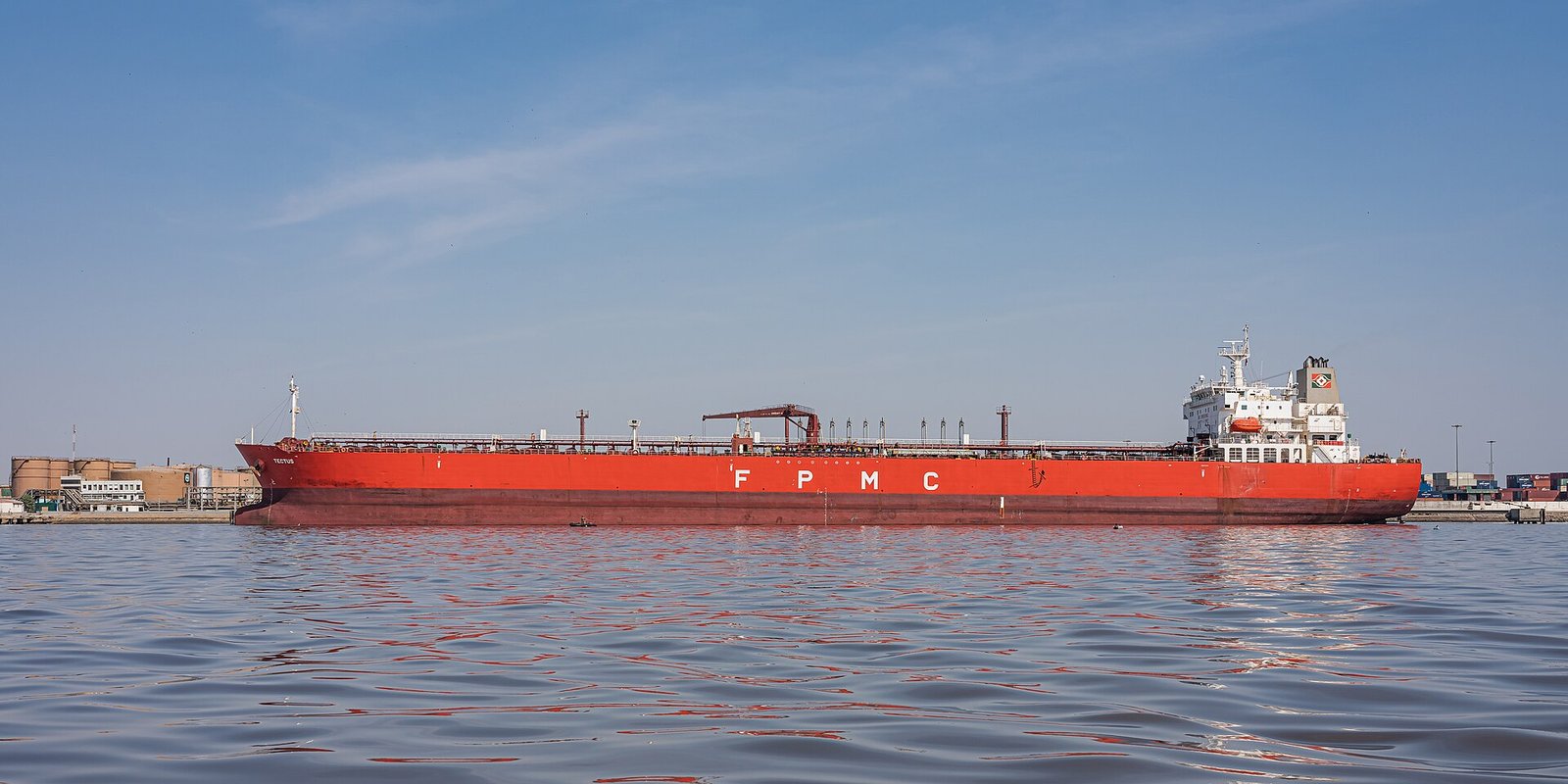
Turkish Energy Minister Alparslan Bayraktar told the ceremony that Oruç Reis would collect three-dimensional seismic data across 670 square kilometres of Pakistan’s Indus offshore basin, in the Indus-C Block, followed by two-dimensional surveys covering 2,353 kilometres of survey lines in the Makran blocks. The vessel arrived in Pakistan to assess the hydrocarbon potential of the Indus and Makran offshore basins under agreements signed between the two countries in Islamabad last year.
Bayraktar said a strategic partnership had been established between Türkiye’s national oil company, Turkish Petroleum Corporation (TPAO), and Pakistan’s leading energy companies, including Oil and Gas Development Company Limited (OGDCL), Pakistan Petroleum Limited (PPL) and Mari Energies. Licensing procedures have been completed for five exploration blocks — three offshore and two onshore — and operational activities have already begun. TPAO has secured a 25 per cent stake and the operatorship of Offshore Block-C.
The survey is the first step in a long process. Dar acknowledged that offshore exploration was capital-intensive, technically complex and inherently uncertain, and he was clear that a seismic survey could not guarantee a commercially viable discovery. But he said exploration could not advance without reliable seismic data, and Pakistan had taken the step with confidence and responsibility, because scientific knowledge would give future investment and exploration decisions a stronger foundation.
Exploration Drilling Targeted for 2027
Bayraktar said that based on the data collected in Pakistani waters, the partners aimed to launch operations in the identified fields in 2027. “Based on the data that we are going to collect here, we aim to launch operations in the identified fields, Inshallah, next year in 2027,” he said, adding that he hoped the survey would identify promising geological structures and eventually lead to commercially viable discoveries that benefited both economies.
The mission follows Pakistan’s Offshore Bid Round 2025, launched in January last year after an 18-year gap, which offered exploration licences for 40 offshore blocks in the Indus and Makran basins along the coasts of Sindh and Balochistan. A basin assessment by the US-based consultancy DeGolyer and MacNaughton had already indicated considerable unexplored hydrocarbon potential in Pakistan’s offshore regions, particularly in the Indus and Makran basins.
Companies have committed 4,427 work units during the first phase of the initial three-year licensing period, with planned spending of about $80 million. If the early findings prove encouraging and the programme advances towards exploratory drilling, total investment could rise substantially, reaching an estimated $750 million to $1 billion, according to the Petroleum Division. The arrival of Oruç Reis is therefore being viewed as an important step in Pakistan’s efforts to revive offshore exploration, attract international investment and diversify its energy resources — although commercial discoveries will ultimately depend on the geological findings and the drilling that follows.
Why the $10 Trillion Figure Matters — and Its Limits
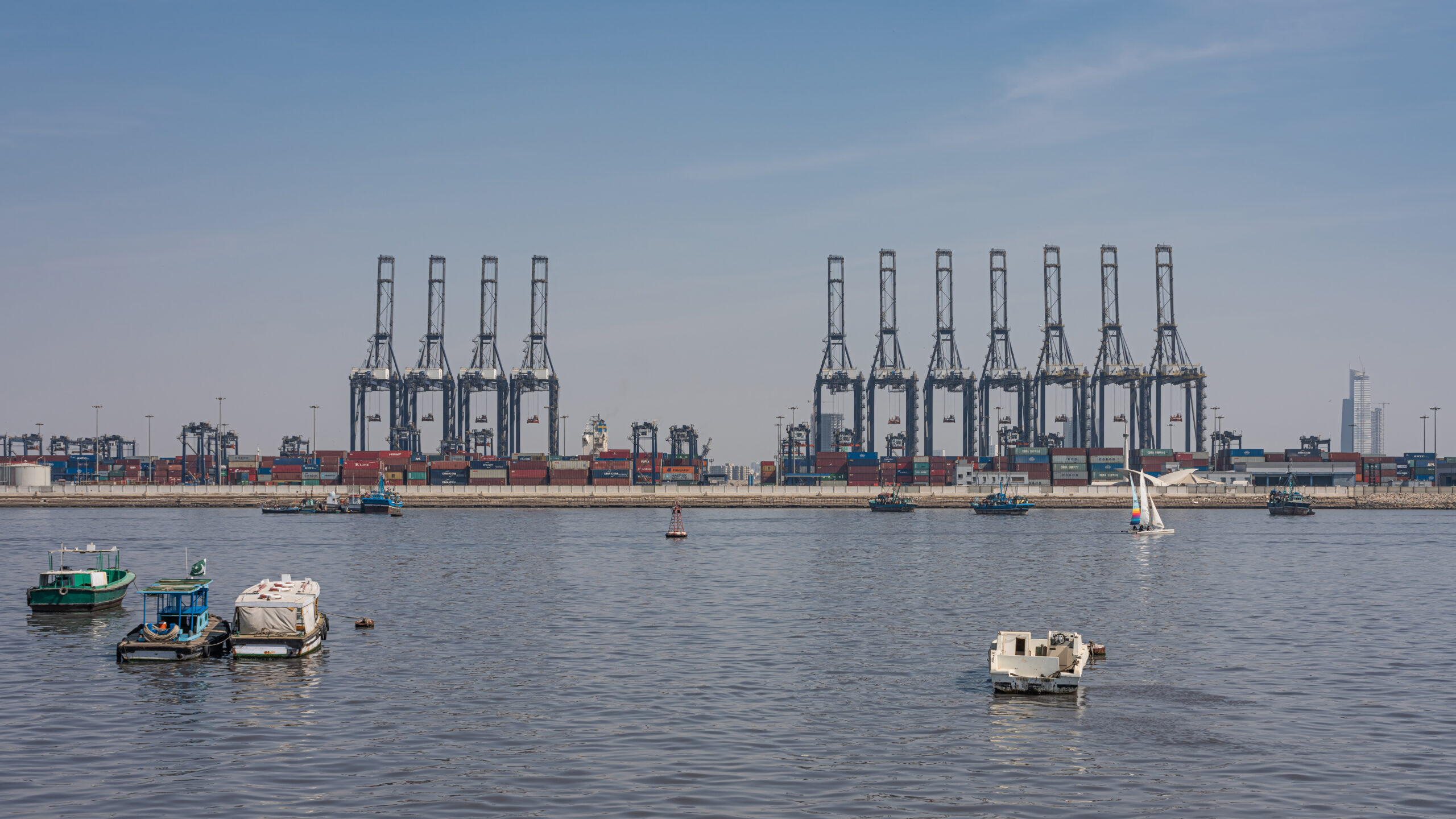
The headline figure needs careful reading. When Dar says Pakistan natural resources worth $10 trillion, he is citing estimates of the value of minerals, hydrocarbons and gemstones in the ground — not money in the bank, and not a valuation any auditor has signed off. The same $8 trillion figure was the centrepiece of the Pakistan Minerals Investment Forum 2026, which opened in Islamabad on 12 November with the Reko Diq copper-gold project and an estimate by the Institute of Cost and Management Accountants of Pakistan that the country holds 92 known minerals, of which 52 are commercially exploited, while mining still accounts for less than 3 per cent of GDP.
That gap between geological potential and economic output is the story of Pakistan’s resources. Turning estimates into revenue requires surveys, drilling, infrastructure, financing and years of work — and, as Dar himself acknowledged, a survey is only the first step.
Türkiye brings relevant experience to that long road. Bayraktar recalled the discovery of significant natural gas reserves in the Black Sea in 2020, the largest offshore gas discovery globally that year, and said Türkiye was now producing about 10 million cubic metres of natural gas a day from those fields, supplying around four million households, with plans to raise output to 40 million cubic metres — enough for about 14 million households. He said Türkiye was bringing the knowledge, engineering capability and operational experience gained from its Black Sea projects to Pakistan.
Pakistan Natural Resources Worth $10 Trillion: What Happens Next
For now, the work is scientific rather than commercial. Oruç Reis will spend the next five to six months gathering seismic data, and only then will the partners decide where — and whether — to drill. Dar stressed that developing a sustainable blue economy required credible scientific information, skilled people, modern technology and effective environmental safeguards, and he said the country’s maritime resources were both an economic asset and a national trust. Economic development and environmental protection, he said, must progress together.
Dar also thanked Petroleum Minister Ali Pervaiz Malik, the national energy companies, the Pakistan Navy and the Sindh government for their work on the mission, while Bayraktar thanked Prime Minister Shehbaz Sharif and Field Marshal Asim Munir. The two leaders had reaffirmed their resolve to accelerate cooperation in trade, investment, defence, energy and regional connectivity when Shehbaz Sharif and President Erdogan met recently in Antalya, and Dar said the Oruç Reis mission was the first visible result of that resolve — a survey that could, if the geology cooperates, change the economics of Pakistan’s energy future.
Related Posts
 BusinessEmirates Named World’s Best Airline for 2027 in TIME’s Inaugural Ranking
 BusinessThar Coal Mining Shifts from Diesel to National Grid by April 2028
 BusinessPakistan Mango Exports Fall 36% as US–Iran Tensions and Closed Borders Hit the King of Fruits
 BusinessPM Shehbaz Announces Rs400 Billion Tax Relief and Major EV Push
 BusinessRoshan Digital Accounts Near One Million as Overseas Pakistanis Send $274 Million in October
Most Popular
 How-ToPTA Tax Calculator 2026: Check Mobile Tax on Any Phone420 views
 Pakistan NewsPIA Boeing 787 Lease Deal: What It Means for the Airline396 views
 Canada JobsTech Jobs in Canada: Roles, Salaries, and Skills Needed392 views
 SportsUEFA Champions League 2026-27: Format, Teams and Schedule389 views
 TechnologyPM Shehbaz Sets November Deadline for Alibaba AI and Digitalisation Projects in Pakistan370 views
 ShowbizWomen’s Fashion in Pakistan 2026: Trends, Brands and Style Guide366 views