Pakistan has proposed a virtual green university at COP31 — a university with no campus, no lecture halls and no classrooms, built entirely online through partnerships between universities around the world. The Pakistan virtual green university plan was presented by Federal Minister for Climate Change Dr Musadik Malik at a session on the sidelines of the UN climate conference in Antalya, Turkiye, on Monday. Alongside it, he announced a Greenfield fund to finance climate ideas and ventures developed by young people. The pitch puts education at the centre of Pakistan’s climate case — and it comes from one of the countries hit hardest by a warming planet.
What the Pakistan virtual green university would offer
Under the Pakistan virtual green university framework, Pakistan has invited foreign academic institutions to partner through joint research programmes, faculty and student exchanges, seminars and virtual research centres. The initiative would bring together scholars, researchers and graduate students, particularly from developing countries, to generate knowledge suited to their own societies.
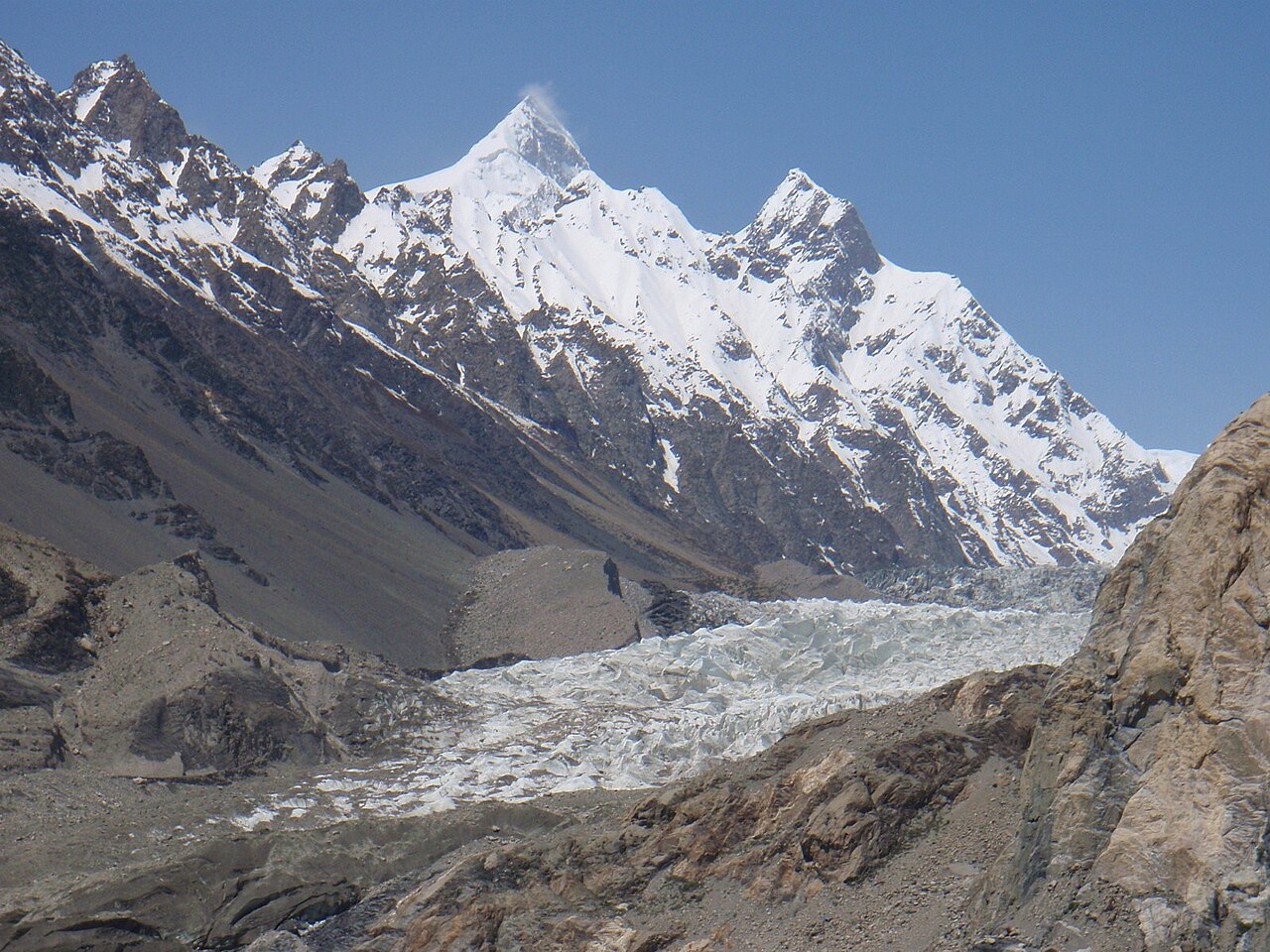
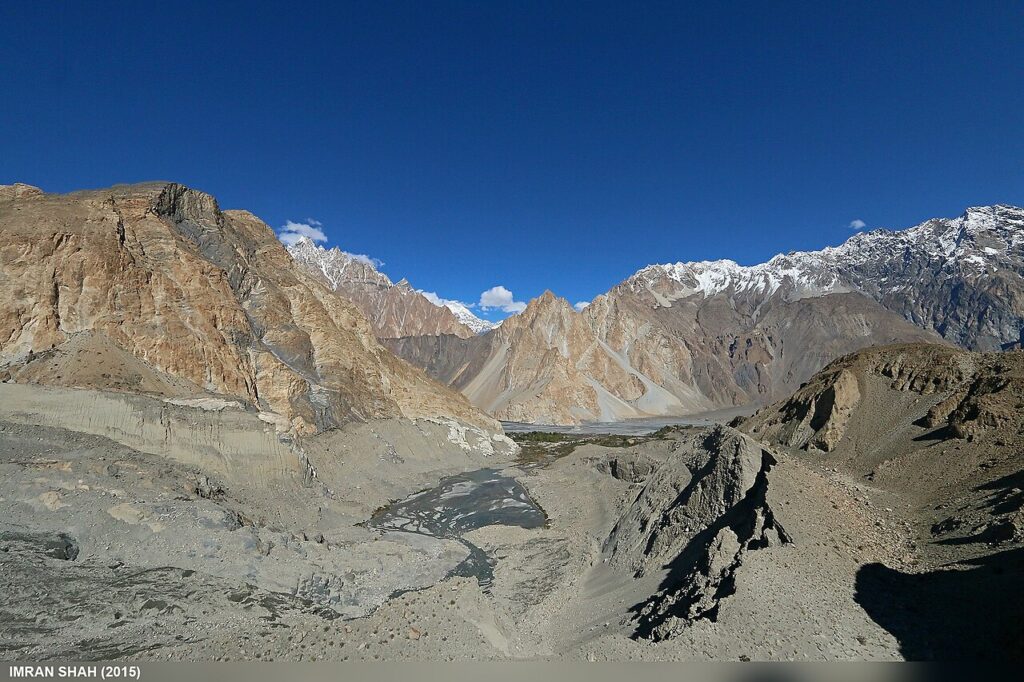
Malik also offered Pakistan’s research facilities, glacier data and support for primary research to international scientists studying mountain ecosystems and the changing cryosphere. Pakistan’s northern mountains hold some of the largest glaciers outside the polar regions, and their meltwater feeds rivers that millions of people depend on.
The idea is not new. Malik first floated it at a Pre-COP31 Dialogue in Islamabad on 26 October, where he also proposed dedicated funding for green technology start-ups and a “Green Cloud” offering access to publicly funded research. He outlined the university plan again at the UN Climate Change Pavilion in Antalya earlier in the summit, before presenting both proposals together at Monday’s session, titled “From Learning Campuses to Climate Solutions: Advancing Climate Resilience Through Education, Innovation and Partnerships” and organised with the Islamabad Electric Supply Company (Iesco).
Malik said innovation should not be confined to science and technology. Ideas could also emerge from literature, history, the arts, music, drama and business models — and their convergence could produce solutions of economic and social value.
The Greenfield fund for young innovators
The minister’s second proposal, the Greenfield fund, is intended to finance innovative ideas and climate-related ventures developed by young people. He said the fund had been announced and a board set up, with a proposed five-member team — including private-sector and investment expertise — to assess promising ideas and help finance their development.
Malik described access to risk capital as a major requirement for young innovators. He said promising ideas often failed to reach commercialisation for lack of financial support, and Pakistan needed to invest in young scientists, entrepreneurs and graduates rather than rely solely on conventional institutional approaches.
The minister had earlier put the fund for young green start-ups at $10 million, speaking at the Arctic Circle Assembly in Reykjavik, where he also set out the virtual university and Green Cloud ideas.
Why Pakistan is pushing climate education
Pakistan is among the countries most exposed to climate damage. The 2022 floods affected around 33 million people and caused economic losses of more than $30 billion, according to the government’s post-disaster assessment. That experience shapes the country’s demand that climate talks deliver tools and finance, not only pledges.

Malik called for a shift from conference resolutions to practical outcomes. Prime Minister Shehbaz Sharif presented Pakistan’s climate case at the conference in Antalya earlier in the summit, while Pakistan has also sought finance for household solar power during the talks.
He cited China’s development of solar technology and Finland’s environmental technology sector to argue that environmental pressures and increasingly sophisticated public demand could create opportunities for innovation — and that countries facing climate stress could also build new industries from the response to it.
What happens next
For now, the virtual green university remains a proposal: no host institution, launch date or list of partner universities has been announced. The test will be whether foreign universities sign up, and whether the Greenfield board starts funding young innovators’ ideas.
Malik’s climate diplomacy continues this week. He is due in New Delhi for the SCO Civilisational Dialogue from 20 to 22 November — the first visit by a Pakistani federal minister to India since May 2023 — days after Pakistan used the COP31 stage to pitch its education and youth fund ideas.
Related
Sources
Related Posts
 EducationBSEK Chromebook Merit List 2026: 14,000 Karachi Students Selected — How to Check Your Name and Register
 EducationSindh Private MBBS and BDS Admissions 2026-27 Open Tomorrow: Apply 10–24 November Through JSMU
 EducationHEC Honours 23 Pakistani Students for Winning Medals at 2026 International Science OlympiadsEducationMDCAT Registrations Fall by a Third in Four Years as Students Turn Away From Medicine
 EducationLHC Bars Private Medical Colleges From Charging Excessive Fees — Rs1.8 Million Annual Cap to Be Enforced
 EducationUHS Private MBBS Admissions 2026: Last Day Today, 6 November — Apply Before 5 PM
Most Popular
 How-ToPTA Tax Calculator 2026: Check Mobile Tax on Any Phone420 views
 Pakistan NewsPIA Boeing 787 Lease Deal: What It Means for the Airline394 views
 Canada JobsTech Jobs in Canada: Roles, Salaries, and Skills Needed391 views
 SportsUEFA Champions League 2026-27: Format, Teams and Schedule388 views
 TechnologyPM Shehbaz Sets November Deadline for Alibaba AI and Digitalisation Projects in Pakistan368 views
 ShowbizWomen’s Fashion in Pakistan 2026: Trends, Brands and Style Guide365 views