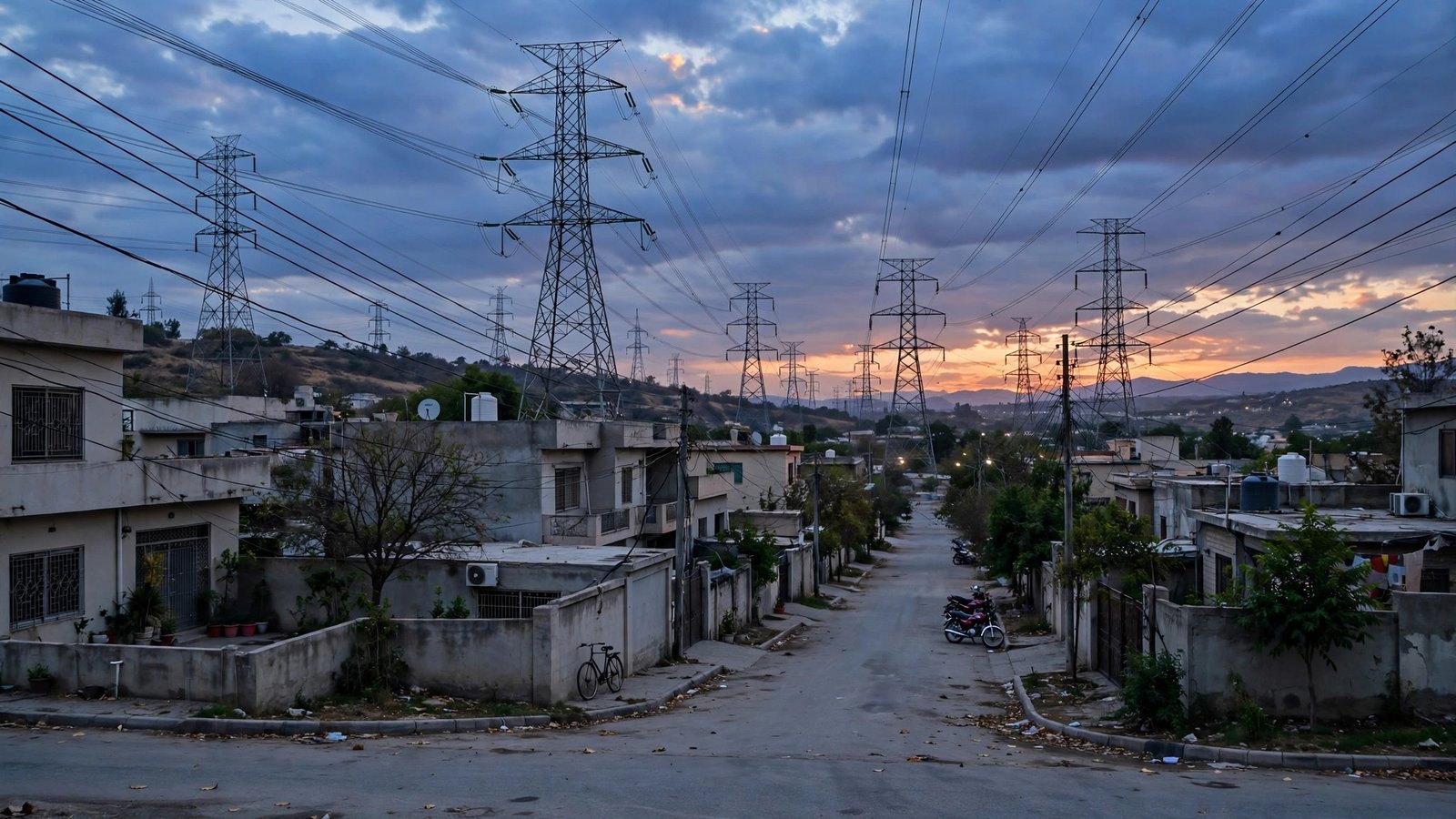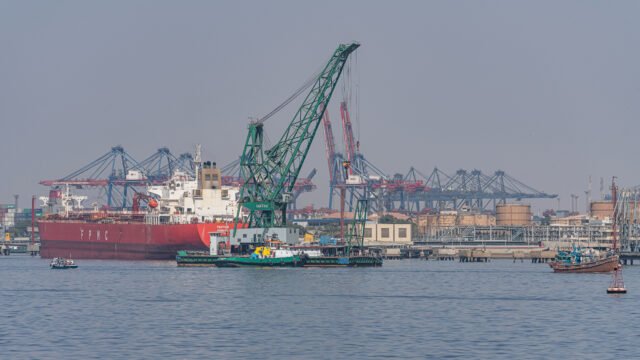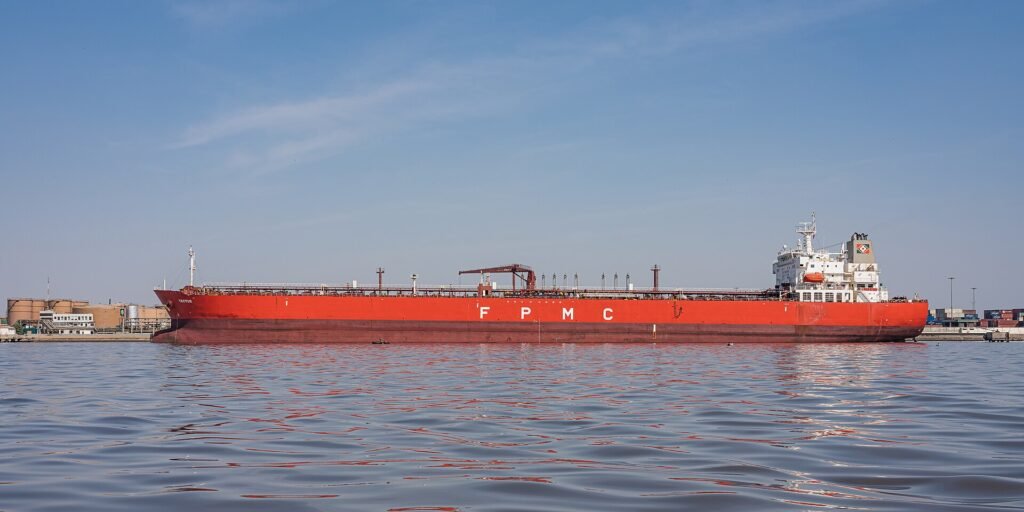
Pakistan and Türkiye are set to resume offshore oil and gas exploration after a gap of nearly two decades, with a Turkish seismic survey vessel expected to reach Karachi between 17 and 20 November 2026. The announcement, made by the Petroleum Division on Friday, marks the first major offshore exploration campaign in Pakistani waters in about twenty years and a fresh push to assess the country’s untapped energy reserves beneath the Arabian Sea.
Federal Minister for Petroleum Ali Pervaiz Malik chaired a high-level meeting in Islamabad on Friday to review preparations for the vessel’s arrival and the launch of the exploration campaign. Officials from the Petroleum Division, the maritime and defence ministries, the Board of Investment, and the managing directors of OGDCL, PPL and GHPL attended the meeting, which reviewed operational, logistical, maritime and security arrangements. The minister described the vessel’s arrival as a milestone in energy cooperation between Pakistan and Türkiye, and said he would try to receive the ship personally when it reaches Karachi.
The vessel is operated by the Turkish Petroleum Offshore Company (TPOC), the offshore arm of the Turkish Petroleum Corporation. Pakistani media reports have identified the ship as the Oruc Reis, Türkiye’s seismic research vessel, although the name has not been confirmed in the Petroleum Division’s own announcement. What is confirmed is the timetable: the ship is due in Karachi between 17 and 20 November, and its arrival will formally restart offshore exploration work that has been largely dormant for close to twenty years.
Turkish seismic vessel due in Karachi between 17 and 20 November
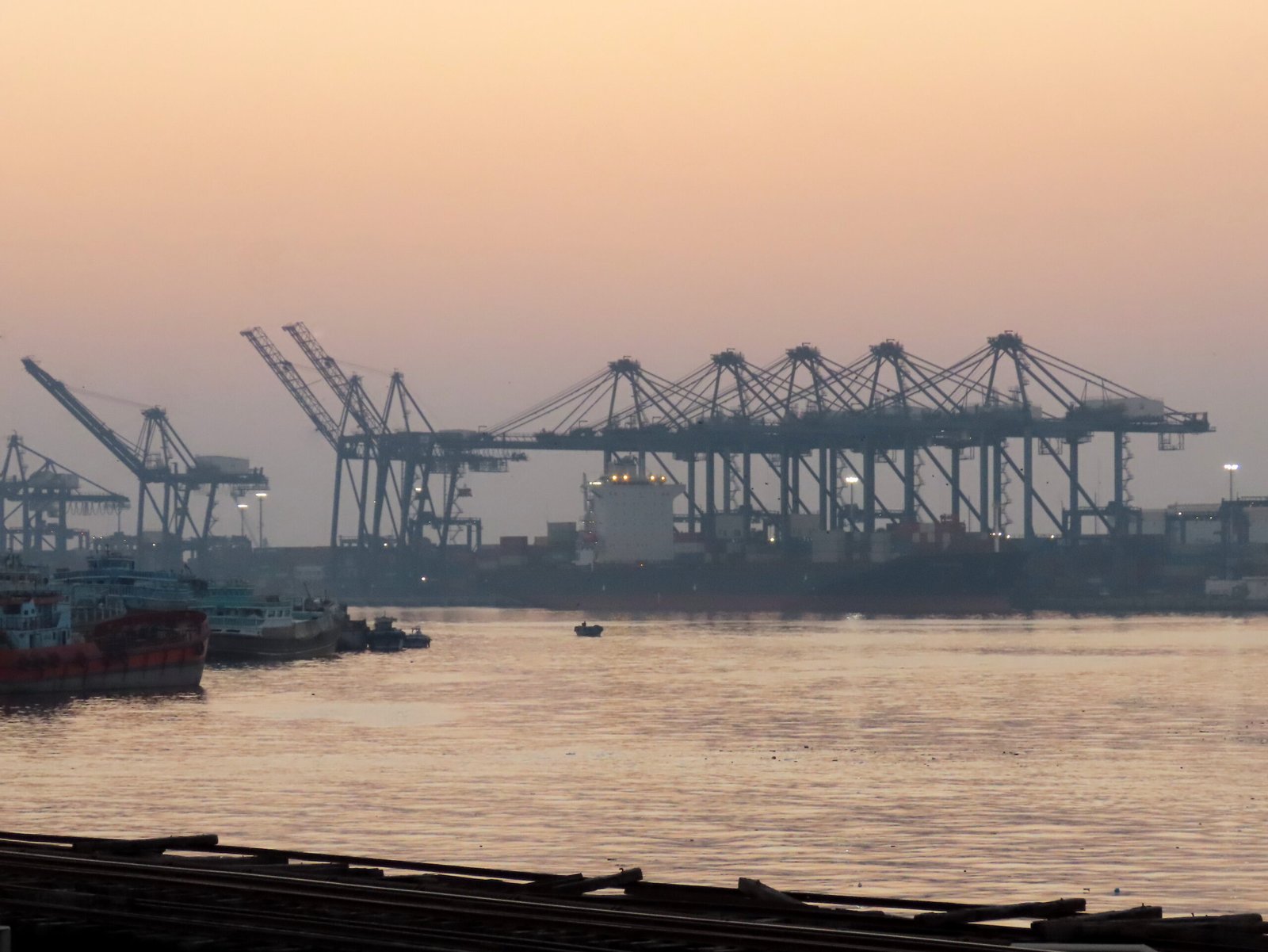
The first survey will focus on the Eastern Offshore Indus C block in the Arabian Sea, where the Turkish company holds a 25 per cent interest and the operatorship. Pakistan Petroleum Limited holds 35 per cent of the block, while Oil and Gas Development Company Limited and Mari Energies each hold 20 per cent. The joint venture brings together Türkiye’s offshore survey capability with the local companies that know Pakistan’s offshore geology best.
A seismic survey vessel does not drill for oil. Instead, it tows sound equipment behind it and maps the rock formations beneath the seabed, building a picture of where oil and gas may be trapped deep below the sea floor. That picture then decides where — and whether — drilling should happen later. It is the essential first step of any offshore campaign, and it is the step Pakistan has been missing for two decades.
The revival follows years in which Pakistan’s offshore sector attracted little sustained investment despite the country’s significant untapped offshore potential. The most recent offshore well, Kekra-1, was drilled in 2019 by a consortium led by ExxonMobil and ENI, and it found no commercial hydrocarbons. Since then, offshore activity has effectively stalled, even as Pakistan’s demand for energy has kept growing and its import bill for oil and gas has remained one of the largest drains on foreign exchange.
What the survey will — and will not — do

It is important to be clear about what the Turkish vessel’s arrival does and does not mean. The seismic survey will produce data, not oil. It will show where the geology looks promising, but only drilling — months or years away, and only if the survey results justify it — can confirm whether commercially viable reserves exist. No estimate of possible reserves has been published, and none should be expected from a survey alone.
That caution applies to the timeline as well. The 17–20 November window is the vessel’s expected arrival in Karachi, not the start of drilling. The survey campaign itself will take time, and any decision on exploration wells will follow analysis of the data it collects. For now, the milestone is the restart itself: after nearly twenty years, a survey ship is once again heading for Pakistani waters.
The project also deepens a bilateral relationship that has grown steadily in recent years. Türkiye has become an increasingly important partner for Pakistan across defence, trade and energy, and the offshore venture gives that partnership a concrete commercial shape. For Türkiye, the operatorship of the Eastern Offshore Indus C block is a foothold in a new offshore basin; for Pakistan, it is a chance to test waters that have barely been explored with modern survey technology.
Why it matters for Pakistan’s energy security
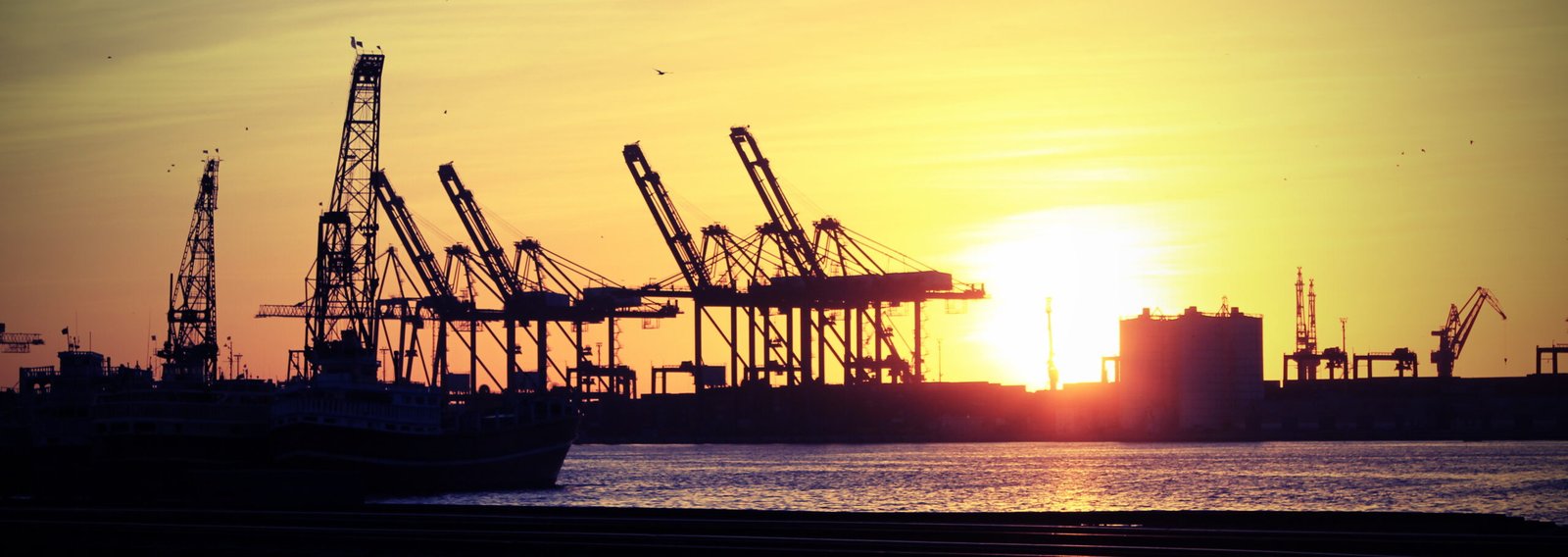
Pakistan imports most of the oil and gas it consumes, and the cost of those imports weighs heavily on the economy. Every additional unit of domestic production — if the surveys eventually lead to discoveries — would ease that burden. That is why the government is treating the vessel’s arrival as a matter of national energy security rather than a routine commercial event, with the petroleum minister himself planning to welcome the ship.
The coming weeks will show whether the timetable holds. If the vessel reaches Karachi between 17 and 20 November as planned, the survey campaign will begin, and Pakistan’s offshore hunt — paused for a generation — will be under way again. The results, when they come, will decide whether the Arabian Sea off Pakistan’s coast holds the reserves the country has long hoped for, or whether the search must continue elsewhere. Either way, after twenty years of waiting, the exploration is finally resuming.
Related Posts
 BusinessNEPRA Approves Rs2.37 Per Unit Fuel Adjustment for November Bills
 BusinessNestlé Pakistan Wins Two Sustainability Awards for AI-Driven Regenerative Agriculture
 BusinessPakistan Trade Deficit Widens 19.7% to $3.88 Billion in October as Imports Outpace Exports
 BusinessPetrol Price Cut by Rs6.59 to Rs346 Per Litre From 7 November: Diesel Down Rs4.25 in Fifth Straight Daily Cut
 BusinessABHI IPO Raises Rs2.046 Billion at Rs15.50 a Share as Book Building Oversubscribed by 59%
 BusinessWeekly Inflation Rises to 12.31% as Tomato Prices Jump 54% in a Week — LPG Up 115% in a Year
Most Popular
 How-ToPTA Tax Calculator 2026: Check Mobile Tax on Any Phone417 views
 Pakistan NewsPIA Boeing 787 Lease Deal: What It Means for the Airline389 views
 Canada JobsTech Jobs in Canada: Roles, Salaries, and Skills Needed387 views
 SportsUEFA Champions League 2026-27: Format, Teams and Schedule384 views
 TechnologyPM Shehbaz Sets November Deadline for Alibaba AI and Digitalisation Projects in Pakistan364 views
 ShowbizWomen’s Fashion in Pakistan 2026: Trends, Brands and Style Guide360 views